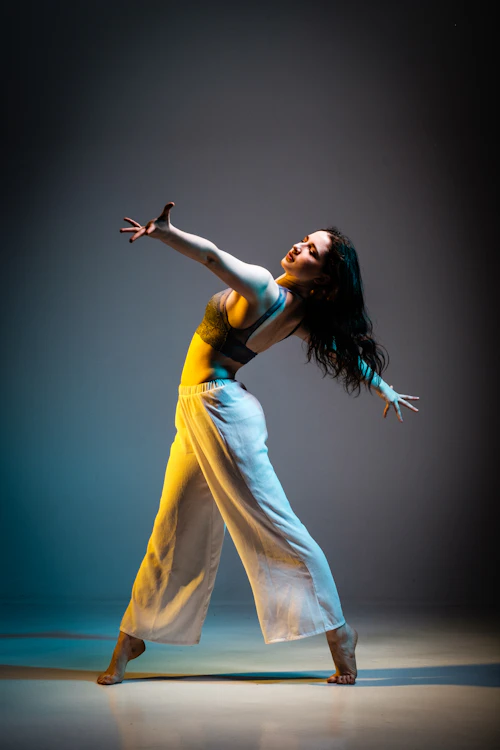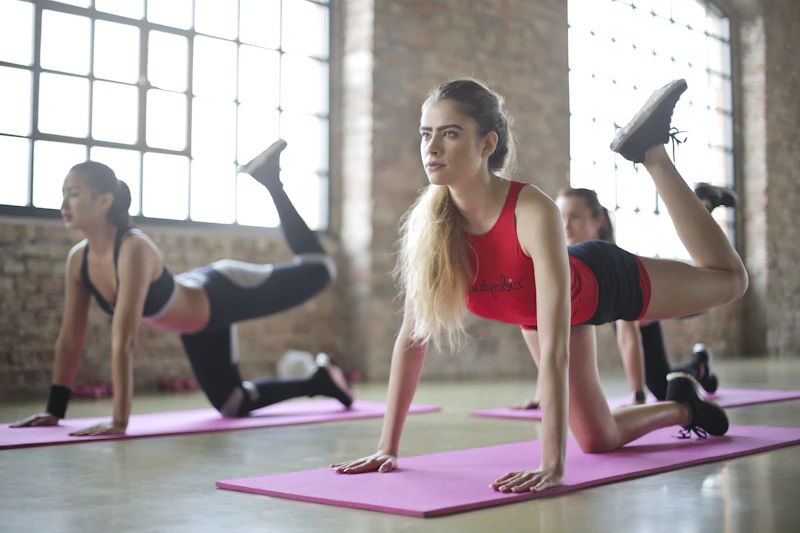
Ballet is no longer just for children or professional dancers. Across Dubai, thousands of adults are discovering the grace, strength, and confidence that comes from learning ballet in their 30s, 40s, 50s, and beyond. Whether you're looking to improve your posture, build functional strength, or explore a new passion, adult ballet classes offer a welcoming entry point for everyone. This guide covers everything you need to know about adult ballet classes in Dubai, from finding the right studio to mastering your first plié.
Contents
- Why Adults Are Discovering Ballet in Dubai
- Benefits of Ballet for Adults
- Best Adult Ballet Studios in Dubai 2026
- What Happens in an Adult Ballet Class
- Ballet Terminology for Beginners
- Beginner vs. Advanced: Finding Your Level
- What to Wear and Bring to Your First Class
- Ballet and Cross-Training Benefits
Why Adults Are Discovering Ballet in Dubai
Dubai's fitness culture has evolved dramatically over the past decade. While gyms and group fitness classes have long dominated the scene, more and more adults are seeking activities that combine physical challenge with artistic expression. Ballet has emerged as one of the most appealing options, attracting professionals, expats, and long-time residents alike.
The appeal is multifaceted. Unlike competitive sports or high-intensity group classes, ballet creates a judgment-free environment where progress is personal. You're not racing against anyone or trying to lift heavier weights than last week. Instead, you're building a skill that evolves over months and years, with visible improvements in your alignment, strength, and control. This sense of consistent, tangible progress resonates deeply with adults who want meaningful fitness that feeds both body and mind.
Dubai's transient population also plays a role. Many expatriates arrive in the Emirates seeking community and new interests outside of work. Ballet classes provide a structured social space where you meet fellow enthusiasts, often leading to friendships that extend beyond the studio. Several studios in Dubai Marina and Downtown Dubai have cultivated particularly strong communities around adult ballet programs.
Additionally, the mind-body connection that ballet demands is increasingly valued in a high-stress professional environment. In a 60-minute ballet class, your mental chatter quiets down. You focus on your placement, your breathing, the music, and the movements. It's meditative in nature while simultaneously being physically demanding—a rare combination that appeals to professionals seeking stress relief.
Benefits of Ballet for Adults: Posture, Strength, and Flexibility
The physical benefits of adult ballet extend far beyond the studio. Here's what consistent ballet training delivers:
Posture and Alignment
Hours of desk work, commuting, and screen time leave many adults with compromised posture. Ballet retrains your body's default alignment. You learn to engage your core, stack your vertebrae properly, and maintain length through your spine. After just a few weeks, many students report feeling taller and noticing improved posture in everyday life. This isn't aesthetic vanity—proper alignment reduces back and neck pain.
Functional Strength
Ballet builds strength through resistance and sustained engagement rather than heavy loading. Your legs, glutes, and core become significantly stronger. Your arms gain tone and definition. Crucially, you develop stabilizer muscles that most gym routines miss. These stabilizers are essential for injury prevention and longevity. You'll find that ballet translates to better functional fitness for daily tasks like carrying groceries, gardening, or playing with children.
Flexibility and Range of Motion
Flexibility improves noticeably within 4-6 weeks of consistent ballet training. However, ballet flexibility is different from passive stretching. You develop active flexibility—the ability to control and move through a full range of motion with strength. This is far more useful and durable than simply being able to touch your toes.
Balance and Proprioception
As we age, balance becomes increasingly important for preventing falls. Ballet trains your proprioceptive system (your body's spatial awareness). You learn to control your center and maintain equilibrium on one leg. This translates to better balance in all aspects of life, which is particularly valuable as we age.
Cardiovascular and Mental Health
An adult ballet class gets your heart rate up without feeling like cardio torture. The continuous movement, combined with the mental focus required, provides substantial cardiovascular benefit. Many students report improved sleep, reduced anxiety, and enhanced mental clarity. The meditative aspects of ballet—the focus required, the music, the rhythm—activate the parasympathetic nervous system, leaving you calmer and more centered.
Studies consistently show that dance, particularly ballet, improves cognitive function, reduces depression and anxiety, and enhances overall quality of life in adults over 40. The combination of physical activity, music, and learned skill engages multiple brain systems simultaneously.
Best Adult Ballet Studios in Dubai 2026
Dubai now hosts several excellent studios offering dedicated adult ballet programs. Here's a breakdown of the leading options:
Studio Options and Pricing
Most studios in Dubai offer flexible pricing models designed for adult learners who may have inconsistent schedules:
| Studio Type | Drop-In Rate | Monthly Unlimited | Notes |
|---|---|---|---|
| Independent Ballet Studios | AED 120–150 | AED 550–750 | Intimate, specialized instruction |
| Premium Dance Centers | AED 100–130 | AED 650–900 | Multiple disciplines, facilities |
| Luxury Wellness Clubs | AED 80–110 | AED 1,200–1,800 | Included with full membership |
| Community Centers | AED 40–60 | AED 250–350 | Budget-friendly, casual atmosphere |
Top Recommendations by Location
Dubai Marina Area: Several premium studios in Dubai Marina cater specifically to adults. These studios typically offer late evening classes (7–9 PM) perfect for working professionals. Expect studios with excellent flooring, mirrors, and experienced instructors trained in adult progression. Pricing ranges from AED 120–150 per drop-in class.
Jumeirah and New Dubai: The Jumeirah area hosts multiple dance centers with strong adult ballet programs. These tend to offer larger class formats with multiple levels running simultaneously, which benefits beginners who may feel self-conscious.
Downtown Dubai: For those based Downtown Dubai, several studios within the urban core offer convenient timing and excellent instruction. These locations often have parking and post-class dining options nearby.
When evaluating a studio, look for: Professional ballet backgrounds among instructors (not just fitness certifications), dedicated adult classes rather than mixed-age sessions, proper flooring (sprung or semi-sprung, not concrete), and class sizes under 20 students for adequate attention.
Ready to Start Your Ballet Journey?
Explore curated dance studios and wellness centers in Dubai offering adult ballet classes. Find your perfect studio and book your first class today.
What Happens in an Adult Ballet Class: A Complete Walkthrough
If you've never taken a ballet class, the experience can feel mysterious or intimidating. Here's what a typical 60-minute adult beginner ballet class looks like:
Arrival and Changing (15 minutes before class)
You'll arrive 10–15 minutes early to change into dance clothes and get oriented. There's a natural pause as students trickle in—everyone's a bit nervous if it's their first time. Regular students help newcomers feel welcome. The studio environment is usually calm, with soft music playing in the background.
Barre Work (20–25 minutes)
Class begins at the barre (a horizontal bar running along the studio walls). You'll warm up with simple movements: plies (knee bends), tendus (sliding one leg across the floor), and ronds de jambe (circular leg movements). These foundational exercises might seem basic, but they build muscle memory and proper alignment. Your instructor will correct positioning and explain why these movements matter. This is where you learn your body's baseline and what needs to improve.
Center Work (15–20 minutes)
You move away from the barre into the open studio. Center work applies what you learned at the barre: weight shifts, balance, and movement quality. You might practice traveling steps like waltz, polka, or simple chassés (sliding steps). This section feels more challenging because you lose the barre's support, but it's exhilarating. You feel more "like a dancer" when moving freely across the floor.
Cool Down and Stretching (5–10 minutes)
The class ends with gentle stretching and breathing. You'll stretch your legs, hips, and lower back. The instructor may guide breathing exercises. This is reflective, calming time where your heart rate comes down gradually.
Throughout class, the instructor provides constant feedback: "Pull up through your ribs," "Keep your weight forward," "Engage your glutes." If this sounds like a lot of information, it is—but it's delivered in digestible chunks. By your third or fourth class, it starts to click.
The Emotional Arc
Expect to feel self-conscious in your first class. You're learning new vocabulary, watching others who move more fluidly, noticing what you can't do. This discomfort is temporary. By week three, you'll recognize some exercises. By week six, you'll feel noticeably more coordinated. By week twelve, ballet becomes enjoyable rather than challenging.
- You don't need prior dance experience. Every adult in that beginner class started as a complete novice. The instructor expects this.
- Modify freely. If an exercise feels too hard, use the barre for extra support. There's zero judgment about modifications.
- Wear comfortable clothes. You don't need expensive ballet wear for your first few classes. Leggings and a fitted top work perfectly.
- Arrive a few minutes early. It reduces anxiety and gives you time to acclimate.
- Focus on form over speed. You'll see faster progress if you prioritize good positioning rather than keeping up with the group.
- Your body will be sore. Mild soreness after your first few classes is completely normal. It means you're working muscles that haven't been engaged this way before.
Ballet Terminology for Beginners: Essential Terms You'll Hear
Ballet has a specialized vocabulary—most of it in French—that can sound intimidating. Here are the terms you'll encounter most frequently:
Basic Positions and Movements
Plié: A bending of the knees. Most fundamental ballet movement. "Bend your knees and straighten them"—that's a plié. You'll do hundreds in every class.
Tendu: Sliding one leg across the floor until it's straight and pointed. Builds strength and teaches proper leg turnout (external hip rotation).
Rond de Jambe: Circular leg movement. Your working leg traces a semi-circle on the floor, then through the air. More complex than it sounds.
Dégagé (or Battement Dégagé): A strong, quick leg extension from the floor. Your foot leaves the floor sharply and returns. Builds control and ankle strength.
Port de Bras: Arm movement and carriage. How you position and move your arms matters as much as your legs in ballet. This develops grace and upper body control.
Turnout: Rotating your legs externally from the hip. This is fundamental to ballet aesthetics and safety. Turnout is built gradually; never force it.
Positions
First Position: Heels together, toes turned outward 180 degrees. You stand in a V-shape.
Second Position: Feet about hip-width apart, toes turned outward. A stable, grounded stance.
Third and Fourth Positions: More advanced placements where one foot is placed directly in front of or beside the other, heel to heel. Used in advanced movement.
Useful Phrases
"Spot your head": Fix your eyes on one spot as you turn, then snap your head around to find that spot again. This prevents dizziness.
"Pull up": Lengthen through your spine and engage your core. The opposite of collapsing into your hips.
"Square your hips": Both hip bones face forward (toward the barre or mirror). Many adults default to angling their hips; you'll be reminded to square them constantly.
"Engage your glutes": Actively use your buttock muscles to support movement and alignment. This prevents lower back strain.
Beginner vs. Advanced: Finding the Right Level in Dubai
Ballet classes in Dubai are typically labeled beginner, intermediate, or advanced. Understanding where you belong is important for safety and enjoyment.
Beginner Classes
These are designed for adults with zero ballet experience. The pace is slower, and movement is simplified. The instructor breaks choreography into small steps and explains the "why" behind exercises. You'll spend significant time at the barre, where you have support. Beginner classes typically accommodate ages 18–65+ and mixed fitness levels. You'll feel challenged but capable.
Intermediate Classes
These require 6+ months of regular practice or prior dance training. The pace quickens. You'll spend less time at the barre and more in center work. Combinations become more complex. You'll learn small traveling steps and turns. Intermediate assumes you know basic terminology and positioning, so the instructor spends less time explaining foundations. These classes are excellent for maintaining interest and preventing plateaus.
Advanced Classes
These are for serious enthusiasts and dancers. The choreography is complex. You'll learn and execute turns, larger traveling steps, and sophisticated combinations. These classes assume you have solid technique and can apply corrections quickly. Advanced classes in Dubai are less common than beginner/intermediate; if your studio offers them, consider it a sign of a strong program.
Placement Recommendations
If you're 0–3 months into ballet, take beginner classes. If you're 6+ months in and moving comfortably through choreography, try an intermediate class. Studios usually let you sample different levels. Attend one beginner and one intermediate class to see where you fit best. There's no shame in staying in beginner for a year—it takes time to build body awareness, and slower progression leads to better technique.
Note: Many studios in Dubai also offer pilates classes, which complement ballet beautifully. Pilates strengthens your core and can accelerate ballet progress. Some advanced students cross-train across both disciplines.
What to Wear and Bring to Your First Ballet Class
One concern for ballet beginners is attire. You don't need special gear for your first few classes, but understanding standard practice helps you feel confident walking in.
Clothing
First class: Wear fitted, comfortable clothes. Leggings or joggers paired with a tank top or t-shirt work perfectly. Avoid baggy clothes—you need to see your body's alignment, and your instructor needs to see it too.
Shoes: Ballet flats (soft ballet shoes) cost AED 80–150. Most studios require them for classes beyond your first visit. You'll slip them on after warm-ups. Many beginner students go barefoot in their first few classes; ask the studio beforehand.
Advanced: After 3–6 months, consider buying proper ballet attire: a leotard, tights, and ballet wrap pants (optional). You'll find these at dancewear shops around Dubai. Total cost: AED 250–400. But truly, many adult students never buy proper attire and continue in leggings indefinitely.
What to Bring
- Water bottle: You'll sweat more than you expect. Stay hydrated.
- Small towel: Optional, but nice for dabbing your face between sections.
- Hair tie: If you have long hair, tie it back in a low bun or ponytail. Hair in your face is distracting.
- Non-slip socks: Some studios allow socks for the first class; non-slip socks prevent sliding.
- Phone and wallet: Lock these in a locker if available, or leave them with your belongings near the barre.
Ballet and Other Disciplines: Cross-Training Benefits
One of ballet's greatest strengths is how well it complements other disciplines. If you're already involved in fitness, ballet can enhance your results. If you're new to structured fitness, ballet opens doors to complementary practices.
Ballet + Pilates
This is the most natural pairing. Pilates strengthens your core and stabilizer muscles; ballet applies that strength to functional, graceful movement. Together, they create a balanced fitness foundation. Many studios now offer "ballet-inspired pilates" classes that blend both disciplines. Consider alternating: ballet on Mondays, pilates on Wednesdays.
Ballet + Strength Training
If you lift weights, ballet complements your gym routine by improving mobility, proprioception, and functional stability. You'll notice your lifting form improves. Ballet teaches body awareness that transfers to the gym. Consider ballet 2–3 times weekly, gym workouts on other days.
Ballet + Other Dance Forms
Ballet is excellent preparation for salsa and bachata, hip-hop, and bollywood dance. The posture, balance, and musicality you learn transfer directly. Many students take one ballet class weekly alongside other dance styles.
Ballet + Wellness Practices
Yoga, Pilates, and ballet share a focus on mind-body connection. Many wellness-focused adults in Dubai incorporate all three. Your routine might look like: yoga Monday, ballet Wednesday, pilates Friday. This combination builds strength, flexibility, and mental clarity.
The key principle: consistency beats intensity. Three ballet classes weekly build more progress than sporadic intensive sessions. Cross-training with complementary disciplines prevents boredom and overuse injuries while maintaining steady advancement.
Take the Next Step
You now have everything you need to find and join an adult ballet class in Dubai. The only step remaining is to show up. Studios welcome beginners; your first class is always the hardest, but also the one you'll be proudest of completing.