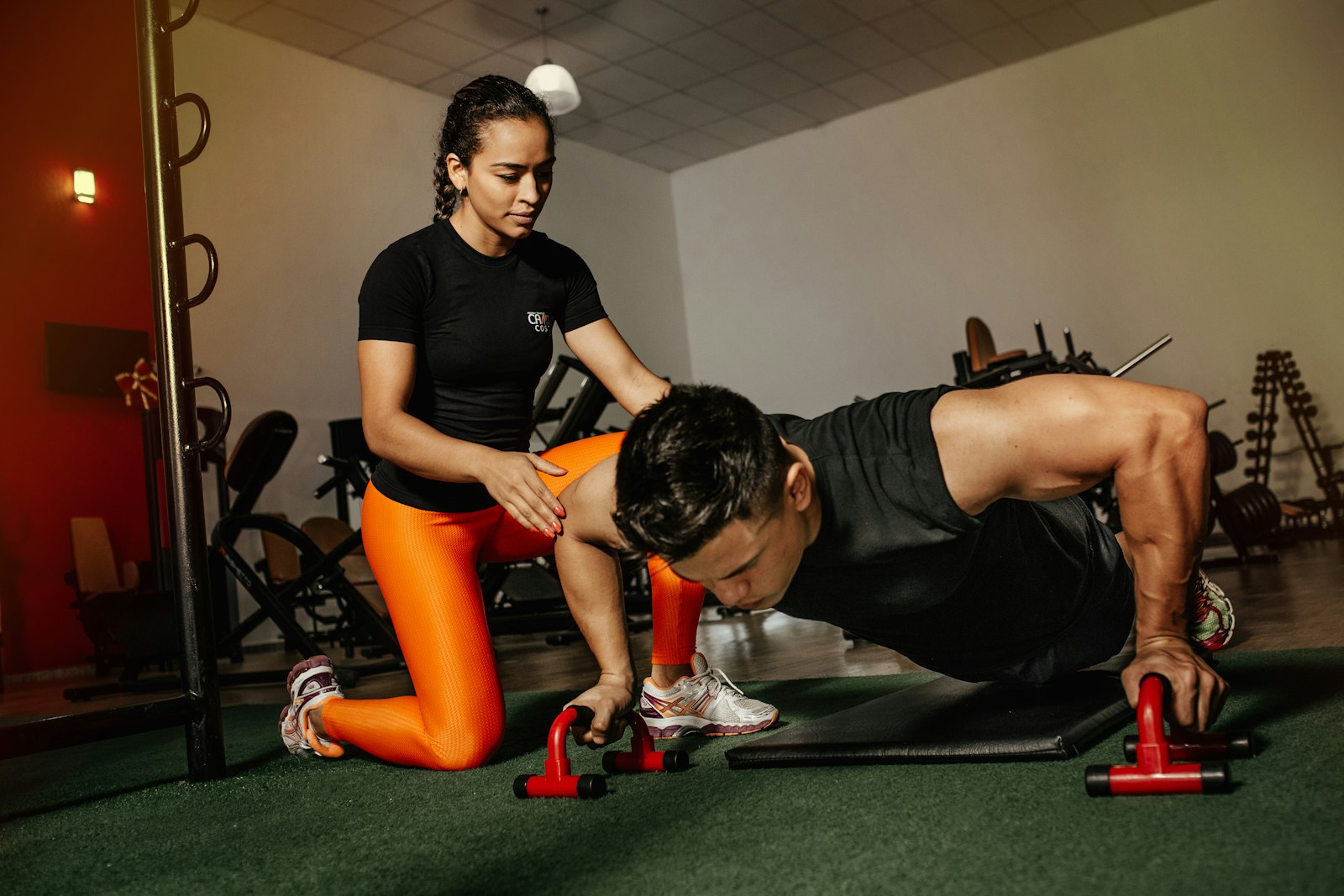
Functional fitness training has revolutionized how Dubai's professionals, athletes, and fitness enthusiasts build practical, real-world strength. Unlike traditional gym training that isolates individual muscles, functional fitness trains your body as an integrated system mimicking real-life movements that translate directly to everyday activities, sports performance, and injury prevention. This comprehensive guide explores everything you need to know about functional fitness in Dubai, from understanding the core principles to finding the best coaches, gyms, and programmes suited to your goals.
What is Functional Fitness Training? Why It's Perfect for Dubai
Functional fitness training is an approach to exercise that emphasises movements and patterns used in daily life, sports, and work. Rather than isolating individual muscles on a machine, functional training develops strength, stability, and mobility in movement patterns bending, squatting, pushing, pulling, rotating, and carrying. The goal is practical strength that enhances your ability to perform real-world tasks with efficiency and reduced injury risk.
Dubai's fitness culture has embraced functional fitness because it directly addresses the lifestyle demands of modern professionals. Whether you're dealing with long hours at a desk, carrying luggage through airports, playing recreational sports, or building resilience for active living, functional fitness trains your body for practical application. The approach is particularly effective in Dubai's competitive fitness environment where professionals want measurable performance improvements, not just aesthetic changes.
Functional training typically incorporates compound movements (exercises using multiple joints and muscle groups), unstable surfaces, variable loading patterns, and real-world movement patterns. Common functional training modalities include CrossFit, suspension training (TRX), kettle bell training, medicine ball work, plyometrics, and functional movement screening assessments. Dubai's gyms now offer dedicated functional fitness zones with appropriate equipment from functional rigs to cable stations designed for multi-planar movement.
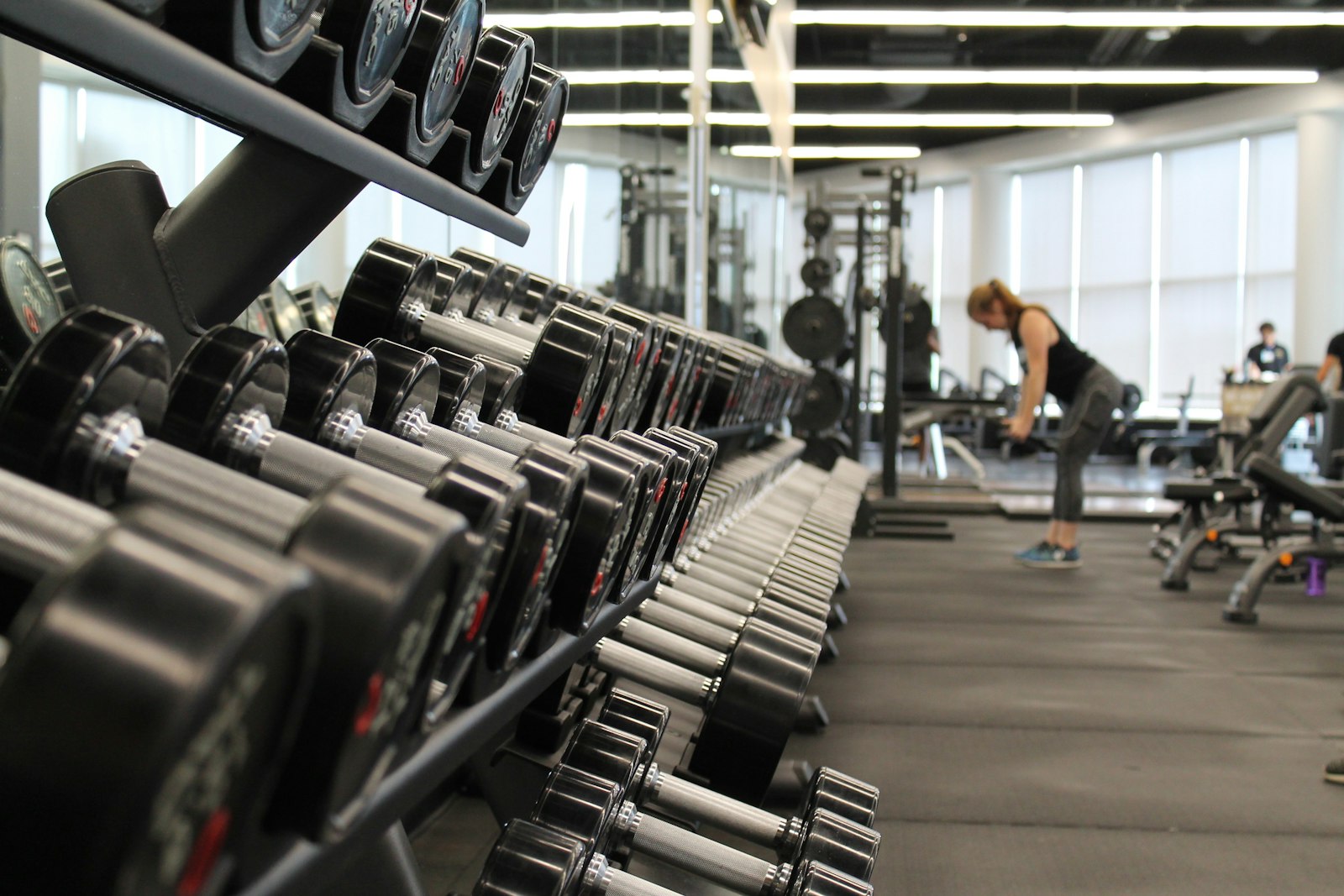
Benefits of Functional Training for Dubai Residents and Expats
1. Real-World Strength Transfer: Functional training builds strength that directly translates to daily activities. You develop the ability to lift heavy objects safely, maintain posture during long work days, and prevent common injuries like lower back pain a significant issue for office-based workers in Dubai.
2. Injury Prevention and Resilience: By training movement patterns rather than isolated muscles, functional fitness strengthens stabilising muscles, improves joint stability, and corrects movement imbalances. This dramatically reduces injury risk, particularly important in Dubai's competitive professional environment where time away from work is costly.
3. Time Efficiency: Functional training sessions deliver maximum results in minimum time. Compound movements elevate heart rate while building strength you get cardiovascular and strength benefits simultaneously. For Dubai's busy professionals, this efficiency is invaluable. A 45-minute functional training session provides conditioning and strength gains that might take 90 minutes of traditional gym training.
4. Improved Athletic Performance: Whether you play tennis, football, cricket, or paddle tennis (hugely popular in Dubai), functional training enhances sport-specific movement patterns, power, agility, and coordination. Many of Dubai's amateur and semi-professional athletes use functional training to gain competitive advantage.
5. Metabolic Conditioning: Functional training sessions elevate metabolic rate for hours post-exercise, supporting fat loss goals. The combination of strength work and cardiovascular demands creates an ideal metabolic environment for body composition improvement crucial in Dubai's health-conscious culture.
6. Mental Resilience and Community: Functional training often involves challenge-based workouts that build mental toughness. Group functional training classes create strong community bonds something particularly valuable for Dubai's expatriate population who may feel isolated.
- 25+ dedicated functional fitness gyms and CrossFit boxes across Dubai
- 300+ functional fitness coaches available through GetFitDXB
- Fastest growing fitness segment in Dubai over the past 3 years
- 65% of functional fitness participants are expats from 40+ countries
- Average functional training class size: 8-15 people for optimal coaching
Best Functional Fitness Gyms in Dubai
Dubai offers exceptional functional fitness facilities catering to all levels, from complete beginners to elite athletes. Here are the city's premier functional fitness destinations:
F45 Training (Multiple Locations): F45 specialises in functional, team-based training using innovative functional training equipment. Their 45-minute classes combine strength and cardio in a functional movement pattern. Classes rotate through different modalities weekly, preventing adaptation and plateaus. Memberships range with various class packages available. F45 locations in Marina, Downtown, and Dubai Hills are particularly popular with corporate professionals.
CrossFit Boxes Across Dubai: Over 15 dedicated CrossFit boxes operate throughout Dubai, each offering community-focused functional training. Popular boxes include CrossFit Stronghold (Al Quoz), CrossFit Dubai (Dubai Marina), and CrossFit Al Baraka (International City). Individual classes with monthly unlimited memberships CrossFit boxes are ideal if you want competitive programming, community, and strength-focused training.
GymNation Functional Zones: GymNation, Dubai's leading gym chain with 8 locations, operates dedicated functional fitness areas featuring functional rigs, suspension trainers, kettle bells, medicine balls, and battle ropes. GymNation memberships provide access to functional zones plus traditional equipment. This is an excellent option if you want flexibility to combine functional training with conventional strength work.
NAS Sports Club: NAS operates premium facilities in Dubai Hills Estate and DIFC with exceptional functional fitness areas. Their coaching staff includes internationally certified functional training specialists. NAS memberships range monthly and include group functional classes. NAS attracts serious athletes and fitness enthusiasts seeking premium facilities with expert coaching.
Metroflex Dubai: Located in Al Quoz, Metroflex combines functional training equipment with powerlifting facilities. Their approach integrates functional movement patterns with strength development. Popular with athletes training for functional fitness competitions and strength sports. Membership monthly with excellent coaching support.
Boutique Functional Studios: Specialised studios like XTEND Barre (functional flexibility), Lagree Studios (functional core strengthening), and various functional movement studios provide focused, modality-specific training. These typically with package discounts available.
Find a Functional Training Coach in Dubai
Discover 300+ certified functional fitness coaches across all Dubai areas. Get personalised guidance, small-group training, or private coaching for optimal results.
Functional Training Exercises: The Core Movements
Functional fitness emphasises movement patterns rather than individual exercises. Here are the essential functional movement patterns and exercises that form the foundation of effective programming:
Squat Pattern: Variations include goblet squats, kettle bell front squats, and bodyweight pistol squat progressions. Squatting strengthens lower body, improves knee and hip health, and enhances mobility. Critical for daily tasks like sitting, standing, and lifting from ground level.
Hinge Pattern: Deadlifts, kettle bell swings, and medicine ball slams. Hip hinging strengthens the posterior chain, improves posture, and protects the lower back essential for anyone spending hours at a desk.
Pushing Pattern: Push-ups, overhead presses, and landmine presses. Pushing movements build upper body and core strength, essential for pressing, throwing, and pushing activities in daily life.
Pulling Pattern: Pull-ups, suspension trainer rows, and kettle bell high pulls. Pulling strengthens the back, improves posture, and balances pushing movements.
Rotation and Anti-Rotation: Pallof presses, rotational medicine ball slams, and Sled push variations. Rotational training improves core stability and power essential for sports and functional movement.
Loaded Carries: Farmer's carries, overhead carries, and suitcase carries with dumbbells or kettle bells. Carries build real-world strength and core stability directly applicable to carrying groceries, luggage, and work equipment.
Explosive Movements: Box jumps, medicine ball throws, and kettle bell swings. Explosive work develops power, which is crucial for athletic performance, injury prevention, and functional capability as you age.

Functional Fitness vs Traditional Gym Training: Key Differences
Movement Approach: Traditional gym training isolates individual muscles using machines and controlled movements. Functional training develops integrated movement patterns. A traditional approach might isolate the leg press machine; functional training uses barbell squats, kettle bell squats, and loaded carries all recruiting multiple muscle groups and stabilising muscles simultaneously.
Stability and Control: Traditional training often uses machines that stabilise movement. Functional training frequently employs unstable surfaces, variable loading, and unilateral (single-side) movements requiring greater stabilisation. This recruits more muscle fibres and develops real-world applicable strength.
Time Efficiency: Functional training typically requires less total training volume to produce results because exercises are more demanding and recruit more muscle simultaneously. A 45-minute functional session might produce equivalent or superior results to 90 minutes of traditional training.
Injury Risk vs Prevention: Poorly executed functional training carries higher injury risk than isolated machine work particularly important to work with qualified coaches initially. However, when programmed correctly, functional training reduces injury risk more effectively than traditional training by strengthening stabilising muscles and movement quality.
Results Profile: Traditional training excels at building isolated muscle size and strength. Functional training produces balanced strength, improved body composition, enhanced athletic performance, and reduced injury risk. For Dubai residents seeking practical strength and health benefits, functional training typically delivers superior outcomes.
Finding a Functional Fitness Coach in Dubai
Working with a qualified functional fitness coach accelerates results and minimises injury risk. Look for coaches with these qualifications:
Relevant Certifications: ACE (American Council on Exercise), ISSF (International Sport Sciences Federation), NASM-CES (Corrective Exercise Specialisation), CrossFit Level 1+, StrongFirst Kettlebell certifications, or TRX certifications. Verify credentials on the certifying body's website unfortunately, unverified qualifications exist in Dubai's fitness market.
Movement Assessment Capability: Qualified coaches perform functional movement screening or similar assessments to identify movement limitations and imbalances. This informs individualised programming. Request to see assessment protocols before committing.
Experience with Your Goals: If training for weight loss, seek coaches with proven track records in body composition transformation. If training for sport, seek sport-specific functional training experts. If dealing with injury or rehabilitation, seek coaches trained in movement rehabilitation.
Communication and Education: Quality coaches educate you about movements, explain WHY certain exercises are prescribed, and progress you systematically. Avoid coaches who simply shout commands or fail to explain programming logic.
Professional Insurance: Reputable coaches carry professional liability insurance. This protects both you and the coach and indicates professional standing.
- What relevant certifications do you hold? (Ask to see them)
- How do you assess movement limitations and design personalised programmes?
- What's your experience with [your specific goal]?
- How do you progress clients systematically and track progress?
- Can you provide references from past clients?
- What's your approach to injury prevention and working with limitations?
Functional Training for Weight Loss and Performance in Dubai's Heat
Dubai's extreme heat (often exceeding 45°C May-September) significantly impacts training. Functional fitness offers advantages in this environment:
Metabolic Advantage: Functional training's high muscle recruitment elevates metabolic rate far more effectively than steady-state cardio. A 45-minute functional session burns 400-600 calories while simultaneously building muscle. This combination is ideal for fat loss you lose fat while preserving muscle mass, producing superior body composition outcomes compared to cardio-only approaches.
Heat Management: Air-conditioned functional fitness studios allow year-round training during summer months. Most functional gyms in Dubai maintain climate-controlled environments essential for safety during extreme heat. Early morning and evening training sessions are ideal (5-7am or 7-9pm) to minimise heat stress.
Hydration Strategy: Functional training sessions demand careful hydration. Drink 500-750ml water 2-3 hours pre-training, sip 150-250ml every 15-20 minutes during training (in Dubai's heat), and drink 150% of water lost post-training over the following 4 hours. Many Dubai functional fitness studios provide electrolyte solutions worthwhile investment for extended sessions.
Ramadan Considerations: Many Dubai residents train during Ramadan. Functional training can be modified for fasted training, though intensity typically drops. Train during early morning (pre-dawn) or after iftar (sunset meal). Consult coaches familiar with Ramadan training modifications.

How to Programme Functional Fitness Training (Beginner to Advanced)
Beginner Programming (Weeks 1-8): Focus on movement quality and foundational patterns. Train 3 days weekly with 1-2 days between sessions. Include 5-10 minute warm-up emphasising mobility and movement preparation. Perform 3-5 fundamental movement patterns: squat variation, hinge variation, push variation, pull variation, and carry variation. Use moderate loads (relative to your capability) and focus on perfect technique. Include 10-15 minutes of core work and conditioning. Session duration: 45-60 minutes.
Intermediate Programming (Weeks 9-24): Increase frequency to 4 days weekly. Introduce more challenging variations and higher loads. Implement structured periodisation rotating between strength emphasis (5-6 reps), hypertrophy emphasis (8-12 reps), and power emphasis (3-5 explosive reps). Include sport-specific or goal-specific conditioning. Session duration: 60-75 minutes.
Advanced Programming (Beyond 24 weeks): Individuals comfortable with fundamental patterns can join group classes or follow competition-oriented programming. Advanced training includes Olympic lift variations, complex competition movements, and high-intensity conditioning. Most participants at this level train 5-6 days weekly with programmed recovery.
| Training Option | Format | Ideal For |
|---|---|---|
| Group Functional Classes | Structured, coach-led group sessions | Community-motivated learners |
| Small Group Training (4-6 people) | Personalised coaching with group cost-sharing | Better coaching attention than large groups |
| Semi-Private Training (1-2 people) | Highly personalised with individual attention | Maximum customisation and progression |
| Private Personal Training | One-to-one coaching, movement assessment, custom programming | Serious competitors, rehabilitation, advanced athletes |
| Gym Membership + Self-Programming | Access to equipment, self-directed training | Budget-conscious, experienced trainees |
Browse CrossFit & Functional Classes in Dubai
Explore dedicated functional fitness programmes from beginner fundamentals to advanced competition-level training.
Cost of Functional Fitness Classes in Dubai
Functional fitness pricing in Dubai varies significantly based on format, coach qualifications, location, and facility quality:
Group Classes: Standard group functional fitness classes at most Dubai gyms. Monthly unlimited group training memberships typically range depending on facility quality and coach expertise.
CrossFit Box Classes: Dedicated CrossFit boxes generally -in class, with monthly unlimited memberships Premium boxes in high-demand areas (Dubai Marina, Downtown, DIFC) may exceed these ranges. Most boxes offer beginner fundamentals programmes (4-week onboarding)
Semi-Private Functional Training: 2-3 person training with a coach per session. Monthly commitments (8-12 sessions) bring costs to monthly expensive but provides personalised coaching not available in large groups.
Private Functional Fitness Coaching: One-to-one functional fitness coaching with qualified professionals ranges. Monthly packages (8-16 sessions) depending on coach credentials, experience, and whether movement assessment and custom programming are included. Elite coaches working with professional athletes may charge premium rates.
Bootcamp-Style Functional Training: Outdoor or studio-based bootcamps (Dubai Dunes, marina locations, parks) typically with batch discounts. Popular for budget-conscious training with community atmosphere.
Frequently Asked Questions
Absolutely. Functional fitness is ideal for beginners because it teaches efficient movement patterns that translate directly to daily life. The key is starting with qualified coaching that emphasises movement quality over load. Most functional fitness gyms offer beginner fundamentals programmes specifically designed for newcomers.
Yes, functional fitness can be modified for most limitations. Work with a coach experienced in movement rehabilitation and corrective exercise. They'll assess your limitations, modify movements appropriately, and progress you systematically. Many people find functional training helps rehabilitate injuries by strengthening stabilising muscles and correcting movement patterns that contributed to initial injury.
Beginners should start with 3 sessions weekly with at least one rest day between sessions. This allows adequate stimulus for adaptation while providing sufficient recovery. As you progress, frequency can increase to 4-5 sessions weekly. Listen to your body excessive soreness or fatigue indicates need for additional recovery.
Properly programmed functional fitness creates balanced strength and musculature because it trains multiple planes of motion and emphasises symmetrical development. Well-designed programmes include unilateral movements preventing dominance in one limb. You won't develop excessive bulk unless specifically training for hypertrophy with high volume and high calories.
Functional fitness is a broad training approach emphasising real-world movement patterns. CrossFit is one specific functional fitness methodology combining gymnastics, weightlifting, and metabolic conditioning in branded programming. All CrossFit is functional fitness, but not all functional fitness is CrossFit. You can pursue functional fitness through F45 Training, boutique studios, or traditional gyms with functional zones without joining a CrossFit box.
Related Articles You Should Read: