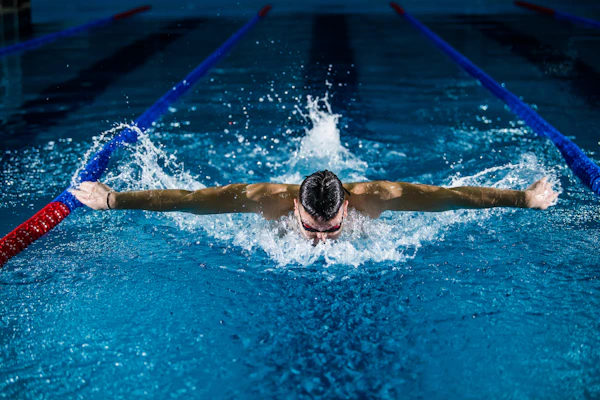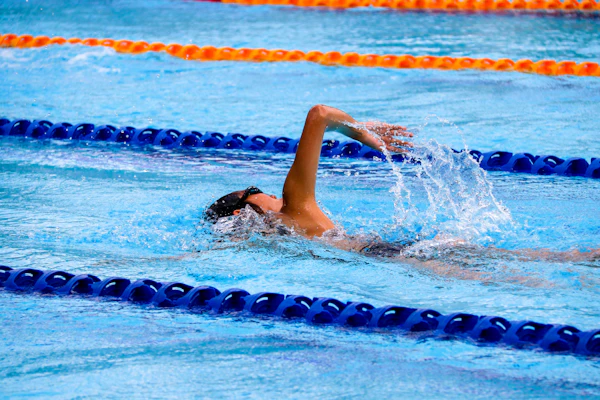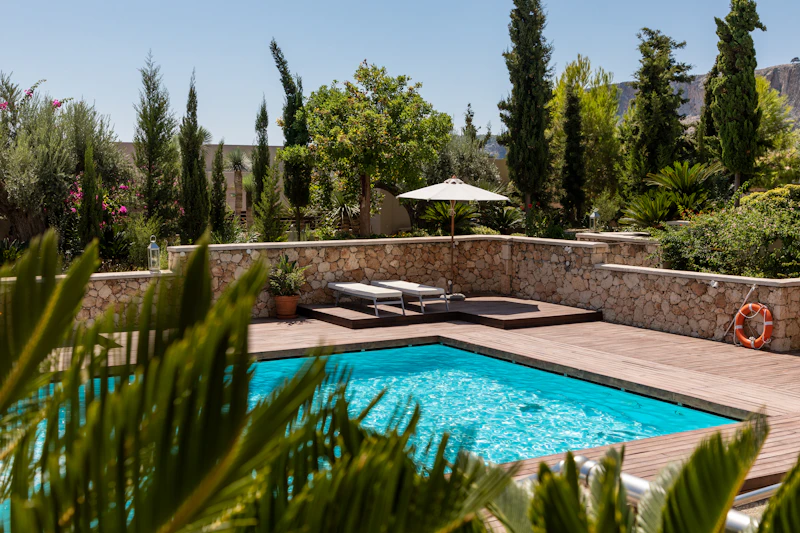
Swimming instruction for children in Dubai is fundamentally about water safety and lifelong confidence in and around water. Living in a city with world-class pool facilities, hotel beach clubs, and direct coastline access, every Dubai child benefits immensely from early, consistent swimming instruction that emphasizes survival skills alongside stroke development. This comprehensive guide covers age-appropriate progression, major swimming academies and programmes, how to evaluate instructors, safety standards to expect, special considerations for children with specific needs, and realistic costs. For the broader context of swimming in Dubai, start with our complete swimming guide, then use this guide to select the right programme for your child.
Table of Contents
- Why Swimming is a Life Safety Skill in Dubai for Children
- What Age to Start Swimming Lessons
- Dubai's Stage-Based Swim Learning Framework
- Best Swimming Academies for Kids in Dubai
- Private vs Group Kids Swimming Lessons
- What to Look for in a Children's Swimming Instructor
- Safety Standards and Child Protection
- Swimming for Special Needs Children in Dubai
- Costs and What's Included
- Frequently Asked Questions
Why Swimming is a Life Safety Skill in Dubai for Children
Dubai's geographic and cultural relationship with water makes swimming not merely a fitness activity or recreational skill, but a genuine safety competency. The emirate features extensive coastline, countless hotel and community pools, water parks, and water sports activities. The UAE's historical drowning statistics, though improving, underscore the critical importance of early swimming instruction. Unlike children in landlocked regions where swimming is optional, Dubai's children benefit profoundly from water confidence and fundamental survival skills.
Early, consistent swimming instruction builds cognitive pathways for water safety that persist into adulthood. A child who learns to swim confidently at age 4, with proper instruction emphasizing both strokes and water safety, develops neurological patterns that translate into genuine confidence and safety around water for life. This is not simply about being able to swim a length — it's about recognizing hazards, understanding personal limitations, responding appropriately to water emergencies, and maintaining calm in aquatic situations.
Survival swimming elements every Dubai child should develop: breath control (controlled breathing rather than panic breathing), floating ability (survival float capacity), entry and exit safety, water awareness and hazard recognition, response to unexpected water situations, and confidence rather than fear around water environments.
What Age to Start Swimming Lessons
Ages 6 months to 2 years (Water familiarization): Parent-and-baby water classes introducing water comfort, water in face tolerance, basic water entry, and parent-infant safety. Formal swimming instruction isn't realistic at this age — the focus is purely familiarization and building positive water associations.
Ages 3–4 (Foundation swimming): Formal, structured swimming instruction becomes effective when children can follow simple instructions consistently. Group classes work well for social learners; private lessons suit children who need more one-on-one attention or those with mild water anxiety.
Ages 5–7 (Intermediate swimming): Children at this age develop the physical coordination and focus for genuine stroke instruction. Classes transition from water safety focus to stroke development (freestyle, backstroke, breaststroke). By age 6–7, most children progress from struggling with coordination to developing recognizable strokes.
Ages 8+ (Advanced swimming and specialization): Children can pursue competitive swimming, water polo, diving, or fitness swimming. Instruction at this stage assumes solid foundational skills and focuses on performance and specialization.
For Dubai specifically, experts recommend beginning formal swim instruction by age 4 at the latest. Earlier is often beneficial; later is unnecessarily delayed given the water-centric environment. The exact starting age matters less than consistent, early instruction that emphasizes water safety alongside stroke development.
Dubai's Stage-Based Swim Learning Framework
Most reputable Dubai swimming academies follow a stage-based progression framework, ensuring consistent skill development across instructors and facilities. The exact stage names vary slightly, but the progression is consistent:
Stage 1 (Water Familiarization): Water entry safety, breath control in water, floating with support, basic propulsion with assistance. Child may not yet swim independently but can tolerate water on face and understands basic water orientation.
Stage 2 (Foundation Swimming): Floating without support (floating on back and front), basic propulsion (with kickboard), partial freestyle strokes with support, improved breath control. Typical age: 3–5 years.
Stage 3 (Intermediate Swimming): Independent freestyle swimming 25 meters with acceptable technique, backstroke basics, improved water confidence and safety awareness. Typical age: 5–7 years.
Stage 4 (Advanced Swimming): Proficient freestyle and backstroke, introduction of breaststroke and butterfly basics, continuous swimming capacity (multiple pool lengths), improved stamina. Typical age: 7–10 years.
Stage 5 (Competitive/Performance): Polished technique across all four strokes, competitive swimming training, water polo or diving specialization. Typical age: 10+ years.
Progression timelines vary significantly based on starting age, instruction consistency, and individual development. A 3-year-old may take 12–18 months to progress from Stage 1 to Stage 3. An 7-year-old might progress through Stages 1–3 in 6 months. No universal timeline applies — coaches assess each child individually.
Best Swimming Academies for Kids in Dubai
Dubai offers numerous swimming academies and programmes ranging from small independent coach groups to large institutional facilities. Here are the primary categories:
Government sports complexes with swim academies: Hamdan Sports Complex (Nad Al Sheba), NAS Sports Complex (Oud Metha), Dubai Sports City, and Al Nasr Leisureland all offer structured kids swimming programmes. Cost: AED 50–150 per group session. Quality is typically very strong with international-standard facilities and certified instructors.
Luxury hotel swim schools: Major hotels (Jumeirah, Marriott, W Dubai) and beach clubs operate swim schools for both resident and non-resident children. Cost: AED 200–400 per private lesson or AED 150–250 per group class. These offer premium pool facilities, often beautiful environments, and flexible scheduling for working parents.
Independent swim schools and coaching groups: Small to medium-sized facilities specializing in swimming instruction, often located near popular residential areas. Cost: AED 100–200 per group class or AED 150–250 per private lesson. Quality varies — research instructor qualifications and read reviews carefully.
Community and residential complex pools: Many residential communities (Emaar communities, Damac, etc.) have pools with swim programmes for residents. Cost: Often included in residential amenities or AED 50–100 per session. Quality depends on the specific community.
The "best" academy for your child depends on your location, learning style preferences, budget, and schedule flexibility. A government sports complex may offer better value with equally strong instruction compared to a luxury hotel programme. The critical factors are: certified instructors, clear progression framework, appropriate class sizes (maximum 6–8 children per instructor for beginners), and visible safety protocols.
Private vs Group Kids Swimming Lessons
Group lessons (AED 80–180 per session): Advantages include lower cost per child, social learning environment, peer motivation, and exposure to different children and learning styles. Most children enjoy the social element and benefit from watching and learning from peers. Group lessons also normalize swimming as a social, enjoyable activity rather than one-on-one skill practice.
Disadvantages include slower individual progression since the instructor must manage multiple children, potentially less patience with anxious children who need individualized reassurance, and inflexible scheduling since group lessons run on fixed timetables.
Private lessons (AED 150–300 per session): Advantages include rapid progression, customized instruction matched exactly to the child's pace and learning style, immediate correction of technique errors, and flexible scheduling. Private lessons are particularly valuable for children with significant water anxiety, those with developmental delays who benefit from one-on-one attention, or children with specific learning styles that don't thrive in groups.
Disadvantages include higher cost and potential over-reliance on the instructor. Some children benefit psychologically from group environments and lose motivation in purely private lessons.
Hybrid approach: Many families benefit from starting with 6–10 private lessons for foundational skill-building and confidence, then transitioning to group lessons for ongoing practice. This maximizes progression while managing cost.
What to Look for in a Children's Swimming Instructor
The difference between an excellent and mediocre children's swimming instructor is profound. Look for these qualities:
Formal qualifications: RLSS or STA Level 1 minimum; RLSS/STA Level 2+ indicates advanced experience. Ask directly about credentials and request verification.
Specific experience teaching children: Don't assume an adult coach can teach children effectively — they're fundamentally different. A strong children's coach has demonstrated experience with multiple children across age ranges.
Water safety focus: The instructor explicitly discusses water safety, not just strokes. Do they teach breath control, floating survival, water awareness? Or just swimming strokes?
Patience and emotional intelligence: A great children's coach recognizes water anxiety, celebrates small progress, creates safe failure environments where kids can attempt new skills without fear, and adjusts pace based on individual child responses.
Clear communication with parents: Does the coach explain your child's progression clearly? Can they identify specific areas needing focus? Do they provide home practice suggestions?
Child protection training: The instructor should have current background checks, child protection training, and clear safeguarding policies. This is non-negotiable.
Safety Standards and Child Protection
Reputable swimming academies maintain clear safety and child protection protocols. Look for these markers:
Lifeguard coverage: Qualified lifeguards present and actively monitoring during all classes, not just in the facility.
Age-appropriate class sizes: Maximum 6–8 children per instructor for beginners; slightly larger for advanced groups. Never more than one instructor per group except for water safety assessments.
Clear supervision policies: Who handles pick-up and drop-off? Are children supervised during transitions? What's the policy if a parent is late?
Instructor qualifications: Current CPR/first aid certification, child protection training, and water safety certifications. Ask to verify these.
Transparent facility safety: Visible safety equipment, clear shallow/deep end demarcation, appropriate entry/exit facilities, and obvious emergency procedures.
Parent communication: Regular updates on progress, immediate communication if concerns arise, openness to parent observation when appropriate.
A facility that makes you feel uncertain about any of these elements should be avoided, regardless of facility quality or coach credentials.
Swimming for Special Needs Children in Dubai
Swimming is exceptionally beneficial for children with physical disabilities, developmental delays, autism spectrum condition, and other special needs. The water's buoyancy provides unique learning opportunities unavailable on land. Several Dubai coaches and facilities specialize in adaptive swimming for children with special needs.
What to look for: Coaches should have specific adaptive swimming training, experience working with the child's particular condition, parent collaboration throughout the learning process, realistic expectations about progression timelines, and willingness to modify instruction dramatically based on the child's specific capabilities and needs.
Many children with special needs progress slower than typically developing children, which is completely normal and expected. The focus shifts to meaningful skill development within the child's specific capacities rather than comparing to age-matched peers. An excellent adaptive swimming coach celebrates progress that might seem minimal in absolute terms but represents significant development for that individual child.
Costs and What's Included
| Programme Type | Cost Range (AED) | Session Length | Best For |
|---|---|---|---|
| Government complex group (6+ children) | 50–100 | 45 min | Budget-conscious families |
| Academy group class (4–6 children) | 100–150 | 60 min | Structured progression |
| Private lesson (independent coach) | 120–180 | 60 min | Fast progression, anxious children |
| Private lesson (hotel facility) | 200–350 | 60 min | Premium experience, luxury environment |
| Monthly academy programme (2x/week) | 400–800 | 8–10 sessions | Structured, progressive learning |
| Semi-private (2–3 siblings) | 90–150 per child | 60 min | Family learning, cost savings |
What's typically included: Instruction time with qualified coach, basic facility access (changing rooms, showers), progress tracking and assessment, and communication with parents. Some academies include a uniform or swim school t-shirt.
What's typically NOT included: Swimming gear (goggles, cap, swimsuit — budget AED 150–300 for quality gear), pool day passes if practising independently between lessons, transportation, or parking.
Find a Kids Swimming Programme in Dubai
Browse certified swimming coaches and academies offering kids lessons, read verified parent reviews, and book your child's first lesson.