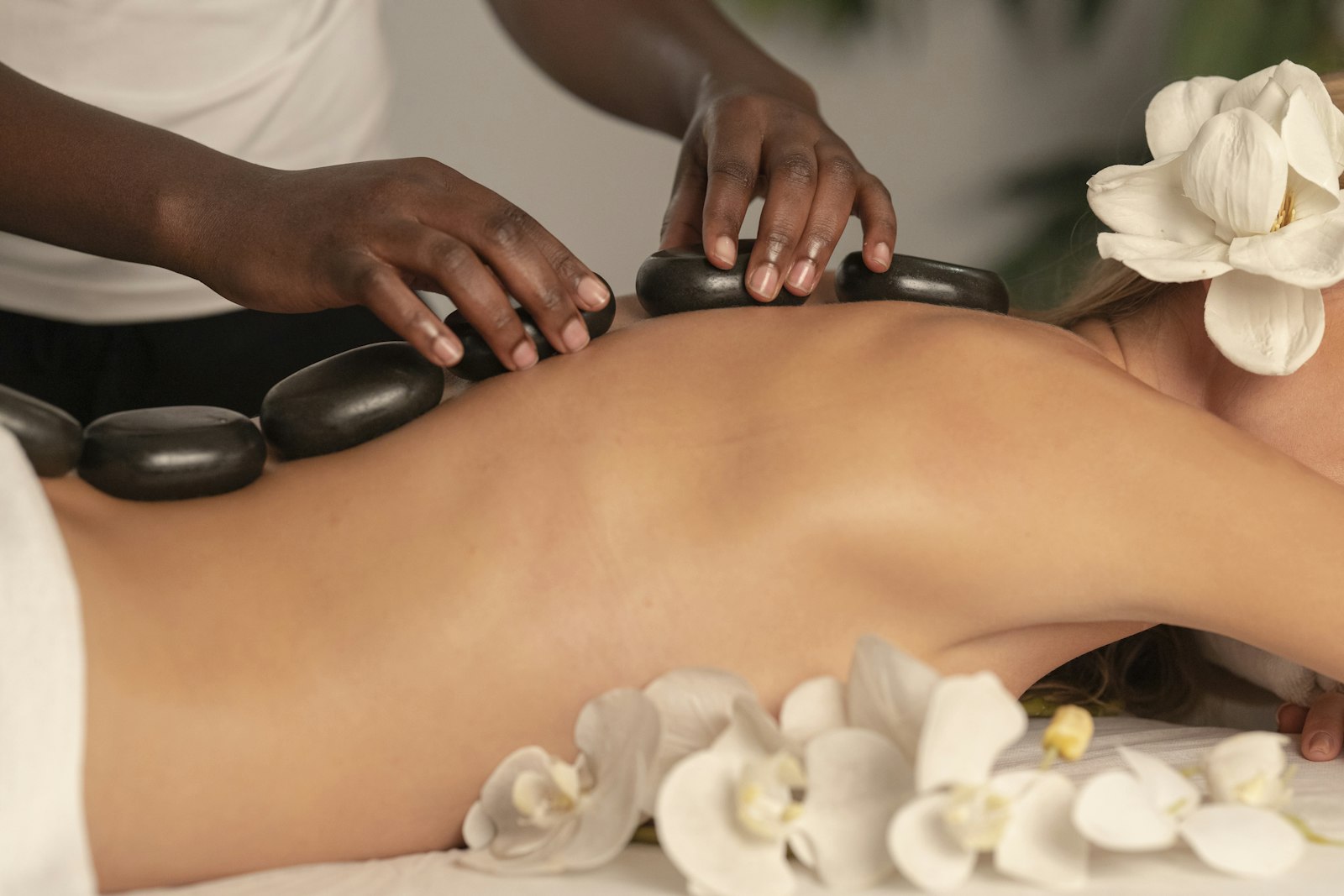
Massage therapy is one of the most underrated tools in a serious training routine — and in Dubai, where long desk hours, heavy gym sessions and travel stack up tension fast, it earns its place in the week. The two types most relevant to active people are sports massage (performance and recovery focused, applied around training) and deep tissue massage (firm, targeted work on chronic muscle tension and knots). Dubai has an enormous range of providers, from clinical sports-massage therapists inside physiotherapy centres to dedicated wellness spas. The trick is matching the right type and the right therapist to what you actually need. After 25 years of training, I treat regular deep-tissue work as maintenance, not a luxury. Here's how to choose well, what it costs, and when it helps.
For training recovery in Dubai, book sports or deep-tissue massage with a qualified therapist — clinical settings (physio centres) for injury-adjacent work, reputable spas for general recovery and relaxation. Time hard deep-tissue work away from competition or heavy sessions, and hydrate well afterwards.
Sports vs deep tissue — and the rest
Sports massage is tailored to training: pre-event work to prepare muscles, post-event and maintenance work to aid recovery, mobility and injury prevention. Deep tissue massage uses slow, firm pressure to release chronic tension in deeper muscle layers — ideal for desk-bound stiffness and stubborn knots. Other useful modalities include lymphatic drainage for fluid and recovery, and trigger-point or remedial work for specific problem areas. If your tension is injury-related rather than general, a sports-physio-led approach is often better — see our sports physiotherapy in Dubai guide.
Where to get a good massage in Dubai
Dubai's providers fall into two broad camps. Clinical settings — physiotherapy and sports-medicine centres such as Anatomy Rehab, the Scandinavian Physiotherapy Center and Kinesis Clinic — offer sports and deep-tissue massage delivered by therapists who understand training loads and injuries, which is ideal when your tension borders on a niggle. Wellness and spa settings — established names like Yinyang Spa (multiple branches), Optimal Therapy and many hotel and standalone spas — are strong for regular recovery and relaxation at a range of price points. For our shortlist of standout practitioners, see the best massage therapists in Dubai roundup and our dedicated sports massage guide. [CONFIRM: provider locations and therapist qualifications before publishing as endorsements.]
How to choose a therapist
Prioritise qualifications and licensing — DHA-licensed therapists in regulated clinics or reputable spas, with recognised massage-therapy training. For sports and deep-tissue work specifically, ask about the therapist's experience with athletes and their pressure range; "deep tissue" should mean genuine, controlled depth, not just hard. Read recent reviews, and for anything injury-adjacent, favour a clinical setting. Communicate clearly during the session about pressure and problem areas — a good therapist adjusts to you.
Typical costs (2026 estimates)
Treat the figures below as 2026 estimates for budgeting; prices vary widely between spas and clinics. Confirm current rates, session lengths and any insurance coverage directly with the provider.
| Service | Indicative 2026 price (AED) |
|---|---|
| Deep tissue / sports massage (60 min, spa) | ~250–500 |
| Deep tissue / sports massage (60 min, clinic) | ~350–600 |
| 90-minute session | ~400–800 |
| Package of sessions | Often discounted vs single bookings |
Clinic-based massage tied to physiotherapy may be partly insurance-reimbursable with a referral. For how recovery spending fits the bigger picture, see the Dubai Gym Price Index 2026, and for tools you can use at home between sessions, our massage gun and recovery tools guide.
When massage helps — and when it doesn't
Regular sports or deep-tissue massage helps with muscle tightness, training recovery, stress and general mobility, and many athletes schedule it weekly or fortnightly as maintenance. Time deep, intense work away from competition and your heaviest sessions — go light in the 48 hours before an event. Massage is not a substitute for diagnosis: if you have sharp joint pain, swelling, numbness, a suspected tear or any acute injury, see a sports physiotherapist or doctor first rather than booking a massage. Stay well hydrated afterwards, which matters all the more in Dubai's climate.
What the evidence actually supports
It's worth being honest about what massage does and doesn't do. The strongest, most consistent benefits are short-term: reduced muscle tension and stiffness, improved perceived recovery, lower stress and better sleep, and a temporary increase in range of movement. These are real and valuable, especially when training loads are high. Claims that massage "flushes out toxins" or permanently changes muscle structure are overstated — the value is in tension relief, recovery support and how much better you feel and move afterwards, not in detox myths. Used consistently alongside good sleep, hydration and sensible training, it's a genuine recovery aid. For other evidence-led recovery tools, see our guides to cryotherapy and ice baths and compression therapy in Dubai.
Between sessions: self-massage and tools
You don't need a therapist every week to benefit from soft-tissue work. A foam roller, a lacrosse or massage ball, and a percussion device cover most maintenance needs at home for a one-off cost, letting you target tight calves, glutes, lats and upper back between professional sessions. Treat these as complements, not replacements — a skilled therapist reads your tissue and adjusts in ways a tool can't. Our massage gun and recovery tools guide covers what's worth buying and how to use it safely (avoid percussion directly on joints, bone and acute injuries).
The verdict
Massage therapy is a genuinely valuable part of an active life in Dubai, and the city's choice is vast — the skill is matching the setting and therapist to the job. Use clinical sports-massage providers for training- and injury-adjacent work, reputable spas for regular recovery, and build it into your routine as maintenance rather than a one-off treat. Confirm qualifications, pricing and any insurance coverage before booking, and see a clinician first for anything that looks like a real injury rather than ordinary tightness.
Frequently Asked Questions
What's the difference between sports and deep tissue massage?
Sports massage is tailored to training — preparing muscles before activity and aiding recovery and injury prevention afterwards. Deep tissue massage uses slow, firm pressure to release chronic tension in deeper muscle layers. Both suit active people; the choice depends on whether your goal is performance or releasing stubborn tightness.
Where can I get a good sports massage in Dubai?
Clinical settings like physiotherapy and sports-medicine centres (for example Anatomy Rehab, Scandinavian Physiotherapy Center and Kinesis Clinic) suit injury-adjacent work, while reputable spas such as Yinyang Spa and Optimal Therapy are strong for regular recovery. Confirm therapist qualifications before booking.
How much does a massage cost in Dubai?
As 2026 estimates, a 60-minute deep-tissue or sports massage runs roughly AED 250–500 at a spa and AED 350–600 at a clinic, with 90-minute sessions higher and packages often discounted. Prices vary widely, so confirm current rates with the provider.
How often should I get a sports massage?
Many active people book sports or deep-tissue massage weekly or fortnightly as maintenance. Time deep, intense work away from competitions and your heaviest sessions — keep it light in the 48 hours before an event — and hydrate well afterwards.
Is massage therapy covered by insurance in Dubai?
Clinic-based massage delivered as part of physiotherapy may be partly reimbursable under UAE health insurance with a referral, while spa massage generally is not. Coverage varies by policy, so check with your insurer and the clinic beforehand.
Should I get a massage or see a physiotherapist?
For general muscle tightness, recovery and stress, massage is ideal. But for sharp joint pain, swelling, numbness, a suspected tear or any acute injury, see a sports physiotherapist or doctor first — massage is not a substitute for proper diagnosis and rehab.