Home / Blog / Muscle Building & Bulking in Dubai
Building muscle in Dubai requires more than just lifting heavy weights you need a strategic approach combining progressive overload training, calorie surplus nutrition, and smart recovery. Whether you're completely new to strength training or a seasoned lifter looking to optimize your bulk, this comprehensive guide reveals the science and practical strategies used by Dubai's top body builders and physique athletes. Learn the exact difference between clean and dirty bulking, calculate your personal calorie needs, and follow our complete 4-day workout programs that can be customized for your goals.
Understanding Muscle Hypertrophy: How Muscles Actually Grow
Before diving into training and nutrition, it's critical to understand the science of muscle growth. Hypertrophy the increase in muscle fiber size happens through a specific process:
The Muscle Growth Mechanism
1. Mechanical Tension: When you lift weights against resistance, muscle fibers experience mechanical tension. This is the primary driver of hypertrophy. Heavy compound lifts (squats, deadlifts, bench press) create maximum mechanical tension.
2. Muscle Damage: Resistance training causes microscopic tears in muscle fibers. During recovery, the body repairs these tears by building new muscle protein, increasing fiber size.
3. Metabolic Stress: The "pump" you feel during workouts metabolic byproducts (lactate, phosphate) accumulating in muscles also stimulates growth signals. High-rep training (8-15 reps) is excellent for this.
4. Protein Synthesis: After training, your body initiates muscle protein synthesis (MPS) the building of new muscle tissue. This process requires amino acids from dietary protein and continues for 24-48 hours post-workout.
5. Hormonal Environment: Testosterone, growth hormone, and insulin-like growth factor (IGF-1) all promote muscle growth. Adequate calories, sleep, and stress management optimize these hormones.
The key insight: muscle growth requires three components working together: progressive mechanical tension (training), adequate protein (nutrition), and recovery (sleep + rest days). Skip any one, and growth stalls.
Clean Bulk vs Dirty Bulk: Which Approach for Dubai Athletes?
- Calorie surplus: +300-500 cal/day
- Weight gain: 0.4-0.6kg/week
- Muscle vs fat: ~75% muscle, 25% fat
- Food sources: whole foods, tracked macros
- Duration: 12-16 weeks
- Cut phase needed: 4-8 weeks
- Final result: More muscle revealed
- Calorie surplus: +800-1500 cal/day
- Weight gain: 1-2kg/week
- Muscle vs fat: ~40% muscle, 60% fat
- Food sources: any food, no tracking
- Duration: 8-12 weeks
- Cut phase needed: 12-16 weeks
- Final result: More fat to lose
Which is Better? Clean bulking is scientifically superior and socially practical. You gain 3-4kg pure muscle with 1kg fat. With dirty bulking, you gain 2-3kg muscle but 3-4kg fat requiring months of cutting to reveal your gains.
For Dubai athletes: clean bulking is ideal because you can maintain social life, look better throughout the process, and avoid the aggressive cutting phase that drains you. Most bodybuilders do clean bulks during competition preparation.
Calorie Surplus for Muscle Building: The Math
You cannot build muscle in a calorie deficit. Your body needs energy to repair muscle tissue and support the hormonal environment necessary for growth.
Calculating Your Maintenance Calories
Step 1: Basal Metabolic Rate (BMR)
- For men: (88.362 + (13.397 × weight in kg) + (4.799 × height in cm) - (5.677 × age))
- For women: (447.593 + (9.247 × weight in kg) + (3.098 × height in cm) - (4.330 × age))
Step 2: Account for Activity
- Sedentary (little exercise): BMR × 1.2
- Light activity (1-3 days/week): BMR × 1.375
- Moderate (3-5 days/week): BMR × 1.55
- Very active (6-7 days/week): BMR × 1.725
Example: 80kg male, 180cm tall, 25 years old, training 4 days per week
- BMR = 88.362 + (13.397 × 80) + (4.799 × 180) - (5.677 × 25) = 1,845 calories
- Activity factor = 1.55 (moderate activity)
- Maintenance calories = 1,845 × 1.55 = 2,860 calories
Bulking Calorie Targets
- Lean bulk: Maintenance + 300 calories = 3,160 cal/day (gains ~0.4kg/week)
- Standard bulk: Maintenance + 400-500 = 3,260-3,360 cal/day (gains ~0.5kg/week)
- Aggressive bulk: Maintenance + 700 = 3,560 cal/day (gains ~0.8kg/week, more fat)
Start with your calculated maintenance + 400 calories. After 2 weeks, assess your weight gain. If gaining less than 0.3kg/week, add 200 calories. If gaining more than 0.7kg/week, reduce by 200 calories. The sweet spot is consistent 0.4-0.6kg weekly gain.
Progressive Overload: The Single Most Important Principle
Progressive overload is non-negotiable for muscle growth. It means systematically increasing the demands on your muscles over time.
Methods of Progressive Overload
1. Increase Weight (Most Important)
- Target: Add 2.5-5kg to compound lifts weekly
- Example: Week 1 bench press 100kg × 5 reps, Week 2: 102.5kg × 5 reps
- For smaller lifts: add 1-2kg weekly
2. Increase Reps
- If target is 5 reps at 100kg, first achieve 5 reps, then 6 reps with same weight
- Once you hit target reps (e.g., 8-10), increase weight
3. Increase Sets
- If doing 3 sets of squats, progress to 4 sets at same weight/reps
- Less common than weight increases but useful for intermediate progression
4. Improve Form and Range of Motion
- Deeper squats, fuller range bench presses = greater muscle activation
- Pause reps (2-second pause at hardest point) increase time under tension
5. Reduce Rest Time
- If resting 3 minutes between sets, reduce to 2.5 minutes at same weight
- Increases metabolic stress and work density
Sample Progression Plan: Barbell Bench Press
- Week 1: 100kg × 5 reps × 4 sets (rest 3 min between sets)
- Week 2: 102.5kg × 5 reps × 4 sets
- Week 3: 105kg × 5 reps × 4 sets
- Week 4: 100kg × 6 reps × 4 sets (deload week lighter weight for volume)
This systematic progression is how athletes build progressively stronger and bigger muscles. Without it, you're just going through motions.
Best Workout Splits for Muscle Growth
Push/Pull/Legs (PPL) - Best for Beginners
3-4 training days per week. Each body part trained once per week.
Monday - Push (Chest, Shoulders, Triceps)
- Barbell Bench Press: 4 × 5-6 reps
- Incline Dumbbell Press: 3 × 8-10 reps
- Overhead Press: 3 × 6-8 reps
- Lateral Raises: 3 × 12-15 reps
- Tricep Dips: 3 × 8-10 reps
Tuesday - Pull (Back, Biceps)
- Deadlifts: 4 × 3-5 reps
- Barbell Rows: 4 × 6-8 reps
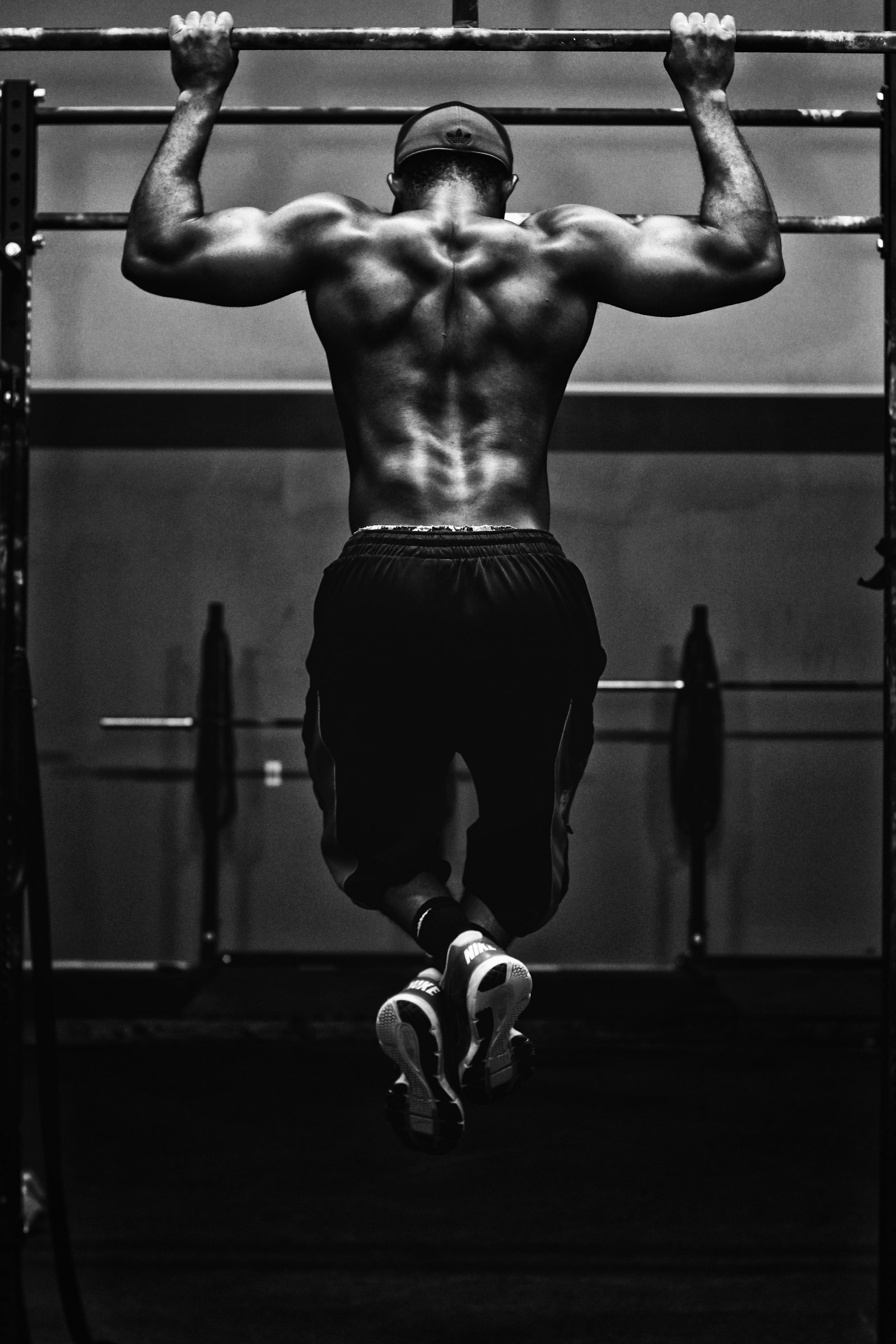
- Pull-ups: 3 × 6-10 reps
- Barbell Curls: 3 × 8-10 reps
- Face Pulls: 3 × 12-15 reps
Wednesday - Rest or Light Cardio
Thursday - Legs
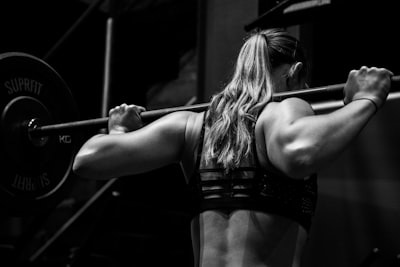
- Barbell Squats: 4 × 5-6 reps
- Romanian Deadlifts: 3 × 8-10 reps
- Leg Press: 3 × 8-10 reps
- Leg Curls: 3 × 10-12 reps
- Calf Raises: 3 × 12-15 reps
Friday - Push (Repeat with 2-3 reps higher)
Saturday - Pull (Repeat with slight variation)
Sunday - Rest
Upper/Lower Split - Best for Intermediate Lifters
4 training days per week. Upper body 2x/week, lower body 2x/week.
Monday & Thursday - Upper Body Focus
Tuesday & Friday - Lower Body Focus
Advantage: Each muscle group trains twice weekly better for muscle growth than once per week. Ideal for 8-12 week bulking phases.
Full Body - Best for Time-Constrained Athletes
3 training days per week. Every workout hits all major muscle groups.
Each Training Session:
- 1 compound lower body (squat or deadlift)
- 1 compound upper body (bench or row)
- 1 secondary movement (leg press, overhead press, pull-ups)
- 2-3 isolation/accessory exercises
Best for: Busy professionals, beginners learning movement patterns, those with limited gym access.
Sample 4-Day Muscle Building Program
This program combines Upper/Lower split with strategic exercise selection for maximum hypertrophy. Perfect for intermediate lifters with 8-12 week bulking goals.
Day 1: Lower Body A (Squat Focus)
- Barbell Back Squats: 4 × 5-6 reps (2 min rest) - This is your main strength builder
- Romanian Deadlifts: 3 × 8 reps (90 sec rest) - Hamstring + glute development
- Leg Press: 3 × 10-12 reps (90 sec rest) - Additional quad hypertrophy
- Leg Curls: 3 × 12-15 reps (60 sec rest) - Hamstring isolation
- Calf Raises: 3 × 15-20 reps (45 sec rest) - Calf development
Day 2: Upper Body A (Bench Press Focus)
- Barbell Bench Press: 4 × 5-6 reps (2 min rest)
- Barbell Rows: 4 × 6-8 reps (2 min rest) - Back balance, pulling strength
- Incline Dumbbell Press: 3 × 8-10 reps (90 sec rest)
- Barbell Curls: 3 × 8-10 reps (90 sec rest)
- Tricep Rope Pushdowns: 3 × 12-15 reps (60 sec rest)
- Lateral Raises: 3 × 15-20 reps (45 sec rest) - Shoulder width
Day 3: Rest or Light Activity (walk, stretch, foam roll)
Day 4: Lower Body B (Deadlift Focus)
- Conventional Deadlifts: 4 × 3-5 reps (2.5 min rest) - Maximum strength + hypertrophy
- Bulgarian Split Squats: 3 × 8-10 per leg (90 sec rest) - Unilateral leg development
- Leg Curls: 3 × 10-12 reps (90 sec rest) - Hamstring focus
- Leg Extensions: 3 × 12-15 reps (60 sec rest) - Quad isolation
- Seated Calf Raises: 3 × 15-20 reps (45 sec rest)
Day 5: Upper Body B (Deadlift/Pull Focus)
- Weighted Pull-ups or Lat Pulldowns: 4 × 6-10 reps (2 min rest) - Back mass
- Incline Barbell Bench: 3 × 8-10 reps (90 sec rest) - Upper chest, shoulders
- Seal Rows (Incline bench reverse flyes): 3 × 8-10 reps (90 sec rest) - Back thickness
- Skull Crushers: 3 × 10-12 reps (90 sec rest) - Tricep mass
- Face Pulls: 3 × 15-20 reps (60 sec rest) - Shoulder health, rear delts
Days 6-7: Rest/Recovery
Weekly Volume Summary: 20 compound sets + 15 accessory sets = solid hypertrophy stimulus without excessive volume.
Use weight that allows perfect form. Sacrifice 10% of weight to get 50% more muscle activation from proper form. Video your lifts or ask a trainer for form checks monthly.
Nutrition & Macros for Bulking Success
The Three Macronutrients
Protein: 0.8-1g per pound of body weight
Critical for muscle repair and new muscle growth. For an 80kg person: 80-88g daily minimum. This is 320-350 calories daily from protein (4 cal/gram).
Best sources in Dubai:
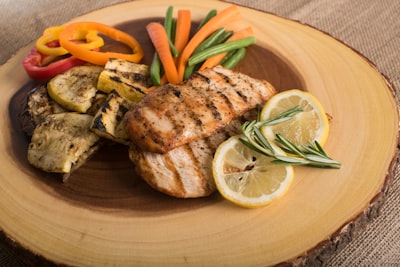
- Chicken breast: ~165 cal, 31g protein per 100g
- Beef: ~250 cal, 26g protein per 100g
- Salmon: ~200 cal, 25g protein per 100g
- Eggs: ~155 cal, 13g protein per egg
- Greek yogurt: ~100 cal, 10g protein per 100g
- Whey protein powder: /2kg, 25g protein per scoop
Carbohydrates: 3-5g per pound of body weight
Provides energy for training and supports testosterone production. Carbs replenish muscle glycogen depleted during workouts.
Best sources:
- White rice: 130 cal, 28g carbs per 100g cooked
- Sweet potatoes: 103 cal, 24g carbs per 100g
- Oats: 389 cal, 67g carbs per 100g dry
- Whole wheat bread: 265 cal, 49g carbs per 100g
- Pasta: 131 cal, 25g carbs per 100g cooked
Fats: 0.3-0.4g per pound of body weight
Essential for hormone production (testosterone synthesis), vitamin absorption, and cell function.
Best sources:
- Olive oil: 119 cal, 14g fat per tablespoon
- Almonds: 164 cal, 14g fat per 23 nuts (1 ounce)
- Avocado: 160 cal, 15g fat per 100g
- Fatty fish (salmon): 200 cal, 13g fat per 100g
- Whole eggs: 155 cal, 11g fat per egg
Sample Daily Bulking Nutrition (2,900 calorie target)
Breakfast (700 calories)
- 5 whole eggs scrambled: 775 cal, 50g protein, 62g fat
- White toast: 180 cal, 5g protein, 35g carbs
- Butter: 100 cal, 11g fat
Snack 1 (250 calories)
- Whey protein shake: 120 cal, 25g protein, 5g carbs
- Banana: 105 cal, 27g carbs
- Almond butter: 95 cal, 3g protein, 8g fat
Lunch (800 calories)
- Grilled chicken breast (200g): 330 cal, 62g protein
- White rice (150g cooked): 195 cal, 43g carbs
- Olive oil: 120 cal, 14g fat
- Vegetables: 100 cal, fiber
Snack 2 (350 calories)
- Greek yogurt (200g): 130 cal, 20g protein
- Granola: 150 cal, 30g carbs
- Honey: 65 cal, 18g carbs
Dinner (800 calories)
- Salmon (180g): 360 cal, 45g protein, 20g fat
- Sweet potato (150g): 155 cal, 37g carbs
- Avocado (100g): 160 cal, 15g fat
- Salad: 50 cal, vegetables
Daily Totals: 2,900 calories, 210g protein (29%), 300g carbs (41%), 100g fat (31%)
Best Supplements for Muscle Building in Dubai
Supplements support not replace training and nutrition. These 3 have strong evidence:
Whey Protein Powder
Convenience tool for hitting daily protein targets. 25g protein per scoop, fast absorption, cost-effective. Popular brands: Optimum Nutrition, Dymatize, Myprotein.
Creatine Monohydrate
Research-backed: 5g daily increases strength and muscle gains by 5-15%. Cheap, safe, effective. Take 5g daily, any time. Increases water retention (1-2kg) initially but boosts ATP production for training.
Caffeine
Proven pre-workout: 3-6mg per kg body weight 30 minutes before training improves strength by 2-6%. Drink coffee or use caffeine pills. Avoid late-day consumption (after 3pm).
Nice-to-Have (Not Essential)
- Beta-Alanine: Reduces muscle fatigue, 3-5g daily. Causes harmless tingling sensation.
- Citrulline Malate: Improves pump and endurance, 6-8g before training.
- Multivitamin: Insurance policy if diet lacks micronutrients. Pick reputable brand.
Bulking During Ramadan in Dubai
Ramadan (fasting dawn to sunset) presents unique challenges for bulking. Strategies:
Maintain Muscle, Skip Bulk Phase
Most athletes pause bulking during Ramadan. Shift to maintenance calories during fast, then resume bulking post-Ramadan.
If Continuing: Night-Time Eating Strategy
- Suhoor (Pre-dawn meal): 1,200-1,500 calories: eggs, oats, avocado, dates. Focus on slow-digesting carbs and fats.
- Iftar (Breaking fast): 1,500-2,000 calories: dates, water, protein-heavy meal after 30 minutes (chicken, rice, vegetables).
- Late dinner: 500-700 calories: protein shake, nuts, extra meal if needed.
- Total: 3,200-4,200 calories split between two eating windows. Challenging but possible.
Training During Ramadan
- Timing: Train 1-2 hours before Iftar (sunset) when glycogen is lowest, but immediately post-Iftar is even better
- Intensity: Reduce by 20-30%. Use lower weight, more reps, same progression mindset
- Focus: Maintain strength, don't build volume
- Recovery: Sleep becomes critical. Get 8+ hours
Most Dubai-based athletes train post-Iftar (7:30pm onwards) to have fuel for training.
When and How to Cut After Bulking
Bulking isn't infinite. When body fat exceeds 18-20%, it's time to cut.
Signs It's Time to Cut
- Body fat >18% (visible abs fading, face/midsection getting soft)
- Clothes fitting tighter in unwanted areas
- Weekly weight gain >0.7kg (indicating more fat than muscle)
- Gym performance plateauing despite training hard
- Been bulking 12+ weeks (diminishing returns after this)
The Cut Process
Duration: 6-12 weeks depending on body fat starting point.
Calorie deficit: 300-500 calories below maintenance (not aggressive). This preserves muscle while losing fat.
Protein: Increase to 1-1.2g per pound of body weight to prevent muscle loss.
Training: Maintain your strength and volume. Don't reduce weight/reps keep progressive overload going.
Cardio: Add 3-4 sessions of 20-30 min moderate cardio weekly. Can be walking, cycling, stair climbing, swimming.
Expected Results: Lose 4-8kg total (mostly fat) over 8-12 weeks. Reveal the muscle built during bulk.
Ready to Transform Your Physique?
Get personalized coaching from a Dubai-based strength coach. They'll build your bulking program, track your progress, and guide your cut cycle for maximum results.
Frequently Asked Questions About Bulking
Do I need to count calories or can I just eat in a surplus intuitively?
Intuitive eating works if you've been tracking for months and know portion sizes. For serious results, track for at least the first 4 weeks using MyFitnessPal or similar app. After understanding portions, intuitive becomes more accurate. Most people significantly overestimate how much they eat.
What if I don't have access to a gym?
Muscle building primarily requires progressive resistance training. Dumbbells-only training works if you progress weight. Resistance bands have limitations for heavy loads. Bodyweight training (pull-ups, dips, push-ups) can build some muscle but plateaus quickly. Most serious bulkers need barbell access for compound movements. Recommended: try a month of bodyweight, then join a gym with barbells.
How much should I sleep for optimal muscle growth?
7-9 hours nightly is ideal. During bulk phases, muscle growth happens during sleep growth hormone peaks 1-2 hours after falling asleep. Poor sleep reduces testosterone by 15-25% and increases cortisol (catabolic hormone). Consistent sleep schedule beats irregular long sleep. No amount of training compensates for 5 hours sleep.
Can women effectively bulk and build muscle?
Absolutely. Women have 5-10% the testosterone of men, limiting muscle-building speed, but the mechanism is identical. Women can build 0.25-0.5kg muscle per month (slower than men's 0.5-1kg), following same nutrition and training principles. Higher rep ranges (8-15) and lower weights work identically to heavier training.
Should I bulk or cut first as a complete beginner?
Start with a slight surplus if <15% body fat, or a slight deficit if >20% body fat. Most beginners are best served by a "body recomposition" phase: eat at maintenance, follow a structured program for 3 months, and build muscle while losing fat simultaneously. Once advanced (1+ year training), then full bulk/cut cycles become more effective.
What happens if I stop training after bulking?
You'll lose muscle and gain fat quickly. Muscle requires progressive tension to maintain. Within 2-3 weeks of stopping training, protein synthesis drops and muscle begins shrinking. Expect to lose 1-2kg per month without training. This is why consistency matters more than perfection.
Can I build muscle while losing fat simultaneously?
Yes, but slowly. Beginners in first 6-12 months can recomposition: maintain weight, lose fat, build muscle. Advanced lifters must choose bulk or cut simultaneous gains are minimal. This is why coaches recommend: beginners = recomp, intermediate+ = bulk/cut cycles.
How often should I change my workout routine?
Every 4-8 weeks change exercises or rep ranges to prevent adaptation plateau. Keep the same compound movements (squats, bench, deadlifts) but rotate accessory exercises. Example: Week 1-4 dumbbell press, Week 5-8 machine press. This prevents boredom while maintaining progressive overload on main lifts.
What's the best gym for bulking in Dubai?
Look for: barbells, power racks, dumbbells up to 50kg+, platform for deadlifts, cables. Top gyms include Fitness First, NAS Sports, and Gold's Gym. Visit first culture and cleanliness matter for motivation. Avoid overly crowded times (6-8pm).