Dubai's summer heat is extreme, peak temperatures exceed 45°C, creating significant fitness challenges. But with the right strategy, hydration, timing, and gym selection, you can maintain peak fitness through the hottest months. This guide covers everything you need to train safely and effectively when the mercury rises.
Why Summer Training in Dubai Is Different
Training in Dubai summer isn't the same as summer fitness in temperate climates. The combination of extreme ambient heat, high humidity (especially near the coast), and intense UV radiation creates a perfect storm for heat illness if you're unprepared.
Between June and August, daytime temperatures consistently hover between 42 to 48°C. Your body's thermoregulatory system works overtime to cool itself, increasing sweat loss and accelerating dehydration. Outdoor training during peak heat (11am 4pm) isn't just uncomfortable, it poses genuine medical risks including heat exhaustion and heat stroke.
The good news: thousands of Dubai residents train year-round successfully by understanding when, where, and how to train during summer. Your strategy must prioritise early morning workouts, air-conditioned facilities, aggressive hydration, and shorter, higher-intensity sessions rather than long, steady-state efforts.
Many athletes also use summer as an opportunity for strategic recovery and technique work while outdoor training becomes less practical. This approach keeps fitness gains intact while reducing injury risk.
Best Times to Train in Dubai Summer (Early Morning, Indoor, Evening)
Timing is your single most important decision for summer fitness in Dubai. The thermometer tells the whole story:
Early Morning Training (5 to 7am): The Optimal Window
Early morning is non-negotiable for serious Dubai summer training. Temperatures at dawn typically range 28 to 32°C, still warm, but 10 to 15°C cooler than midday. Humidity is moderate, and you benefit from lower UV exposure. Most serious runners and outdoor fitness enthusiasts in Dubai train exclusively between 5 to 7am during summer.
Starting at 5am means you'll finish most workouts by 7am, avoiding peak heat entirely. Many gyms open at 5:30am to accommodate summer training demands. Popular early morning training spots include the Al Manara Beach promenade, Dubai Marina running track, and Zabeel Park early entrance.
The downside: it requires discipline and early bedtime. But it's the only way to do sustained outdoor training without serious heat illness risk.
Indoor Training (10am 6pm): Climate-Controlled Necessity
When outdoor training becomes unsafe during peak heat hours, air-conditioned gyms are non-negotiable. Indoor swimming, studio cycling, and weight training in climate-controlled environments allow you to maintain intensity safely during the day.
Most premium gyms maintain 18 to 21°C (64 to 70°F) in their main training areas. This massive temperature differential means your body still needs aggressive hydration, but at least you're not fighting external heat. Studio classes (spin, Pilates, hot yoga exceptions aside) are ideal midday summer options.
Evening Training (After 8pm): Second-Best Option
Evening workouts after 8pm become viable once the sun sets and temperatures cool slightly. By 9pm, outdoor temperatures typically drop to 35 to 38°C, still hot, but manageable for acclimatised athletes. Evening beach runs and park sessions gather momentum after 8:30pm during summer months.
Evening training requires excellent hydration beforehand and carries higher dehydration risk (less cooling from sweat evaporation). Most evening training in Dubai is lighter intensity, focusing on recovery sessions, easy runs, or technical work rather than hard efforts.
Combine early morning for your main weekly efforts with evening light sessions. This approach maintains fitness and training variety while respecting heat safety. Indoor training fills midday gaps when outdoor options are unsafe.
Indoor Workout Options: Best Air-Conditioned Gyms
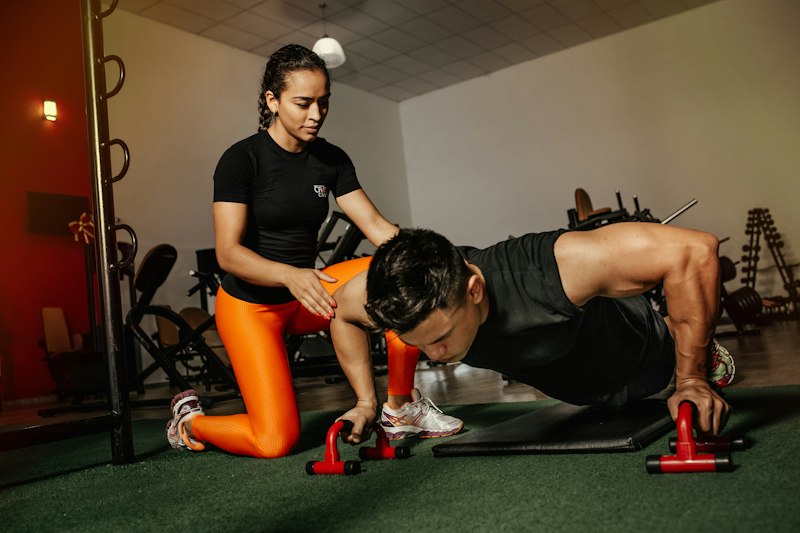
During summer, your gym becomes your fitness headquarters. Here are Dubai's best climate-controlled options:
Fitness First (Multiple Locations)
Fitness First has several strategically located Dubai branches with excellent air conditioning. Their JBR branch is particularly popular for summer training, featuring a full range of strength equipment, cardio machines, and climate-controlled group fitness studios. Membership, with summer packages available (sometimes discounted June August). Their studio classes maintain consistent cool temperatures.
NAS Fitness (Jumeirah & Dubai Hills)
NAS specialises in premium, fully air-conditioned facilities. Their newer branches feature dedicated climate-controlled training zones. The Dubai Hills location is particularly well-regarded for strength training during summer. Membership. NAS offers dedicated cooling zones and excellent ventilation.
GymNation (Multiple Locations)
GymNation's boutique concept maintains exceptional climate control across their Dubai facilities. With multiple locations (Downtown, JBR, Business Bay), you have flexibility year-round. Budget-friendly option, making it accessible for committed summer trainers. Their smaller facilities mean more intimate climate control.
Daman Fitness (Various Dubai Areas)
Daman focuses on strength training in climate-controlled environments. Their franchises across Dubai offer consistent, cool facilities perfect for serious summer lifting. Membership. Excellent for high-intensity summer strength work.
Swimming Facilities
Dubai's indoor pools (available at most major gyms plus dedicated facilities like Dubai Aquatic Centre) provide ideal summer training. Water temperature is typically 28 to 30°C year-round. Swimming offers full-body conditioning while eliminating heat stress on terrestrial systems. Most gym memberships include pool access.
Outdoor gym training during peak summer hours (11am 4pm) is medically dangerous. Even athletes who've trained in heat previously risk heat stroke. Use air-conditioned facilities during peak heat without exception.
Hydration Strategy for Dubai Summer Training
Hydration becomes your single most important health metric during Dubai summer training. Dehydration happens faster and more severely than in temperate climates, and even mild dehydration degrades performance and increases heat illness risk.
Pre-Workout Hydration (2 to 3 Hours Before)
Start hydration several hours before your session. Drink 400 to 600ml of water 2 to 3 hours before training. This gives your body time to absorb and distribute fluids. Additional 150 to 250ml about 20 minutes before starting ensures you begin exercising well-hydrated.
During Exercise Hydration
This is non-negotiable in Dubai summer. Aim for 500 to 750ml of water every 15 to 20 minutes during exercise, depending on exercise intensity and your individual sweat rate. Keep electrolyte drinks (sodium, potassium, carbohydrates) on hand, plain water alone won't fully replace lost electrolytes for sessions over 60 minutes.
For outdoor early morning runs, carry a hydration pack or arrange water stations. For gym training, keep a large water bottle (1 to 2L) at your station and sip continuously throughout your workout.
Post-Workout Recovery Hydration
Rehydration continues after exercise. Drink 150% of fluid lost (weigh yourself before and after if accurate) over 2 to 4 hours post-workout. For a 1kg fluid loss, drink 1.5L of fluid with electrolytes. This prevents delayed dehydration and promotes recovery.
Electrolyte drinks during recovery are particularly important in Dubai summer because your body loses significant sodium through sweat. Sports drinks with 4 to 8% carbohydrates plus 20 to 30mmol/L sodium are ideal.
Drink with purpose, not by thirst. Thirst is a poor indicator of hydration need in extreme heat, by the time you feel thirsty, you're already dehydrated. Set a phone timer for hydration breaks and drink according to schedule.
Heat Acclimatisation: Training Your Body
Your body adapts to heat stress through a process called heat acclimatisation. This isn't myth, it's measurable physiology. Properly acclimatised athletes have lower core temperatures during exercise, more efficient cooling through sweat, better cardiovascular stability, and reduced heat illness risk.
Heat acclimatisation takes 10 to 14 days of gradual heat exposure. If you're new to Dubai or returning from a cooler climate, prioritise acclimatisation in late May before peak summer heat arrives.
Acclimatisation Protocol
Days 1 to 3: 20 to 30 minute sessions in warm conditions (either outdoor early morning or warm gym environment). Keep intensity easy to moderate. Focus on steady, controlled effort, not speed.
Days 4 to 7: Gradually increase duration to 30 to 45 minutes. Add one moderate-intensity interval session. Maintain conservative hydration strategy, no need to overdo it yet.
Days 8 to 14: Extend duration to 45 to 60 minutes. Resume normal training structure. Your body should now be significantly adapted, with improved sweat response and thermoregulation.
Complete acclimatisation for your specific exercise type. If you run in the morning and cycle indoors, you'll need separate acclimatisation for each. Indoor training requires less acclimatisation than outdoor work.
Best Summer Workout Routines
Summer training philosophy differs from winter conditioning. You're not building massive fitness gains, you're maintaining them while prioritising recovery and heat safety.
Summer Strength Training (Indoor, 45 to 60 Minutes)
Air-conditioned strength sessions are your safest high-intensity training. Target 3 to 4 days/week with full-body or upper/lower splits. Keep volume slightly lower than winter (fewer total sets) but maintain intensity through heavier weights or shorter rest periods.
- Warm-up: 5 to 10 minutes light cardio + dynamic stretching
- Main work: 3 to 4 compound exercises, 4 to 5 sets of 6 to 8 reps (strength focus) or 8 to 12 reps (hypertrophy)
- Accessory: 2 to 3 isolation exercises, 3 sets of 10 to 12 reps
- Cool-down: 5 minutes easy walking + stretching
- Total time: 50 to 60 minutes in climate-controlled environment
Summer Conditioning (Early Morning or Intervals, 30 to 45 Minutes)
Rather than long slow distance work (high heat stress), favour shorter, higher-intensity interval sessions early morning or indoors. These maintain cardiovascular fitness with less thermal stress.
- Warm-up: 5 to 10 minutes easy effort
- Main work: 6 to 10 intervals of 3 to 5 minutes at 85 to 90% effort with equal recovery
- Cool-down: 5 to 10 minutes easy walking/jogging
- Total time: 35 to 45 minutes
Summer Swimming Sessions (30 to 60 Minutes)
Swimming in Dubai's warm pools is ideal for summer training. You maintain cardiovascular work without terrestrial heat stress.
- Warm-up: 200 to 400m easy swimming
- Main set: 4 to 6 x 200m at steady pace with 30 seconds recovery, or 8 to 10 x 100m at higher intensity
- Cool-down: 200 to 400m easy swimming
- Total: 30 to 60 minutes depending on fitness level
Ready to Train Smart This Summer?
Heat-Safe Running Routes in Dubai
Early morning outdoor running is possible in Dubai summer if you choose shaded, relatively cool routes. Here are the safest options:
Al Manara Beach Promenade (Jumeirah)
The waterfront promenade offers shade from vegetation and benefits from sea breeze, crucial for early morning running. Start before 6am to avoid crowds and peak heat. Surface: mixed asphalt and boardwalk. Distance: flexible from 3 to 10km depending on route variation.
Zabeel Park (Downtown)
Shaded tree-lined paths make Zabeel one of Dubai's best summer running spots. Trees provide meaningful shade, reducing radiant heat load significantly. Gates open early (around 5am during summer). Multiple loop options: 3.5km inner loop, 5km outer loop.
Dubai Creek Park (Bur Dubai)
Natural vegetation provides excellent shade and slightly cooler microclimates. Waterside running offers psychological benefits. Smaller, more intimate than Zabeel. Ideal for 4 to 8km steady runs.
Treadmill Running (Gyms)
Safe, climate-controlled, and underrated for summer. Modern gym treadmills allow flexible intensity and duration work without heat stress. Many athletes maintain aerobic fitness entirely on treadmills during June August.
Never run outdoors between 10am 5pm in summer. Always carry water or arrange water stations. Always tell someone where you're running. Watch for heat illness symptoms: dizziness, nausea, disorientation, cessation of sweating. Stop immediately if you experience these.
Swimming as Summer Cross-Training
Swimming is the ideal summer cross-training modality. Your body stays cool while you build cardiovascular fitness and upper body strength. Dubai's warm water temperature (28 to 30°C) is actually advantageous, you can train longer without cold water stress.
Why Swimming Excels in Dubai Summer
Core temperature during swimming stays lower than terrestrial exercise at equivalent intensity. Water submersion provides passive cooling. You eliminate impact stress (great for injury prevention). Swimming uses different musculature than running/cycling, providing active recovery while maintaining fitness.
Summer Swimming Structure
2 to 3 swim sessions per week works well as supplementary summer training. Combine with strength training and one easy activity. Swimming prevents overuse injuries from high terrestrial training loads during heat stress.
Popular Dubai swimming locations: Personal trainers often arrange poolside coaching. Dubai Aquatic Centre, Westin Dubai Mina Seyahi pool, and most major gym pools offer consistent temperatures and lane availability.
Combine early morning running (your main aerobic work) with midweek swimming sessions (recovery + cross-training + technique). This structure maintains fitness while respecting summer heat limitations.
Summer Fitness in Dubai, Final Thoughts
Dubai summer training requires strategic adjustments, but it's absolutely achievable with proper planning. Prioritise early morning workouts, use air-conditioned gyms during peak heat, hydrate aggressively and systematically, and consider swimming as supplementary training.
Many Dubai fitness professionals spend June August maintaining fitness through intelligent training rather than building it. This is a sensible approach. Your training intensity remains high, but you reduce volume and eliminate unnecessary heat stress.
The athletes who thrive in Dubai summer aren't necessarily the toughest, they're the smartest planners. Read more about Dubai's seasonal fitness calendar to understand how summer training fits into your full-year fitness plan.
Get a Heat-Smart Training Plan
Professional trainers in Dubai understand summer heat challenges and design programmes accordingly. Work with an experienced coach to maintain fitness safely throughout peak summer.