Triathlon Training in Dubai
Complete Swim, Bike, Run Guide for UAE Athletes 2026
Home / Blog / Triathlon Training in Dubai
Introduction to Triathlon Racing
Triathlon represents one of the most challenging and rewarding multi-sport disciplines in the fitness world. Combining swimming, cycling, and running in a single race, triathlon demands exceptional cardiovascular fitness, muscular endurance, and mental resilience. Whether you're a first-time athlete or an experienced endurance competitor, Dubai offers an ideal climate and infrastructure to develop your triathlon capabilities.
The sport comes in several distance formats, each requiring different training approaches and preparation timelines. Sprint distance triathlon consists of a 750-meter swim, 20-kilometer bike, and 5-kilometer run, completed by most athletes in 90 to 120 minutes. Olympic distance doubles these swim and run distances while extending the bike to 40 kilometers, typically requiring 2 to 3 hours of racing. 70.3 triathlon (half Ironman) features a 1.9-kilometer swim, 90-kilometer bike, and 21.1-kilometer run, with finishing times ranging from 4.5 to 6.5 hours depending on athlete ability. The full Ironman distance of 3.86 kilometers swimming, 180.2 kilometers cycling, and 42.195 kilometers running represents the ultimate endurance challenge, demanding 8 to 17 hours of continuous effort.
Dubai has emerged as a premier triathlon destination in the Middle East. The region's year-round warm weather, modern sporting facilities, growing triathlon community, and world-class events create an exceptional training environment. Athletes from across the Gulf Cooperation Council (GCC) countries travel to Dubai specifically to train during winter months when temperatures remain moderate, while summer training demands adapted strategies to manage heat and dehydration.
Dubai's Thriving Triathlon Scene
The Dubai triathlon community has experienced remarkable growth over the past five years. The Dubai Triathlon Club, established in 2015, now boasts over 800 active members ranging from beginners attempting their first sprint race to experienced athletes chasing Ironman qualification slots. The club organizes weekly group training sessions, including open-water swimming at Jumeirah Beach on Saturday mornings, long bike rides along the Al Qudra cycling path on Sunday afternoons, and tempo runs through various Dubai parks throughout the week.
IRONMAN 70.3 Dubai stands as the most prestigious triathlon event in the region, attracting over 2,000 athletes annually from more than 100 countries. Held in October when temperatures drop below 35°C, the race provides a high-profile platform for Arabian Gulf-based athletes while offering an accessible qualifier for the IRONMAN World Championship. The event showcases Dubai's advanced race infrastructure, including designated closed-road cycling circuits, professionally managed transition areas at Jumeirah Beach, and comprehensive athlete support services.
Beyond the flagship 70.3 event, Dubai hosts numerous sprint and Olympic-distance races throughout the calendar year. The Dubai Fitness Challenge incorporates triathlon events, while various private clubs and hotels organize smaller local races. This competition calendar means athletes can find appropriate racing opportunities regardless of their experience level or training cycle phase. Additionally, the UAE Triathlon Federation actively promotes the sport through coaching clinics, athlete development programs, and connections to regional and international competition opportunities.
Swimming Training for Triathletes in Dubai
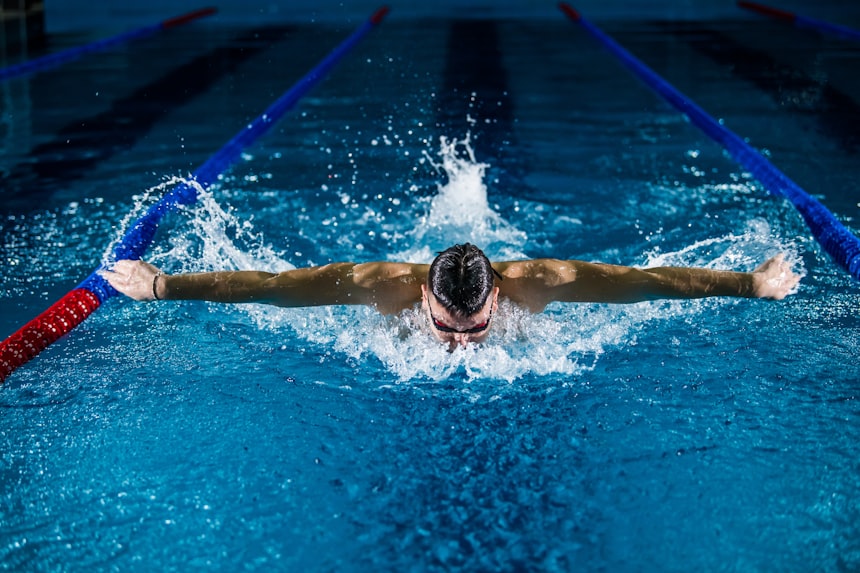
Swimming represents the most technical discipline in triathlon and the one requiring the most consistent practice and coaching input. Triathlon swimming differs significantly from pool racing athletes must master open-water navigation, manage anxiety in crowded starts, and maintain efficient technique in varied water conditions. Dubai offers exceptional opportunities to develop these skills in warm, clear waters with minimal cold-water shock.
Open Water Swimming Locations
Jumeirah Beach provides the primary training ground for Dubai-based triathletes. Extending for over 40 kilometers along the coast, Jumeirah Beach offers protected waters with consistent temperatures averaging 28 to 30°C year-round. The Dubai Triathlon Club organizes Saturday morning open-water sessions at the designated swimming area near Jumeirah Beach Park, where trained lifeguards oversee sessions and safety protocols prevent unauthorized individuals from interfering with swimmers. These group sessions accommodate 50 to 150 athletes depending on the season, with experienced swimmers mentoring newcomers and supporting anxious swimmers through their first open-water experiences.
Jebel Ali Beach and the Arabian Gulf coast provide alternative training venues for athletes seeking variety or alternative session times. These locations offer similar water temperatures and safety considerations, though facilities may be less developed than dedicated Jumeirah Beach areas. Some serious swimmers utilize private beach clubs like Umm Suqeim Club, which provides exclusive access, changing facilities, and dedicated swimming areas away from public beaches.
The Dubai Marina artificial waterway offers protected, shallow waters ideal for technique work and confidence-building, particularly for beginners or athletes recovering from injury. While not suitable for long-distance training, the calm water and minimal wave action make it excellent for form drills, drafting practice, and navigation skills development.
Pool Training Structure
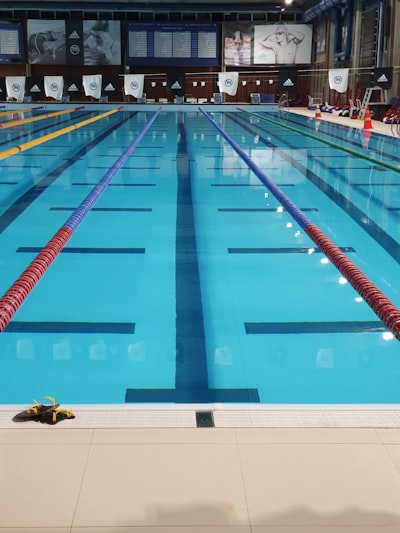
Despite Dubai's exceptional open-water opportunities, structured pool training forms the foundation of triathlon swim development. Dubai's Olympic-standard facilities at clubs like the Jebel Ali Golf Club Tri Centre, Dubai Police Officers Club, and various hotel pools provide 50-meter and 25-meter options for serious training. Most triathlon coaches recommend a mixed approach: two pool sessions weekly focusing on technique, strength development, and aerobic capacity combined with one open-water session emphasizing race-specific skills.
Effective triathlon pool sessions incorporate different training modalities. Technique-focused sets using kickboards, pull buoys, and paddles develop efficiency and shoulder stability critical for injury prevention. High-intensity interval training (HIIT) sessions with 200-meter repeats at 90 to 95% maximum heart rate build anaerobic capacity for aggressive race pacing. Steady-state aerobic sessions of 3,000 to 5,000 meters at moderate intensity (75 to 80% maximum heart rate) build the aerobic base supporting longer-distance racing. Masters swimming classes available at most Dubai clubs provide coached instruction from certified professionals with triathlon expertise.
Open Water Skills Development
Transitioning from pools to open water represents a significant psychological and physiological shift for many triathletes. Dubai's calm, warm waters facilitate this transition, but structured progression remains essential. Recommended progression includes: bilateral breathing practice in pools to prepare for uneven wave conditions; short open-water swims of 500 to 800 meters in group settings to build confidence; sighting drills swimming specific distances without looking forward to develop unconscious navigation skills; and drafting practice swimming 1 to 2 meters behind another athlete to experience the slipstream effect reducing energy expenditure by 8 to 12%.
The Dubai Triathlon Club conducts monthly skills clinics teaching these progression points with experienced open-water swimmers and coaches. Fear of open water remains one of the most common barriers to triathlon participation structured coaching and supportive group environments significantly reduce anxiety and accelerate skill acquisition.
Cycling Infrastructure and Training Routes
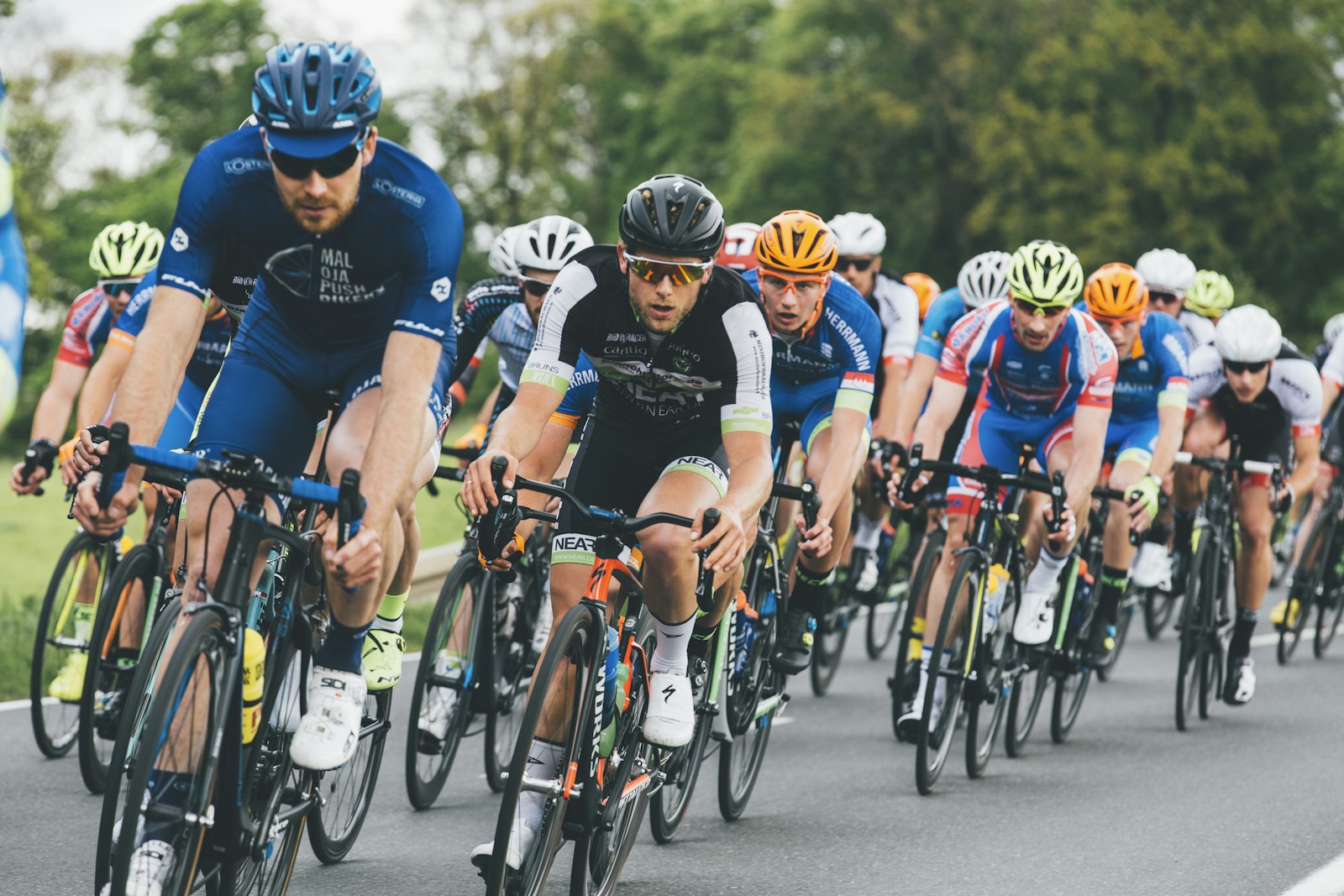
Dubai's cycling infrastructure has transformed dramatically over the past decade, creating world-class training opportunities for road cyclists and triathletes. The emirate now boasts over 500 kilometers of dedicated cycling paths and has invested heavily in cycling culture as part of its broader fitness initiatives.
Al Qudra Cycling Path
The Al Qudra cycling loop remains Dubai's most popular training destination for serious cyclists and triathletes. The 86-kilometer closed loop, located approximately 30 kilometers south of central Dubai in the Al Qudra desert area, provides an uninterrupted, traffic-free riding surface ideal for long training rides and race simulation. The predominantly flat course with several gentle rollers mirrors the terrain profile of IRONMAN 70.3 Dubai's cycling segment.
Complete loops require 3.5 to 4.5 hours depending on training pace and fitness level. Many triathletes complete partial loops (one or two laps of the 43-kilometer outer loop) combined with additional training to achieve desired training stress. The path features several rest stops with hydration and snack facilities, though serious athletes carry their own nutrition and hydration supplies. Early morning departures (5:00 to 6:00 AM) prove essential during warmer months (April September) to minimize heat exposure and complete rides before temperatures exceed 40°C.
Group rides organized by the Dubai Triathlon Club and cycling teams depart Al Qudra Thursday evenings and Sunday mornings, accommodating various fitness levels from beginners (15 km/h average pace) to advanced riders (30+ km/h). These social rides provide training benefits, local knowledge, and community connection critical for sustained motivation.
Dubai Marina and Coastal Cycling
The Dubai Marina cycling track provides a 14.2-kilometer flat loop with stunning waterfront views, ideal for steady-state training and shorter interval sessions. The dedicated path accommodates thousands of cyclists weekly, with numerous cafés providing pre- and post-ride nutrition. Summer heat makes Marina cycling challenging (surface temperatures exceed 50°C), necessitating very early morning sessions or evening rides after 6:00 PM. Winter months (November March) attract peak usage, with ideal temperatures of 25 to 30°C and comfortable humidity.
The Sheikh Zayed Road cycling path extends 93 kilometers from Dubai to Abu Dhabi, offering diverse scenery and social riding opportunities. However, various intersections and traffic considerations reduce suitability for high-intensity training compared to dedicated loops.
Indoor Cycling and Virtual Training
Dubai's intense summer heat (45 to 50°C from June September) makes outdoor cycling dangerous during afternoon hours. Indoor cycling using stationary bikes and virtual training platforms like Zwift has become increasingly popular among serious triathletes. Most premium gyms offer Peloton or comparable bikes, while dedicated cycling studios like Critical Mass and various hotel fitness centers provide coached classes and community.
Virtual platforms enable structured, coach-guided training synchronized with cycling analytics. Sessions range from 30-minute HIIT workouts to 2 to 3 hour virtual races, reducing mental monotony while maintaining training quality. Many triathlon coaches integrate virtual training blocks into summer periodization, maintaining fitness and power development during extreme heat while reducing heat stress and dehydration risks.
Bike Selection and Road Safety
Triathlon-specific bikes (tri bikes or TT bikes) offer aerodynamic advantages through aggressive positioning and streamlined components, reducing wind resistance by 10 to 15% compared to road bikes. However, tri bikes require significant training to handle safely, particularly in group settings and technical terrain. Most beginners and intermediate athletes train and race on road bikes, transitioning to tri bikes once experience and fitness reach advanced levels.
Dubai's roads present specific safety challenges requiring careful navigation. While dedicated cycling paths provide safe, traffic-free training, occasional road riding remains necessary for skill development and group ride participation. Critical safety practices include: always wearing helmets (UAE law requires helmets for all cyclists); riding defensively assuming drivers cannot see cyclists; avoiding main roads during peak traffic hours (7 to 9 AM, 12 to 1 PM, 4 to 6 PM); and utilizing reflective gear and lights during early morning and evening sessions.
Running Training in Dubai's Heat
The running component of triathlon presents unique challenges in Dubai's climate. Sustained running after significant swimming and cycling creates cumulative heat stress and dehydration. Additionally, running on tired legs from preceding training demands different pacing and recovery strategies compared to standalone run training. Dubai's hot climate necessitates adapted training approaches, yet the warm weather enables year-round consistent training unavailable in temperate climates.
Running Routes and Parks
Al Barsha Park offers a dedicated 5-kilometer running loop with excellent shade coverage from mature trees, making it the preferred venue for daytime running during warmer months. The flat surface, well-maintained paths, and proximity to central Dubai make it accessible for most athletes. Saturday mornings attract large group runs organized by running clubs, providing social connection and motivation.
Zabeel Park, a 48-hectare public park in Karama, features multiple running trails ranging from 2 to 6 kilometers with minimal elevation gain. The park's mature vegetation provides shade, while water fountains and shaded rest areas support longer training runs. Early morning sessions (5:30 to 7:00 AM) before temperatures exceed 35°C enable quality training while managing heat stress.
The Dubai Marina promenade provides flat, waterfront running with scenic views and sea breezes providing slight cooling benefits. However, summer heat makes mid-day running dangerous, requiring early morning or evening sessions. The area's popularity results in crowded paths during peak hours, necessitating route selection based on traffic management and personal safety preferences.
Treadmill Training and Indoor Options
Treadmill running becomes necessary during Dubai's most intense heat months (June August). High-quality gyms throughout Dubai offer air-conditioned running facilities, though treadmill training differs biomechanically from road running. Consistent treadmill training increases injury risk through repetitive impact stress and reduced proprioceptive demands. Optimal approaches balance outdoor running during manageable temperatures with strategic treadmill sessions emphasizing interval training, speed work, and strength maintenance.
Dubai-Specific Running Strategies
Heat acclimatization requires 10 to 14 days of gradual exposure to high temperatures. New arrivals should progress cautiously, starting with shortened distances at reduced intensity before advancing to race-pace training. Hydration strategies prove critical research indicates most triathletes underestimate fluid losses in hot conditions. A practical approach involves pre-hydration (500 ml fluid 2 to 3 hours before running), regular hydration during exercise (200 ml every 20 minutes), and post-exercise rehydration (150% of fluid loss over 4 to 6 hours).
Electrolyte supplementation becomes increasingly important in Dubai's heat. Sodium losses through sweat exceed plain water replacement capacity, necessitating isotonic sports drinks containing 6 to 8% carbohydrates and 500 to 700 mg sodium per liter. Hydration bladders and handheld bottles enable convenient fluid carrying during training, while support crews providing aid station practice during long runs simulate race-day conditions.
Comprehensive Training Plans for Triathlon Success
Structured training plans tailored to specific race distances provide the framework for systematic progression and optimal fitness development. The periodization approach divides training into specific phases emphasizing different adaptations and capabilities.
12-Week Sprint Triathlon Training Plan
Sprint distance training suits beginners or athletes returning from injury. A typical 12-week program divides into three phases: base-building (weeks 1 to 4) emphasizing aerobic development across all three disciplines; build phase (weeks 5 to 10) progressively increasing intensity and volume while introducing race-specific pacing; and taper phase (weeks 11 to 12) reducing volume to accumulate freshness while maintaining intensity.
Weekly structure includes: three focused training sessions per discipline (9 sessions total) targeting different adaptations; two complementary sessions combining low-impact cross-training; one complete rest day; and optional strength and flexibility sessions. Base phase sessions emphasize longer, easier efforts building aerobic capacity, while build phase introduces interval training, hill repeats, and race-pace intervals. Sprint training weeks typically accumulate 6 to 8 hours of structured training, significantly lower than Olympic or longer distance training.
20-Week Olympic Distance Plan
Olympic distance requires more substantial training commitment than sprint racing. A 20-week program accommodates four distinct training phases: base development (weeks 1 to 6); build phase emphasizing race-specific pacing and volume (weeks 7 to 14); peak/taper (weeks 15 to 19); and race week (week 20). Training volume builds progressively to peak weeks accumulating 12 to 14 hours of training, with each discipline receiving approximately 4 to 5 hours weekly.
Olympic-specific sessions incorporate longer open-water swims (2,500 to 3,000 meters), extended bike rides (90 to 120 minutes), and run sessions including tempo efforts and long runs (12 to 16 kilometers). Brick workouts combining bike and run sessions become increasingly important as races approach, developing the neuromuscular adaptation necessary for efficient transitions between disciplines. Taper phase volume reduction to 40 to 50% of peak volume enables complete recovery before peak race performance.
Half Ironman Training Periodization
IRONMAN 70.3 preparation demands 16 to 20 weeks of systematic training with significant volume and intensity demands. A typical periodization includes: aerobic base phase (weeks 1 to 8) building foundational fitness with moderate-intensity long efforts; build phase (weeks 9 to 14) introducing race-pace intensities and substantial volume increases; peak phase (weeks 15 to 18) featuring race-specific workout simulations and highest training volumes; and taper (weeks 19 to 20) reducing volume 40 to 50% while maintaining high-intensity elements.
Weekly training hours progress from 8 to 10 hours in base phase to 15 to 18 hours in peak weeks, distributed across approximately 10 to 12 structured sessions weekly. Long sessions exceed 2 hours, developing the aerobic capacity and mental resilience essential for sustained sub-maximal efforts over 4 to 6 hours. Back-to-back long session days (long bike followed by long run the next day) simulate race-day fatigue and develop fitness relevant to actual race demands.
Brick Workouts and Transitions
Brick workouts sessions combining two consecutive disciplines without significant recovery develop the specific neuromuscular adaptations and mental strategies required for successful triathlon racing. The term "brick" refers to the heavy, sluggish feeling in legs when attempting to run after intense cycling, requiring adaptation through repeated exposure.
Effective brick sessions include swim-to-bike transitions practicing rapid equipment changes and mental shifts between disciplines, and bike-to-run bricks emphasizing the run-specific challenge of transitioning from cycling. A typical bike-to-run brick involves 45 to 60 minutes moderate-intensity cycling immediately followed by 20 to 30 minutes running at race pace. The run component always feels significantly harder than standalone runs at similar intensity, highlighting the cumulative fatigue and metabolic stress of multi-sport racing.
Transition practice during training reduces race-day stress and time losses. Many athletes waste 2 to 3 minutes during transitions through inefficient equipment changes, route uncertainty, or mental confusion. Practicing transitions repeatedly in training builds automatic competence, reducing cognitive load during racing and enabling focus on race execution rather than logistical concerns.
Heat Management and Summer Training Strategies
Dubai's summer heat (45 to 50°C air temperature, ground surface temperatures exceeding 55°C) presents formidable physiological challenges. Heat stress increases cardiovascular strain, accelerates dehydration, elevates core body temperature, and reduces performance capacity. However, heat exposure creates adaptive stress stimulating enhanced blood plasma expansion and improved thermoregulatory capacity properly managed, summer training develops heat tolerance improving autumn racing performance.
Practical summer training strategies include: shifting training to early morning sessions (5:00 to 7:30 AM) before heat becomes extreme; utilizing indoor cycling and treadmill running during peak afternoon heat (12:00 PM 4:00 PM); scheduling lower-intensity training during summer months, reserving high-intensity work for cooler months; emphasizing hydration and electrolyte replacement more aggressively than cooler-climate training; and monitoring body weight changes (losses exceeding 2% of body weight indicate dehydration impacting performance).
Heat acclimatization the physiological adaptation to repeated heat exposure requires consistent exposure over 10 to 14 days. Regular summer training during early morning hours when temperatures exceed 35°C triggers adaptive responses improving heat dissipation and cardiovascular stability. Acclimatized athletes demonstrate improved performance in hot conditions compared to those training exclusively in temperate climates, providing training-based performance advantages.
Never exercise when core body temperature exceeds 38.5°C or when you experience dizziness, nausea, or confusion. These symptoms indicate heat illness requiring immediate cooling and medical attention. Appropriate hydration (drinking 500 to 1,000 ml per hour during exercise), electrolyte replacement (containing sodium, potassium, and carbohydrates), adequate sleep (7 to 9 hours nightly), and strategic session timing represent evidence-based heat safety approaches.
Nutrition for Triathlon Training in Dubai Heat
Optimal nutrition represents a critical but often overlooked element of triathlon training. Endurance training creates substantial energy and micronutrient demands; inadequate nutrition impairs recovery, increases injury risk, and limits fitness development. Dubai's heat magnifies these demands through increased sweat losses and metabolic stress.
Macronutrient Requirements
Triathlon training demands substantial carbohydrate intake supporting glycogen repletion and high-intensity work. Recommendations range from 5 to 10 grams of carbohydrate per kilogram of body weight daily depending on training intensity and volume. An athlete weighing 70 kilograms performing Olympic distance training should consume 350 to 700 grams daily, primarily through whole grains, oats, rice, fruits, and legumes.
Protein intake (1.6 to 2.0 grams per kilogram daily) supports muscle repair and adaptation to training stress. Distributed across 4 to 5 meals providing 25 to 35 grams of protein per serving optimizes muscle protein synthesis. Dubai's abundant sources include chicken, fish, eggs, Greek yogurt, and legumes, with emerging plant-based proteins like lentils, chickpeas, and quinoa providing complete amino acid profiles.
Fat intake (1.0 to 1.5 grams per kilogram daily) supports hormone production, reduces inflammation, and provides energy for longer training sessions. Mediterranean and regional Middle Eastern dietary patterns emphasizing olive oil, nuts, avocados, and fatty fish provide optimal fat sources aligned with regional food availability.
Hydration and Electrolyte Strategies
Dubai's heat necessitates aggressive hydration protocols. Pre-exercise hydration should aim for 500 to 600 milliliters of fluid 2 to 3 hours before training, permitting absorption and urine output normalization. During exercise, fluid intake should match sweat losses, typically 600 to 1,000 milliliters per hour depending on exercise intensity, environmental conditions, and individual physiology. Post-exercise rehydration (1.5 liters per kilogram of body weight loss) over 4 to 6 hours enables complete fluid restoration.
Sodium replacement proves critical in Dubai's heat. Sweat sodium concentrations of 500 to 700 millieq/liter combined with exercise durations exceeding 90 minutes can create dangerous hyponatremia (low blood sodium) if only plain water replacement occurs. Isotonic sports drinks containing 600 milligrams sodium per liter combined with 6 to 8% carbohydrates represent optimal race-day hydration. During training, sodium supplementation through electrolyte tablets, sports drinks, or adding salt to water enables adequate sodium replacement.
Fueling Strategies for Long Training Sessions
Training sessions exceeding 90 minutes require external fuel intake preventing metabolic degradation and performance decline from glycogen depletion. Carbohydrate intake of 60 to 90 grams per hour (sufficient for moderate-to-high intensity) during longer sessions maintains blood glucose stability and enables sustained high performance. Effective fueling options include energy gels, sports drinks, energy bars, and whole foods like dates and bananas common in UAE markets.
Individual tolerance varies substantially practicing nutrition strategies during training prevents gastrointestinal distress during racing. A triathlete completing 4 to 5 hour 70.3 races might consume 150 to 200 grams total carbohydrate distributed across small frequent doses every 30 to 45 minutes, preventing large single meals that can cause nausea during intense effort.
Local Triathlon Clubs and Community
The Dubai Triathlon Club (DTC) remains the primary hub for triathlon community connection, coaching access, and competitive opportunity. Membership includes access to organized training sessions, race discounts, mentorship programs, and social events. The club organizes: weekly Saturday morning open-water swim sessions with safety briefings and pace groups; Sunday long bike rides departing Al Qudra with multiple pace options; and periodic running sessions through various parks.
Additional communities include specialized coaching groups, corporate team triathlon initiatives, and growing women-focused triathlon communities providing supportive, inclusive training environments. These groups frequently organize local sprint races, training challenges, and mentorship programs accelerating development of newer athletes.
Triathlon Coaching in Dubai
Qualified triathlon coaching accelerates progress through systematic periodization, individualized training adjustments, and technical skill development. Dubai offers various coaching options at multiple price points and expertise levels. Individual coaching ranges (approximately $55 to 110 USD) for experienced local coaches to for internationally credentialed IRONMAN-verified coaches. Group coaching through clubs and training studios typically, providing accessible professional guidance at lower per-session cost.
Selecting appropriate coaching involves assessing coach credentials (IRONMAN University certification, British Triathlon/USA Triathlon certification), relevant experience (coaches should have competed at target race distances), and coaching philosophy alignment. Many coaches now offer hybrid approaches combining online coaching platforms (monitoring training data, adjusting workouts remotely) with periodic in-person sessions addressing technique, race strategy, and mental preparation.
Coaching focuses on periodization (phased training emphasizing different adaptations), recovery optimization (preventing overtraining and burnout), pacing strategy development (determining race-day intensity distribution), and mental skills (managing pre-race anxiety, maintaining focus during extended efforts).
Find a Qualified Triathlon Coach in Dubai
Connect with experienced triathlon coaches specializing in sprint, Olympic, and 70.3 distances. Browse verified trainers with specializations in open-water swimming, cycling technique, or multi-sport periodization.
Essential Gear Guide for Triathlon Success
Proper equipment enhances performance, comfort, and safety throughout training and racing. Essential triathlon gear includes race-specific apparel, timing devices, and safety equipment adapted to Dubai's conditions.
Wetsuits and Thermal Gear
Unlike temperate-climate triathlon destinations, wetsuits remain unnecessary for Dubai triathlon training and racing. Open-water temperatures (28 to 32°C year-round) exceed comfortable swimming temperatures, necessitating quick-drying tri suits rather than thermal protection. Quality tri suits from brands like TYR, Speedo, and regional suppliers providing UV protection and comfort during extended training and racing.
Bicycle Selection
Road bikes serve most triathletes effectively for training and racing. Tri bikes provide aerodynamic advantages but require significant technical skill, and many coaches recommend mastering road bikes before transitioning to tri bikes. Local bike shops like Dream Cycling and Xcite provide sales, maintenance, and coaching access.
Running Footwear
Quality running shoes represent essential investments preventing injury. Most athletes benefit from gait analysis and specialist fitting through running shoe retailers, which can identify overpronation, underpronation, or neutral gaits requiring different shoe categories. The transition run (running after cycling) sometimes feels markedly different from standalone running several training runs during preparation help identify footwear performing optimally in this specific context.
Timing and Navigation Devices
GPS sports watches provide critical training data including pace, heart rate, distance, and elevation. Devices from Garmin, Suunto, and Apple enable real-time performance monitoring and post-session analysis identifying training patterns and progress. Many triathlon races provide timing through chip timing systems, eliminating personal timing requirements, but training data remains valuable for performance assessment and coaching communication.
Dubai Triathlon Events Calendar 2026
The UAE triathlon calendar offers year-round racing opportunities across all distances:
- January February: Sprint and Olympic distance races, ideal temperatures (22 to 28°C) attracting international competition
- March April: Easter races, increasingly warm (28 to 35°C) requiring mid-morning or afternoon race timing
- May: Late-season races before summer heat forces event cancellation
- June August: Training-focused period; few official races due to extreme heat
- September: Post-summer return to racing as temperatures begin moderating
- October: IRONMAN 70.3 Dubai (major international event attracting 2,000+ athletes)
- November December: Multiple sprint races, ideal training season preceding New Year racing
Recovery and Periodisation for Multi-Sport Athletes
Recovery represents a training phase as critical as high-intensity work. Triathlon's cumulative training stress across three disciplines magnifies recovery demands. Adequate recovery enables adaptation to training stimulus, preventing overtraining syndrome and injury. Strategic periodization integrating deload weeks (reducing volume 40 to 50% while maintaining intensity) every 3 to 4 weeks prevents accumulated fatigue.
Active recovery days employing easy, low-intensity efforts (swimming, cycling, or running at conversational intensity) promote blood flow and adaptation without additional stress. Complete rest days (zero structured exercise) occur at minimum once weekly, often twice during peak training phases. Sleep (7 to 9 hours nightly) proves as critical as training itself sleep deprivation impairs immune function, increases injury risk, and reduces training adaptation.
Foam rolling, stretching, and massage support tissue recovery and mobility maintenance essential for injury prevention. Many Dubai gyms and sports medicine facilities offer sports massage services from certified professionals specializing in triathlon-related injuries.
Mental Preparation and Race Strategy
Mental skills prove equally important as physical fitness for triathlon success. Effective race execution demands pre-race strategy development, anxiety management, and real-time decision-making under physiological stress. Many coaches incorporate mental skills training alongside physical preparation, teaching visualization, self-talk, and goal-setting techniques supporting optimal performance.
Race-specific strategy development includes determining target pacing, contingency plans if race-day conditions deviate from expectations, and mental checkpoints throughout the race maintaining focus and motivation. Experienced triathletes often develop race manuals (detailed written plans) documenting segment-specific pacing, transition procedures, and mental cues supporting consistent execution.
Conclusion: Becoming a Dubai Triathlon Champion
Dubai offers exceptional triathlon training opportunities through warm waters, world-class cycling infrastructure, established training community, and premier international racing. Whether pursuing your first sprint triathlon or targeting IRONMAN 70.3 qualification, structured training combining qualified coaching, systematic periodization, and community connection accelerates progress toward ambitious goals. The combination of Dubai's ideal training climate, growing triathlon community, and world-class event infrastructure positions the emirate as the premier triathlon destination in the Middle East.
Begin with realistic training progression, prioritize consistency over intensity, invest in quality coaching and equipment, and engage with the vibrant Dubai triathlon community. The discipline, resilience, and achievement satisfaction of triathlon training extends far beyond race-day finishes, creating lifelong fitness habits and meaningful friendships across the international triathlon community.
List Your Triathlon Coaching Services
Are you a certified triathlon coach based in Dubai? List your services on GetFitDXB and connect with athletes seeking your expertise.
Related Articles