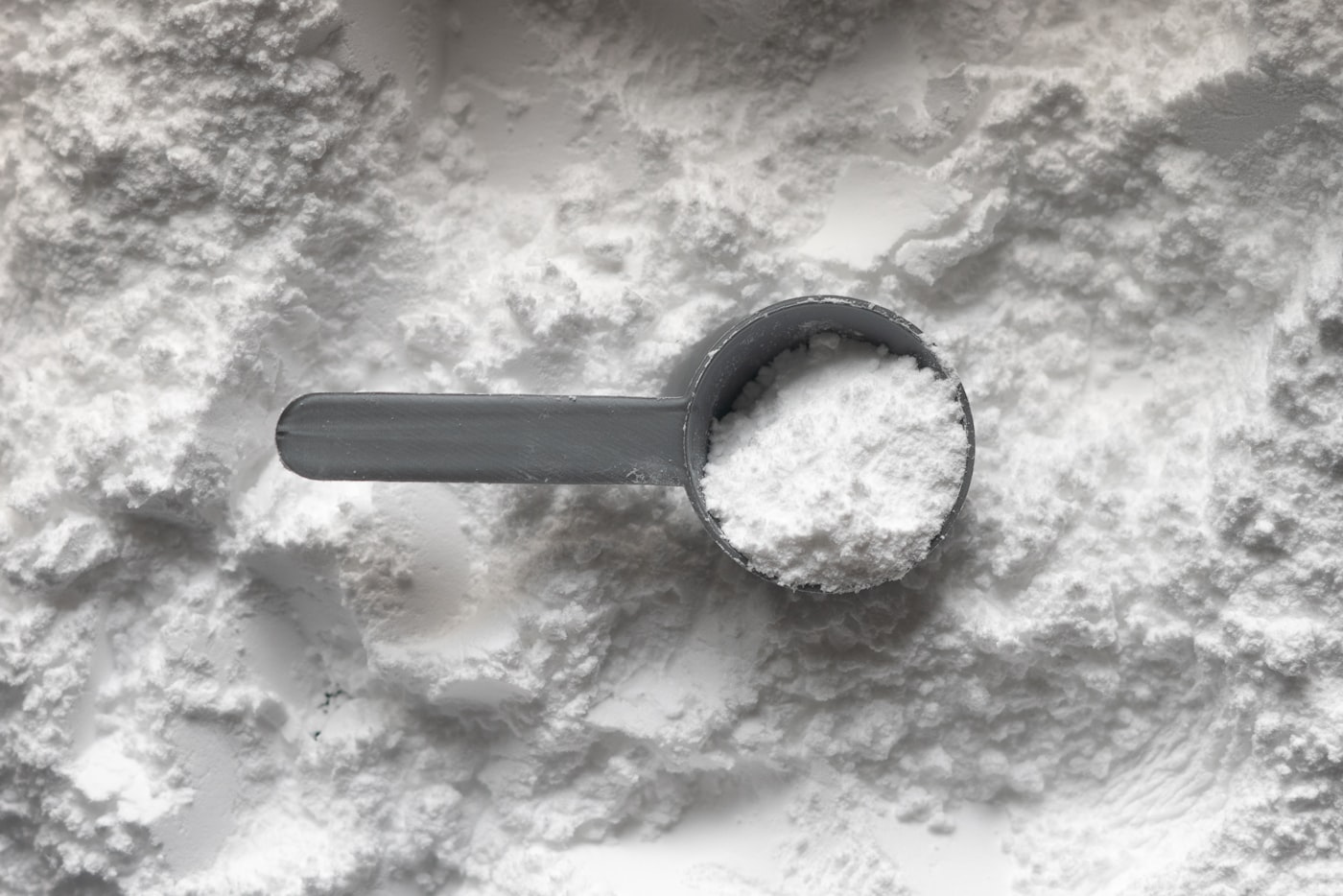
Whey protein is the single most effective nutrition supplement for building muscle and losing fat, but only if you understand which type to buy, how much to take, how to store it in Dubai's extreme heat, and which brands actually deliver what they promise. This guide cuts through the marketing nonsense and gives you the exact protocol used by Dubai's top athletes and trainers.
Whey Protein Types: Concentrate vs Isolate vs Hydrolysate
All whey protein begins as whey, the liquid byproduct of cheese production. How that whey is processed determines the protein percentage, lactose content, amino acid profile, and cost. There are three main types, and which you choose depends on your budget, digestive tolerance, and performance goals.
Whey Protein Concentrate (70-80% Protein)
Concentrate is the least processed form. It retains approximately 70-80% protein by weight, with the remaining 20-30% being lactose, fat, and carbohydrates. For Dubai athletes, this is the budget option, a 2.5kg tub of Optimum Nutrition Gold Standard concentrate making the cost per gram of protein approximately 2.5-3 fils.
The downside: higher lactose content triggers bloating, digestive discomfort, and gas in lactose-sensitive individuals. If you're in the gym or doing cardio and experience stomach cramping 30-60 minutes after drinking concentrate, you're likely sensitive to lactose. Additionally, the higher fat content (approximately 2-3g per serving) means fewer calories are pure protein.
When concentrate works: if you're lactose-tolerant, have no digestive issues, and prioritise cost over convenience, concentrate is perfectly effective. Studies show muscle protein synthesis is identical between concentrate and isolate when total protein intake is matched.
Whey Protein Isolate (90%+ Protein)
Isolate is processed further to remove more lactose and fat, delivering 90%+ protein by weight with minimal carbohydrates or dairy. The cost is higher, a 2.5kg tub of Dymatize ISO100 or MyProtein Impact Isolate in Dubai roughly 4-5 fils per gram of protein.
Isolate is ideal for Dubai athletes because:
- Digestive comfort: Much lower lactose (less than 1% in most brands) means no bloating, cramping, or digestive issues
- Lean protein: 25g protein per serving with only 1-2g fat and carbs means you're not accidentally consuming extra calories
- Fast absorption: Slightly faster digestion than concentrate, useful for post-workout timing
- Better taste: Most isolates mix more cleanly and taste better than concentrate
For most Dubai gym-goers, isolate represents the optimal cost-to-benefit ratio. You're paying 60-80% more than concentrate but gaining significant digestive comfort and eliminating bloating, a meaningful quality-of-life upgrade during your training day.
Whey Protein Hydrolysate (Fastest Absorption)
Hydrolysate is isolate that has been further broken down into smaller peptide chains through enzymatic hydrolysis. This accelerates absorption to approximately 30 minutes, faster than either concentrate or isolate. The tradeoff: hydrolysate costs approximately 40-50% more than isolate, making it the premium option for a 2.5kg tub.
The practical advantage: faster absorption in the immediate post-workout window (first 60 minutes after training) may provide a marginal 5-10% boost in muscle protein synthesis. For athletes chasing the smallest possible advantage, and those with very sensitive stomachs who cannot tolerate even isolate, hydrolysate is worth considering. However, for 95% of Dubai athletes, the cost difference isn't justified by the performance gain.
| Type | Protein % | Lactose | Cost / gram protein | Best For |
|---|---|---|---|---|
| Concentrate | 70-80% | Moderate-High | 2.5-3 fils | Budget-conscious, lactose-tolerant |
| Isolate | 90%+ | Very Low | 4-5 fils | Most Dubai athletes (best balance) |
| Hydrolysate | 95%+ | Negligible | 6-8 fils | Serious competitors, sensitive stomachs |
How Much Protein Do Dubai Athletes Actually Need?
Whey protein only works if your total daily protein intake meets your training goals. Many Dubai gym-goers buy expensive protein powder but don't consume enough total protein, defeating the entire purpose. Here's the exact framework for calculating your needs.
For Muscle Building
If your primary goal is building muscle and increasing strength: aim for 0.8 to 1.0 grams of protein per pound of body weight daily (1.6-2.2 grams per kilogram). This is the evidence-backed range from meta-analyses of resistance training studies. For a 80kg athlete, this means 128-176g protein daily.
How to hit this: a typical pattern is 30-40g protein per meal across 4-5 meals, or distribute across 3 meals (50g each) plus whey protein shakes. A standard 25g whey isolate serving covers one-third of a single meal's protein requirement.
For Fat Loss While Preserving Muscle
When cutting calories, protein becomes even more critical because it preserves muscle tissue during a deficit. Aim for 1.0 grams per pound of body weight (2.2g per kg), the upper end of the range. This higher intake increases satiety (you feel fuller longer), preserves lean mass during a deficit, and slightly increases thermic effect (calories burned during digestion).
For an 80kg athlete in a caloric deficit, this means 176g protein daily, approximately 40-45g per main meal plus two whey protein shakes (25g each).
For General Health & Fitness
If you train 3-4 times weekly for fitness and health (not competitive muscle building): 0.6-0.8 grams per kilogram of body weight (0.27-0.36g per pound) is adequate. For an 80kg person, this is 48-64g daily. This is lower than the muscle-building range but still meaningfully higher than sedentary populations, who need only 0.8g per kg.
Dubai's summer temperatures (40-48°C) cause significantly higher sweat losses. Sweat contains amino acids and electrolytes, you're literally losing protein through perspiration, especially during outdoor training, running, or sports. Studies of athletes training in hot climates show sweat amino acid losses of 1-3g daily during intense heat exposure.
Practical adjustment: add an extra 5-10g protein daily to your requirement during May-September (summer months) to compensate for losses. If your calculated need is 150g daily, aim for 155-160g during Dubai summers.
When to Take Whey Protein: Timing Windows That Matter
Timing matters far less than total daily protein intake, but certain windows are still strategically optimal. Here's how to structure whey protein throughout your day for maximum results.
Post-Workout (Within 2 Hours After Training)
This is the priority timing window. After resistance training, muscle protein synthesis is elevated for approximately 4-6 hours, and your muscles are primed to utilise amino acids for repair and growth. Consuming whey protein within 2 hours post-workout (ideally 30-90 minutes after) provides amino acids when they're most useful.
Practically: drink a 25-30g whey isolate shake within 1 hour of finishing your workout, combined with 20-30g carbohydrates (banana, rice cakes, or juice) to spike insulin and enhance amino acid uptake. Post-workout timing is the one window where speed genuinely matters.
Before Bed (Slow Protein Option)
While you sleep, your body enters a catabolic state (muscle-breaking) and goes 8+ hours without food. Consuming whey protein 30-60 minutes before bed provides a slow amino acid release through the night, reducing muscle breakdown. Some athletes prefer micellar casein (slower digestion, 7-8 hour release) for this window, but whey works if casein isn't available.
Practically: mix 25-30g whey isolate with Greek yogurt or almond butter to further slow digestion and extend amino acid availability through the night. This reduces overnight muscle breakdown by approximately 10-15%.
First Thing in the Morning
After 8+ hours without food, your muscles are primed for amino acids. A whey shake immediately upon waking provides a rapid hit of protein and breaks the overnight fast. This is particularly useful if breakfast isn't available immediately after waking.
Practically: blend 25g whey isolate with fruit, oats, and milk for a complete breakfast-replacement shake. Quick, convenient, and delivers consistent protein to start muscle building early in the day.
Between Meals or as Snack
If you're tracking total daily protein and falling short despite whole food, whey shakes between meals bridge the gap cheaply and conveniently. This is simply arithmetic, if you've only hit 100g of 160g target by late afternoon, a 30g whey shake gets you closer without needing to cook another meal.
Pre-Workout (Lower Priority)
Pre-workout protein is less critical than post-workout, but can be useful if training fasted or more than 4-5 hours after your last meal. A light whey shake (15-20g protein) 30-60 minutes before training provides amino acids during the workout, though the effect is modest compared to post-workout timing.
🎯 Work With a Dubai Trainer Who Understands Nutrition Science
Personal trainers in Dubai can assess your individual protein needs, training style, and goals to create a customised supplementation protocol. Find certified professionals who combine strength coaching with sports nutrition expertise.
Top Whey Brands Available in Dubai
Dubai's supplement market is mature and well-stocked with international brands. Pricing varies significantly by retailer, timing (Ramadan discounts, sales), and package size. Here are the most reliable options available across UAE retailers in March 2026.
Optimum Nutrition Gold Standard Whey
The market leader globally, available everywhere in Dubai. Gold Standard 100% Whey Isolate is their isolate product (the concentrate version is also available). A 5lb (2.27kg) tub costs approximately depending on retailer and flavor. Per-gram cost is approximately 5 fils, mid-range pricing.
Why it's popular: proven formula, widely available, good taste, mixable, trusted brand. The downside: it's expensive relative to superior alternatives like MyProtein, and halal certification varies by batch and region.
Where to buy: Nutrition Zone, Max Muscle, Supplement House, Amazon.ae, iHerb delivery to UAE
Dymatize ISO100 Isolate
Premium isolate with excellent amino acid profile and clean mixing. A 2.3kg tub is approximately . Slightly cheaper per gram than ON Gold Standard while offering superior microfiltering and faster absorption. ISO100 Hydrolyzed is also available for an additional premium.
Why choose it: more science-backed microfiltering, better taste profile, slightly cheaper than Optimum Nutrition, good availability in UAE
Where to buy: Nutrition Zone (frequently on sale), Max Muscle, Amazon.ae, iHerb
MyProtein Impact Whey Isolate
The value champion, delivers comparable quality to premium brands at significantly lower cost. A 2.5kg tub is approximately (roughly 2.5-3 fils per gram of protein), making it 40-50% cheaper than Optimum Nutrition. Impact Whey is concentrate; Impact Whey Isolate is the premium isolate version for 2.5kg.
Why it's worth it: same microfiltered quality as expensive brands, superior flavor profile, excellent value, and importantly, halal-certified (see Halal section below). MyProtein products are sold directly through their website with regular 40-60% discount codes (common in UAE marketing).
Where to buy: MyProtein.com with UAE delivery, Amazon.ae, selected retailers applying discount codes
Nutrizn (UAE-Local Brand)
Produced and bottled in the UAE, Nutrizn isolate and concentrate are increasingly popular locally. Prices are approximately for 2kg, with the advantage of local production and lower shipping costs. Halal-certified and explicitly formulated for Middle Eastern athletes (considering training in heat).
Why consider it: supporting local, potential fresher product due to local bottling, reasonable pricing. Quality is comparable to international brands when sourced from reputable retailers.
Where to buy: select supplement shops in Dubai, some gym chains, Amazon.ae
Beyond Protein (UAE Brand)
Another UAE-based protein manufacturer with good local availability. Pricing is approximately for 2kg. Products are specifically formulated for Dubai's climate and halal-certified. Slightly less mainstream than international brands but gaining market share.
Where to buy: specialty supplement shops, some larger gym chains, select retailers
Budget Option: Warehouse-Grade Whey
Occasionally, bulk retailers and online platforms offer unbranded or heavily discounted whey protein at for 2-2.5kg. These are often repackaged standard isolates or concentrates from legitimate manufacturers, sold under house brands. Quality is usually acceptable but consistency and third-party testing are unknown, proceed with caution.
Where to Buy in Dubai, 2026 Retail Landscape
- Nutrition Zone (multiple locations): Largest Dubai supplement chain, competitive pricing, frequent sales, knowledgeable staff
- Max Muscle: Premium positioning, frequent promotions, occasionally undercuts competitors on popular products
- Supplement House: Smaller chain with good selection, regular discounts
- Amazon.ae: Largest online selection, competitive pricing, free delivery on orders reliable delivery
- iHerb International Delivery to UAE: Wide selection, often cheaper for bulk purchases, slower delivery (7-14 days) but reliable
- Pharmacy chains (Boots, Life Pharmacy): Limited selection but stocked with Optimum Nutrition and some local brands
Halal-Certified Whey Protein in Dubai
For Muslim athletes in Dubai, the majority of the population, halal certification is important and legally required for products sold in UAE supermarkets. Most major whey protein brands available in Dubai are halal-certified, but you need to verify the certification mark on packaging, as batch variation and regional sourcing can affect status.
Reliably Halal-Certified Brands
- MyProtein Impact Whey Isolate: Explicitly halal-certified, regularly marketed to UAE consumers, reliable certification across all batches
- Nutrizn (UAE Brand): Produced in UAE and halal-certified, designed specifically for local market
- Beyond Protein: UAE brand with halal certification prominently displayed
- Optimum Nutrition Gold Standard (batch dependent): Many batches are halal-certified, but not all, always check packaging for halal mark before purchasing
Variable Certification: Check Before Buying
- Dymatize ISO100: Some batches are halal, others aren't, verify at point of purchase
- MuscleTech: Ask retailer about halal status; certification varies by product and batch
- Universal Nutrition: Check halal mark; not all products are certified
Always examine the packaging before purchasing. Most products sold in UAE supermarkets and legitimate supplement retailers will display the halal mark (Arabic script in a circle or square). If you're ordering from Amazon.ae or iHerb, check the product image for the halal mark, and contact seller if unclear. When in doubt, ask the shop staff, they're trained to identify halal vs non-halal products.
Whey Protein & Dubai Heat: Storage & Degradation
Dubai's extreme summer temperatures (regularly 42-48°C) pose unique challenges for protein powder storage. Unlike cooler climates, simply leaving whey protein in a cupboard can cause quality degradation, clumping, and reduced nutritional value within weeks of purchase.
Why Heat Degrades Whey Protein
Whey protein is a biological molecule sensitive to heat, humidity, and light exposure. Above 25°C, the protein structure begins to denature (unfold), particularly the BCAA content (branched-chain amino acids critical for muscle synthesis). At temperatures above 30°C, protein degradation accelerates. At 40°C+ (common in Dubai summer), a sealed container can lose 10-15% of amino acid potency within 4-6 weeks.
Additionally, heat and humidity cause moisture absorption in the powder, leading to clumping, bacterial growth risk, and further amino acid loss. A protein tub that sits in a hot car (50°C+) or near a window in summer will deteriorate rapidly.
Storage Best Practices for Dubai
- Keep indoors in air-conditioning: Store protein tubs in your apartment or gym's air-conditioned environment only, never in a car, garage, or outdoor shed
- Avoid direct sunlight: Store in a dark cupboard or drawer, not on shelves exposed to window light
- Use airtight containers: Transfer powder from the original tub to airtight plastic containers or resealable bags to minimize humidity exposure and oxygen contact
- Include desiccant packets: Place food-grade silica gel packets inside storage containers to absorb moisture. Refresh packets every 2-3 months
- Cool storage location: If possible, store protein in the coolest part of your home (not near the kitchen or in a hot bedroom)
- Never leave in cars: A protein tub left in a parked car in Dubai summer will reach 50-60°C, don't do this
- Buy in smaller quantities: Rather than buying a single 2.5kg tub and using it over 3-4 months (exposing it repeatedly to heat and humidity), buy 1-1.25kg tubs more frequently to ensure freshness
Signs of Heat Degradation
If your protein powder shows these signs, discard it, it's lost potency:
- Visible clumping or hardened sections (not from moisture, but from heat-caused coagulation)
- Discoloration (browning or yellowing of previously white powder)
- Off-smell or unusual odor (heat-damaged proteins develop a "cooked" smell)
- Failure to mix smoothly (heat damage changes solubility)
Common Mistakes That Waste Your Money
Dubai athletes make predictable mistakes with whey protein that undermine results and waste money. Here are the most expensive ones to avoid.
Mistake 1: Taking Too Much Protein
More protein isn't always better. Consuming 2.0-2.5g per kg of body weight (beyond the evidence-backed 1.6-2.2g range) provides no additional muscle-building benefit. You're simply excreting the excess in urine while paying extra money for powder and creating unnecessary digestive stress.
Fix: calculate your actual requirement based on body weight and goal (see Protein Needs section above), then stop there. More expensive is not more effective.
Mistake 2: Ignoring Brand Quality & Buying Only on Price
Choosing the cheapest whey available, especially from unverified sellers or unknown brands, is false economy. Some cheap products are underfilled (less protein than stated), contain filler ingredients, or use low-quality protein sources. Testing by third-party labs sometimes reveals concentrations 20-30% below label claims in discount brands.
Fix: buy from established retailers (Nutrition Zone, Max Muscle, Amazon.ae, iHerb). MyProtein offers excellent quality at genuinely lower cost, not through corners cut, but through direct-to-consumer sales. Expect to pay for quality isolate; anything significantly cheaper warrants skepticism.
Mistake 3: Buying Concentrate When You're Lactose-Sensitive
A common false economy: save by buying concentrate to then suffer bloating, cramping, and digestive distress for 3-4 hours post-shake. The quality-of-life loss isn't worth the savings. If you're lactose-sensitive, buy isolate, it's worth every fil.
Fix: if you're not sure of your lactose tolerance, buy a small single-serving isolate from a retailer and test it before committing to a 2.5kg tub.
Mistake 4: Mixing with Water Only (Worse Results)
Protein alone triggers less muscle protein synthesis than protein combined with carbohydrates and calories. Mixing your post-workout whey with water alone is less effective than mixing with milk, juice, or adding banana and oats.
Fix: post-workout shakes should include 25-30g protein (whey), 20-30g carbs (juice, banana, oats), and 5-10g fat (almond butter, milk). This combination optimises amino acid uptake and muscle synthesis better than protein water alone.
Mistake 5: Leaving Protein Powder Exposed in Summer Heat
Covered above in detail, this is especially common among gym-goers who leave protein tubs in gym bags or cars. A tub of ON Gold Standard degrades significantly within weeks in summer heat, wasting the entire investment.
Fix: store in air-conditioned environment always. Plan storage before buying large quantities.
Mistake 6: Buying Flavors You Don't Like
This sounds trivial but is a major waste. Many gym-goers buy bulk protein in vanilla or chocolate, drink a few shakes, then dislike the taste and abandon the product. wasted because you didn't research flavor preferences first.
Fix: buy the smallest available size of a new flavor first, try it for 3-5 days, only then commit to bulk. Most retailers sell individual serving packets for this reason.
Mistake 7: Fixating on Timing When Total Intake Is Too Low
Optimising post-workout timing is worthless if your total daily protein is only 80g when you need 160g for your body weight and goals. Timing is a minor variable, total daily intake is the major variable.
Fix: prioritise hitting your daily protein target through whole foods and whey shakes, distributed across the day. Timing optimisation is a secondary concern once total intake is consistent.
💼 List Your Services as a Dubai Fitness Professional
Trainers, nutrition coaches, and supplement advisors: reach thousands of fitness-conscious Dubai athletes looking for expertise. Build your client base on GetFitDXB's platform.
Frequently Asked Questions
What's the difference between whey concentrate, isolate, and hydrolysate?
Whey concentrate contains 70-80% protein and more lactose and fat, cheaper but can cause bloating in sensitive individuals. Whey isolate is 90%+ protein with minimal lactose, better digestive tolerance and slightly faster absorption, making it ideal for most Dubai athletes. Whey hydrolysate is pre-broken-down protein for fastest absorption (approximately 30 minutes), most expensive but provides marginal performance advantage over isolate. For most people, isolate offers the best balance of cost, quality, and effectiveness.
How much protein do Dubai athletes actually need daily?
For muscle building: 0.8-1.0 grams per pound of body weight (1.6-2.2g per kg). For fat loss while preserving muscle: 1.0g per pound (2.2g per kg). For general health and fitness: 0.6-0.8g per kg. Dubai's heat and sweat losses increase requirements by approximately 10-15% during summer months (May-September), so add 5-10g extra protein daily during this period. Track your actual intake for one week to establish your current baseline, then calculate your target.
When should I drink whey protein for best results?
The priority window is post-workout within 2 hours of finishing training (ideally 30-90 minutes after) combined with carbohydrates. Other strategic times include: first thing in the morning (breaking the overnight fast), before bed (slowing amino acid release through the night), or between meals if you're short on total daily protein intake. Timing matters far less than hitting your daily protein target, consistency over 24 hours is more important than hitting perfect timing windows. If you can only drink one shake daily, make it post-workout.
Which whey protein brands are halal-certified and available in Dubai?
MyProtein Impact Whey Isolate is explicitly halal-certified, cheaper than competitors, and widely available. Nutrizn and Beyond Protein are UAE-based brands with guaranteed halal certification. Optimum Nutrition Gold Standard is frequently halal-certified but varies by batch, always check the packaging. For any product, verify the halal mark on the packaging before purchase. Most products sold in Dubai supermarkets and supplement shops display halal certification if applicable. When ordering online from Amazon.ae or iHerb, check the product image for the halal mark or contact the seller.