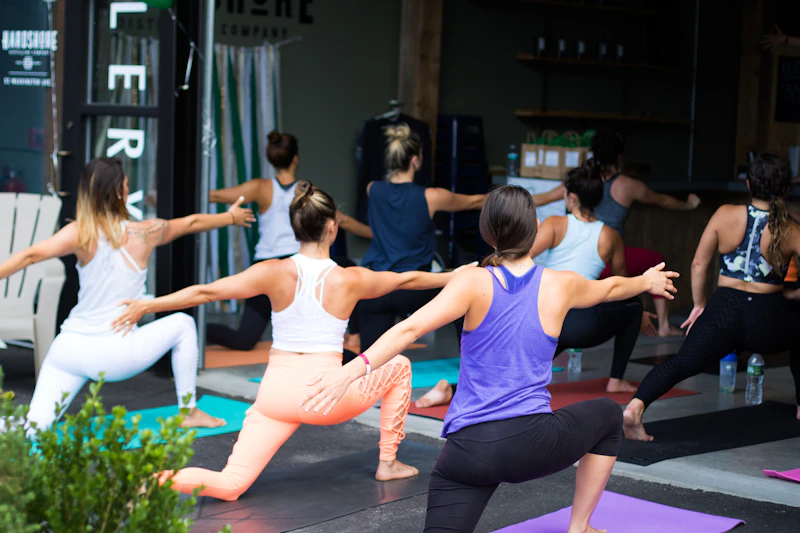
Yoga is the most accessible fitness discipline in Dubai — no equipment, no gym membership required, suitable for all ages and body types. Yet for first-timers, the scene can feel intimidating. Dozens of studios, hundreds of instructors, and a vocabulary that sounds like it requires a Sanskrit degree. This guide cuts through all of it and gives you a simple, practical path from "never done yoga" to confident weekly practitioner. For more, browse our yoga directory with verified Dubai coaches and pricing.
This article is part of our complete yoga in Dubai guide. Once you've got the basics down, that resource covers everything from advanced styles to yoga teacher training.
First: Busting the Beginner Myths
More people delay starting yoga because of misconceptions than any other reason. Let's address the most common ones:
"I'm not flexible enough for yoga."
Flexibility is a result of yoga, not a prerequisite. Everyone starts stiff. Instructors modify every pose for every body.
"Yoga is only for women."
Yoga originated as a male practice. Many elite athletes — including Dubai's professional sports community — practise regularly.
"Yoga isn't a real workout."
Styles like Ashtanga, Power Vinyasa, and hot yoga rival any gym session in cardiovascular and strength demand.
"I need to be spiritual or religious to do yoga."
Modern yoga is primarily a physical and mental wellness practice. You engage with the philosophical elements only as much as you choose to.
Which Style Should Beginners Start With?
Choosing the right style for your first classes is the single most important decision you'll make as a yoga beginner in Dubai. The wrong style (too intense, too esoteric, too fast) puts people off yoga permanently. The right style builds confidence and keeps you coming back.
| Style | Pace | For Beginners? | Notes |
|---|---|---|---|
| Hatha | Slow–Medium | Best Start | Held poses, alignment focus, accessible modifications |
| Restorative | Very Slow | Great Choice | Fully supported poses, deeply relaxing, stress-relieving |
| Yin | Slow | Good Choice | Long-hold stretches, targets connective tissue; can be intense |
| Vinyasa Flow | Medium–Fast | After 1 month | Flowing sequences; learn sun salutations first |
| Hot Yoga | Medium | After 1 month | Heat adds intensity; ensure no heat sensitivity issues |
| Ashtanga | Fast | Not Recommended | Fixed challenging sequence; for consistent practitioners |
| Bikram | Medium | Not Recommended | 42°C heat; serious cardiovascular demand |
| Power Yoga | Fast | Not Recommended | Athletic and intense; build base first |
Bottom line: Start with Hatha. Once you can hold downward dog comfortably, move through a basic sun salutation without losing breath, and feel confident in warrior poses, you're ready to explore Vinyasa or Yin. That typically takes 4–8 classes for most beginners.
Private vs Group Classes: Which First?
This is the most underrated decision for beginners in Dubai. Here's the honest breakdown:
Why Private Lessons First Makes Sense
A qualified yoga instructor in your first 2–3 private sessions will do things a group class cannot: assess your posture and any physical limitations, teach you safe alignment in foundational poses so you don't injure yourself, and create a personalised entry point for your body type and fitness level. Injuries from bad alignment in yoga are real — and most happen to people who rushed into group classes without foundation work.
Private yoga sessions in Dubai typically cost AED 200–350 for 60 minutes. The investment of 2–3 private sessions (AED 400–1,050) before joining group classes protects your body and significantly accelerates your progress. Think of it as one-time tuition that pays dividends for years.
When to Use Group Classes
Group beginner classes are also a valid starting point — especially if budget is a concern. Look specifically for classes labelled "Beginners," "Fundamentals," "Level 1," or "Intro to Yoga." These classes are structured for first-timers, instructors provide more verbal cues and hands-on adjustments, and the pace is deliberately slow. Avoid walking into an "All Levels" class on your first day — these are often pitched as beginner-friendly but assume participants know basic postures.
How Much Does Beginner Yoga Cost in Dubai?
Beginner's budget recommendation: Start with an intro offer (AED 99–149) at a studio near you. This lets you try the environment, the instructors, and the style without a long-term commitment. If you connect with a specific instructor, consider 2 private sessions to build proper foundations before committing to a class pack. See the full yoga cost guide for all pricing benchmarks.
What to Expect in Your First Class
Walking into your first yoga class in Dubai is far less intimidating once you know what's coming:
Arriving
Arrive 10–15 minutes early. This gives you time to sign a liability waiver (standard in Dubai studios), inform the instructor that you're new and mention any injuries or medical conditions, select your mat placement (near the back wall is common for beginners — you can observe others), and settle your nervous system before class begins.
The Class Structure
Most 60-minute yoga classes follow a predictable rhythm. The first 5–10 minutes involve grounding — breathing exercises (pranayama) and gentle warm-up movements. The middle 40–45 minutes involve the standing, balancing, seated, and supine poses that form the main body of practice. The final 5–10 minutes are savasana (corpse pose) — lying flat and still. Savasana is non-negotiable; don't leave early.
Props Are Your Friend
Yoga blocks, straps, bolsters, and blankets are not signs of weakness — they're alignment tools used by practitioners at every level. Your instructor will offer them; accept them. Using a block under your hand in triangle pose is correct technique, not a compromise.
When It's Uncomfortable
There's a difference between productive discomfort (the stretch of a tight hamstring, the effort of a balance pose) and pain (sharp sensation in a joint, feeling dizzy). The former is part of yoga; the latter is a signal to ease off and inform your instructor. Never push through pain in a yoga class.
Find Beginner Yoga Classes in Dubai
Browse certified yoga instructors and studios offering beginner classes near you — filter by location, style, and schedule.
Browse Beginner Classes →Your 8-Week Beginner Plan
Here's a structured approach to your first two months of yoga in Dubai:
8-Week Beginner Roadmap
Foundation: 2 private sessions (60 min each) with a certified instructor. Focus: breathing, mountain pose, downward dog, warrior I & II, child's pose, savasana. No group classes yet.
First Group Classes: Attend 2 beginner/Hatha group classes per week using an intro offer. Observe, don't compete. Use props freely. Speak to the instructor after each class.
Build Consistency: Commit to 3 classes per week — a mix of Hatha and one Yin class. Start to recognise pose names in Sanskrit. Note which poses need more work.
Explore: Try a Vinyasa Flow beginners class. Add a short home practice (15–20 min) 2–3 mornings per week. You should now feel comfortable in any beginner group class in Dubai.
What to Bring to Your First Class
- Yoga mat: Most studios lend or rent mats (AED 5–15), but owning yours is more hygienic. A 4–5mm thick mat is standard.
- Grip socks (optional): For heated studios or if you prefer not to go barefoot. Most yoga is barefoot.
- Comfortable clothing: Fitted or semi-fitted is better than baggy. Loose shirts invert over your face in downward dog — uncomfortable and distracting.
- Water bottle: For pre and post-class hydration. Many studios ask you not to drink during class for certain styles (Ashtanga, Bikram).
- Empty stomach: Avoid eating a full meal within 2 hours before practice. A light snack 30–45 minutes prior is fine.
- Phone on silent (or left outside): This is non-negotiable in most studios. Remove smart watches too.
How to Choose Your First Yoga Instructor in Dubai
The instructor matters more than the studio for beginners. A great teacher with mediocre facilities will outperform a mediocre teacher in a beautiful studio every time. Here's what to look for:
Credentials to Check
Yoga Alliance registration (RYT-200 minimum) is the global standard. In Dubai, the Knowledge and Human Development Authority (KHDA) oversees wellness education. A minimum 200-hour certified instructor has completed structured teacher training and is equipped to work safely with beginners. Beware of "fitness instructors" offering yoga without specific yoga training — it's common in Dubai gyms.
Questions to Ask Before Booking
- How long have you been teaching yoga, and how many of your students are beginners?
- What style do you primarily teach and is it suitable for someone who has never done yoga?
- Do you offer modifications for limited flexibility or joint issues?
- Can I try a single class before committing to a pack?
Browse certified instructors on GetFitDXB's yoga directory, where every profile includes qualifications, experience level, and beginner suitability ratings.
Best Areas for Beginner Yoga in Dubai
Yoga studios are spread across Dubai, but certain areas have higher concentrations of beginner-friendly options:
- Dubai Marina / JBR: Multiple studios within walking distance, strong expat community, many intro offers.
- Downtown Dubai / Business Bay: Premium studios near the financial district, popular for lunchtime and after-work beginner classes.
- Jumeirah: Well-established yoga scene with a mix of boutique studios and independent instructors. Quieter, residential feel.
- JLT: Strong community of wellness studios; more affordable pricing than Marina options.
- Al Barsha: Accessible and affordable options near Mall of the Emirates; less tourist-heavy than the Marina strip.
Ready to Start? Find a Beginner Yoga Class Today
Browse Dubai's certified yoga instructors by area. Many offer free trial sessions for first-timers.
Join Free & Browse →How Quickly Will You Progress?
Realistic expectations are the key to sticking with yoga long-term. Here's what most beginners in Dubai experience:
- After 1–2 classes: Basic familiarity with common pose names. Some muscle soreness (normal).
- After 4–6 classes: Sun salutation flows without significant hesitation. First feelings of genuine relaxation post-class.
- After 2–3 months (weekly practice): Noticeable flexibility gains, improved breathing awareness, better sleep quality reported by most students.
- After 6 months: Confidence to join any beginner/intermediate class without anxiety. Ability to maintain a short home practice independently.
Progress is non-linear. Flexibility gains come in plateaus and jumps. The most consistent practitioners are not those with the most natural ability — they're the ones who show up regularly and practice without ego.
Frequently Asked Questions
How much does beginner yoga cost in Dubai?
A beginner class in Dubai costs AED 80–150 at most studios. Intro offers (often 2–3 classes for AED 99–149) are common and a great starting point. Class packs of 10 sessions average AED 1,000–1,500 and represent better value once you're committed.
What yoga style should beginners start with in Dubai?
Hatha yoga is the best starting point — slower pace, held poses, and emphasis on alignment fundamentals. Restorative yoga is good if you need gentle movement. Avoid Ashtanga, Power Vinyasa, and Bikram as a first class.
Do I need to be flexible to start yoga?
No. Flexibility is a result of yoga practice, not a prerequisite. Most beginner students have limited flexibility and that is entirely normal. Instructors provide modifications for every pose, and props like blocks and straps are standard equipment.
Should I take private yoga lessons or group classes as a beginner?
Starting with 2–3 private sessions is highly recommended. A qualified instructor will assess your posture, teach you foundational alignment, and identify any limitations before you join a group class. Private sessions are AED 200–350 each — worth the investment for injury prevention alone.
Is yoga suitable for all fitness levels in Dubai?
Yes. Yoga is genuinely suitable for all ages and fitness levels. Inform your instructor of any injuries, recent surgeries, or medical conditions before class. Dubai instructors are accustomed to working with diverse student backgrounds.