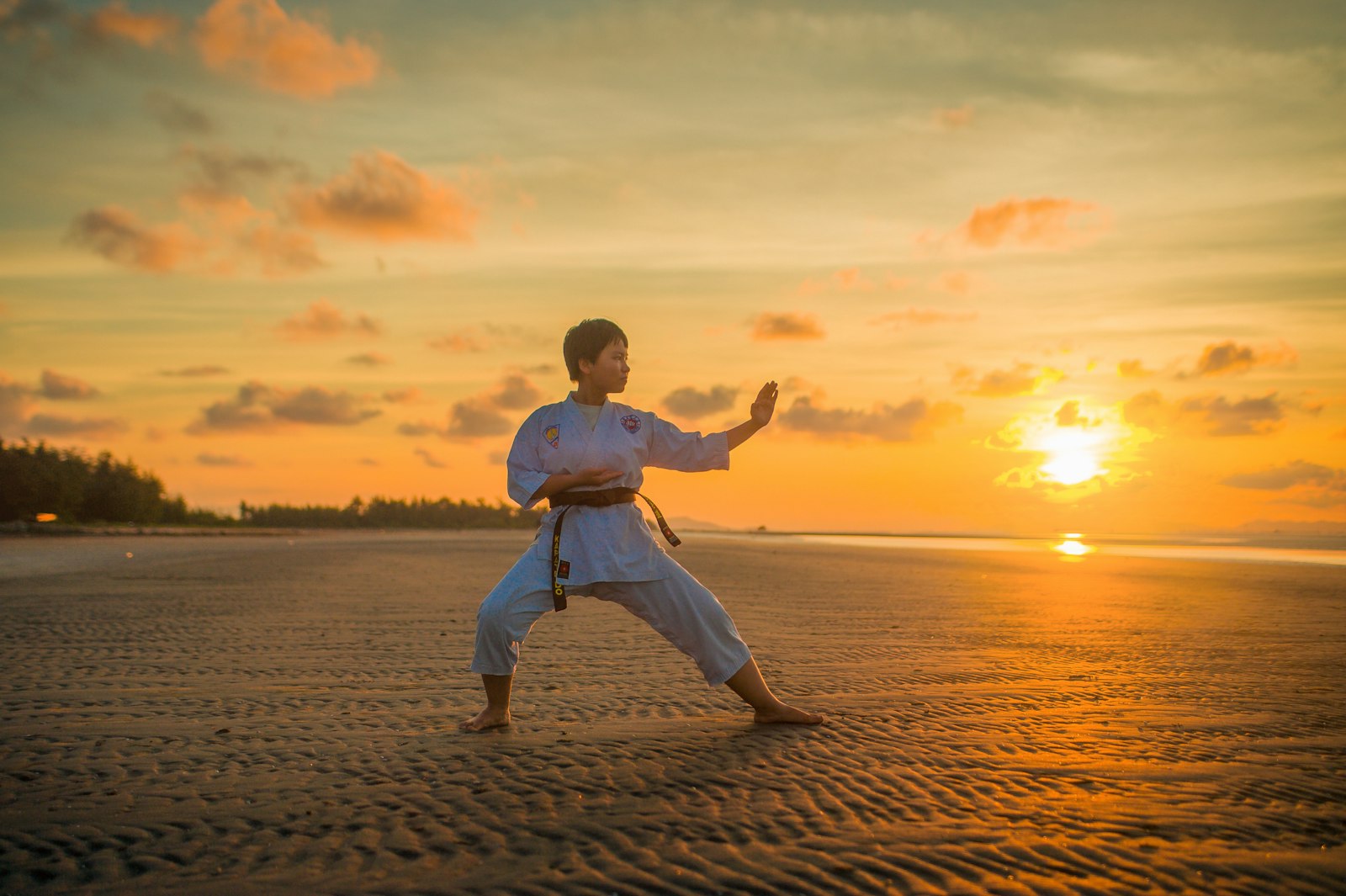
Karate is one of the most established martial arts in Dubai, and for good reason: it builds discipline, real self-defence ability and full-body conditioning without needing a gym full of machines. After 25 years in and around training halls, I rate a karate dojo on three things — the quality of the instructor's lineage and grading, how structured the curriculum is, and whether beginners are actually coached rather than left to copy the back row. This guide covers the best places to learn karate in Dubai, what it costs in 2026, what to expect as a beginner, how to train through the summer and Ramadan, and how to choose a club whether you're an adult, a parent of a young child, or a returning practitioner.
Dubai has a deep karate scene spanning Shotokan, Kyokushin and other styles, with dojos in most major communities. Expect roughly AED 300–525 per month (2026 estimate) for group classes, plus one-off costs for a gi and belt gradings. Most dojos run a free or low-cost trial — always use it before committing.
Karate styles you'll find in Dubai
Not all karate is the same, and the style shapes the training. Shotokan is the most widely taught — long, powerful stances, crisp technique and a strong kata (forms) tradition, well suited to children and structured adult learning. Kyokushin is full-contact and conditioning-heavy, with knockdown sparring; it's demanding and excellent for fitness and mental toughness, but ease in gradually. You'll also find Goju-Ryu and Wado-Ryu clubs around the city.
If your priority is sport karate and competition, look for clubs affiliated with the UAE Karate Federation, which feeds into WKF-format kumite (sparring) and kata events and offers the clearest grading and competition pathway. If self-defence and fitness matter more than medals, the style matters less than the instructor in front of you. A good Sensei in a "lesser" style will serve you far better than a famous style taught by an absent head coach while assistants run the floor.
Best karate clubs and areas in Dubai
Strong karate instruction is spread across the city rather than concentrated in one district, so proximity should drive your shortlist. Established dojos and academy networks run sessions in and around Motor City, Al Quoz, Business Bay, Jumeirah and the Sports City corridor, often inside community centres, schools and dedicated martial-arts halls. Federation-affiliated clubs tend to offer the clearest grading pathway and competition route, while independent neighbourhood dojos often deliver smaller classes and more personal attention.
For families, several academies share premises with other kids' activities, which makes the school run easier — and a number run girls-only or women-only sessions if that matters to your household. Rather than chasing a single "best" name, list the three dojos closest to home or work, check the instructor's rank and the typical class size, and trial each. If you're specifically researching classes for children, our dedicated guide to karate for kids in Dubai covers age-appropriate programmes and what to look for in a kids' instructor, while our complete guide to martial arts in Dubai compares karate against BJJ, Muay Thai, judo and taekwondo.
What to expect as a beginner
Your first month is about fundamentals, not flashy kicks. Expect to drill basic stances, blocks, punches and kicks (kihon), simple partner work, and your first short kata. Etiquette matters in karate — bowing on and off the mat, addressing the instructor as Sensei, and turning up in a clean white gi. You'll start at white belt and progress through coloured belts via gradings; reaching black belt typically takes several years of consistent training, not months.
Sessions usually run 45–60 minutes. You do not need to be fit to start — the training builds the fitness — but expect to sweat, especially through Dubai's summer when even air-conditioned halls run warm. Bring water, train in the gi (not gym kit) once you've enrolled, and don't be put off by the formality; it's part of what makes karate effective at building focus and respect, particularly in children.
Karate class prices in Dubai (2026 estimates)
The figures below are 2026 estimates to help you budget. Always confirm current fees, trial offers and family discounts directly with the dojo, as pricing varies by instructor rank, location and whether classes are unlimited or capped per week.
| Item | Indicative 2026 cost (AED) |
|---|---|
| Monthly group classes | ~300–525 / month |
| Premium / federation academy | up to ~600 / month |
| Gi (uniform), one-off | ~150–300 |
| Belt grading / test | ~150–250 each |
| Trial class | Often free or token fee |
Many dojos offer sibling and term-package discounts of roughly 15–25%, and some bundle the gi into the joining fee. When you compare quotes, look at the all-in annual cost — monthly fees plus gradings and uniform — rather than the headline rate. For how karate sits against other Dubai activities on price, see our taekwondo cost guide, which follows a similar fee structure.
Karate for adults vs kids
Karate is genuinely all-ages. For children (typically from age 4–5), it's one of the best vehicles for focus, coordination and respect, and most academies stream kids by age and belt so a beginner isn't sparring a seasoned junior. For adults, it's a strong, low-cost route to self-defence and conditioning — and unlike many gym routines, it gives you a skill and a grading ladder to chase, which keeps motivation high long after a treadmill habit would have faded.
Adult beginners are common; you won't be the only newcomer on the mat. If you want full-contact intensity, look at Kyokushin; if you want technical, lower-impact progression, Shotokan or Wado-Ryu suit better. Returning practitioners should mention their previous style and grade so the dojo can place them correctly rather than starting from scratch.
Training through Dubai summer and Ramadan
Two Dubai realities shape your karate year. In summer, all serious training moves indoors — every reputable dojo is air-conditioned, so karate is actually an ideal hot-season activity when running and outdoor sport become punishing. During Ramadan, many dojos shift to lighter, later sessions, often scheduling classes after Iftar; if you're fasting, expect reduced-intensity training and confirm the temporary timetable, as it changes each year. Hydration matters year-round in this climate, so factor water and electrolytes into longer or higher-intensity sessions.
How to choose the right dojo
Trial before you pay. Watch whether the instructor actively corrects beginners, how large the classes are (smaller means more feedback), and whether the grading and lineage are clear. Check the schedule fits your week — consistency beats intensity. Confirm the all-in cost including gi and gradings, not just the headline monthly fee. And consider the commute honestly: the best dojo is the one you'll still attend in August. For cross-training, many of our readers pair karate with structured strength work — see our beginner strength training guide to build the supporting conditioning.
The verdict
Karate remains one of the best-value, most rewarding ways to train in Dubai — a genuine skill, a fitness builder and a discipline that carries off the mat. Shortlist the dojos nearest you, prioritise instructor quality and class size over brand name, budget for the gi and gradings on top of the monthly fee, and use the free trial to make sure the style and the teaching suit you. Whether you're enrolling a five-year-old or starting yourself at forty, there's a dojo in Dubai that fits — confirm current schedules and pricing directly before you commit.
Group karate classes typically run around AED 300–525 per month in 2026, with premium federation academies up to roughly AED 600. Budget extra for a gi (about AED 150–300 one-off) and belt gradings (around AED 150–250 each). These are 2026 estimates — confirm current fees and any sibling or term discounts with the dojo. Most Dubai dojos accept children from around age 4–5, streaming them into junior classes by age and belt. Karate is widely used to build focus, coordination and discipline in young children, with structured belt progression that keeps them motivated. Shotokan is the most widely taught and beginner-friendly, with structured technique and kata. Kyokushin is full-contact and tougher, better suited once you've built a base. The instructor's quality matters more than the style for most new students. Reaching black belt typically takes several years of consistent training, not months — usually around three to five years depending on the style, grading standards and how often you train. There are no shortcuts; gradings test genuine skill. No. The training itself builds the fitness, and adult beginners are common in Dubai dojos. Expect to start with basics and progress gradually. Sessions are usually 45–60 minutes, and halls are air-conditioned for Dubai's summer. Yes — karate combines cardio, strength, mobility and core conditioning, and because it's a skill with a grading ladder, it tends to keep people training far longer than a generic gym routine. Full-contact styles like Kyokushin are especially demanding physically.Frequently Asked Questions
How much do karate classes cost in Dubai?
What age can children start karate in Dubai?
Which karate style is best for beginners?
How long does it take to get a black belt in karate?
Do I need to be fit to start karate?
Is karate a good workout for adults?