
The difference between good athletes and great ones isn't always about training harder it's about recovering smarter. Whether you're grinding at GymNation or training for Dubai's desert races, understanding deload weeks and strategic rest is essential for long-term progress. This complete guide covers everything: when to deload, how Dubai's climate affects recovery, and the exact protocols used by top athletes in the UAE.
What Is a Deload Week?
A deload week is a planned recovery period where you intentionally reduce training volume, intensity, or both. Unlike passive rest days, deload weeks maintain movement and activity while allowing your central nervous system, joints, and muscles to recover from accumulated fatigue.
Think of it as a deliberate pause in your training progression. Instead of lifting heavy or running fast, you might perform the same exercises at 40-50% intensity or reduce total weekly sets by 40-60%. The goal isn't fitness gains it's preparation for the next training block and injury prevention.

Why Every Athlete Needs Deload Weeks
Central Nervous System Recovery
Heavy strength training, sprinting, and high-intensity work fatigue your nervous system as much as your muscles. Continuous high-intensity training without deload accumulates neural fatigue, degrading coordination, strength, and power output. A deload week allows neuromuscular function to fully recover.
Connective Tissue Adaptation
Tendons and ligaments adapt slower than muscle tissue. High training volume stresses joints and connective tissues, but recovery during deload weeks allows adaptation and strengthens these structures. Skipping deload weeks dramatically increases injury risk.
Hormonal Balance
Chronic high-volume training elevates cortisol and suppresses testosterone, disrupting hormonal balance and increasing inflammation. Deload weeks normalize hormone levels, improving recovery capacity and reducing injury susceptibility.
Psychological Restoration
Mental fatigue accumulates with demanding training. A deload week provides psychological relief, maintaining motivation and preventing burnout especially important in Dubai's intense fitness culture where many athletes train year-round in heat.
Signs You Need a Deload Immediately
- Persistent fatigue: Feeling drained despite adequate sleep and nutrition
- Performance decline: Lifts feeling heavy, pace slowing, power decreasing
- Elevated resting heart rate: 10+ bpm above normal baseline
- Sleep disruption: Difficulty falling asleep or poor sleep quality
- Mood changes: Irritability, anxiety, or depression
- Recurrent niggles: Persistent minor aches that won't fully resolve
- Immune suppression: Catching frequent colds or infections
- Loss of appetite: Reduced hunger or digestive issues
- Declining motivation: Dreading workouts instead of enjoying them
Track your resting heart rate daily. If it's elevated 8-12 bpm above baseline for 3+ consecutive days, schedule a deload. Also monitor Heart Rate Variability (HRV) via apps like Whoop or Elite HRV declining HRV indicates nervous system fatigue requiring recovery.
Active Deload vs Passive Deload: When to Use Each
Deload strategies fall into two categories, each suited for different situations:
Active Deload (60-70% of Athletes)
What it is: Maintaining movement and activity at 40-50% normal intensity. You still exercise, just lighter.
Perfect for: Most athletes, routine deload cycles, when you still want to move and train.
Activities: Light yoga, leisurely swimming, easy walking, mobility drills, low-intensity cycle, light resistance work at 30-40% 1RM, foam rolling, stretching.
Benefits: Maintains movement quality, keeps blood flowing to aid recovery, psychologically satisfying, prevents complete detraining.
Passive Deload (30% of Athletes)
What it is: Minimal to no structured exercise. Rest, recovery activities only.
Perfect for: Severe overtraining, burnout, acute injury, when athlete is mentally exhausted.
Activities: Walking, very light stretching, massage, meditation, sauna, complete rest days.
Benefits: Maximum nervous system recovery, rapid hormone normalization, ideal for severe fatigue.
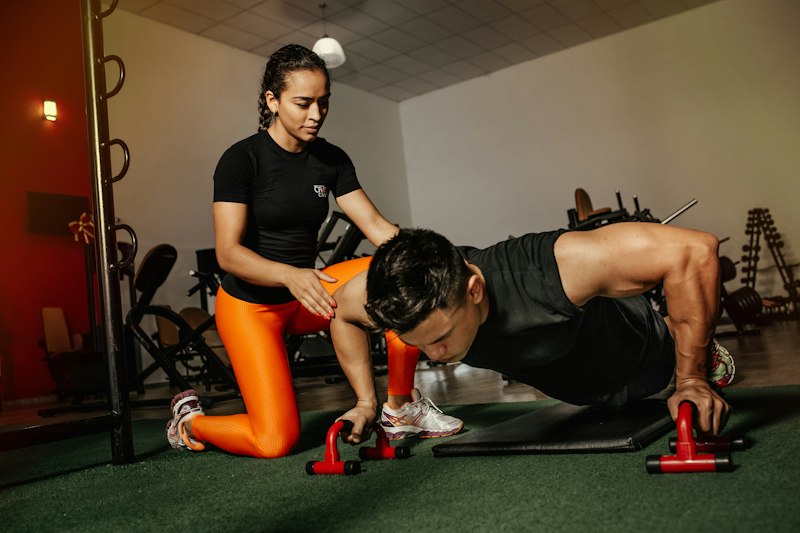
Complete rest longer than 2 weeks causes detraining. Muscle begins declining after 7-10 days without stimulus. For mental health reasons or injury, passive deload is appropriate just return to training gradually and avoid extended complete rest.
How Often Should You Deload? The 4-8 Week Cycle
Deload frequency depends on training intensity and personal recovery capacity:
| Training Type | Intensity Level | Deload Frequency | Typical Volume |
|---|---|---|---|
| High-Intensity Strength | Heavy (85%+ 1RM) | Every 4-5 weeks | 15-20 total weekly sets per muscle |
| Moderate Hypertrophy | Medium (70-80% 1RM) | Every 5-7 weeks | 12-15 weekly sets per muscle |
| High-Volume Endurance | Moderate (Zone 2-3) | Every 4-5 weeks | 8-10 hours weekly volume |
| Mixed Functional Training | High (HIIT, Circuits) | Every 3-4 weeks | 4-5 sessions weekly, mixed intensity |
| Moderate CrossFit Style | Moderate-High | Every 5-6 weeks | 3-4 sessions weekly |
Listening to Your Body vs the Calendar
Guidelines are just that guidelines. Some athletes recover faster, others slower. Athletes training 5+ days weekly benefit from earlier deloads. Those training 3 days weekly can extend 6-8 weeks. Track overtraining signs and deload when needed, even if it's earlier than planned.
How Dubai's Heat & Humidity Affect Recovery Needs
Dubai's unique climate with temperatures regularly exceeding 45°C (113°F) and humidity over 60% places additional stress on recovery systems. Your deload strategy should account for Dubai-specific factors:
Heat-Induced Dehydration
Even without intense exercise, Dubai's heat causes significant fluid loss. During regular training, you might lose 1-2 liters per hour in heat. This depletes electrolytes (sodium, potassium, magnesium) critical for muscle function and recovery. Deload weeks should emphasize hydration 3-4 liters daily is standard, with electrolyte supplementation.
Elevated Baseline Cortisol
Heat stress itself elevates cortisol levels. Combined with training stress, Dubai athletes carry chronically elevated cortisol. Strategic deload weeks help normalize cortisol, crucial for recovery and metabolic health.
Seasonal Variation in Dubai
Deload frequency should shift with seasons. Summer (June-August) requires more frequent deloads due to extreme heat stress. Winter (December-February) allows longer training blocks due to cooler temperatures and lower recovery demand.

Deload Week Workout Programming: The 50% Rule
Deload weeks reduce stimulus while maintaining movement quality. Here's the framework:
The 50% Reduction Model
- Reduce total sets by 40-50%: If normally doing 15 sets for chest, do 8 sets during deload
- Reduce working weight by 40-50%: If squatting 140kg, deload with 80kg
- Maintain exercise selection: Do the same lifts, just lighter and fewer sets
- Extend rest periods: Take longer between sets, focus on movement quality
- Add movement variety: Include mobility work, activation drills, and light functional movement
Example Deload Week Structure
Monday: Light strength day (3x8 compound lifts at 50% intensity, minimal accessories)
Tuesday: Yoga, mobility, stretching (60 minutes)
Wednesday: Light cardio (easy 30-min walk or slow swim)
Thursday: Strength, same as Monday
Friday: Mobility and foam rolling
Saturday & Sunday: Leisure activity (hiking, casual walks, social sports)
Use RPE (Rate of Perceived Exertion) instead of percentages. Work at RPE 5/10 (feels easy, could do many more reps). Never push hard during deload. The mental shift from "pushing" to "moving well" is crucial for actual recovery.
Top Dubai Recovery Services to Use During Deload Weeks
Dubai's thriving fitness industry offers world-class recovery modalities. Maximize deload benefits by using these services:
Sports Massage & Physiotherapy
Cost:
One of the most evidence-backed recovery methods. Sports massage improves blood flow, reduces muscle tension, and accelerates waste product clearance. Schedule 1-2 sessions during deload weeks. Top providers: Regain Physio, Next Level Recovery, Performance Clinic Dubai.
Cryotherapy
Cost:
3-minute whole-body cold exposure (minus 140°C) reduces inflammation and accelerates recovery. Most effective 24-48 hours post-training, but helpful during deload for systemic recovery. Available at most premium gyms and specialized recovery centers.
Infrared Sauna
Cost:
Infrared heat penetrates deeper than traditional saunas, improving circulation and promoting parasympathetic activation (relaxation response). 20-30 minutes sessions are ideal. Benefits include improved sleep quality, reduced inflammation, and detoxification.
Float Tank Therapy
Cost:
Floating in 1,200 liters of highly salted water creates weightlessness that relieves pressure on joints and muscles. 60-minute sessions significantly reduce cortisol and anxiety while improving sleep. Excellent for nervous system recovery during deload weeks.
Yoga & Recovery Classes
Cost:
Yin yoga, restorative yoga, and mobility-focused classes aid deload weeks. These emphasize parasympathetic activation and gentle tissue work rather than building fitness. Many Dubai studios offer specialized recovery classes.
Smart Deload: Professional Recovery Planning
Combine 2-3 recovery modalities during deload weeks for maximum benefits. Book your recovery strategy consultation today.
Sleep, Nutrition & Hydration: The Recovery Foundation
Technical recovery (massage, sauna) matters, but sleep and nutrition are foundational:
Sleep During Deload
Most athletes need 8-10 hours nightly, but during deload aim for 9-10 hours. Deep sleep (Stages 3-4) is when growth hormone peaks and protein synthesis occurs. Prioritize:
- Consistent sleep schedule (same bedtime/wake time daily)
- Cool room temperature (16-18°C is optimal)
- No screens 60 minutes before bed
- Magnesium supplementation (400-500mg) if sleep is poor
Nutrition During Deload
Reduce calories slightly (10-15%) to match reduced activity, but prioritize protein still 0.8-1g per lb bodyweight. Focus on:
- Anti-inflammatory foods: Fatty fish (salmon, sardines), berries, leafy greens, turmeric
- Micronutrient density: Colorful vegetables for vitamins and minerals
- Hydration: 3-4 liters daily in Dubai heat, plus electrolytes
- Whole foods: Minimize processed foods; emphasize nutrient density

Hydration Protocol for Dubai Athletes
Even during light deload weeks, Dubai's heat demands aggressive hydration:
- Morning: 500ml water with electrolytes upon waking
- Throughout day: 250ml every 30 minutes (3-4L total)
- Evening: Taper hydration 2 hours before bed to minimize sleep disruption
- Monitor: Urine should be pale yellow (not clear or dark)
- Electrolytes: Include sodium, potassium, magnesium daily
Returning to Training After Deload: The Ramp-Up Protocol
Deload only works if you return to training properly. Avoid jumping straight back to max intensity:
Week 1 Post-Deload (Recovery Week)
Return at 70-75% normal intensity. Same exercises, slightly reduced volume, RPE 6-7/10. This transitions your body back to normal training stress while ensuring full recovery.
Week 2 (Build Week)
Progress to 80-85% intensity. Add volume gradually. Some athletes add new exercises or increase weight 5-10%.
Week 3+ (Peak Training)
Return to normal intensity and volume. If feeling strong, push toward new PRs in the following weeks.
Athletes often want to "go hard" immediately after deload, thinking they're more recovered. Resist this. You're recovered enough to handle normal training, not peak training. Gradual ramp-up prevents re-injury and maintains long-term progression.
Complete Sample Deload Week for Dubai Athletes
Fitness Level: Intermediate (lifting 4x/week, running 1x/week)
| Day | Activity | Duration | Intensity | Notes |
|---|---|---|---|---|
| Monday | Upper body light (4x5 DB press, rows, light arms) | 45 min | RPE 5/10 | 50% normal weight, focus form |
| Tuesday | Yoga + mobility | 60 min | Very Light | Restorative flow, deep stretches |
| Wednesday | Easy walk or swim | 45 min | Conversational pace | In air-conditioned pool if outdoor heat extreme |
| Thursday | Lower body light (4x5 squats, lunges, light leg curl) | 45 min | RPE 5/10 | 50% normal weight, focus form |
| Friday | Foam rolling + stretching | 40 min | Self-myofascial release | Target tight areas: quads, IT band, chest |
| Saturday | Recovery service + rest | 90 min | Massage or sauna | Professional recovery modality |
| Sunday | Leisure day | Variable | Complete rest or casual walk | Family time, light activity, no training |
Weekly Totals:
- Training days: 4
- Total training volume: ~3.5 hours (vs 8-10 hours normally)
- Recovery modalities: 1-2 sessions
- Rest days: 2-3

FAQ: Deload Weeks and Rest Days
Q: Can I do a deload week if I'm trying to lose weight?
A: Yes, absolutely. Reduce intensity and volume as planned, but maintain protein intake and modest calorie deficit (300-500 kcal). Deload weeks actually improve fat loss by normalizing hormones (cortisol, leptin) that regulate appetite and energy expenditure. Some athletes maintain calories during deload to prioritize recovery, then return to deficit the following week.
Q: What if I can't afford massage or recovery services during deload?
A: Deload still works with just rest, sleep, and home recovery. Massage is beneficial but not required. Home alternatives: foam rolling, hot baths with Epsom salt, stretching videos, and prioritizing 8-10 hours sleep. These are 80% as effective as professional services.
Q: Should I do HIIT training during deload?
A: No. HIIT defeats the purpose by maintaining nervous system stress. Save HIIT for normal training blocks. During deload, stick to Zone 2 cardio (conversational pace, 50-70% max heart rate), easy walks, or recreational activities.
Q: Is one deload week per year enough?
A: No, unless you train very lightly. One deload yearly is insufficient for serious athletes. Most benefit from quarterly deloads (every 4-12 weeks depending on volume). Think of it like your car's maintenance regular service prevents breakdowns.
Q: Can deload weeks improve my performance?
A: Absolutely. Post-deload, athletes typically experience improved strength, power, and endurance. You'll feel faster, stronger, and less achy. This peak performance usually appears 1-2 weeks after deload when you return to normal training rested.