Dubai has redefined what it means to be fit—and fashionable. In a city where appearances matter, gym culture has evolved into something far beyond reps and sets. It's about what you wear to your 6am F45 class, which fitness influencer you follow on Instagram, where you're photographed post-workout, and how seamlessly your activewear transitions from JBR beach to brunch at SoHo Garden. Dubai's fitness culture is a lifestyle statement, a social phenomenon, and a booming marketplace all at once. This comprehensive guide explores every facet of Dubai's fitness fashion scene, from the best activewear brands to the cultural norms and influencer landscape shaping the industry.
1. Dubai's Fitness Culture: How It Became a Lifestyle
Twenty years ago, Dubai wasn't known as a fitness destination. Today, it rivals London and New York as a global fitness capital. This transformation wasn't accidental—it reflects Dubai's broader evolution into a lifestyle-focused, wellness-obsessed city where health is a status symbol and gym membership is as essential as a smartphone.
The Rise of Fitness as Status
In Dubai, your fitness level is visible. Whether you're in a sports car on Sheikh Zayed Road, at a beach club in Jumeirah, or dining at a rooftop restaurant in Downtown, your physique sends a message. This social pressure, combined with Dubai's relentless heat and active lifestyle, created perfect conditions for a fitness boom. The city's ex-pat population (over 80% of residents) comes from fitness-forward cultures, bringing global gym standards and expectations. What started as a functional need—staying fit in a city of young professionals—became a cultural identity marker.
The Dubai Fitness Challenge: A Cultural Moment
Every November, Dubai Fitness Challenge brings the entire emirate together. For 30 days, residents commit to 30 minutes of daily activity. Government workers get time off, corporates launch internal competitions, and gyms operate 24 hours. This isn't just a fitness event—it's cultural infrastructure. It legitimises fitness as something everyone does, from CEOs to construction workers to influencers. The challenge has fundamentally shaped how Dubaiians think about fitness, turning it from an individual pursuit into a collective celebration.
Gym Culture as Social Currency
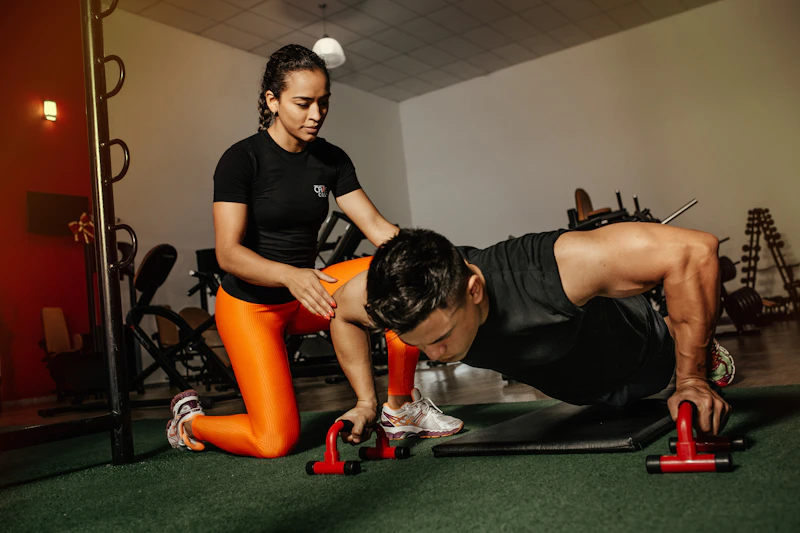
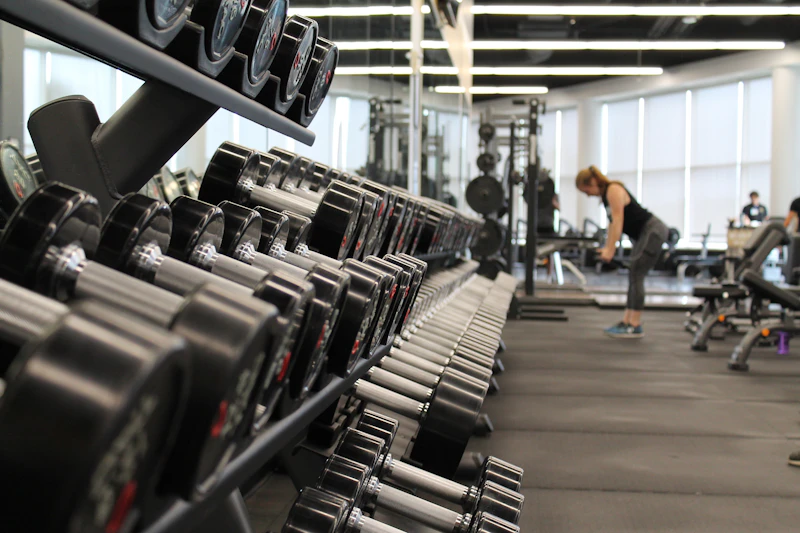
Dubai gyms have become social clubs. Premium facilities like Warehouse Gym, Equinox, and Fitness First Platinum offer far more than equipment—they're networking hubs where business deals happen, friendships form, and social hierarchies are quietly established. The best gyms have premium lounges, juice bars, and steam rooms where people linger after workouts. Friday morning classes at F45 or Barry's Bootcamp are as much about seeing and being seen as they are about exercising. This social dimension is crucial to understanding Dubai fitness culture: workouts are performance, and the gym is a stage.
The "Dubai Fit" Aesthetic
Walk into any premium gym in Dubai and you'll notice an aesthetic consistency: tanned skin, sculpted physiques, designer activewear, and carefully curated post-workout content. This isn't vanity—it's the visual language of Dubai fitness culture. The ideal physique is lean, toned, and achieved through consistent training and visible discipline. Fitness transformations are celebrated publicly. Influencers document their journeys. Personal trainers showcase their client results as portfolio pieces. There's an implicit understanding that fitness success should be visible and shareable.
Diversification of Fitness Communities
While mainstream gym culture dominates, Dubai's fitness scene has diversified dramatically. CrossFit boxes create tight-knit, competitive communities. Running clubs meet at 5am on JBR beach. Yoga studios attract wellness-focused practitioners. Cycling clubs dominate Marina social media. Swimming communities gather at Kite Beach. These aren't isolated subcultures—they interconnect, share members, and collectively shape Dubai's broader fitness identity. A person might do CrossFit three times weekly, yoga twice, and run on weekends—mixing and matching according to lifestyle and social circles.
- Over 150 commercial gyms across the emirate
- 30+ boutique fitness studios (F45, Barry's, SoulCycle)
- 1.8 million participants in Dubai Fitness Challenge 2025
- Fitness industry worth AED 2+ billion annually
- Average gym membership: AED 100-500/month for budget, AED 2,000+ for premium
2. The Dubai Gym Dress Code: What to Wear and Where
Dubai's gym dress code reflects the city's unique cultural and social dynamics. Unlike some international cities with strict, enforced codes, Dubai's dress expectations are more fluid—shaped by gym tier, cultural considerations, and social norms rather than written rules.
Premium Gym Culture (Warehouse Gym, Fitness First Platinum, Equinox)
Premium gyms expect polished presentation. Members wear matching sets (designer sports bra and high-waist leggings for women; compression wear and branded tees for men). Activewear should be from recognizable brands—Lululemon, Alo Yoga, Gymshark, Nike. Shoes matter; pristine sneakers are expected, worn-out gym shoes are not. Many premium members hire personal trainers who enforce subtle style standards through modeling. This isn't explicit gatekeeping; it's cultural osmosis. New members notice what everyone wears and adjust accordingly.
The Sports Hijab Revolution
One of the most significant fitness fashion trends in Dubai is the explosion of performance modest wear. Nike Sport Hijab, designed for athletes who maintain religious dress during exercise, transformed gym accessibility for Muslim women. Local brands like Capsters and others now offer hijabs in moisture-wicking materials, fashionable colors, and performance-ready designs. These aren't fashion accessories—they're functional, sports-specific gear that enables participation. Modern modest gym wear (long-sleeve sports tops, high-waist leggings, hijabs) is increasingly visible in Dubai's premium gyms, reflecting the city's multicultural fitness community.
Men's Gym Fashion Standards
Male gym fashion in Dubai tends toward compressed, fitted aesthetics. Compression shirts or fitted tees (preferably branded) paired with joggers or gym shorts. Many men wear designer brands even to the gym—Dior, Balenciaga, or premium activewear like Gymshark and Under Armour. Footwear ranges from specialized gym shoes to luxury sneakers. Accessories matter: expensive watches are common, designer gym bags are everywhere, and some members wear jewelry during workouts (gold chains, branded bracelets). This reflects a broader Dubai aesthetic where luxury is visible across all contexts, including fitness.
Women's Gym Fashion Standards
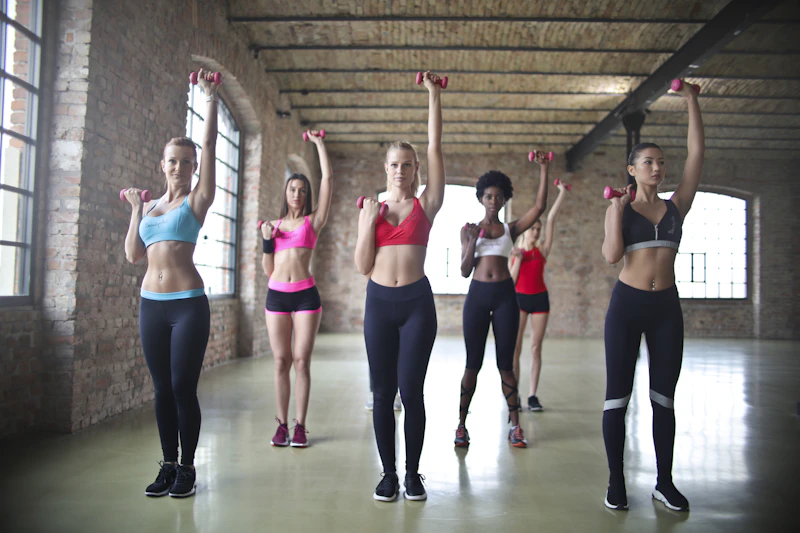
Female gym fashion in Dubai emphasizes the matching set aesthetic: coordinated sports bra and leggings, typically from premium brands. High-waisted leggings dominate, often paired with crop tops or fitted tanks. Athleisure-style pieces (oversized hoodies, track pants) are acceptable, especially for warm-up/cool-down phases. Footwear is typically specialized gym shoes or designer sneakers. Accessories include designer gym bags, luxury smartwatches, and expensive sunglasses (even indoors). Notably, there's less body diversity visible in Dubai gyms compared to Western cities—the aesthetic leans toward very fit, sculpted physiques, which influences what people wear and how comfortable they feel in different settings.
Beach and Outdoor Workouts (JBR, Kite Beach, Dubai Marina Walk)
Beach fitness culture is more relaxed. Women often wear bikini tops with training shorts or leggings. Men wear swim shorts or training shorts with no shirt (though some wear fitted tank tops). Footwear varies from barefoot (common for sand running) to minimalist shoes or beach sandals. Importantly, beach workouts attract younger demographics and international visitors who aren't bound by the same conservative norms as indoor gym culture. However, even at the beach, a baseline of fitness and aesthetic presentation is visible—people aren't there to just exercise, they're there to be seen exercising.
Cultural Dress Considerations
Dubai's fitness culture exists within broader cultural and Islamic contexts. While the UAE is relatively liberal compared to neighboring countries, modesty is still valued. This means gym culture adapts: separate female-only gyms exist, prayer facilities are available at most gyms, and modest dress is respected across all venues. Some women prefer female-only gyms or all-female class times. Some men are uncomfortable with mixed-gender classes. Understanding and respecting these preferences isn't a constraint—it's a feature that makes Dubai's fitness culture more inclusive. The key is being aware: what works at JBR might not work in a corporate gym, and that diversity is by design.
3. Best International Activewear Brands in Dubai
Dubai's mall culture means international activewear brands are abundantly available. Here are the market leaders and their presence in Dubai:
Lululemon
Lululemon dominates Dubai's premium activewear market. Located in Dubai Mall and Mall of Emirates, the brand commands top-tier prices and cult following. Popular pieces and UAE pricing: leggings (AED 350-650), sports bras (AED 250-450), hoodies (AED 400-550). The brand's emphasis on quality, design, and brand prestige resonates with Dubai's aspirational fitness community. Waitlists form for new collections. Limited editions sell out within hours. Lululemon represents the aspirational peak of activewear in Dubai—owning Lululemon pieces signals fitness commitment and financial capacity.
Nike
As the global leader, Nike has pervasive presence across Dubai. Multiple locations including City Walk, Dubai Mall, Mall of Emirates, and independent Nike stores. Price range covers budget to premium: gym leggings AED 200-400, sports bras AED 150-350, running shoes AED 250-600. Nike's advantage is accessibility—it's recognizable, available everywhere, and offers excellent value. Nike Dri-FIT technology dominates Dubai gyms. The Nike Sport Hijab, launched specifically for the regional market, has been transformative for modest activewear adoption.
Adidas
Adidas maintains strong presence with multiple emirates and online. Price positioning slightly below Nike: leggings AED 180-350, sports bras AED 120-280, shoes AED 200-500. Adidas has successfully positioned itself as performance-focused, appealing to athletes and competitive fitness enthusiasts. The brand partnerships with influencers and fitness events (Dubai Running events, CrossFit competitions) give it credibility in Dubai's fitness community.
Gymshark
The UK brand has massive following in Dubai, particularly among younger, serious gym-goers and social media-savvy fitness enthusiasts. Primarily online (Gymshark.com with UAE delivery), but increasingly stocked in premium boutiques. Price positioning: leggings AED 200-400, tops AED 100-250, hoodies AED 250-400. Gymshark appeals to the aspirational fitness demographic—people who take their training seriously and see activewear as performance gear and identity marker simultaneously. Limited drops create scarcity urgency; new collections sell out quickly.
Alo Yoga
Alo Yoga stores in Dubai Mall and online represent premium wellness positioning. Price range significantly higher than competitors: leggings AED 500-800, sports bras AED 350-550, hoodies AED 600-900. Alo attracts yoga practitioners, wellness-focused fitness enthusiasts, and those viewing activewear as lifestyle wear—clothes appropriate for gym, post-workout errands, and casual socializing. The brand's aesthetic leans toward luxe minimalism, appealing to the design-conscious demographic.
Sweaty Betty
The UK brand has growing presence in Dubai. Currently available through premium boutiques and online. Price positioning in premium tier: leggings AED 350-600, sports bras AED 250-400. Sweaty Betty attracts fitness enthusiasts who value British design sensibility and community-focused brand values.
Under Armour
Multiple locations including Mall of Emirates and specialty stores. Mid-tier pricing: leggings AED 200-400, sports bras AED 150-300. Under Armour appeals to competitive athletes and those prioritizing performance technology over brand prestige.
| Brand | Leggings (AED) | Sports Bra (AED) | Main Location | Price Tier |
|---|---|---|---|---|
| Lululemon | 350–650 | 250–450 | Dubai Mall, MOE | Premium |
| Alo Yoga | 500–800 | 350–550 | Dubai Mall, online | Ultra Premium |
| Gymshark | 200–400 | 100–250 | Online, select boutiques | Mid-Premium |
| Nike | 200–400 | 150–350 | Multi-location (10+) | Mid-Range |
| Adidas | 180–350 | 120–280 | Multi-location (8+) | Mid-Range |
| Under Armour | 200–400 | 150–300 | MOE, specialty stores | Mid-Range |
| Sweaty Betty | 350–600 | 250–400 | Premium boutiques, online | Premium |
4. Dubai Homegrown and Regional Activewear Brands
Beyond international labels, regional and Dubai-based brands are reshaping activewear. These brands understand local culture, preferences, and requirements in ways global companies sometimes miss.
Lorna Jane (Australian Brand, Massive in Dubai)
Australian brand Lorna Jane has disproportionate presence in Dubai. While less common than Lululemon or Nike in Western markets, Lorna Jane is virtually a mainstream brand in UAE. Available through online platforms and select boutiques. Pricing in premium mid-range: leggings AED 250-450, sports bras AED 150-300. The brand's focus on female athletes and motivational messaging resonates with Dubai's aspirational fitness community. Lorna Jane founder Jane Jie Sun is media-savvy; the brand's ambassador culture extends to Dubai fitness influencers.
Modest Activewear: The Growing Market
The modest activewear revolution is perhaps the most significant regional trend. Brands like Capsters (UAE-based, sports hijab specialist), Modest Active, and others offer performance modest wear. These brands don't compromise on functionality: moisture-wicking fabrics, strategic seaming, range of motion optimization. Pricing competitive with mainstream brands: hijabs AED 100-250, modest sports tops AED 150-350, leggings AED 180-400. The market is growing rapidly as more Muslim women participate in visible fitness culture. This isn't niche—it's becoming mainstream, reflected in major international brands' regional expansion.
GymPro (Dubai-Based)
Local startup GymPro has carved a niche in affordable, functional activewear. Pricing aggressively competitive: leggings AED 100-200, tops AED 50-150. The brand positions itself as "Dubai gym wear," with designs reflecting local heat, humidity, and culture. Online primarily, with growing social media presence driven by micro-influencer partnerships and user-generated content. GymPro represents the future of regional activewear: designed locally, priced accessibly, and leveraging social proof rather than global brand prestige.
Online Marketplaces and Aggregators
Ounass.com and Namshi.com are essential for Dubai fitness shopping. Both platforms aggregate international brands, offer competitive pricing, and provide UAE delivery. Namshi particularly focuses on trend-driven, aspirational pieces. Both have curated activewear sections featuring Lululemon, Gymshark, Alo, and emerging brands. Shopping online has become mainstream, reducing reliance on physical retail.
The modest activewear market in Dubai is growing 35-40% year-over-year, outpacing global activewear growth (15-20%). This reflects both demographic trends (Muslim women increasingly participating in visible fitness) and cultural shifts (modest fashion becoming mainstream luxury). Major international brands are now developing regional modest lines specifically for Middle Eastern markets.
Find Dubai's Top Fitness Professionals on GetFitDXB
Connect with trainers who live and breathe Dubai's fitness culture. From boutique studios to personal training, discover fitness professionals who match your style and goals.
5. Fitness Photography in Dubai: The Instagram Culture

Fitness in Dubai isn't complete without photography. The city's Instagram culture around fitness is pervasive, influencing everything from workout choice to clothing selection to timing of gym visits. Understanding this dimension is crucial to understanding modern Dubai fitness culture.
Best Fitness Photography Spots in Dubai
Kite Beach: Iconic spot with water, sand, kites in background, and consistent golden hour light. Frequented by fitness photographers and influencers. Early morning (5-7am) offers best light and least crowding. The beach is aesthetically photogenic while delivering genuine workouts.
JBR Boardwalk: Marina city backdrop combined with sea views creates magazine-quality backgrounds. Peak photography times: early morning (6-8am) and sunset (5-7pm). The boardwalk naturally draws fitness enthusiasts; many come as much for photographs as workouts.
Dubai Frame: Architectural landmark offering unique backdrops. Less crowded than beach spots. Best for posed, lifestyle-focused photography rather than action shots.
Burj Khalifa Backdrop: Downtown Dubai locations offer world-famous skyline backgrounds. Popular with transformation photographers documenting fitness journeys. Slightly touristy aesthetic but powerfully recognizable.
Dubai Marina Walk: Urban aesthetic combined with water views. Popular for morning runs and group fitness sessions. Photography-friendly abundance of angles and backdrops.
The Role of Instagram in Dubai Fitness Economy
Instagram isn't peripheral to Dubai fitness—it's central. The platform functions as a marketplace where fitness professionals build credibility, influence, and client bases. Transformation posts (before/after fitness journeys) generate engagement and attract clients. Workout videos demonstrate training methodology and build authority. Lifestyle posts positioning fitness as part of aspirational living sell both services and mindset. For many Dubai fitness professionals, Instagram reach directly translates to revenue: more followers means more inquiries, higher rates, and sponsorship opportunities.
Photography-Friendly Gyms and Studios
Premium studios design spaces explicitly for photography. Warehouse Gym has Instagram-optimized design—exposed brick, mood lighting, minimal clutter. Barry's Bootcamp features dramatic lighting and energetic backgrounds. F45 studios are compact and photogenic. Some boutique studios have photography hours or designated aesthetic zones. This isn't mere vanity—it's business strategy. Gyms understand that photogenic spaces drive membership through social proof.
The Transformation Culture
Fitness transformation posts (90-day, 1-year, before/after) are a cultural category. Posters document journey progression, share struggles and victories, and build community through vulnerability and results. The best transformation posts combine consistency (regular updates), honesty (showing difficulties), and outcome (visible results). These posts generate massive engagement and position posters as fitness role models. The implicit message: "This person did it; I can too." Transformation culture creates accountability and community simultaneously.
Ethical Considerations: Body Image and Realistic Expectations
Dubai's fitness Instagram culture, while inspiring, can set unrealistic expectations. The platform showcases exceptional physiques achieved through professional coaching, nutrition management, and genetic predisposition. Algorithms amplify aesthetic appeal over authenticity. This creates potential for body dysmorphia, unsustainable expectations, and unhealthy comparison. Progressive fitness accounts in Dubai are increasingly emphasizing realistic timelines, process over results, and body diversity. The narrative is shifting: fitness isn't about achieving an aesthetic ideal, but about building capability and health. This gradual cultural evolution is visible in the accounts gaining the most engaged followers and respect from the fitness community.
6. Dubai Fitness Influencers: The Faces Shaping the Scene
Dubai fitness influencers aren't merely documenting workouts—they're architects of culture, setting standards, promoting brands, and shaping how thousands of people approach fitness. The ecosystem is sophisticated, professionalized, and economically significant.
How Dubai Became an Influencer Fitness Hub
Dubai's combination of favorable weather (outdoor fitness year-round), abundant fitness infrastructure (150+ gyms), international population (diversity of fitness cultures), and high-income demographic (ability to invest in premium services) created perfect conditions for fitness influencers. The city also has lower tax environment and business-friendly regulation, making it attractive for digital entrepreneurs. Additionally, Dubai's time zone places it between Asian and European markets, allowing influencers to engage with global audiences. The result: a concentration of serious fitness content creators building massive platforms from Dubai base.
Characteristics of Successful Dubai Fitness Influencers
Visible Results: Successful influencers have exceptional physiques achieved through documented training. Before/afters are common and convincing. Professionalism: Content quality is high—professional photography, videography, editing. Captions are articulate and valuable. Niching: Rather than generic "fitness," successful influencers specialize—yoga teachers, powerlifters, transformation coaches, nutrition specialists, recovery specialists. Engagement: Influencers actively respond to comments, build community, and create belonging. Authenticity: While curated, successful accounts show vulnerability, challenges, and real struggles. Variety: Content mix includes results, process, education, entertainment, and lifestyle. Collaboration: Successful influencers partner with brands, other creators, and service providers, expanding reach and credibility.
Types of Dubai Fitness Influencers
Personal Trainer Influencers: Coaches building brands through client results, training methodology content, and expertise demonstration. Often offer online coaching or premium personal training. Revenue through coaching, courses, and brand partnerships. Examples include highly experienced trainers with 50k-500k followers documenting client transformations.
Lifestyle Fitness Influencers: Position fitness as component of aspirational living—luxury, travel, wellness integration. Less focused on extreme results, more on sustainable, enjoyable fitness. Revenue through brand partnerships, affiliate marketing, and lifestyle courses.
Specialist Influencers: Yoga teachers, nutrition coaches, recovery specialists, mobility experts. Build authority within niche. Revenue through courses, workshops, consultations, and brand partnerships aligned with specialty.
Transformation Influencers: Document dramatic physique changes, body recomposition, or fitness journey overhauls. Build massive engagement through relatable before/afters and process documentation. Revenue through online coaching, courses, and brand sponsorships.
Influencer Partnerships and Gym Collaborations
Dubai gyms understand influencer power. Many facilities offer ambassador programs: free or discounted membership in exchange for content creation, tagged posts, and audience referrals. This arrangement benefits both parties—gyms gain visibility and foot traffic; influencers gain resources and exclusive content angles. Some influencers become official faces of gyms, featuring in marketing and leading special classes. These partnerships are now standard business strategy rather than side benefit.
Dubai Fitness Influencers vs. Global Fitness Instagram
Dubai fitness influencers differ in meaningful ways from global fitness accounts. The audience is more internationally diverse (100+ nationalities viewing from UAE). The aesthetic is more luxe and aspirational—content frequently features premium locations, designer activewear, high-end settings. The culture is more performance and results-focused (visible physiques expected). There's less tolerance for "health at every size" messaging; results and visible fitness are prioritized. The market is smaller (1M+ active fitness social media users in UAE) but more concentrated and higher-value (higher purchasing power). The influencer ecosystem is therefore tighter, more collaborative, and less competitive than global fitness Instagram.
Looking for trainers and coaches who inspire you? Browse GetFitDXB's complete trainer directory to find professionals building the fitness culture you admire.
7. Athleisure Culture in Dubai: From Gym to Everywhere
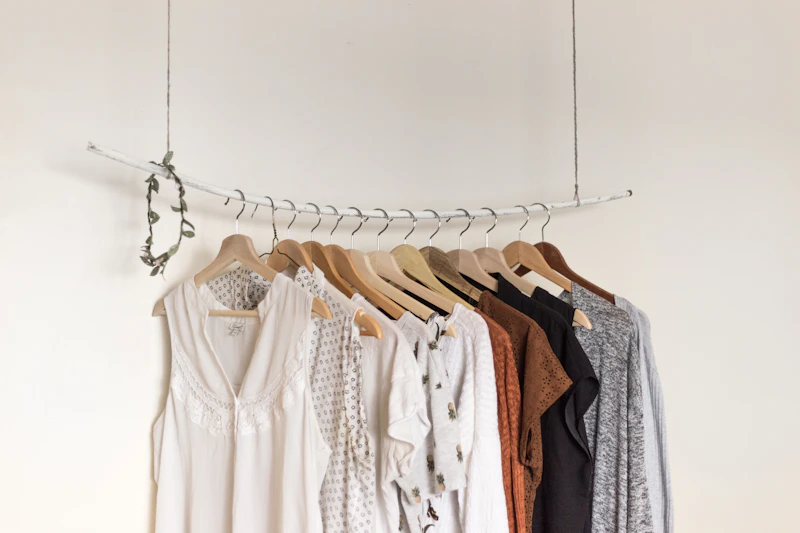
Athleisure—activewear appropriate for everyday life, not just workouts—is perhaps uniquely suited to Dubai culture. The city's climate, aspirational lifestyle focus, and fitness obsession created perfect conditions for athleisure dominance.
Athleisure as Cultural Norm in Dubai
In many Western cities, wearing gym clothes to non-gym settings signals "I just worked out" or "I'm running errands." In Dubai, athleisure is lifestyle default. It's perfectly acceptable (and common) to wear matching leggings set to mall shopping, brunch, post-workout socializing, or casual errands. Athleisure pieces are expensive enough to signal investment and taste, casual enough for daily wear, and performance-focused enough to feel functional. This cultural acceptance of athleisure reduces psychological friction for fitness-focused individuals—you can optimize for workouts while maintaining stylish everyday appearance.
Athleisure-Appropriate Venues in Dubai
Brunches and Social Fitness: Post-workout brunches at SoHo Garden, Dinner in the Sky, or casual cafes often involve wearing the same outfit worn to morning workout. Athleisure is appropriate and expected. Malls and Shopping: Dressed-up activewear is standard for mall shopping. Matching sets with designer sneakers and bags are normal. Beach Clubs: Athleisure transitions naturally from workout to casual beach time. Casual Restaurants: Upscale casual dining accepts athleisure, particularly higher-end activewear brands. Social Fitness Events: Dubai Fitness Challenge events, fitness festivals, and community workout moments make athleisure explicitly appropriate.
Premium Athleisure Brands
Vuori: American brand blending performance and luxury. Pricing: joggers AED 300-500, hoodies AED 350-600. Emphasizes versatile pieces appropriate for gym and everyday. Rhone: Premium performance wear. Pricing competitive with Vuori. Outdoor Voices: Casual-luxury positioning. More emphasis on relaxed fit than performance. Lululemon (beyond yoga): Increasingly positioning as lifestyle brand. ABC joggers and hoodies command premium pricing but are ubiquitous in Dubai everyday wear. Alo (beyond yoga): Expanding beyond yoga wear into comprehensive athleisure line.
The Luxury Gym Bag Phenomenon
Dubai fitness culture has created unexpected market: luxury gym bags. These aren't functional gym duffels—they're designer fashion pieces that happen to hold gym clothes. Louis Vuitton offers gym bags (AED 4,000-8,000+). Hermès Evelyne bags function as gym bags. Lululemon bag collection (AED 400-800) are status items. Designer gym bags serve purpose (carrying clothes/equipment) and status function (visible luxury). This phenomenon is uniquely Dubai—the intersection of fitness obsession and luxury consumption. Functional gym bags work fine, but investing in luxury gym bag signals fitness commitment and financial capacity simultaneously.
Where to Shop Athleisure in Dubai
Dubai Mall: Concentration of premium activewear and athleisure brands. Lululemon, Alo Yoga, Nike, Adidas all have substantial athleisure sections. Mall of Emirates: Sweaty Betty, Decathlon, sports-specific retailers. City Walk: Trendy, curated athleisure boutiques. More editorial positioning than mall stores. JBR The Walk: Beach-focused activewear boutiques. Casual aesthetic but premium pricing. Online: Ounass.com, Namshi.com primary platforms. Seamless delivery, broader selection, competitive pricing.
Ready to Start Your Dubai Fitness Journey?
Browse classes, book trainers, and discover Dubai's wellness scene. Find professionals who understand the culture and can help you achieve your fitness goals.
8. Shopping Guide: Where to Buy Activewear in Dubai
Dubai Mall
The epicenter of activewear retail. Houses Lululemon (largest store outside Canada, multiple levels), Nike (flagship experience), Alo Yoga, Adidas, Under Armour, and emerging brands. Fashion designers increasingly have athleisure sections. Brands regularly launch new collections here first. Peak shopping: weekday mornings (10am-1pm), post-dinner evenings. Parking easy with mall structure. Designer prices—expect premium pricing as default.
Mall of Emirates
Broader selection with budget options. Sweaty Betty, Decathlon, Sports Direct (budget option, AED 50-200 price point), Nike, Adidas. More family-oriented atmosphere than Dubai Mall. Good for value shopping and trying multiple price points. Parking abundant. Restaurants and entertainment options make it destination shopping.
JBR The Walk
Beach-focused boutiques and casual activewear retailers. Atmosphere more relaxed than malls. Mix of established brands and independent boutiques. Beach context means workout wear focus rather than athleisure positioning. Less crowded than major malls. Peak times: weekends, early evenings. Good for beach-specific needs (rash guards, swimwear, minimalist shoes).
Online Shopping: Ounass.com
Curated luxury marketplace featuring Lululemon, Alo, Gymshark, Sweaty Betty, premium brands. Strong editorial positioning—looks like luxury magazine. Competitive pricing on premium brands. UAE delivery standard. Returns hassle-free. Best for: comparison shopping premium brands, discovering new labels, finding sale items.
Online Shopping: Namshi.com
Broader selection, more trend-focused. Lululemon, Nike, Adidas, emerging brands, regional brands. Frequent sales and promotions. Caters to trend-conscious shoppers. UAE delivery. Returns straightforward. Best for: trend discovery, frequent sales, faster content updates.
Dubai Outlet Mall
Discounted luxury and premium activewear. Nike outlet, Adidas outlet, sometimes premium brand overstock. Price point 30-50% below regular retail. Quality same as regular stores (excess inventory, last season). Peak shopping: off-season (summer, when many international shoppers avoid). Parking good but crowded. Worth the trip if hunting specific discounted brands.
The Outlet Village
Second outlet option with additional stores. Less crowded than Dubai Outlet Mall. Similar pricing dynamics. Worth comparing if outlet shopping.
Decathlon (Multiple Locations)
Budget option for functional activewear. Prices: leggings AED 80-180, sports bras AED 50-120, shoes AED 150-350. Own-brand focus (Domyos, Kiprun, etc.). Quality reliable for budget price. Perfect for: budget-conscious shoppers, functional basics, trying new categories before premium investment. Less fashion-focused, more function-first. Locations across major malls.
Secondhand and Pre-Loved Options
Dubai has vibrant secondhand market for activewear. Facebook groups dedicated to fitness equipment and activewear resale. Higher-end pieces (Lululemon, Alo, Gymshark) frequently appear. Typical savings: 30-50% below retail. Carrefour has pre-loved section with activewear. Quality varies; buyer beware applies.
International Delivery Considerations
Most international brands ship to UAE. Global shipping costs AED 50-200+. Import duties apply (typically 5%). Delivery time 2-3 weeks standard. Return policies vary—some brands allow free returns to international warehouses, others charge. ASOS, Net-A-Porter, and luxury retailers ship to UAE. Worth exploring for unique brands unavailable locally. Currency exchange rates add variable cost. For premium brands with UAE presence (Lululemon, Nike), local shopping often more cost-effective than international ordering.
9. Fitness Events and Culture Moments in Dubai
Dubai Fitness Challenge (November)
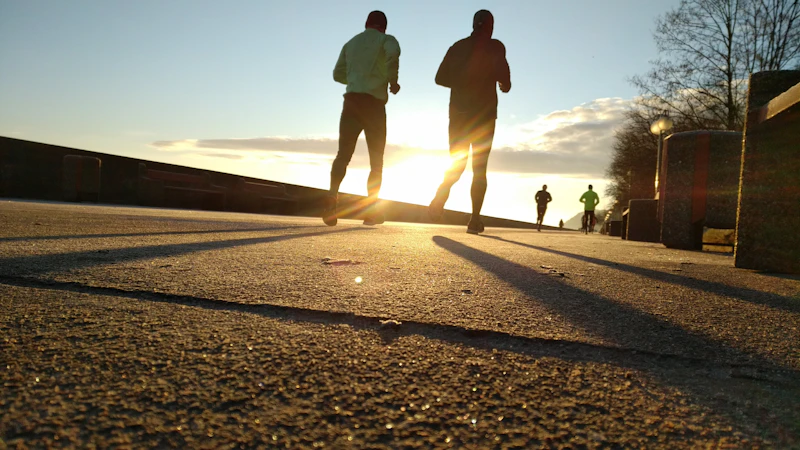
The marquee fitness event. 30 days, 30 minutes daily commitment. Government-sponsored, city-wide participation. Events hosted across entire emirate. Participation ranges from casual individuals to elite athletes. Creates visible, collective fitness culture moment. Government workers given time off. Corporate teams compete internally. Gyms offer special classes and extended hours. Entire city energy shifts toward fitness. For fashion and culture perspective: new activewear launches coincide with challenge. Influencers create challenge-specific content. Brands sponsor challenge events. Participants upgrade wardrobes for visible participation. Challenge is both health initiative and retail moment.
Dubai Run (March)
Sheikh Zayed Road closed for runners and walkers. 15km and 5km categories. Massive participation (50,000+ runners). Festive atmosphere mixing serious athletes and casual participants. Photo-worthy moment (iconic road closure). Running brands showcase latest collections. Post-run brunch culture significant. Fashion dimension less pronounced than Fitness Challenge but still present—runners wear branded gear, document participation on social media.
The Color Run Dubai
Fun, accessible race with paint splashing stations. Less competitive, more social. Attracts families and non-serious athletes. Fashion-casual tone—people wear bright, fun activewear. Less profile than major races but valuable for community building and inclusivity signaling.
Spartan Race Dubai
Obstacle course racing. Intense training culture around event preparation. Training partners, specialized training protocols, equipment focus. Fashion practical (durable shoes, secure clothing) rather than aesthetic. Builds tight community of Spartan-focused athletes.
Yoga Day at Burj Park
Morning yoga session with city skyline backdrop. Free, accessible, aspirational setting. Photography-perfect moment. Emphasizes yoga as lifestyle choice and community activity. Moderate participation but significant Instagram visibility.
CrossFit Open Dubai Community Events
Annual competition with global participation. Builds tight-knit community around CrossFit training. Equipment-specific culture. Less fashion-focused, more performance-focused. Brands (Rogue Fitness, Reebok) sponsor events.
How Events Shape Fitness Fashion and Culture
Major events serve as cultural moments where fitness is celebrated, visibility is high, and new activewear collections are launched. Events create inflection points: before event (preparation, equipment purchases), during event (visible participation, documentation), after event (momentum, fatigue, next challenge planning). Events make fitness temporary priority for non-serious participants, expanding the visible fitness community. Events create content moments for influencers and participants—engagement, reach, sponsorship opportunities. Events build collective identity—"Dubai is a fitness city" narrative repeatedly reinforced through public celebration. Without major events, fitness remains individual pursuit; with events, fitness becomes cultural phenomenon.
10. The Future of Dubai's Fitness Culture
Sustainability in Fitness Fashion
Emerging trend: eco-conscious activewear. Sustainable fabric technology (recycled plastic, organic cotton, innovative materials) growing rapidly. Brands like Patagonia expanding activewear lines. Regional brands emphasizing sustainability as differentiator. Dubai market receptiveness to sustainability varies—premium segment increasingly values environmental responsibility, budget segment prioritizes cost. Future likely brings increased sustainable options, particularly premium positioning. This reflects global trend accelerating in affluent markets like Dubai.
Technology Integration in Fitness Wear
Smart fabrics and biometric integration expanding. Clothing embedded with sensors tracking heart rate, temperature, movement efficiency. Integration with fitness apps and wearables. Premium brands investing in technology-enabled activewear. Dubai's tech-forward, high-income demographic attracts innovation. Future likely brings increased smart clothing availability and normalization of biometric wear data tracking.
Fitness Retreats and Wellness Tourism
Dubai positioning itself as wellness tourism destination. Fitness-focused retreats combining luxury accommodation, professional training, nutrition coaching, recovery services. This creates demand for associated activewear, creates local fitness influencer opportunities, expands fitness market beyond resident population. Fitness tourism economy likely to grow significantly.
Dubai 2040 Urban Master Plan Impact
Government development plan includes expanded parks, improved cycling infrastructure, more accessible outdoor spaces. This facilitates outdoor fitness growth, reduces reliance on indoor gym infrastructure, expands fitness accessibility. Urban planning explicitly supports fitness as priority. Infrastructure improvements will likely increase outdoor fitness culture, expand amateur athletic participation, and change how fitness is practiced and consumed.
Growing Emirati Participation in Gym Culture
Historically, gym culture skewed toward international residents. Recently, increased Emirati participation visible. Government incentives for fitness, Dubai Fitness Challenge emphasis on inclusivity, increasing women's fitness participation among nationals. Future likely brings more diverse representation, broader market expansion, greater cultural integration of fitness as Emirati identity. This will influence aesthetic norms, fashion expectations, and cultural priorities around fitness participation.
GetFitDXB's Role in Supporting the Ecosystem
Platforms connecting fitness professionals with clients are increasingly important as market matures. GetFitDXB's directory helps professionals build visibility, reach clients, and participate in fitness ecosystem. As Dubai fitness market grows more sophisticated, need for matching quality trainers with serious clients increases. Technology platforms facilitating these connections become essential infrastructure. Future likely brings increased digital intermediation, better matching algorithms, and expanded professional opportunities for serious fitness coaches through platforms like GetFitDXB.
Dubai's fitness culture is still in growth phase. The market is maturing—moving from novelty toward sustainability and diversification. Fashion trends will continue evolving. Technology will increasingly integrate. Inclusivity will expand. Professionalization will deepen. The next five years will see fitness culture more integrated into broader Dubai identity than ever before.