Olympic weightlifting is experiencing rapid growth in Dubai, driven by CrossFit's mainstream adoption and increasing interest among expats seeking explosive power development. Whether you're a complete beginner curious about the sport or an experienced athlete looking to refine technique, this comprehensive guide covers finding qualified coaches, locating proper facilities, understanding the learning progression, and integrating Olympic weightlifting into your training. We'll demystify the snatch and clean & jerk, explain why elite athletes across all sports use these movements, and show you realistic timelines for meaningful progress.
Table of Contents
- What Is Olympic Weightlifting?
- Why Olympic Weightlifting Is Growing in Dubai
- Finding Qualified Olympic Weightlifting Coaches
- The Best Gyms for Olympic Weightlifting in Dubai
- Getting Started: Your First Month
- Equipment You'll Need
- Olympic Weightlifting Competition in Dubai
- Programming Alongside CrossFit or Strength Training
- Frequently Asked Questions
What Is Olympic Weightlifting?
Olympic weightlifting is the sport of lifting maximally heavy loads in two specific movements: the snatch and the clean & jerk. These are the only two lifts contested at the Olympics and in competitive weightlifting meets. Understanding the distinction between these lifts and what makes them valuable is essential to appreciating the sport.
The Snatch
The snatch is a single, explosive movement where you pull a barbell from the ground directly overhead in one continuous motion. You descend under the bar (rather than pulling it high) and catch it in a deep squat position, then stand up to lockout. The difficulty: extreme coordination, flexibility, and explosive power from the ground position.
The Clean & Jerk
This movement has two phases. First, the clean: you explosively pull the barbell from the ground to your shoulders, descending under it to catch in a front squat position. Second, the jerk: from shoulder level, you dip your legs, then explosively extend and split your legs (or squat) under the bar, pressing it overhead. This teaches power development and upper-body strength.
Olympic Lifting vs. Powerlifting
A common confusion: powerlifting (squat, bench press, deadlift) emphasizes maximum strength. Olympic weightlifting (snatch, clean & jerk) emphasizes explosive power and technique. Olympic lifts are more technically demanding; powerlifts are conceptually simpler. Both are valuable; they develop different qualities.
Why Elite Athletes Use Olympic Weightlifting
Athletes from all sports—basketball, football, track, martial arts—use Olympic weightlifting because it develops explosive power, rate of force development, and full-body coordination in ways no other training method matches. The rapid extension of hips, knees, and ankles translates directly to athletic performance: jumping, sprinting, throwing.
Why Olympic Weightlifting Is Growing in Dubai
CrossFit's Influence
CrossFit introduced Olympic weightlifting movements to mainstream audiences worldwide, including Dubai. Most CrossFit workouts include snatches or cleans, creating demand for quality coaching in these movements. Many Dubai athletes now pursue Olympic lifting specifically after discovering it through CrossFit.
The Expat Athlete Community
Dubai's large expat population includes former college athletes, competitive fitness enthusiasts, and people seeking new athletic challenges. Olympic weightlifting appeals to goal-oriented individuals wanting to develop elite-level technique and compete internationally.
Emerging Competitive Scene
The UAE Weightlifting Federation has grown substantially, hosting local competitions, national championships, and hosting regional competitions. Dubai now has a viable competitive pathway for serious athletes.
Body Composition Benefits
Olympic weightlifting demands high training frequency (4–6 days weekly for serious athletes) and develops muscular physiques alongside strength. Results are dramatically visible—athletes often drop body fat while building muscle because of the high-frequency, explosive nature of the training.
Finding Qualified Olympic Weightlifting Coaches in Dubai
Essential Qualifications
Not all strength coaches understand Olympic weightlifting. Look specifically for:
- IWF (International Weightlifting Federation) Certification: The gold standard. IWF credentials require rigorous training and demonstrated coaching competence.
- National Federation Coaching Certification: The UAE has a weightlifting federation; coaches with their certification have been vetted locally.
- USA Weightlifting Certification: Credible certification from the American governing body, widely respected internationally.
- Actual Competitive Experience: Coaches who've competed bring practical knowledge of technique and progression
Questions to Ask Potential Coaches
- What certifications do you hold? Can you verify them?
- How many years have you been coaching Olympic weightlifting?
- How do you program for beginners? What's your progression timeline?
- How do you assess and correct form? What are your primary teaching progressions?
- Can you provide references from previous clients?
- What do you charge, and what's included?
Red Flags to Avoid
- Coaches with no specific Olympic weightlifting credentials
- Those who claim you can learn Olympic lifting in group classes without foundational coaching
- Coaches who focus on loading weight quickly instead of technique development
- No experience coaching beginners to intermediate athletes
Use GetFitDXB to find verified weightlifting coaches across Dubai. Filter by specialty, location, and read reviews from other athletes. Most offer initial consultations (free or minimal cost) to discuss goals and training approach.
The Best Gyms for Olympic Weightlifting in Dubai
Al Quoz: The Weightlifting Hub
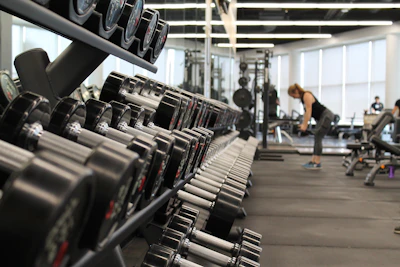
Al Quoz has emerged as Dubai's weightlifting epicenter. Warehouse-style gyms feature multiple competition platforms, full sets of competition-grade barbells, bumper plates, and dedicated coaching. Most serious lifters train in Al Quoz because equipment and coaching concentration is highest here.
Dubai Marina & Downtown
Premium boxes and gyms in Marina and Downtown offer Olympic lifting options, though equipment is sometimes secondary to CrossFit programming. Quality varies; ensure they have proper platforms and bumper plates.
What to Look For in an Olympic Lifting Facility
- Multiple Competition Platforms: Allows multiple athletes to train simultaneously without waiting
- Bumper Plates: Essential for Olympic lifts. Metal plates damage floors; bumper plates protect equipment and safety
- Competition-Grade Barbells: Proper bars flex appropriately and have adequate spin on the collars for Olympic lifts
- Mirrors & Coaching: Coaches need to see lifter form; mirrors help
- Air Conditioning: Non-negotiable in Dubai
- Qualified Coaching Available: Not all staff need expertise, but qualified coaches should be accessible
- Only one lifting platform (limits training partners, creates bottlenecks)
- No bumper plates (indicates casual approach to Olympic lifting)
- Worn or bent barbells (indicates poor maintenance)
- No qualified coaching staff (you'll plateau quickly without guidance)
Getting Started: Your First Month of Olympic Weightlifting
The Learning Progression
Olympic lifting is highly technical. Proper progressions prevent injury and build solid foundations. Expect this progression:
Weeks 1–2: Learning Positions
You'll practice positions without weight. The coach teaches you to stand in the power position (shallow squat, athletic stance), practice the receiving position (deep squat overhead for snatch, front squat for clean), and understand body positioning. You'll use PVC pipes or wooden dowels to groove movement patterns. This feels elementary but is essential.
Weeks 3–4: Adding Light Weight
With solid positioning, you'll add an empty barbell (20kg), practicing hang positions first (starting mid-thigh) before pulling from the ground. You'll practice the hip extension power drive that creates explosive force. No actual heavy lifting yet—focus is entirely on movement pattern.
Weeks 5–8: Building Strength & Technique
Gradually increasing weight (3–5kg per session), you'll perform full lifts from the ground. Your coach will cue positions, timing, and depth. You're building both strength and neural efficiency. Expect to lift 20–30kg at the end of month one—light, but with solid positions.
Beyond Month One
After 4–6 weeks of consistent training (3–4x/week), you'll progress to heavier work. Learning timelines vary: some athletes grasp snatch technique quickly; others take longer. Patience is essential—rushing leads to injury and poor movement patterns ingrained for years.
Realistic Timeline to First Snatch
With 3–4 sessions weekly and good coaching, most adults can perform a technically sound snatch within 6–12 weeks. The snatch is technically harder than clean, so expect it to take longer than clean mastery. Don't measure success by weight lifted; measure it by technique quality.
Required Mobility
Olympic lifts demand ankle, hip, knee, and shoulder mobility. Many people—especially desk workers in high-stress Dubai jobs—lack this mobility initially. Expect 5–10 minutes daily mobility work: ankle circles, hip stretches, thoracic rotations, shoulder pass-throughs. This isn't optional; it's foundational.
Ready to Start Olympic Weightlifting?
Find a qualified coach near you and book an assessment session. Most coaches offer initial consultations to discuss your goals and training approach.
Equipment You'll Need
Olympic Lifting Shoes
Proper lifting shoes have an elevated heel (about 0.75 inches) that improves ankle positioning and upright torso position during squatting and receiving positions. Popular brands: Adidas AdiPower, Nike Romaleos, Puma Kosmo. Cost: AED 400–700. These are an investment but significantly improve technique and performance.
Can you train without them? Yes, initially. But serious progression demands proper shoes. You can find lifting shoes at major Dubai sports retailers (Sun & Sand Sports, Dick's Sporting Goods) or online.
Weight Belt
A weight belt provides intra-abdominal pressure support during heavy lifts, protecting your lower back. Cost: AED 150–300. Quality matters—cheap belts are uncomfortable; good ones support properly. Get a 10cm wide, genuine leather belt.
Wrist Wraps
Wrist wraps provide wrist support during jerks and heavy front squats. Cost: AED 80–150. Many lifters wrap wrists with athletic tape initially, then upgrade to wraps as they progress.
Chalk or Liquid Grip
For barbell grip. Chalk (AED 20–40) is traditional; liquid grip (AED 30–50) is alternative. Check your gym's policy—some prohibit chalk due to mess. Both improve grip security on heavy lifts.
Optional but Beneficial
- Knee Sleeves: Warmth and mild compression for knees during squat-heavy training (AED 200–400)
- Elbow Sleeves: Warmth and compression for elbows during jerk work (AED 150–300)
- Lifting Straps: For deadlifts and other movements when grip is limiting (AED 50–100)
- Qualified coaching (most important investment)
- Access to proper facility with platforms and bumper plates
- Lifting shoes (improves technique significantly)
- Weight belt (useful once lifting heavy enough to warrant it)
- Wrist wraps and knee sleeves (quality of life improvements)
Olympic Weightlifting Competition in Dubai
UAE Weightlifting Federation
The UAE Weightlifting Federation sanctions competitions at local, national, and regional levels. Members can compete in age and weight categories, with separate divisions for men and women. Competitions typically feature best-of-three attempts in snatch, then best-of-three in clean & jerk. Total of the best snatch and clean & jerk determines ranking.
Masters Divisions
If you're over 35, masters divisions exist, typically in 5-year age brackets. This allows competition among lifters of similar age and experience, not just young athletes. Many lifters discover Olympic lifting later in life and compete successfully in masters divisions.
How to Register for Your First Competition
- Contact the UAE Weightlifting Federation (federation.weights@gmail.com or check their official website)
- Determine your weight category and age division
- Submit registration with entry fees (typically AED 150–300)
- Declare your opening weights (the weight for your first attempt)
- Attend the competition, warm up, and compete according to rules
The Dubai Fitness Challenge Connection
Some weightlifting competitions occur alongside the annual Dubai Fitness Challenge in November. This high-profile event draws international competitors and media attention, offering unique opportunities for Dubai-based athletes.
Realistic Timeline to Competition
Most lifters should train 3–6 months before competing. You need solid technique, confidence in your lifts, and adequate strength to handle competition weight. Competing too early leads to poor performances that can be discouraging.
Programming Olympic Weightlifting Alongside CrossFit or Strength Training
Olympic Lifting + CrossFit
Many CrossFit athletes want to improve Olympic technique beyond what group CrossFit classes provide. You can combine both. Structure: 2–3 dedicated Olympic lifting sessions per week (focusing on technical development and building skill), plus 2–3 CrossFit classes. The overlap of movements (snatch, clean) is actually beneficial—CrossFit provides conditioning stimulus; dedicated sessions provide technique refinement.
Olympic Lifting + Strength Training
Olympic lifting and strength training are complementary. Olympic lifting improves explosive power and full-body coordination; strength training improves maximal force production. Combine them: 2–3 Olympic lifting sessions, 1–2 strength-focused sessions (squats, presses, deadlifts) weekly for a balanced program.
Frequency Recommendations
- Beginner: 2–3 dedicated Olympic lifting sessions per week (plus general conditioning if desired)
- Intermediate: 3–4 Olympic lifting sessions, potentially combined with strength or conditioning work
- Advanced: 4–6 Olympic lifting sessions, potentially supplemented with strength work
Energy Systems & Recovery
Olympic lifting is anaerobic and technically demanding. Your nervous system needs recovery between sessions. Never train Olympic lifts in back-to-back days when you're new to the sport. Allow at least one rest day per week, ideally two (one active recovery like light cardio or stretching, one complete rest). Sleep quality becomes critical—aim for 7–9 hours nightly.
Avoiding Overtraining
Signs you're training too much: persistent fatigue, technique deterioration despite effort, strength declining week-to-week, mood changes, difficulty sleeping. If these occur, reduce training frequency by one day per week, extend rest periods, and prioritize sleep and nutrition.
Frequently Asked Questions
How long does it take to learn the snatch?
Learning a technically competent snatch typically requires 8–16 weeks with 3–4 sessions per week under qualified coaching. You'll perform snatches much sooner (week 3–4), but technical proficiency—lifting with stable positions and proper power development—takes months. Expect continued technical refinement for years.
Is Olympic weightlifting safe for beginners?
Yes, when coached properly. Injury risk is very low with qualified instruction and appropriate progression. Poor coaching or rushing progression increases injury risk dramatically. Start light, focus on positions, and progress methodically. More injuries come from improper technique and ego-driven loading than from the sport itself.
What's the difference between Olympic lifting and powerlifting?
Olympic lifting focuses on explosive power with two lifts: snatch and clean & jerk. Powerlifting focuses on maximal strength with three lifts: squat, bench press, deadlift. Olympic lifting is more technically demanding; powerlifting is more straightforward. Both develop strength and muscle; they emphasize different qualities and movement patterns.
Do I need special equipment to start?
At minimum, you need access to a facility with Olympic lifting platforms and bumper plates, plus qualified coaching. Lifting shoes help but aren't mandatory initially. Other equipment (belt, wraps, sleeves) improves comfort and safety but can wait until you're lifting heavier weight.
Are there beginner competitions in Dubai?
Yes. The UAE Weightlifting Federation hosts competitions for all experience levels, including first-time lifters. Masters divisions provide age-appropriate competition. Your first competition can occur 3–6 months after starting with proper coaching. It's an incredible experience and motivating milestone.
Can women succeed in Olympic weightlifting?
Absolutely. Women are powerful Olympic weightlifters, and Dubai has growing female participation. The sport is equally accessible to women and men. Proportionally, fewer women participate, but there's no physical reason—women develop explosive power, strength, and technique the same way men do. Many boxes and clubs actively encourage women's participation.