📋 Quick Navigation
- What Is Olympic Weightlifting?
- Why Olympic Weightlifting Is Growing in Dubai
- Where to Train Olympic Weightlifting
- How to Find an Olympic Weightlifting Coach
- Olympic Weightlifting Technique: The Snatch Breakdown
- Olympic Weightlifting Technique: The Clean & Jerk
- Programming for Olympic Weightlifting Beginners
- Costs in Dubai
- Competition & Events
- FAQ
Olympic weightlifting is one of the most dynamic and rewarding strength sports, combining explosive power, technical precision, and iron discipline. Whether you're looking to build elite strength, challenge yourself with a new sport, or train like an athlete, Dubai's growing Olympic weightlifting community offers world-class coaching, state-of-the-art facilities, and a supportive network of lifters at all levels. This complete guide covers everything from finding the right coach to mastering the snatch and clean & jerk.
What Is Olympic Weightlifting?
Olympic weightlifting, also called "Olympic lifting" or "Olympic weightlifting," is a competitive strength sport featuring two main lifts: the snatch and the clean & jerk. Both lifts are executed with a loaded barbell and judged on maximum weight successfully lifted in competition.
The Snatch is a single explosive movement where the lifter takes the barbell from the ground and pulls it to an overhead position in one continuous motion. It requires incredible acceleration, timing, and stability.
The Clean & Jerk consists of two parts: the clean (lifting the barbell to shoulder height) and the jerk (pressing it overhead from the shoulders). Combined, these two lifts test full-body power, strength, coordination, and mental resilience.
Unlike powerlifting—which focuses on the squat, bench press, and deadlift—Olympic weightlifting emphasizes explosive movement and technique refinement. Unlike CrossFit, Olympic lifting is purely technical practice with no high-rep conditioning component.
Olympic lifting requires athlete-level commitment: proper coaching, consistent programming, progressive loading, and recovery. But the results are transformative. Lifters develop explosive power, robust joints, bulletproof mobility, and unshakeable confidence.
Why Olympic Weightlifting Is Growing in Dubai
Olympic weightlifting has experienced significant growth in Dubai over the past 3–4 years. Several factors drive this expansion:
- CrossFit boom — Many CrossFit boxes in Dubai have integrated Olympic weightlifting programs, introducing the sport to fitness enthusiasts who then pursue formal training.
- Improved facilities — Dedicated Olympic lifting gyms with proper platforms, bumper plates, and specialist equipment have opened in Dubai Marina, Business Bay, and Downtown Dubai.
- International coaching — More certified coaches with experience at competitive levels have relocated to Dubai, raising the standard of instruction.
- Community events — Local competitions and open lifting events (often organized through CrossFit communities) have increased visibility and participation.
- Performance mindset — Dubai's affluent, achievement-driven population is attracted to the technical challenge and competitive nature of Olympic lifting.
The cost of living in Dubai has also made it attractive for international coaches and athletes seeking quality of life alongside professional opportunities.
Where to Train Olympic Weightlifting in Dubai
Dubai offers several excellent venues for Olympic weightlifting training, ranging from specialized Olympic lifting gyms to CrossFit boxes with dedicated programs.
Dedicated Olympic Lifting Facilities
The most specialized experience comes from dedicated Olympic weightlifting gyms. These facilities feature proper lifting platforms, calibrated competition barbells, bumper plate sets, and coaches trained specifically in Olympic lifting technique.
Key locations include gyms in Dubai Marina, Business Bay, and JBR. Many offer both group classes (AED 120–180/session) and private coaching (AED 250–400/session). These gyms typically serve lifters ranging from absolute beginners to competitive athletes preparing for national championships.
CrossFit Boxes with Olympic Specialization
Established CrossFit boxes across Dubai—in DIFC, Downtown Dubai, Dubai Hills, and UAE areas—often run dedicated Olympic lifting classes separate from their main CrossFit programming. This approach appeals to beginners interested in learning the sport within a community setting.
CrossFit-based Olympic classes typically cost AED 100–160/session and focus on movement fundamentals before loading.
Mainstream Gyms
Major gym chains like Fitness First, GymNation, and NAS have expanded their free weights areas and now offer some Olympic lifting instruction. However, facility-specific limitations (platform availability, bumper plates, weight range) mean serious training typically requires specialized venues.
Visit multiple facilities, observe a class, and assess coaching quality before committing to a membership. Ask coaches about their credentials, athlete development, and competition experience.
How to Find an Olympic Weightlifting Coach in Dubai
Coaching quality directly determines your progress, injury risk, and enjoyment. Here's how to identify the right coach for you.
Key Credentials to Look For
- International certifications — USAW (USA Weightlifting), IWF-recognized coaching credentials, or equivalent from their home country.
- Competition experience — Ideally, they've competed in Olympic lifting themselves and understand periodization, peaking, and competition psychology.
- Athlete development record — Ask about their students' progression, competition results, and injury history. Request references.
- Continuing education — Good coaches stay current with coaching seminars, international standards, and emerging research.
What to Ask in a Consultation
Schedule a consultation (many coaches offer this free or for AED 100–150) and ask:
- "What's your coaching philosophy for beginners?"
- "What is your typical progression timeline from empty bar to heavy loads?"
- "How do you prevent and manage injuries?"
- "What program structure do you follow (daily coaching, weekly programming, online coaching)?"
- "Can I speak with current or past students?"
The best coach will be personable, patient, detail-oriented, and genuinely invested in your long-term development—not just selling expensive packages.
Olympic Weightlifting Technique: The Snatch Breakdown
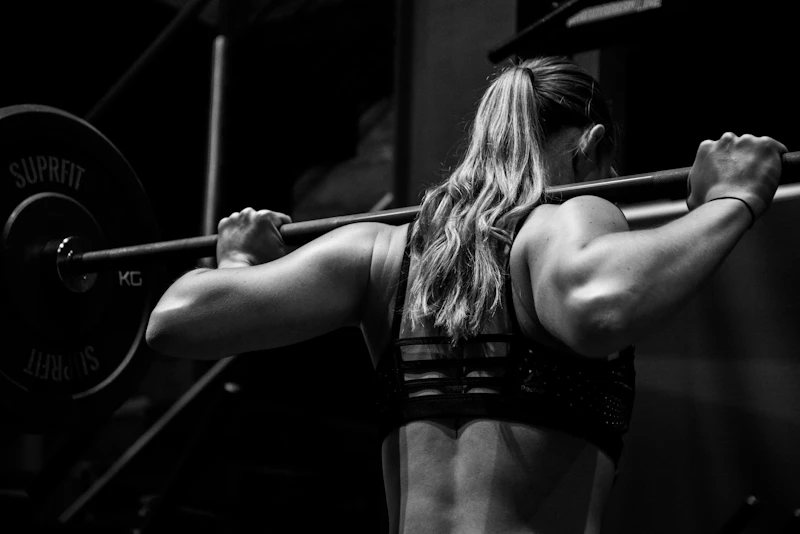
The snatch is a single, explosive pull of the barbell from ground to overhead. It's technically demanding but incredibly rewarding to master.
The Setup
Position yourself with the barbell over the middle of your foot (line of laces). Feet are shoulder-width apart, hands wider than shoulders (typically 1.5x shoulder width). Chest up, shoulders in front of the bar, neutral spine. Your weight is distributed evenly through the midfoot.
The Takeaway & First Pull
Push the floor away (don't jerk the bar) with legs and hips, maintaining the barbell close to your body. The bar should stay over mid-foot as it passes the knees. This phase emphasizes control and proper body position—rushing this phase undermines the entire lift.
The Transition (Knee to Hip)
As the bar reaches knee height, your hips begin to extend aggressively. This is the "power position"—where hip, knee, and ankle extension combine to accelerate the bar vertically.
The Second Pull & Extension
This is where explosiveness shines. Drive through your legs, extend your hips fully, and finish on your toes with triple extension (ankles, knees, hips all extending). Your shoulders should shrug as the bar rises, and you should accelerate it as high as possible.
Catch Position & Recovery
Once you've pulled the bar as high as possible, pull yourself under it by dropping into a deep squat (catch position). The bar lands overhead with arms locked, in a stable overhead squat position. From here, stand up with control, and you've completed the snatch.
Common beginner mistakes include bending arms too early, allowing the bar to drift forward, squat catching too high, and failing to stabilize overhead. Your coach will address these progressively.
Olympic Weightlifting Technique: The Clean & Jerk Breakdown
The clean & jerk splits into two distinct phases: the clean (ground to shoulders) and the jerk (shoulders to overhead).
The Clean (Part 1)
The clean mirrors the snatch's initial mechanics: setup, takeaway, first and second pull, and extension. The key difference is the catch position. Rather than overhead, the clean requires catching the bar at shoulder height in a deep front squat position. Your elbows must be high and forward, and the bar rests on the shoulders, not in your hands.
After catching, stand up from the bottom of the squat to drive position. This standing phase is crucial—it prepares you for the jerk and demonstrates control.
The Jerk (Part 2)
With the bar resting at shoulder height, take a short dip (slight knee bend) to load the legs. Drive explosively upward, finishing on your toes. At maximum height, split your feet (one forward, one back) and press the bar overhead. Both feet should land simultaneously in a stable receiving position. Once locked overhead, recover by bringing your feet back to hip-width, returning the bar to shoulder height.
The jerk emphasizes timing and footwork. A powerful drive means nothing if your footwork is slow or unstable. Most beginners struggle with the split jerk initially and benefit from practicing the power jerk (staying on your feet) first.
Ready to Start Your Olympic Weightlifting Journey?
Find an expert coach in your area who'll guide you through proper progression, injury prevention, and competition readiness.
Programming for Olympic Weightlifting Beginners
Beginner programming focuses on movement proficiency, consistent technique reinforcement, and gradual load progression—not maximum weight.
Weeks 1–4: Movement Foundations
Spend at least 2–3 weeks on empty barbell work. Master each segment of the snatch and clean independently: power cleans, power snatches, hang cleans, hang snatches. Your coach will identify movement limitations and address them before loading.
Weeks 5–8: Progressive Loading
Introduce light loads (20–40% of projected max). Emphasize catching depth, overhead stability, and footwork consistency. Volume increases gradually: 3–4 sessions per week, 4–6 reps per lift.
Weeks 9–12: Intermediate Progression
Loads increase toward 60–75% of max. Add accessory work: front squats, back squats, push presses, Romanian deadlifts, and mobility drills. Continue 4–5 sessions weekly.
Ongoing: Long-term Development
Advanced progression introduces periodization (building toward higher loads), competition simulation, and sport-specific strength work. Most lifters train 5–6 sessions weekly at this stage.
Consistency beats intensity. Training 4 sessions per week for 12 weeks beats cramming 6 sessions into 4 weeks. Quality reps with proper form trump heavy weight with sloppy technique.
Olympic Weightlifting Costs in Dubai
Training costs vary based on coaching level, facility, and program structure. Here's a realistic breakdown for 2026:
| Service | Cost Range | Notes |
|---|---|---|
| 1-on-1 Private Session | AED 250–400 | Personalized coaching, form correction, programming |
| Group Olympic Class | AED 100–180 | Small groups (4–8 lifters), shared coach |
| CrossFit OLY Class | AED 120–200 | Integrated with facility membership |
| Gym Membership | AED 1,500–3,500/month | Varies by facility; Olympic gyms higher tier |
| Monthly Coaching Package (4 sessions) | AED 800–1,200 | Discounted rate vs. per-session pricing |
| Monthly Coaching Package (8 sessions) | AED 1,400–2,200 | Best value for serious lifters |
| Online Coaching Program | AED 600–1,000/month | Remote programming, video analysis feedback |
| Group Seminar (1 day) | AED 300–600 | Intensive movement or competition prep |
Cost-Saving Tips
- Commit to packages — Monthly packages (4–8 sessions) offer 15–25% savings over per-session rates.
- Share coaching — Train with a partner and split private session costs.
- Hybrid model — Combine group classes (AED 120) with monthly online coaching (AED 700) for comprehensive support at lower cost.
- Community gyms — Some CrossFit boxes in Mirdif or Jebel Ali offer lower rates than premium Dubai Marina locations.
- Off-peak training — Morning or mid-day sessions often cost less than evening peak hours.
Competition: Dubai Weightlifting Events and How to Enter
For lifters ready to test themselves in competition, Dubai offers several annual opportunities.
Local Competitions
Dubai hosts 2–3 official weightlifting competitions annually, organized by Emirates Weightlifting Federation and CrossFit box tournaments. These events span age groups (under 18, 18–35, 35+) and weight categories (men and women), with both snatch and clean & jerk contested individually.
How to Prepare for Competition
- Entry timeline — Register 4–6 weeks before competition. Entry fees range AED 150–300 per lifter.
- Weight category — Declare your target weight category. Most lifters will weigh in the morning of competition.
- Competition programming — Your coach should shift your training 2–4 weeks before competition, emphasizing lower volume, higher intensity, and movement specificity.
- Attempts — You get three attempts in each lift. Start conservatively (ensure you make your opening lift), then progress.
- Judging — Referees judge successful lifts based on rules: bar locked overhead, bodyweight stable, no foot movement in recovery, etc.
International Competition
Serious lifters often compete regionally or internationally. The Arab Weightlifting Championships, Asian and World Masters Championships, and Continental events offer pathways for competitive athletes. Your coach can guide qualification and preparation.
Grow Your Coaching Practice in Dubai?
List your Olympic weightlifting coaching on GetFitDXB and reach fitness enthusiasts actively seeking expert guidance. Showcase your credentials, pricing, and availability to our community.
Frequently Asked Questions
Is Olympic weightlifting good for beginners in Dubai?
Absolutely. Olympic lifting is excellent for beginners, provided you start with proper coaching. Many Dubai gyms offer beginner-friendly classes starting with light weights and fundamental movements. Professional instruction from day one prevents injury and builds solid technique. Most beginners progress from empty bar to loaded lifts within 4–8 weeks with 3 sessions per week.
What equipment do I need to start Olympic weightlifting in Dubai?
Most equipment is provided by gyms and coaching facilities. You'll need a barbell (Olympic standard: 20kg for men, 15kg for women), bumper plates, a lifting platform, and appropriate footwear (weightlifting shoes are ideal but not essential initially). If training at home, expect to invest AED 1,200–2,500 for a barbell set, AED 800–1,500 for bumper plates, and AED 500–1,000 for a platform.
How long does it take to learn the snatch in Dubai?
With professional coaching 2–3 times per week, most people develop solid snatch technique in 8–12 weeks. Beginners start with empty bar work, progress to light weights (20–40kg), then advance as their movement patterns improve. Consistent practice and quality coaching matter far more than speed. Some lifters feel comfortable with loaded snatches within 4 weeks; others need 16 weeks. Trust the process.
How much does Olympic weightlifting coaching cost in Dubai?
Coaching ranges from AED 100–180 per group class to AED 250–400 for 1-on-1 sessions. Monthly packages (4–8 sessions) offer better value: AED 800–1,500. Many coaches also offer online programming (AED 600–1,000/month) for lifters managing their own training. Gyms charge AED 1,500–3,500 monthly for dedicated Olympic facilities.
Related Reading on GetFitDXB
Deepen your strength training knowledge with these complementary articles:
- Explore strength training in Dubai for comprehensive programming strategies.
- Learn about barbell training fundamentals and compound movement mastery.
- Discover CrossFit strength training integration for hybrid fitness goals.
- Start from scratch with strength training for beginners in Dubai.
- Compare Olympic lifting with powerlifting training in Dubai.
- Find coaching with our guide to how to choose a personal trainer in Dubai.
- Browse the best gyms in Dubai 2026 for training facilities.
- Check out personal training options across Dubai.
- Explore facilities in Dubai Marina gyms and Business Bay training centers.