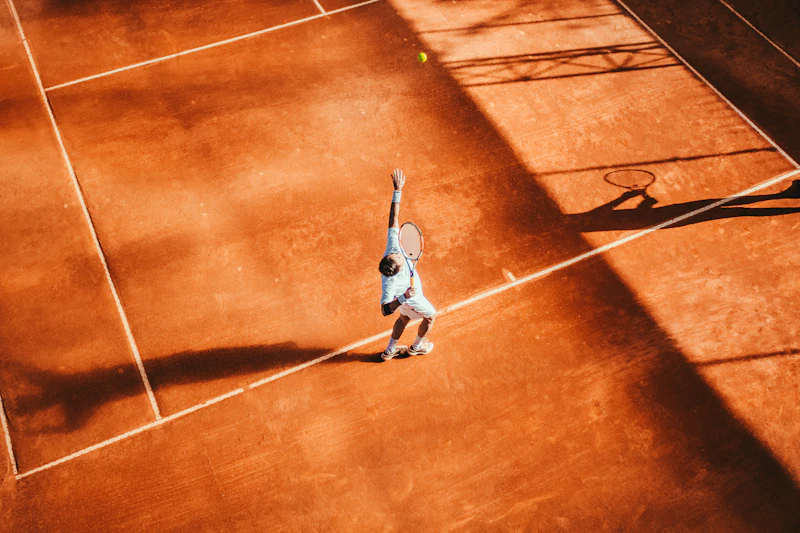
What is Padel Tennis and Why is it Booming in Dubai?
Padel tennis has exploded across Dubai over the past five years, transforming from a niche sport into one of the fastest-growing racket sports in the UAE. If you haven't encountered padel yet, you're missing out on an exhilarating blend of tennis, squash, and badminton that's both accessible to beginners and challenging enough for competitive players. This hybrid sport has captured the hearts of thousands in Dubai, with new courts opening regularly and clubs reporting record membership numbers.
The sport's appeal lies in its unique combination of easy entry and genuine athletic challenge. Unlike traditional tennis, padel matches are significantly shorter—typically lasting 45 minutes to an hour—making it perfect for Dubai's busy professionals who want a quality workout without the time commitment of a full tennis match. The sport also naturally encourages a social atmosphere. Padel is almost always played in doubles, meaning you'll be part of a team dynamic that creates camaraderie and lasting friendships on the court.
Dubai's climate, world-class sports infrastructure, and large expatriate community have created the perfect environment for padel to flourish. The sport appeals to fitness enthusiasts seeking variety, social butterflies looking for community, and competitive athletes eager for organized leagues and tournaments. Whether you're recovering from an injury, looking to cross-train, or simply want to try something new, padel offers a compelling fitness solution tailored to Dubai's unique lifestyle.

How Padel Differs from Tennis, Squash and Other Racket Sports
Understanding how padel differs from other racket sports will help you appreciate why it's become such a phenomenon in Dubai. While padel shares DNA with tennis, it creates a distinctly different playing experience that many athletes find more enjoyable and less intimidating than traditional tennis.
Padel vs Tennis: The most obvious difference is court size. Padel courts are about one-third the size of tennis courts at 20m x 10m, which means less running and more action-packed rallies. In padel, the ball can bounce off the walls surrounding the court—similar to squash—which creates unexpected angles and tactical complexity. Serves in padel are underhand and slower than tennis, making it far easier for beginners to develop a functional serve. Scoring follows tennis conventions (15, 30, 40, game), but the shorter court and slower pace mean rallies remain competitive throughout a match. Tennis rackets are also longer and require more technique; padel rackets are shorter, with a solid face and no strings, providing more stability and control for recreational players.
Padel vs Squash: While both sports use courts surrounded by walls, padel plays at a much more relaxed pace and with a much larger ball than squash. Squash requires explosive acceleration, rapid court coverage, and pinpoint accuracy—it's genuinely one of the most taxing sports on the cardiovascular system. Padel, by contrast, emphasizes positioning, communication with your partner, and tactical shot-making. The larger padel ball (slightly smaller than a tennis ball) moves slower through the air, giving players more time to react. Squash courts are enclosed single spaces; padel courts have walls only on the sides and back, with an open net in the middle. Most importantly, squash is typically a singles sport requiring immense individual fitness, while padel's doubles format distributes the court coverage between teammates.
Why Padel Feels More Accessible: Padel's genius lies in its accessibility. You can have legitimate rallies within 30 minutes of your first lesson. The underhand serve, solid racket face, and bouncy ball mean you'll experience success quickly. This rapid positive reinforcement is addictive and motivates players to return for lessons. Traditional tennis, by contrast, requires weeks of practice just to develop a serviceable serve before rallies become enjoyable. Padel's social nature—always doubles, always needing communication—also means less pressure on individual performance. You're working as a team, which takes pressure off and creates a supportive learning environment.
Padel Tennis Fitness Benefits: Calories, Cardio, Agility and Coordination
Beyond the pure enjoyment factor, padel offers serious fitness returns. A 2024 study comparing padel to other sports found that a typical one-hour padel match burns approximately 500–700 calories depending on intensity and player weight. For comparison, an equivalent hour of recreational tennis burns 600–800 calories, while an hour of squash burns 900+ calories. However, padel's advantage over tennis is that beginners can achieve high-intensity play immediately, whereas tennis requires months of skill development before recreational play becomes genuinely cardiovascular.
Cardiovascular Conditioning: Padel matches feature constant movement with brief high-intensity bursts. The court's smaller size means you're in motion almost constantly but covering shorter distances, resulting in repeated acceleration-deceleration cycles. This interval-like structure—short intense rallies followed by brief rests between points—builds cardiovascular endurance and improves VO2 max. Players typically reach 70–85% of their maximum heart rate during competitive doubles matches, placing padel firmly in the aerobic training zone.
Agility and Footwork: The walls create unpredictable ball trajectories, requiring you to develop sharp footwork and directional change ability. You'll be moving laterally, forward, and backward in rapid succession, with the court's small dimensions amplifying the demand for quick lateral mobility. Regular padel develops explosive side-to-side agility comparable to tennis or badminton training.
Hand-Eye Coordination and Proprioception: Tracking a ball that bounces unpredictably off walls challenges your visual system and spatial awareness. The varied angles and speeds develop superior hand-eye coordination. Playing doubles also demands constant communication with your partner and awareness of court positioning, enhancing proprioceptive feedback and court sense.
Upper Body Strength and Stability: While padel emphasizes footwork and positioning over raw power, the repetitive overhead shots, lateral movements, and impact forces build shoulder stability, core engagement, and grip strength. The solid racket face requires less arm strength than tennis, making it gentler on the shoulder joint—an advantage for players recovering from tennis-related injuries.
Mental Benefits: Padel's social nature triggers dopamine release through team success and community connection. Regular matches provide stress relief, improved mood, and better sleep quality. The sport's strategic elements—positioning, communication, reading your opponent—engage cognitive function and problem-solving abilities. Many Dubai professionals report that a weekly padel session significantly improves their mental clarity and overall wellbeing.
Best Padel Courts and Clubs in Dubai
Dubai's padel infrastructure has expanded dramatically, with courts now spread across multiple emirates. Here's a comprehensive guide to the top venues where you can play.
Premium Padel-Specific Clubs
Club Padel Dubai: Located in Al Quoz, Club Padel Dubai operates six dedicated padel courts with both outdoor and climate-controlled indoor options. Their facility combines professional tournament-standard courts with a welcoming community atmosphere. The club offers group classes for beginners, intermediate coaching programs, and hosts regular tournaments. Their courts are beautifully maintained, the staff is knowledgeable, and the social scene is vibrant. Membership ranges from AED 1,500–3,500 monthly depending on court access tier.
Padel Pro Dubai: This rapidly expanding chain operates facilities across Dubai Marina, DIFC, and Sports City. Padel Pro specializes in a high-touch experience with professional-grade coaching, modern booking systems, and premium amenities including café facilities and lounge areas. Their courts are consistently ranked among Dubai's finest. Court hourly rates typically run AED 150–200 for non-members, while memberships start at AED 2,000 monthly.
The Track Meydan: While primarily a multipurpose sports complex, The Track Meydan operates state-of-the-art padel courts alongside other facilities. Located near Meydan Racecourse, it's easily accessible and features world-class facilities with tournament-grade surfaces. Coaching is available from certified professionals, and the venue regularly hosts competitions.
Hotel and Resort-Based Courts
Several premium Dubai hotels have added padel courts to their sports facilities. These venues typically offer day passes for non-guests at premium rates (AED 180–250/hour for court hire). Facilities like the Fairmont, Jumeirah properties, and various Emirates Hills residences operate private courts, often with membership available to villa residents and hotel guests.
Community and Budget-Friendly Options
Jebel Ali Golf Club and similar community clubs operate padel courts alongside other facilities. These often provide more affordable rates (AED 100–140/hour) and a relaxed atmosphere. Sports City has expanded its padel offerings with multiple courts at competitive rates. The Trade Centre area hosts several no-frills facilities focused purely on court access without premium amenities.
World Padel Tour Venues
Dubai occasionally hosts official World Padel Tour events, typically at premium venues like Dubai Sports City or dedicated clubs. These events showcase professional-level padel and often provide opportunities for spectators to experience the sport's highest level. Check GetFitDXB's blog for event updates or browse padel classes to find coaching during major tournaments.
Court Booking and Pricing Guide
Understanding pricing structures will help you find the most cost-effective way to play regularly.
| Venue Type | Hourly Rate (AED) | Monthly Membership | Notes |
|---|---|---|---|
| Premium Clubs (Padel Pro, Club Padel) | 150–250 | 2,000–3,500 | Coaching available, tournaments, social events |
| Community Clubs (Sports City, Jebel Ali) | 100–150 | 1,000–1,800 | Lower overhead, relaxed atmosphere |
| Budget/Trade Facilities | 80–120 | 800–1,200 | Minimal amenities, court access only |
| Hotel Resort Courts | 180–250 | Membership varies | Premium facilities, often limited to guests |
| Groups/League Play | 120–180 | Organization fee varies | Discounted rates for organized groups |
Booking Recommendations: Most clubs now operate online booking systems where you reserve courts 24–48 hours in advance. Popular time slots (weekday evenings 5–7 PM, weekend mornings) book weeks ahead, so plan early if you have specific time preferences. Off-peak hours (midday, early mornings, weekdays 10 AM–3 PM) offer better availability and sometimes discounted rates. Many clubs offer reduced rates for package bookings—purchasing 5 or 10 court hours at once typically saves 10–15% versus hourly rates.
Membership Value Calculation: If you play twice weekly (8 courts/month) at AED 150/hour, you'll spend AED 1,200 monthly on hourly bookings versus AED 2,000 for membership—not worth it yet. However, if you play 3–4 times weekly (12–16 courts/month), memberships typically offer 20–30% savings and provide additional perks like unlimited class access, tournament priority, and social event invitations. Calculate your realistic playing frequency before committing to annual membership.
Padel Classes and Coaching for Beginners
Group classes are the ideal entry point for beginners. You'll learn proper technique, understand court positioning, and meet other new players all at once.
Group Beginner Classes
Most padel clubs offer structured beginner classes running 45–60 minutes, typically priced AED 100–180 per session. Classes focus on grip, serve technique, basic positioning, and doubles communication. Expect 4–8 participants per class, which provides both personalized feedback and the social experience that makes padel special. Many clubs offer class packages—paying for 4 or 8 classes at once provides 15–20% discounts. Beginner classes run multiple times weekly, so you can often find schedules fitting your availability.
Best Class Schedule: If you're serious about learning quickly, consider two classes per week for your first month, spacing them 3–4 days apart. This allows your muscles to internalize technique while maintaining consistency. After a month, transition to once-weekly classes while playing recreational matches on other days.
Semi-Private Coaching
Semi-private lessons pair you with one coach and one other student (or you can book as a true pair lesson). These run AED 250–350 per 60-minute session and provide significantly more personalized attention than group classes. Semi-private is ideal if you're progressing quickly, want to correct specific technical flaws, or prefer learning with a friend. Many Dubai players combine group classes with monthly semi-private sessions for technical refinement.
Private Coaching
Professional one-on-one coaching costs AED 350–550 per hour depending on the coach's credentials. Book private sessions if you're working toward tournament play, recovering from injury with specific movement needs, or want intensive technique development. Many clubs can connect you with certified coaches, though finding an experienced padel coach in Dubai remains easier through specialized personal trainer networks that have expanded to include racket sports specialists.
Finding Quality Coaching
Look for coaches with certifications from recognized padel federations (FIP, APF, or national associations). Ask about their playing experience—coaches who compete at intermediate or advanced levels typically provide superior instruction. Read testimonials from existing students and try a trial session before committing to a package. Many coaches offer introductory lessons at discounted rates specifically to allow potential clients to assess fit and teaching style.
Ready to Find a Padel Coach?
Browse certified padel coaching professionals across Dubai. From beginner fundamentals to advanced tournament preparation, find the right coach for your level and goals.
Find a Sports CoachPadel Equipment: What You Actually Need and What it Costs
One of padel's advantages over tennis is that equipment investment is significantly lower. Here's what you genuinely need versus what's optional.
Essential Equipment
Padel Racket (AED 100–800): Rackets are categorized by skill level. Beginner rackets (AED 100–250) prioritize forgiveness and stability—larger sweet spot, lighter weight, and more predictable performance. Intermediate rackets (AED 250–450) offer better control and power. Advanced rackets (AED 450–800+) optimize for professionals and serious competitors. You absolutely do not need an expensive racket to learn or enjoy padel. In fact, many experienced coaches recommend beginners start with AED 150–200 rackets to avoid information overload. Popular budget-friendly brands include Siux, Vibora, and Padeladictos. Premium brands like Nox and Head offer excellent intermediate options around AED 350–400.
Padel Shoes (AED 200–450): Proper court shoes are genuinely important because padel demands lateral movement. Regular running shoes or tennis shoes lack the required lateral stability. Padel shoes have reinforced sides, cushioning optimized for quick direction changes, and specialized outsoles gripping padel court surfaces. Buy shoes specifically labeled for padel rather than generic court shoes. Brands like Asics, Adidas, and Nike all make solid padel-specific shoes in the AED 250–350 range.
Padel Balls (AED 30–60 per tube): Each tube contains three pressurized balls. Balls lose pressure relatively quickly, so buy a few tubes and rotate them. New tubes cost about AED 40–50 at most clubs. This is a recurring small expense you'll encounter regularly.
Court Access: As discussed earlier, hourly rates or membership represent your major ongoing cost, not equipment.
Helpful But Optional
Padel-specific clothing (shorts, shirts) isn't technically necessary but many players prefer specialized athletic wear designed for the sport's movement patterns. Overgrip for your racket (AED 15–30) improves grip comfort on sweaty hands—Dubai's heat makes this practical rather than optional after your first few sessions. A padel bag designed to hold rackets protects them during transport. Wristbands and moisture-wicking socks enhance comfort but aren't essential.
Equipment Budget
To play your first padel match: beginner racket (AED 200) + shoes (AED 300) + balls (AED 50) = AED 550 startup cost. This is genuinely affordable compared to tennis, where beginners might invest AED 800–1,200 on racket, shoes, and proper outfit before playing meaningfully. After this initial investment, your only recurring costs are court access and occasional ball replacement.
Rules of Padel: A Beginner-Friendly Explanation
Padel rules are straightforward, making the learning curve much gentler than tennis.
The Court and Service
Padel courts are 20m long by 10m wide, divided by a net 88cm high at the center. Each service box is marked, just like tennis. The crucial difference: the court is surrounded by walls. The serve must be executed underhand with the ball below waist height, and the server's feet must remain on the ground. The server must hit the ball diagonally into the opponent's service box, like tennis. Serves in padel are inherently slower and more forgiving than tennis because of the underhand requirement and the ball's speed characteristics.
Play and Rallies
After the serve, the ball can be hit directly into the opponent's court or bounced off the walls behind your baseline. This wall play creates unique tactical opportunities—hitting the ball to bounce off the back wall and land near the opponent's baseline forces them into difficult recovery shots. Players can also hit balls that are traveling toward the back wall before they bounce (called a "volley de pared"), adding complexity to positioning. The ball can bounce off the side walls at any time during play. If the ball bounces twice in your court, you lose the point. If it bounces on you, you lose the point. If you hit it before it bounces in your court (a volley), that's valid.
Scoring
Padel uses identical scoring to tennis: 0, 15, 30, 40, game. When both players reach 40, it's "deuce," and one player must win by two clear points. A match is typically best of three sets, and each set is first to six games with a two-game margin (or tiebreakers at 6-6). Most recreational padel matches are one set to six games to keep play under 45 minutes.
Common Rules for Beginners
The ball must land within the court boundaries—lines are in. The net serves balls into the service boxes and can return balls hit into it (unlike tennis where net contact loses the point). Your partner and you can hit the ball any number of times before it goes over the net, though typically you alternate shots. Communication with your partner is essential and expected—you'll hear constant "mine," "yours," "vamos" throughout matches.
What About Wall Shots?
This is where padel becomes strategically rich. If your opponent hits the ball toward the back wall, you can let it bounce off the wall and play the resulting shot. You can also hit it before it bounces off the wall (a "pared volley"). Understanding wall angles and anticipating bounces requires practice but becomes intuitive surprisingly quickly. Beginners often fear wall shots, but they're actually gentler than aerial shots because the wall kills speed and gives you extra reaction time.
Leagues, Tournaments and Competitive Play in Dubai
Dubai offers legitimate competitive pathways for players serious about advancing beyond recreational play.
Social Leagues
Most clubs organize internal leagues where teams compete in a round-robin format over 6–8 weeks. These are genuinely fun, low-pressure environments where you'll improve rapidly through match play. Leagues typically separate players by skill level (beginners, intermediate, advanced), so you'll face peers at similar levels. Cost is usually AED 500–1,000 per person for a season, with matches scheduled weekly at set times.
Tournament Play
Dubai hosts regular padel tournaments organized by clubs, private promoters, and the Emirates Padel Federation. Tournaments range from beginner-friendly local events to regional competitions attracting serious players. Beginner tournaments typically cost AED 300–600 per pair to enter and operate on a round-robin format ensuring multiple matches regardless of results. Intermediate and advanced tournaments cost AED 800–1,500 per pair with more selective brackets. The World Padel Tour occasionally brings exhibitions and professional matches to Dubai, which you can spectate or participate in ancillary amateur events.
Progression Path
A realistic progression: start with group classes and recreational play (months 1–3), join a social league to develop match experience (months 4–6), enter beginner tournaments (months 6–9), progress to intermediate league or tournament play. Within 12 months of consistent twice-weekly play plus monthly lessons, you could realistically reach intermediate-advanced level. The exact timeline depends on prior racket sport experience, athletic fitness, and lesson investment.
Tips for Beginners: Rapid Improvement and Finding Partners
These practical recommendations will accelerate your padel journey and help you avoid common pitfalls.
Technical Tips
Master the serve early: Padel serves are underhand and relatively simple, but many beginners develop bad habits. Spend dedicated time on serve mechanics in your first weeks. A proper serve—executed from shoulder height with arm extended, contact below waist—is achievable within days and removes a major frustration point.
Anticipate wall play: Newcomers often panic when balls bounce off walls unpredictably. Reality: you'll quickly develop intuitive understanding of wall angles. After 5–10 hours of play, wall positioning becomes automatic. Don't fear walls—they're actually easier than fast aerial shots because they slow the ball.
Position yourself correctly: Padel positioning emphasizes court coverage over explosive reaching. Stay near the net in doubles rather than near the baseline. This positioning (called "court dominance") is fundamental to padel strategy. Your coach will emphasize this, but understanding it intellectually helps accelerate practical learning.
Communicate constantly: Padel is a team sport. Call "mine" when claiming a ball, say "vamos" after points, and discuss strategy between games. This communication isn't optional—it's core to the sport's enjoyment and safety.
Finding Playing Partners
Padel requires partners, so finding reliable people to play with is crucial. Join your club's social group or ask about beginner social leagues specifically designed to connect new players. Most clubs organize "partner matching" events where solo players meet. Post in Dubai's sports Facebook groups or Whatsapp communities—padel groups are extremely active and welcoming. Ask your coach to connect you with other players at similar levels. Many people find their regular padel crew within 4–6 weeks of joining a club, particularly if you attend group classes.
Playing Padel in Dubai Summer Heat: Indoor Courts and Air Conditioning
Dubai's summers present legitimate challenges for outdoor sports. The good news: padel clubs have adapted well to the climate.
Indoor/Climate-Controlled Courts: Premium clubs like Padel Pro Dubai and Club Padel Dubai operate indoor courts with full air conditioning. These maintain comfortable 22–24°C temperatures year-round, making them ideal during summer. Indoor play carries premium rates (typically AED 20–40 more per hour than outdoor courts) but provides genuine comfort. From May through September, indoor courts are absolutely worth the premium—you'll play at higher intensity without heat stress.
Outdoor Courts in Summer: Some dedicated players maintain outdoor play during summer by playing very early (6–7 AM) when temperatures are below 35°C, or taking a complete break from July–August when temperatures exceed 42°C. The sport literally becomes unsafe outdoors during peak heat hours. Hydration becomes critical, and many players report a noticeable decline in performance when outdoor courts exceed 40°C.
Realistic Summer Strategy: Most recreational Dubai players transition to indoor courts from June through August, then resume outdoor play in September. This seasonal adjustment is normal and entirely practical. Factor this into any annual membership consideration—you may want flexibility to move between facilities seasonally.
Where to Buy Padel Equipment in Dubai
Equipment shopping is straightforward in Dubai with multiple specialized retailers.
Physical Stores: Sports City has several padel-specific shops carrying rackets, shoes, and accessories with knowledgeable staff who can assess your level and recommend appropriate equipment. Marina Mall and Ibn Battuta Mall have tennis/racket sports sections stocking padel gear. MOE Sports locations throughout Dubai carry reputable brands. Visit physical stores for shoes and rackets so you can feel the equipment and ensure proper sizing.
Online Options: Amazon.ae carries major brands with competitive pricing. Decathlon in Dubai offers excellent budget-friendly padel equipment with reliable quality. Online purchasing works fine for balls, overgrips, and accessories, but I recommend shopping in-store for rackets and especially shoes to ensure proper fit.
Club Pro Shops: Most clubs operate small pro shops where you can purchase equipment at fair prices. Staff understand your club's court surfaces and your skill level, allowing personalized recommendations. Club shops may not have the absolute lowest prices but offer convenience and expertise.
Import Note: Some specialized padel brands from Spain and Argentina require import, typically available through online retailers. Shipping times are generally 10–14 days, so plan ahead if seeking specific brands.
Frequently Asked Questions About Padel Tennis
Is padel tennis hard for beginners?
Padel is considerably more beginner-friendly than traditional tennis. The underhand serve, solid racket face, and bouncy ball mean you'll hit meaningful shots within your first session. Many people play their first full match after just 2–3 hours of instruction. That said, developing true competence requires consistent practice, just like any sport. You'll feel competent immediately, but significant improvement takes several months of regular play.
What's the ideal frequency for learning padel?
Twice weekly is ideal for skill development—one structured lesson plus one recreational match. This provides both technical instruction and practical application while allowing muscle memory to develop between sessions. If you can only commit once weekly, that's still excellent for enjoyment and general fitness, but progression will be slower. More than three times weekly offers diminishing returns for average recreational players.
Can I play padel solo? Do I always need a partner?
Padel is designed for doubles play with two vs. two format. Some clubs offer "wall training" clinics where you practice against the wall solo, but the sport's social nature and scoring system fundamentally require partners. However, finding partners is genuinely easy through clubs—most players meet their regular partners through league play or social events within weeks.
How does padel compare to tennis for fitness benefits?
Both provide excellent cardiovascular training. Padel's advantages: accessible to beginners who can play intensely immediately, lower injury risk due to smaller court and slower ball, and stronger social component which improves adherence. Tennis advantages: slightly higher caloric burn and more intense lower body work. Most fitness professionals consider them equivalent for cardiovascular benefit but prefer padel for beginners due to earlier intensity achievement.
Is padel equipment expensive compared to tennis?
Padel is significantly more affordable. Quality beginner padel rackets cost AED 100–250 versus AED 400–800 for tennis. Padel shoes are similarly priced to tennis shoes (AED 250–400) but the overall equipment package is more affordable. Monthly court costs vary but top-quality padel clubs cost similarly to tennis clubs (AED 1,500–3,000 monthly for membership). The main difference: padel requires partners, so you can't solo practice as easily as tennis—this affects training approaches rather than cost.
Your Next Steps: Join Dubai's Padel Revolution
Padel tennis in Dubai has transitioned from an emerging trend to an established sport with world-class facilities, professional coaching, competitive leagues, and a thriving community. Whether you're seeking a new fitness avenue, looking to cross-train from traditional sports, or simply wanting to join one of Dubai's most vibrant athletic communities, padel offers an immediate, accessible entry point.
Start by choosing a convenient club and booking a beginner group class. AED 100–150 for your first lesson is a minimal investment for discovering a sport that could become a beloved part of your Dubai life. Within weeks, you'll have found a regular partner, integrated into a club community, and likely discovered the social magic that makes padel unique among racket sports.
For personalized guidance on getting started, proper technique development, or finding the right coaching program for your goals, contact GetFitDXB or browse our certified sports coaches who specialize in padel instruction across Dubai. We've connected hundreds of Dubai residents with the perfect clubs, coaches, and communities to support their padel journey.
The court is waiting. Your partner is out there. Welcome to padel—Dubai's fastest-growing racket sport.