Plant-Based & Vegan Athlete Nutrition in Dubai — Complete Guide 2026
Plant-based and vegan nutrition is no longer a fringe dietary choice for athletes—it's a mainstream, performance-proven approach that's transforming how professional and recreational athletes fuel their bodies. Whether you're training for a marathon, building muscle in the gym, or competing in martial arts across Dubai, a well-planned plant-based diet can deliver the protein, micronutrients, and energy you need to perform at your peak.
In this comprehensive guide, we'll explore everything plant-based athletes in Dubai need to know: from sourcing quality proteins at local supermarkets and online platforms to timing your meals for optimal recovery, managing critical nutrients like B12 and iron, and navigating Dubai's vibrant vegan restaurant scene. We'll also address the myths that still surround plant-based athletic nutrition and provide practical, Dubai-specific shopping and meal planning strategies.
Plant-Based vs Vegan Athletics: Understanding the Difference
Before diving into nutrition specifics, it's important to clarify terminology. A plant-based diet emphasizes whole plant foods but may include small amounts of animal products like eggs or honey. A vegan diet excludes all animal products—no meat, fish, dairy, eggs, honey, or animal-derived supplements.
From a performance standpoint, both approaches work exceptionally well when properly planned. Research published in the Journal of the International Society of Sports Nutrition confirms that plant-based athletes can achieve comparable strength, endurance, and muscle-building results as omnivorous athletes when macronutrient and micronutrient needs are met.
The key difference lies in supplementation: vegan athletes must supplement with vitamin B12 and, depending on diet composition, may need algae-based omega-3s and potentially vegan vitamin D3. Plant-based athletes consuming eggs or dairy have fewer supplementation requirements.
Complete Proteins: The Foundation of Plant-Based Athletic Nutrition
The most common question plant-based athletes hear is: "But where do you get your protein?" The answer is simple: plant foods contain all nine essential amino acids when consumed in strategic combinations.
A complete protein contains all nine essential amino acids in adequate proportions. Several plant foods are complete proteins on their own:
- Soy products (tofu, tempeh, edamame, soy milk)
- Quinoa
- Buckwheat
- Hemp seeds
- Nutritional yeast (fortified versions)
- Spirulina
You can also create complete proteins by combining complementary plant foods. The classic combination is grains + legumes (rice and beans, hummus and pita, lentil curry with rice). The timing doesn't need to be in the same meal—consuming these over the course of a day works perfectly for protein synthesis.
For athletes aiming for 1.6–2.2 grams of protein per kilogram of body weight daily, strategic meal planning throughout the day is crucial. A 75kg athlete needs approximately 120–165g of protein daily—absolutely achievable on a plant-based diet with proper knowledge.
Best Plant Protein Sources Available in Dubai
Legumes and Pulses
Lentils are a plant-based athlete's best friend. Red lentils provide approximately 9g protein per cooked cup; green and brown lentils offer similar amounts. They're widely available at Spinneys, Waitrose, Carrefour, and local souks throughout Dubai. A 500g bag costs approximately AED 5–8.
Chickpeas deliver 15g protein per cooked cup. Canned varieties (Bonduelle, Al Safa, store-brand options) cost AED 2.50–4.50 at Spinneys or Carrefour. Dried chickpeas (AED 8–12 per kg) are more economical for bulk meal prep.
Black beans, kidney beans, and pinto beans provide 15–16g protein per cooked cup and are increasingly stocked at Dubai supermarkets. Carrefour's own-brand canned beans (AED 3–4) offer exceptional value.
Soy Products
Tofu is perhaps the most versatile plant protein available in Dubai. Firm tofu delivers approximately 20g protein per 200g block. Regular supermarket prices range from AED 8–15 depending on brand. Brands like Sunrise Soy and store-brand options at Spinneys and Carrefour are reliable and affordable.
Tempeh, fermented soybean cakes, provides 19g protein per 100g serving—slightly higher than tofu and with a firmer, chewier texture preferred by many athletes. Expect to pay AED 15–20 per 200g pack at health food stores like Organic Matters or select Spinneys locations.
Edamame, young soybeans, offer 11g protein per cooked cup and make an excellent post-workout snack or meal addition. Frozen edamame (AED 12–18 per bag) is widely available at Waitrose, Spinneys, and iHerb.ae.
Soy milk and yoghurt are fortified with protein (6–10g per cup) and essential micronutrients. Brands like Alpro, Sojade, and Cocofit are stocked throughout Dubai at AED 6–12 per litre.
Grains and Seeds
Quinoa, a complete protein grain, delivers 8g protein per cooked cup. Dubai supermarkets stock quinoa at AED 25–35 per 500g. White, red, and black varieties are all available; black quinoa has a slightly earthy flavour preferred by some athletes.
Hemp seeds are nutritional powerhouses, providing 10g protein per 3 tablespoons plus omega-3 fatty acids. Available at health food stores and online (iHerb.ae lists them at AED 45–60 per 200g), they're pricier than other sources but nutrient-dense for supplementing meals.
Buckwheat, despite its name, is gluten-free and contains 6g protein per cooked cup. Less common in Dubai supermarkets but available at specialty health stores and online for AED 15–20 per 500g.
Plant-Based Protein Powders Available in Dubai
For convenient post-workout nutrition and meal augmentation, plant-based protein powders are essential. Key options available in Dubai:
- Orgain Organic Protein Powder (Vanilla) — AED 85–120 per 1.2kg, available at Spinneys, Waitrose, and iHerb.ae. Contains 21g protein per serving, certified organic.
- Sunwarrior Warrior Blend — AED 110–150 per 1kg. Rice and pea-based blend, cold-processed, widely available online and at premium gyms.
- Vega One All-in-One Nutritional Shake — AED 95–140 per 500g. Canadian brand with complete amino acid profile plus greens and probiotics.
- Myprotein Vegan Blend — Available via iHerb.ae at AED 45–70 per 1kg. Excellent value, pea and brown rice blend.
- Quest Nutrition Plant-Based Protein — AED 100–130 per 680g. Higher protein-to-calorie ratio, available at premium fitness retailers.
- XACT Nutrition Protein Bars — AED 35–50 per bar, available at Spinneys and Carrefour. Convenient pre/post-workout option.
For athletes in Dubai, iHerb.ae offers the most competitive pricing and widest selection, with free delivery over AED 150. Factor in 1–2 weeks for shipping when planning your supplement stocks.
Key Nutrients to Monitor on a Plant-Based Athlete Diet
While plant-based diets support excellent athletic performance, certain nutrients require deliberate attention:
Vitamin B12
Requirement: 2.4 mcg daily for adults
Vitamin B12 is produced by bacteria, not plants. Vegans must supplement. Options in Dubai:
- Cyanocobalamin tablets (1000 mcg): Available at Boots, Life Pharmacy, and pharmacies throughout Dubai (AED 20–40 for a month's supply)
- B12 sprays and sublingual tabs: Brands like Vitabiotics available at Boots (AED 30–50)
- Fortified plant milks and nutritional yeast: Check labels—most fortified versions provide 25–100% daily value per serving
Plant-based athletes should aim for 1000 mcg twice weekly or 50 mcg daily via supplementation to ensure adequate absorption.
Iron
Requirement: 8mg daily (men), 18mg daily (women)
Plant iron (non-heme iron) is less bioavailable than animal iron. Combat this by:
- Pairing iron-rich foods with vitamin C (tomatoes, citrus, bell peppers boost absorption)
- Consuming iron-fortified cereals and plant milks
- Cooking in cast-iron cookware, which increases iron content of acidic foods
- Avoiding excessive tea and coffee with meals (inhibit absorption)
Top plant iron sources: lentils (6.6mg per cooked cup), chickpeas (5.2mg), fortified cereals, dark leafy greens, tofu. Spinach is overrated for iron—it contains oxalic acid that inhibits absorption. Eat it, but don't rely on it as your primary source.
Zinc
Requirement: 11mg daily (men), 8mg daily (women)
Plant zinc is also less bioavailable due to phytic acid in grains and legumes. Increase intake by:
- Soaking, sprouting, or fermenting grains and legumes (reduces phytic acid)
- Consuming hemp seeds, pumpkin seeds, cashews (top plant zinc sources)
- Including fortified cereals and nutritional yeast
Athletes under high training stress should monitor zinc levels; deficiency impairs recovery and immune function.
Omega-3 Fatty Acids
Requirement: 1.1g daily (women), 1.6g daily (men) of ALA; adequate EPA/DHA conversion
Plant sources provide ALA (alpha-linolenic acid), which the body converts to EPA and DHA at low efficiency (2–10%). Top plant sources:
- Flaxseeds (2.3g ALA per tablespoon)
- Chia seeds (5.1g ALA per ounce)
- Walnuts (2.5g ALA per ounce)
- Hemp seeds (1.6g ALA per tablespoon)
Many sports nutritionists recommend vegan athletes supplement with algae-based omega-3 (EPA/DHA) for optimal recovery. Available in Dubai:
- Complement (Algae Omega-3): AED 65–85, available at Organic Matters and iHerb.ae
- Sunwarrior Omega-3 Vegan: AED 75–95, iHerb.ae
- Nordic Naturals Vegan Omega-3: AED 85–110, premium health stores
Vitamin D
Requirement: 600–2000 IU daily depending on sun exposure
Dubai's intense sun provides natural vitamin D synthesis, but athletes training indoors (gyms, pools at night) may need supplementation. Choose vegan D3 derived from lichen, not sheep's wool:
- Sunwarrior Vegan D3: AED 45–65 per bottle, iHerb.ae
- Orgain Vitamin D3 (Vegan): AED 50–70, available at health stores
Calcium
Requirement: 1000mg daily
Fortified plant milks provide 300–400mg per cup. Combine with leafy greens (collards, bok choy, broccoli) and tahini (sesame seed paste, rich in bioavailable calcium). Most plant-based athletes meet calcium needs through food alone if consuming fortified products consistently.
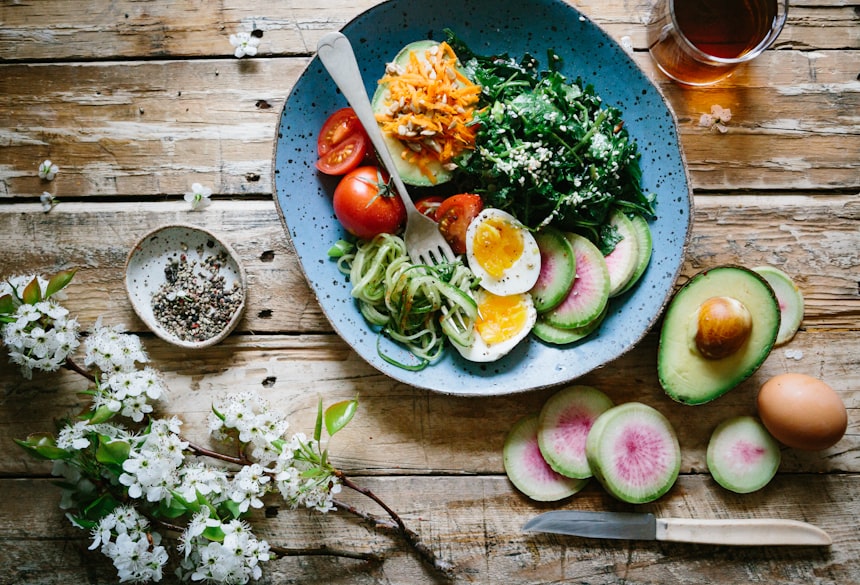
Nutrient-dense plant-based meal combining legumes, whole grains, and vegetables—the foundation of athletic performance
Where to Shop for Plant-Based Foods in Dubai
Supermarkets
- Spinneys: Best overall selection. Most locations stock tofu, tempeh, edamame, extensive legume selections, plant milks, protein powders, and nutritional yeast. Organic options available. Multiple locations throughout Dubai.
- Waitrose: Premium option with wider vegan specialty products, organic selections, and higher-end brands. Locations in Dubai Marina, Downtown, and JBR.
- Carrefour: Excellent value for staples—legumes, grains, basic tofu, and plant milks. Hypermarkets offer the best selection.
- Organic Matters: Specialty organic store in various locations. Premium prices but extensive vegan and health-conscious options.
Online Shopping
- iHerb.ae: Exceptional selection of plant-based protein powders, supplements, specialty items. Free delivery over AED 150. Factor in 1–2 weeks shipping.
- Carrefour Online: Convenient for staple grocery delivery; covers most of Dubai with express options.
- Fresh Connection: Dubai-based organic grocery delivery service with plant-based focus. Same-day delivery available in select areas.
Local Markets (Souks)
Traditional souks in Deira, Bur Dubai, and other areas offer exceptional value on dried legumes, grains, nuts, and seeds. Bring containers for bulk purchases. Prices are typically 30–50% lower than supermarkets. English may be limited, so learning basic Arabic terms for lentils (adas), chickpeas (hummus), and beans (fasulia) is helpful.
Dubai's Vegan-Friendly Restaurant Scene
Athletes can't live on home-cooked meals alone. Here are Dubai's top vegan-friendly restaurants suitable for post-training meals:
All-Vegan Restaurants
- Wild & The Moon (Multiple locations): French-inspired vegan restaurant. Popular bowls and smoothies with protein-boosted options. Main courses AED 45–70, smoothies AED 25–35.
- Comptoir 102 (DIFC): Upscale vegan café with protein-rich salads, bowls, and pastries. Main courses AED 60–90, excellent post-workout nutrition.
- Freedom Pizza (Multiple locations): Vegan pizza with nutritional yeast and protein additions. Personal pizzas AED 35–50.
- Conscious Cakes: Vegan bakery and café. Excellent for protein-boosted smoothies and snacks. Items AED 20–45.
Vegan-Friendly Mainstream Restaurants
- Hummus Ft Beirut: Levantine cuisine with extensive hummus varieties and vegetable dishes. Mains AED 25–45.
- Zaroob: Palestinian street food with falafel, hummus, and vegetable mezze plates. Excellent value, AED 15–35.
- Fold: Modern Middle Eastern with customizable bowls. Build protein-rich chicken-free options. Mains AED 35–60.
- Bu Qtair: Traditional Emirati seafood restaurant (not vegan-exclusive, but offers grilled vegetables and rice dishes).
Pro tip: Call ahead at non-vegan restaurants to confirm tofu, tempeh, or additional protein availability. Most are accommodating to athletic dietary needs.
Meal Planning for Plant-Based Athletes
Training Days: High Carbohydrate + Moderate-to-High Protein
Objective: Fuel performance and begin recovery
On training days, prioritize carbohydrate intake 2–4 hours before exercise and immediately post-workout for glycogen replenishment. A 75kg athlete training hard should aim for 7–10g carbohydrate per kg body weight (525–750g daily).
Pre-Workout Meal (2–3 hours before):
- 1.5 cups oatmeal (54g carbs, 10g protein)
- 1 banana (27g carbs, 1g protein)
- 2 tbsp almond butter (6g protein)
- Herbal tea
Post-Workout (Within 30–60 minutes):
- 1 scoop plant protein powder (25g protein)
- 1 cup white rice (45g carbs)
- 1 cup cooked broccoli (4g protein, micronutrients)
- 1 tbsp tamari (soy sauce)
- Blended into a smoothie with frozen berries
Rest Days: Higher Protein, Lower Carbohydrate
Objective: Support recovery and muscle protein synthesis without excess calories
Rest days require less carbohydrate (5–6g per kg body weight, roughly 375–450g for a 75kg athlete) but maintain protein (1.6–2.2g per kg). Focus on nutrient-dense, whole foods.
Breakfast:
- Tofu scramble with nutritional yeast (200g firm tofu = 20g protein)
- 2 slices whole grain toast (8g carbs, 6g protein)
- Sautéed spinach with garlic (micronutrients)
- Side of fresh berries (antioxidants)
Lunch:
- Large salad with 1 cup chickpeas (15g protein)
- Tahini dressing (2 tbsp tahini = 5g protein)
- Mixed vegetables, olive oil
Dinner:
- 200g grilled tempeh (19g protein)
- 1 cup cooked brown rice (5g protein)
- Steamed broccoli, carrots with sesame oil
Snacks:
- Hemp seed smoothie (10g protein)
- Hummus with vegetable crudités
- Handful of almonds (6g protein)
Sample 7-Day Plant-Based Athlete Meal Plan
Monday (Heavy Training Day)
- Breakfast: Oatmeal (60g dry) with banana, hemp seeds, almond butter | ~50g carbs, 18g protein
- Snack: Protein smoothie (1 scoop plant protein, frozen mango, almond milk) | 25g protein
- Pre-Workout: Two rice cakes with peanut butter | 35g carbs, 8g protein
- Post-Workout: Rice bowl with lentil curry, coconut milk, vegetables | 55g carbs, 18g protein
- Dinner: Quinoa (1 cup cooked) with black beans, roasted vegetables, tahini dressing | 50g carbs, 22g protein
- Evening Snack: Edamame (1 cup frozen, boiled) with sea salt | 14g protein
- Daily Total: ~195g carbs, 105g protein
Tuesday (Moderate Training)
- Breakfast: Tofu scramble (200g), whole grain toast, avocado | 15g carbs, 22g protein
- Mid-Morning: Apple with tahini | 25g carbs, 4g protein
- Lunch: Hummus and chickpea salad (1.5 cups chickpeas), pita bread, vegetables | 60g carbs, 20g protein
- Pre-Workout: Banana with almond butter | 27g carbs, 8g protein
- Post-Workout: Tempeh stir-fry (200g) with rice, vegetables | 45g carbs, 21g protein
- Dinner: Lentil soup (1.5 cups), whole grain bread, side salad | 50g carbs, 18g protein
- Daily Total: ~222g carbs, 93g protein
Wednesday (Rest Day)
- Breakfast: Smoothie bowl (plant milk, protein powder, berries, granola, nuts) | 45g carbs, 28g protein
- Snack: Protein bar + herbal tea | 18g protein
- Lunch: Falafel wrap (3 falafel), tahini sauce, lettuce, tomato, cucumber | 45g carbs, 12g protein
- Afternoon: Cashew butter on celery, pear | 30g carbs, 6g protein
- Dinner: Tofu curry (300g firm tofu) with chickpeas, sweet potato, rice | 50g carbs, 28g protein
- Evening: Hemp seed pudding (coconut milk, chia seeds, hemp seeds, berries) | 20g carbs, 10g protein
- Daily Total: ~190g carbs, 102g protein
(Thursday, Friday, Saturday, Sunday follow similar patterns alternating high-carb training days with moderate rest days)
Sports Nutrition Timing for Plant-Based Athletes
Carbohydrate Loading
Before endurance events (marathons, ultra-distance triathlons), plant-based athletes benefit from carbohydrate loading. The protocol:
- 3–4 days before event: Increase to 8–12g carbohydrate per kg body weight daily. Emphasize easily digestible carbs: rice, pasta, white potatoes, dried fruits, fruit juices.
- Reduce fiber slightly: Avoid excessive raw vegetables and whole grain intake 24 hours before to prevent GI distress.
- Stay hydrated: Each gram of glycogen stored requires roughly 3g water—expect 2–3kg weight gain from hydration.
Plant-based athletes excel at carbohydrate loading because plant foods are inherently carbohydrate-rich. Simple meal: 2 cups cooked white rice + 400ml plant milk + banana + maple syrup = 150g carbs in one meal.
Recovery Nutrition Protocol
Post-exercise recovery window (0–2 hours post-workout):
- Immediately (0–30 minutes): 1–1.2g carbohydrate per kg body weight + 20–25g protein. Example: rice with tempeh stir-fry, or plant protein smoothie with banana and oats.
- 2–4 hours post: Full meal with carbohydrates, protein, micronutrients (vegetables for vitamins/minerals).
- Next 24 hours: Distribute protein intake across 4–5 meals (20–30g per meal) to maximize muscle protein synthesis.
Plant-Based Supplementation Protocol for Athletes
Minimum supplementation for vegan athletes:
| Supplement | Dosage | Frequency | Typical Cost (AED) |
|---|---|---|---|
| Vitamin B12 | 1000 mcg | 2x weekly | 20–40/month |
| Vitamin D3 (vegan) | 1000 IU | Daily (if indoors majority) | 50–70/month |
| Algae Omega-3 | 200–300mg EPA/DHA | Daily | 65–110/month |
| Creatine Monohydrate | 5g | Daily | 40–70/month |
Creatine for plant-based athletes: Vegan and plant-based athletes may benefit more from creatine supplementation because plant foods contain minimal creatine (found primarily in meat). Supplementing 5g daily increases total creatine status, supporting strength and power performance. Vegan creatine monohydrate (not animal-derived) is widely available at AED 40–70 per month via iHerb.ae or gym supplement shops.
Find a Sports Nutritionist in Dubai
Navigate plant-based nutrition with professional guidance. Connect with certified sports nutritionists specializing in plant-based athletes.
Browse Nutrition CoachesMyths vs Reality: Plant-Based Athletic Performance
Myth: Plant-Based Athletes Don't Get Enough Protein
Reality: Plant-based diets easily support the 1.6–2.2g protein per kg recommendation when foods are strategically combined. Elite plant-based athletes (ultramarathoners, weightlifters, professional cyclists) consistently hit protein targets. The advantage of planning is identifying calorie-efficient protein sources early.
Myth: Plant-Based Diets Can't Build Muscle
Reality: Multiple peer-reviewed studies confirm muscle building on plant-based diets is entirely feasible. Key requirements: adequate protein intake, progressive strength training, sufficient caloric intake, and consistent training stimulus. Research from ISSN shows no significant difference in muscle accretion between matched plant-based and omnivorous athletes meeting protein requirements.
Myth: Plant-Based Athletes Have Lower Energy
Reality: Plant foods are nutrient-dense and energy-rich. Some athletes experience initial fatigue when transitioning to plant-based diets because they underestimate caloric needs. Athletes accustomed to high-protein animal foods often reduce total food volume, inadvertently reducing calories. Solve by tracking calories for 1–2 weeks post-transition to ensure adequate intake.
Myth: Vegan Means Limited Restaurant Options in Dubai
Reality: Dubai's food scene has dramatically expanded plant-based options. Beyond dedicated vegan restaurants, Middle Eastern cuisine (hummus, falafel, mezze), Indian restaurants, and modern cafés offer protein-rich vegan options. Most upscale restaurants accommodate vegan requests with advance notice.
Dubai-Specific Tips for Plant-Based Athletes
Reading Arabic Food Labels
Learning to identify key ingredients in Arabic simplifies shopping at local souks and markets:
- عدس (Adas) = Lentils
- حمص (Hummus) = Chickpeas
- فاصوليا (Fasulia) = Beans
- أرز (Arez) = Rice
- بذور (Budoor) = Seeds
- عضوي (Adawi) = Organic
Halal Vegan Certification
Most plant-based foods are naturally Halal. However, check processed foods for animal-derived additives (gelatin, certain emulsifiers). The ESMA (Emirates Authority for Standardization and Metrology) Halal mark on packaging confirms compliance. Reputable Spinneys and Carrefour locations stock Halal-certified plant products throughout Dubai.
Training During Ramadan
For Muslim plant-based athletes observing Ramadan, strategic meal timing optimizes performance:
- Suhour (pre-dawn meal): Consume high-protein, fiber-rich foods that digest slowly. Example: lentil soup with whole grain bread, tahini, dates.
- Iftar (breaking fast): Start with dates and water, then after 20 minutes, consume a substantial meal with carbohydrates and protein to replenish glycogen and amino acids.
- Training timing: Light training during fasting hours; intensive training 1–3 hours post-iftar when fueled and hydrated.
- Supplementation: Consume B12, creatine, and other supplements post-iftar with food for optimal absorption.
Heat and Hydration Considerations
Dubai's extreme heat increases sweat rate and micronutrient losses (sodium, potassium, magnesium). Plant-based athletes should:
- Consume additional electrolytes via coconut water, sports drinks, or salt additions to meals
- Prioritize potassium-rich foods: bananas, sweet potatoes, legumes, dates
- Stay ahead of thirst cues—by the time you feel thirsty, performance may already be declining
- Train during cooler hours (early morning, evening) and use air-conditioned gyms during peak heat
Conclusion: The Plant-Based Athletic Advantage in Dubai
Plant-based and vegan nutrition is a scientifically-supported approach to athletic performance that aligns with Dubai's increasingly health-conscious, sustainability-focused fitness culture. Armed with knowledge of Dubai-specific protein sources, supplementation protocols, and meal planning strategies, plant-based athletes can achieve exceptional results in strength, endurance, and body composition.
The key to success is intentional planning: understanding complete proteins, strategically combining plant foods, monitoring critical micronutrients, leveraging Dubai's excellent supermarkets and online platforms, and staying consistent with training and nutrition protocols.
Whether you're a strength athlete building muscle, an endurance athlete training for marathons, or a recreational exerciser seeking optimal health, a plant-based diet provides the nutritional foundation for peak performance in Dubai.
Start today: Pick one high-protein plant food you've never tried from this guide, source it at a local supermarket or via iHerb.ae, and incorporate it into your next meal. Small, consistent actions compound into sustainable dietary transformation and superior athletic results.
List Your Nutrition Services on GetFitDXB
Are you a sports nutritionist or plant-based nutrition coach? Connect with hundreds of athletes seeking plant-based guidance in Dubai.
List Your Services