Your gut microbiome — the trillions of bacteria, fungi and other microorganisms living in your digestive tract — has a more profound effect on your athletic performance, recovery and overall fitness than most people in Dubai's gyms realise. Emerging research is revealing connections between gut health and everything from inflammation and injury recovery to VO2 max, mood and immune function. This is the definitive guide to understanding and optimising your gut for fitness performance.
What Is the Gut Microbiome?
The human gut contains approximately 38 trillion microorganisms — roughly equivalent to the number of human cells in the body. This ecosystem, collectively known as the gut microbiome, weighs around 1–2 kilograms and contains over 1,000 different species. The majority live in the large intestine (colon), where they perform essential metabolic functions that your own cells cannot.
The microbiome is highly individual — no two people have identical gut bacteria communities, even identical twins. It is shaped by diet, genetics, antibiotic exposure, birth method, stress levels, exercise habits and numerous other factors. Critically for athletes and fitness enthusiasts, the microbiome is highly responsive to lifestyle changes — meaning you can meaningfully improve it through deliberate actions.
Key Functions of Gut Bacteria Relevant to Athletes
- Short-chain fatty acid (SCFA) production: Bacteria ferment dietary fibre to produce butyrate, propionate and acetate — energy sources for colonocytes, anti-inflammatory agents, and metabolic regulators
- Neurotransmitter synthesis: Approximately 90% of the body's serotonin is produced in the gut, modulated by microbiome activity
- Immune system regulation: 70–80% of the immune system resides in the gut — the microbiome trains immune cells to distinguish between threats and normal tissue
- Vitamin synthesis: Gut bacteria synthesise B vitamins (B12, K2, folate) and assist in the absorption of fat-soluble vitamins (A, D, E, K)
- Protein and carbohydrate metabolism: The microbiome influences how efficiently your body extracts energy from food
- Inflammation modulation: A diverse, healthy microbiome suppresses systemic inflammation; dysbiosis (imbalanced microbiome) promotes it
How the Gut Microbiome Affects Athletic Performance
The connection between gut health and athletic performance was largely hypothetical until a landmark 2019 Harvard study changed the conversation. Researchers found that the gut microbiomes of elite marathon runners contained significantly higher levels of Veillonella atypica — a bacterium that converts lactate (the byproduct of high-intensity exercise) into propionate (an energy source). Athletes with higher Veillonella levels showed improved running performance when the bacterium was experimentally increased.
This discovery opened an exciting research area examining whether elite athletes have distinct microbiomes that contribute to their exceptional performance — and whether optimising the microbiome of recreational athletes can improve outcomes. The current evidence suggests the answer to both questions is yes.
Endurance and Oxygen Utilisation
Several bacterial species produce metabolites that improve mitochondrial function and oxygen utilisation. Akkermansia muciniphila, associated with gut barrier integrity, correlates with improved metabolic health and has been linked to better VO2 max in observational studies. See our VO2 max and fitness testing guide for more on measuring and improving aerobic capacity.
Muscle Recovery and Inflammation
Post-exercise inflammation is a normal part of the adaptation process, but excessive or prolonged systemic inflammation impairs recovery and performance. The microbiome is a primary regulator of systemic inflammation — dysbiosis (imbalanced microbiome) is associated with elevated inflammatory markers including CRP, IL-6 and TNF-alpha. Athletes with greater microbiome diversity consistently show faster recovery from exercise-induced muscle damage and better adaptation to training stress.
Protein Absorption and Utilisation
The efficiency with which your body digests and absorbs the protein you eat is significantly affected by gut health. A compromised gut barrier (intestinal permeability, sometimes called "leaky gut") reduces absorption efficiency and increases the likelihood that incompletely digested proteins trigger immune responses. Research on protein absorption in athletes with poor gut health vs. healthy gut function shows measurable differences in muscle protein synthesis rates even at matched protein intakes.
Energy and Fatigue
The microbiome influences both the production and absorption of energy substrates. Short-chain fatty acids produced by bacterial fermentation of fibre contribute meaningfully to total energy availability. Dysbiosis is consistently associated with fatigue, low energy and brain fog — symptoms that significantly undermine training quality and motivation. Many Dubai gym-goers experiencing unexplained fatigue are actually suffering from suboptimal gut health rather than overtraining or nutritional deficiency.
Work with a Dubai Nutritionist on Gut Health
Certified nutritionists on GetFitDXB can help you optimise your diet for gut health, better recovery and improved athletic performance.
Find a Nutritionist Join FreeDubai-Specific Gut Health Challenges
Living in Dubai creates some specific gut health challenges that are worth understanding and addressing directly.
Highly Processed Expatriate Diet
Dubai's food environment, while excellent in many ways, contains numerous processed and ultra-processed food options that dominate eating habits for busy professionals. Ultra-processed foods are associated with dramatically reduced microbiome diversity — the most consistent marker of poor gut health. The abundance of high-quality traditional Middle Eastern and South Asian cuisines, which tend to be fibre-rich and fermented-food inclusive, provides excellent gut-supportive options when prioritised.
Antibiotic Overuse
Antibiotics remain relatively easy to access in Dubai compared to many countries, and antibiotic use — even a single course — causes significant disruption to the microbiome that can persist for months without active rehabilitation. If you've taken antibiotics in the past year, gut microbiome recovery should be a priority. Post-antibiotic protocols include high-fibre foods, fermented foods, and probiotic supplementation.
Stress and Cortisol
Dubai's high-pressure professional environment and the stressors of expatriate life (relocation, family separation, long working hours) create chronically elevated cortisol levels in many residents. Cortisol directly disrupts the gut-brain axis, reduces microbiome diversity, and increases intestinal permeability. Managing stress through exercise, mindfulness and sleep is genuinely beneficial for gut health — not just psychology. See our stress management guide for Dubai professionals.
Travel and International Exposure
Dubai's international hub status means many residents travel frequently, exposing their gut microbiomes to new bacterial environments regularly. This cuts both ways — diversity of food environments can actually support microbiome diversity, but bacterial gastroenteritis (food poisoning), common when travelling to certain destinations, causes significant microbiome disruption that requires deliberate recovery.
Foods That Build a High-Performance Gut Microbiome
Diet is the single most powerful lever for shaping the gut microbiome. The research is clear on the categories of food that support microbiome diversity and function, and those that undermine it.
- Oats and whole grains
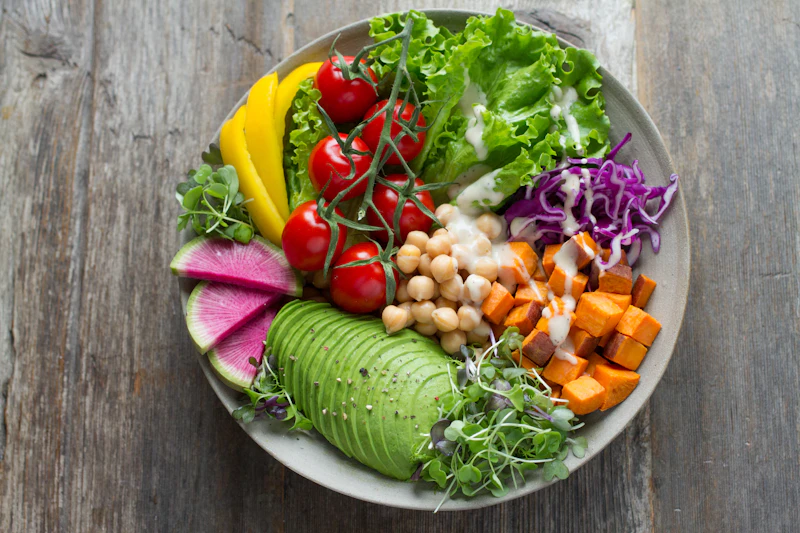
- Lentils, chickpeas, beans
- Garlic, onions, leeks
- Asparagus, artichokes
- Bananas (slightly unripe)
- Apples, pears with skin
- Live-culture yoghurt
- Kefir (dairy or coconut)
- Kimchi and sauerkraut
- Miso and tempeh
- Pickled vegetables (natural brine)
- Kombucha
- Berries (blueberries, pomegranate)
- Dark chocolate (70%+)
- Green tea and coffee
- Extra virgin olive oil
- Red grapes (resveratrol)
- Turmeric and ginger
- Cruciferous vegetables
- Leafy greens (spinach, kale)
- Sweet potato and other root veg
- Bone broth (collagen & glycine)
- Fatty fish (omega-3 for inflammation)
- Nuts and seeds
A landmark 2021 study in Cell found that high-fibre diets and fermented food diets both increased gut microbiome diversity, but fermented foods were more effective at reducing inflammatory markers. For athletes, the recommendation is to include both: diverse plant fibre provides the substrate for bacterial fermentation, while fermented foods directly introduce beneficial bacterial strains.
The Diversity Principle
The most consistent finding in microbiome research is that diversity is the primary marker of gut health. People who eat 30+ different plant foods per week show significantly greater microbiome diversity than those eating fewer than 10. This translates practically: prioritise variety in your plant foods over consuming large amounts of any single source. The American Gut Project, the largest citizen science project ever conducted, found that the single most important dietary predictor of microbiome diversity was the number of different plants consumed per week.
Foods That Harm the Gut Microbiome
Just as important as what to eat more of is what to reduce. The microbiome responds negatively to several dietary patterns common in Dubai's food environment.
- Ultra-processed foods: Emulsifiers (carboxymethylcellulose, polysorbate-80), artificial sweeteners, and refined carbohydrates all reduce microbiome diversity. The more processed the food, generally the worse the impact
- Artificial sweeteners: Several common artificial sweeteners (saccharin, sucralose, aspartame) have been shown in research to negatively alter microbiome composition and glucose tolerance — despite having no calories themselves
- Excessive alcohol: Alcohol is directly toxic to gut bacteria and disrupts the intestinal barrier. Moderate consumption (1–2 drinks occasionally) has minimal impact; regular heavy consumption causes significant dysbiosis
- Excessive red and processed meat: High red meat consumption is associated with production of TMAO (trimethylamine N-oxide) by gut bacteria — a metabolite associated with cardiovascular risk. Processed meats (deli meats, sausages) have additional preservative additives that disrupt the microbiome
- Low fibre intake: Without fibre to ferment, beneficial bacteria that produce SCFAs starve and are replaced by less beneficial species. Many Dubai gym-goers on high-protein, low-carbohydrate diets inadvertently undereat fibre
All major Dubai supermarkets (Spinneys, Waitrose, Carrefour, LuLu) stock fermented foods including live-culture yoghurt, kefir, kimchi and sauerkraut. Look for the word "live cultures" or "probiotics" on yoghurt labels — most flavoured mass-market yoghurts are pasteurised after fermentation and contain no live bacteria. The health food sections at Spinneys and Organic Foods & Café in Dubai carry an excellent range of gut-health-supporting products.
Probiotic and Prebiotic Supplements: What Works?
The supplement market in Dubai for gut health is extensive — probiotics, prebiotics, postbiotics, and digestive enzymes are all widely available. Here's a science-based assessment of what's worth taking.
Probiotic Supplements
Probiotic supplements contain live bacteria strains designed to survive gastric transit and colonise the gut. The research is mixed — most commercially available probiotics are well-tolerated but don't permanently alter the microbiome. They are, however, effective for specific purposes: post-antibiotic recovery, reducing traveller's diarrhoea risk, supporting immune function during periods of high stress or heavy training, and managing specific digestive symptoms like IBS.
Look for multi-strain formulations with minimum 10–30 billion CFU, including strains like Lactobacillus acidophilus, Bifidobacterium longum, and Lactobacillus rhamnosus GG. Store in a cool, dry place (refrigeration extends shelf life for many products). Brands available in Dubai include Culturelle, Biogaia, Florastor and numerous pharmacy own-brands.
Prebiotic Supplements
Prebiotics feed existing beneficial bacteria rather than adding new ones. Inulin, FOS (fructooligosaccharides), GOS (galactooligosaccharides) and partially hydrolysed guar gum are the most studied. These are generally effective and safe but can cause gas and bloating when first introduced — start with low doses (3–5g) and increase gradually. Available from health food stores and online in Dubai.
Digestive Enzymes
For athletes eating very high protein (200g+ per day), supplemental digestive enzymes (protease, lipase, amylase blends) may improve absorption efficiency and reduce digestive discomfort from large meals. The evidence here is less robust but the safety profile is excellent and many athletes find them useful in practice.
Exercise and the Gut Microbiome
The relationship between exercise and the microbiome is bidirectional — a healthy microbiome supports exercise performance, and regular exercise improves microbiome diversity and function. Research consistently shows that physically active individuals have significantly more diverse gut microbiomes than sedentary people, independent of diet.
Specific exercise types have different gut effects. Moderate aerobic exercise (Zone 2 cardio at 50–70% max heart rate, see our Zone 2 guide) is the most gut-supportive — it increases microbiome diversity, reduces inflammatory markers, and supports gut barrier integrity. Very high intensity training (near-maximal efforts for extended periods) can temporarily compromise gut barrier function — a phenomenon known as "leaky gut" in athletes, common in marathon runners and ultra-endurance athletes. This is one reason recovery nutrition and probiotic support become particularly important for high-volume training phases.
Build Your Gut-Optimised Training Plan
Personal trainers and nutritionists on GetFitDXB can create integrated nutrition and training programmes that support gut health alongside fitness goals.
Find a Trainer Find a NutritionistGut Health and Recovery: The Missing Piece
Many Dubai athletes who train consistently but struggle with recovery — lingering soreness, poor sleep quality, frequent minor illnesses, and energy crashes — are experiencing the downstream effects of compromised gut health. The gut's role as a regulator of inflammation, immune function, nutrient absorption and neurotransmitter production means gut dysbiosis can undermine recovery even when training load, nutrition calories and sleep hours appear adequate.
A 12-week gut health optimisation protocol — increased dietary fibre diversity, introduction of daily fermented foods, targeted probiotic supplementation, stress management, and adequate sleep — frequently produces dramatic improvements in subjective energy, recovery speed, mood and immune resilience. For athletes who've optimised the obvious variables (training, protein intake, sleep hours), gut health is often the unexplored frontier with the most remaining performance upside.
Related Nutrition and Performance Resources
Continue building your performance nutrition knowledge with these related GetFitDXB guides:
- Sports Nutrition Timing Dubai — when to eat for performance and recovery
- High-Protein Diet Dubai — maximising muscle protein synthesis
- Anti-Inflammatory Diet Dubai — reduce systemic inflammation through food
- Advanced Nutrition Topics Dubai — deep-dive nutrition for serious athletes
- Sleep & Recovery Guide Dubai — the gut-sleep connection
- Intermittent Fasting Guide Dubai — IF and gut health
- Nutrition & Meal Planning — find certified nutritionists in Dubai
- Free Meal Prep Guide Dubai — practical gut-friendly meal planning