Your hormones are the chemical messengers controlling everything from muscle growth to metabolism, mood, and appetite. Yet most people training in Dubai's gyms never think about the hormonal impact of their workouts. The truth is simple: understanding how exercise affects your hormones is the difference between years of hard work delivering moderate results and achieving transformative fitness changes in months. This comprehensive guide explains the science behind eight key hormones, how exercise influences each one, and how to optimise your training for better results.
1. Why Hormones Matter for Your Fitness Results
You can have perfect form, train consistently, and eat well, but if your hormones are unbalanced, your results will be limited. Hormones regulate:
- Muscle protein synthesis, how efficiently your body builds muscle mass
- Fat oxidation, how easily your body burns fat for energy
- Recovery and adaptation, how well your body bounces back from training stress
- Energy levels and mood, your motivation and consistency
- Appetite and satiety, your ability to maintain a proper diet
- Bone density and strength, long-term injury prevention
The good news: exercise is one of the most powerful tools for optimising hormones. Understanding how specific training styles affect your hormonal profile allows you to design workouts that don't just burn calories, they transform your body's internal chemistry.

2. Testosterone: The Strength-Building Hormone
Testosterone isn't just a male hormone, it's crucial for both men and women, driving strength gains, muscle mass, bone density, confidence, and sexual health. Exercise is the most effective non-pharmaceutical way to increase testosterone naturally.
How Exercise Boosts Testosterone
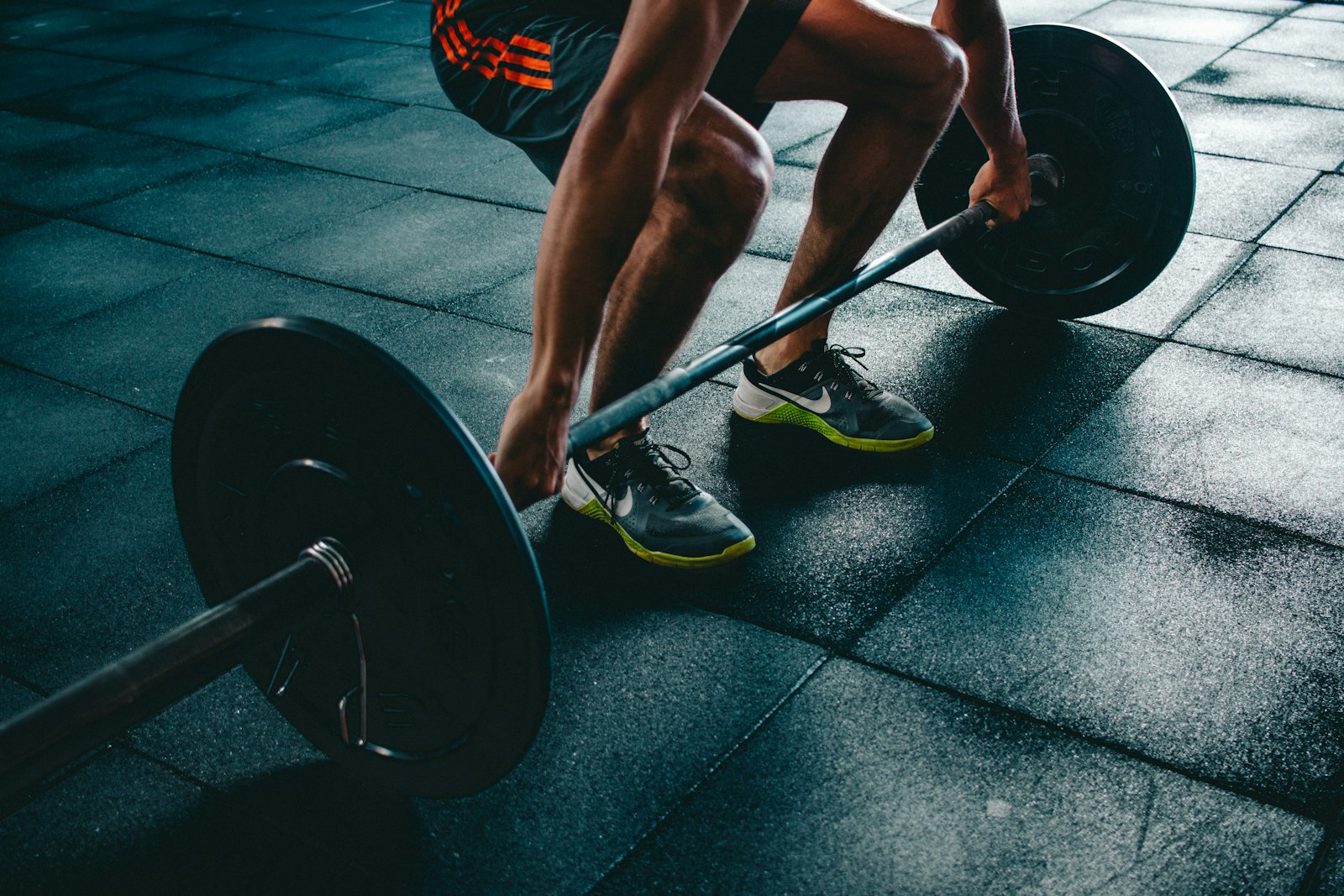
Heavy compound lifts trigger the largest testosterone response. Movements like squats, deadlifts, bench presses, and barbell rows, performed with 6 to 12 reps at 75% of your maximum strength, create a potent hormonal stimulus. The combination of heavy load, mechanical tension, and muscle damage signals your body to produce more testosterone.
Strength training with adequate rest intervals (2 to 5 minutes between sets) also matters. Short rest periods reduce the hormonal stimulus. A 30-minute heavy strength session, 3 to 4 times per week is optimal for testosterone production without excessive fatigue.
What Suppresses Testosterone
- Excessive cardio without recovery: Chronic endurance training without adequate rest elevates cortisol and suppresses testosterone
- Poor sleep: Testosterone is released primarily during deep sleep. Sleep deprivation can drop testosterone 10 to 20%
- High stress and overtraining: Excessive training stress without recovery amplifies cortisol, which suppresses testosterone
- Very low body fat: While some body fat is necessary for hormone production, very lean athletes often have lower testosterone levels
- 2 to 4 heavy compound strength sessions per week
- 6 to 12 reps per set, 75% of 1-rep max or heavier
- 2 to 5 minutes rest between sets
- 7 to 9 hours of quality sleep nightly
- Manage stress with yoga, meditation, or stress management practices
3. Growth Hormone (GH): Sleep, HIIT, and Muscle Recovery
Growth hormone is released primarily during deep sleep, but exercise can also trigger significant GH release. GH is responsible for muscle growth, fat loss, bone density, and even skin quality.
How to Maximize Growth Hormone
Sleep is the primary driver. 70% of your daily GH is released during deep sleep stages. Aim for 7 to 9 hours nightly, with consistent sleep and wake times. Poor sleep cuts GH production dramatically.
HIIT training is the exercise method that most powerfully triggers GH release. High-intensity interval training, especially short, intense bursts followed by recovery periods, can increase GH 2 to 10x above baseline. A 20-minute HIIT session, 2 to 3 times per week (with 48 hours recovery between sessions) optimises GH without causing excessive fatigue. Learn more: HIIT Training Guide for Dubai.
Fasting and post-exercise GH: Fasting amplifies the GH response to exercise. Training in a fasted state (8+ hours without food) or before breakfast can enhance GH release, though this isn't essential if you're already getting adequate sleep.
Factors That Suppress Growth Hormone
- Sleep deprivation (the single biggest factor)
- Chronic stress and elevated cortisol
- High body fat percentage (GH resistance similar to insulin resistance)
- Excessive caloric restriction without training
4. Cortisol: Managing the Stress Hormone in Dubai
Cortisol is your primary stress hormone, essential for survival in acute stress, but chronically elevated cortisol destroys muscle, stores belly fat, impairs sleep, and worsens mood. Dubai's high-stress work environment, year-round heat, and demanding lifestyle can elevate baseline cortisol.
How Exercise Affects Cortisol
Moderate aerobic exercise (Zone 2 cardio) is the most cortisol-friendly training. Zone 2 cardio, performed at a conversational pace for 45 to 90 minutes, reduces cortisol and improves overall stress resilience. This is particularly valuable in Dubai's stressful corporate culture.
Excessive high-intensity training without recovery raises cortisol acutely. A single HIIT session elevates cortisol, which is normal and recovers within hours. But repeated high-intensity training without adequate recovery and sleep creates chronically elevated cortisol, which destroys results.
The Cortisol-Performance Paradox in Dubai
Dubai professionals often work long hours in air-conditioned offices, then attempt intense gym sessions, then struggle to sleep in the heat. This cycle chronically elevates cortisol. The solution isn't avoiding intense training, it's balancing intensity with adequate recovery, sleep, and stress management.
- Persistent fatigue despite sleeping 8+ hours
- Fat accumulation around the midsection despite training hard
- Difficulty losing weight even with caloric deficit
- Frequent illness or slow recovery from colds
- Mood changes, anxiety, irritability, low motivation
- Sleep disruption or poor sleep quality
See also: Overtraining and Burnout Recovery Guide for Dubai.
5. Insulin: Exercise and Metabolic Health
Insulin is the hormone that shuttles glucose and amino acids into muscle cells. Insulin sensitivity, how efficiently your cells respond to insulin, directly determines your ability to build muscle and lose fat. Poor insulin sensitivity is the foundation of metabolic dysfunction and type 2 diabetes.
How Exercise Improves Insulin Sensitivity
Resistance training is the most effective method for improving insulin sensitivity. Each resistance workout depletes muscle glycogen, forcing muscles to absorb glucose more efficiently for 24 to 48 hours afterward. Progressive resistance training over weeks builds sustained improvements in insulin action.
HIIT also powerfully improves insulin sensitivity. The high-intensity efforts create a large glucose demand, improving muscle glucose uptake acutely and chronically improving insulin signalling.
Post-meal movement: Even light activity after meals (a 10-minute walk) significantly reduces post-meal blood glucose spikes and improves insulin sensitivity. In Dubai's sedentary office culture, this simple habit is remarkably effective.
Nutrition's Role in Insulin Health
Whole grains, legumes, vegetables, and fruits are insulin-friendly. Refined carbohydrates and sugary foods spike insulin acutely. Pairing carbohydrates with protein and fibre slows absorption, moderating the insulin response. This is covered in detail in the Sports Nutrition and Timing Guide.
6. Estrogen: Why Women's Hormone Health Matters
Estrogen is essential for women's bone health, cardiovascular function, mood, and sexual health. Exercise affects estrogen levels and the menstrual cycle, creating complex but predictable patterns.
The Menstrual Cycle and Training
Women's hormonal levels fluctuate significantly across the menstrual cycle. During the follicular phase (days 1 to 14, with lower estrogen), women generally tolerate high-intensity exercise better. During the luteal phase (days 15 to 28, with higher estrogen), recovery capacity decreases slightly, and moderate intensity is often more appropriate.
Many female athletes report better performance in the follicular phase. Tracking your cycle and adjusting training intensity accordingly can optimise results and reduce injury risk. This is especially relevant for perimenopause and menopause, when hormonal fluctuations become extreme.
Exercise During Perimenopause and Menopause
Exercise is one of the most effective tools for managing menopause symptoms. Strength training preserves bone density (crucial since bone loss accelerates post-menopause), reduces hot flushes, improves mood, and maintains metabolic rate. Aim for 2 to 3 strength sessions plus 150 minutes of moderate cardio weekly.
7. Leptin & Ghrelin: Appetite Regulation and Exercise
Leptin and ghrelin are the primary appetite-regulating hormones. Leptin (the satiety hormone) tells you when you're full; ghrelin (the hunger hormone) triggers appetite. Exercise powerfully influences both.
How Exercise Affects Appetite Hormones
A single moderate-to-intense workout can suppress ghrelin and increase leptin signalling for several hours, naturally reducing appetite. This effect is stronger with resistance training and HIIT than with light cardio.
However, chronic undereating combined with excessive training can dysregulate these hormones. Your body adapts to energy deficit by raising ghrelin and suppressing leptin, making hunger powerful and satiety difficult to achieve. This is a major factor in weight loss plateaus.
In Dubai's food-rich culture (world-class restaurants, endless social meals), understanding these hormones helps you eat appropriately without needing constant willpower. Proper training and adequate nutrition maintain healthy appetite signalling.
8. Endorphins & Serotonin: The Mental Health Connection
Exercise releases endorphins and increases serotonin, the neurotransmitters responsible for mood, motivation, and stress resilience. For many Dubai professionals dealing with high stress and isolation, exercise is as much a mental health tool as a physical one.
Which Exercise Types Boost Mood Most?
Any exercise you genuinely enjoy boosts mood, but some are particularly potent:
- Running and steady cardio: The "runner's high" is real, endurance exercise triggers a powerful endorphin release
- Group fitness classes: The social element amplifies mood benefits. Dubai's group fitness culture offers excellent options
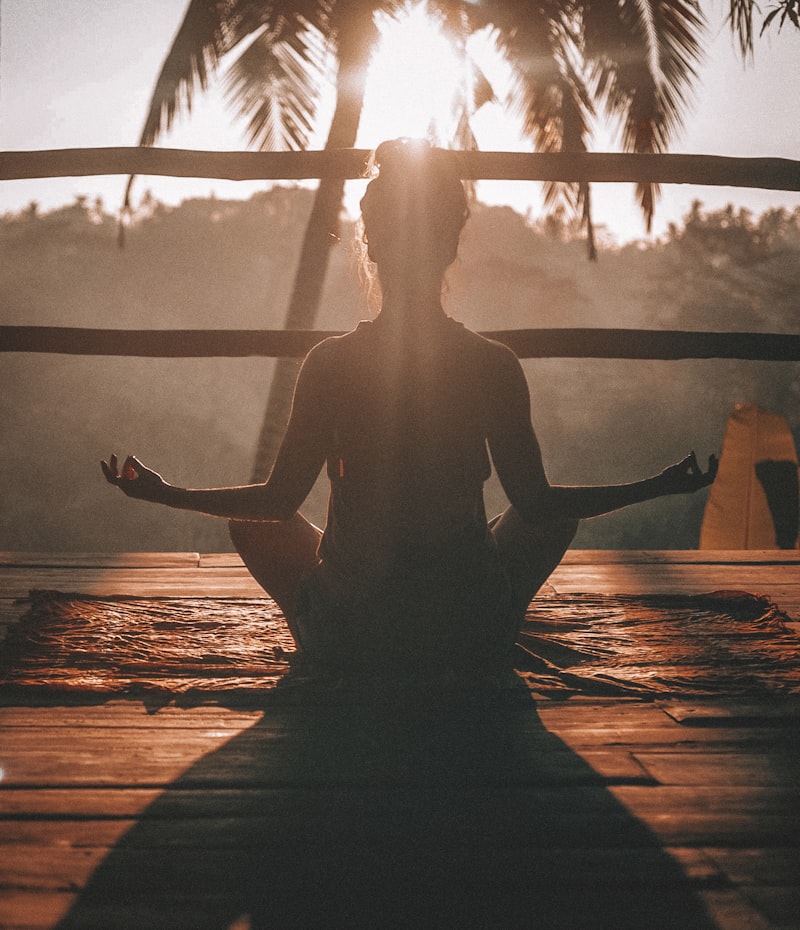
- Yoga and mindfulness: Yoga is particularly effective for anxiety and stress management
- Outdoor training: Natural light exposure enhances serotonin more than indoor training
See also: Mental Health and Fitness: Exercise as Medicine in Dubai.
9. Thyroid Hormones and Metabolic Rate
Your thyroid regulates metabolic rate, how many calories you burn at rest. Thyroid hormones also affect mood, energy, and body composition. Exercise supports thyroid health through several mechanisms.
Moderate regular exercise (not excessive) maintains thyroid hormone levels. Extreme caloric restriction or overtraining can suppress thyroid function, reducing metabolic rate, a major factor in weight loss plateaus. Adequate protein, iodine, and sleep support optimal thyroid function alongside appropriate training.

10. How Dubai's Lifestyle Affects Hormones
Dubai presents unique hormonal challenges:
Heat Stress
Year-round heat elevates baseline cortisol and increases dehydration, impairing recovery and hormone synthesis. Always prioritise hydration, aim for 3 to 4 litres daily in summer. Morning or evening training is often more effective than midday sessions in June August.
Sleep Disruption
AC-heavy offices followed by hot, humid outdoor environments disrupt natural sleep patterns. Jet lag for expatriates is common. These factors suppress growth hormone and testosterone while elevating cortisol. Prioritise sleep as much as training.
Long Work Hours
Dubai's demanding business culture creates chronic stress and cortisol elevation. Exercise is your defence, particularly Zone 2 cardio and stress-management practices like yoga.
Ramadan Fasting
During Ramadan, intermittent fasting shifts hormonal patterns dramatically. Training intensity should decrease slightly. A light meal before sunset helps maintain performance and hormone balance. See: Intermittent Fasting Guide for Dubai.
11. Best Exercise Types for Hormone Optimization
For Testosterone & Strength
Heavy compound lifting (squats, deadlifts, presses) 3 to 4 times weekly, 6 to 12 reps, 2 to 5 minute rest between sets.
For Growth Hormone & Fat Loss
HIIT 2 to 3 times weekly (20 minutes), plus 7 to 9 hours of sleep nightly, sleep matters more than any training.
For Cortisol Management
Zone 2 aerobic training 2 to 3 times weekly, 45 to 90 minutes at conversational pace. Also: yoga, meditation, and stress management.
For Insulin Sensitivity & Metabolic Health
Resistance training + HIIT 3 to 4 times weekly, combined with whole-food nutrition and post-meal movement.
Work With a Certified Trainer on Your Hormone Optimization
A qualified personal trainer can design a programme specifically tailored to your hormonal profile, goals, and Dubai's unique lifestyle factors. Get started today.
12. Nutrition, Sleep, and Hormone Recovery
Nutrition for Hormone Health
Protein: 1.6 to 2.2g per kg of body weight daily supports muscle protein synthesis and hormonal balance. Adequate protein also stabilises blood glucose and improves satiety.
Healthy fats: Essential for hormone synthesis. Include sources like fatty fish, nuts, seeds, avocados, and olive oil. Aim for 20 to 30% of calories from fat.
Carbohydrates: Moderate-to-high carbs support intense training performance and hormone health. Choose whole grains, legumes, vegetables, and fruits. Time higher carb intake around workouts.
Micronutrients: Vitamin D, zinc, magnesium, and iron are crucial for hormonal balance. Many Dubai residents are vitamin D deficient despite year-round sun (due to indoor culture). Consider testing and supplementation.
Sleep and Recovery
Sleep quality matters more than quantity. 7 to 9 hours of consistent, high-quality sleep is essential. To improve sleep in Dubai:
- Keep your bedroom cool (AC to 18 to 20°C)
- Use blackout curtains to block early morning light
- Avoid screens 60 minutes before bed
- Maintain consistent sleep/wake times even on weekends
- Avoid caffeine after 2 PM
- Consider magnesium supplementation (consult a healthcare provider)
13. When to Get Hormone Testing in Dubai
If you've been training consistently but results plateau, or if you experience symptoms of hormonal imbalance (fatigue, mood changes, sexual dysfunction, unexplained weight gain), hormone testing can be valuable.
Key Hormones to Test
- Testosterone (total and free), in men and women
- Cortisol (AM and ideally 4-point daily curve), assesses stress burden
- Thyroid panel (TSH, free T3, free T4), metabolism and energy
- Insulin and fasting glucose, metabolic health
- Growth hormone (IGF-1), recovery and muscle gain
- Vitamin D, zinc, magnesium, micronutrient status
Testing in Dubai
Major private healthcare providers like American Hospital Dubai, Medicana International Dubai, and Deira Hospital offer comprehensive hormone panels. Some also offer functional medicine consultations that interpret results in the context of fitness and lifestyle.
What to Do With Results
Abnormal hormone levels warrant consultation with an endocrinologist or functional medicine doctor. High cortisol might require training/stress modifications. Low testosterone in men might benefit from strength training optimisation or medical intervention. Thyroid dysfunction requires specific treatment.
14. Frequently Asked Questions: Hormones & Fitness
How does exercise affect testosterone levels?
Heavy compound lifting (squats, deadlifts, bench press) with 6 to 12 reps at 75% of maximum strength triggers the strongest testosterone response. Strength training 3 to 4 times weekly, combined with 7 to 9 hours of sleep nightly, is the most effective non-pharmaceutical approach to optimising testosterone. See: Strength Training for Beginners in Dubai.
Does cardio increase or decrease cortisol?
Moderate aerobic exercise (Zone 2 cardio) reduces cortisol and improves stress resilience. However, excessive high-intensity training without adequate recovery elevates cortisol chronically, leading to muscle loss, fat storage, and poor recovery. The key is balance: 2 to 3 Zone 2 sessions weekly, plus 1 to 2 HIIT sessions, with adequate rest and sleep.
Can exercise improve insulin sensitivity?
Yes, significantly. Resistance training and HIIT both improve insulin sensitivity acutely (for 24 to 48 hours post-workout) and chronically (over weeks and months). Even light activity after meals reduces blood glucose spikes. Combined with whole-food nutrition and adequate sleep, exercise is the most powerful tool for metabolic health and diabetes prevention.
Does exercise affect female hormones differently than male hormones?
Yes. Women's hormonal response to exercise varies across the menstrual cycle. High-intensity training is generally better tolerated in the follicular phase (days 1 to 14). During perimenopause and menopause, exercise becomes even more critical for managing symptoms and maintaining bone density. See: Menopause Fitness Guide for Dubai.
How important is sleep for hormone optimization?
Sleep is absolutely critical, arguably more important than training itself. 70% of daily growth hormone is released during sleep. Poor sleep suppresses testosterone, elevates cortisol, dysregulates appetite hormones, and impairs recovery. Aim for 7 to 9 hours nightly of consistent, high-quality sleep. In Dubai's hot climate, maintaining a cool, dark bedroom is essential.
Ready to Optimise Your Training?
Connect with a certified personal trainer in Dubai who can design a programme tailored to your hormonal profile and goals.
Find My Trainer → Browse Personal Training →
✓ Free to browse · ✓ 200+ verified trainers · ✓ Certified professionals only