Menopause is one of the most significant transitions a woman's body goes through — and yet fitness and health conversations around it often feel fragmented or vague. The reality is stark: without strategic exercise, most women lose 3–5% of muscle mass annually after age 40, bone density drops, metabolism slows, mood destabilises, and sleep becomes fragmented. In Dubai's unforgiving heat, these challenges multiply. This guide gives you the complete fitness blueprint for thriving during menopause, not just surviving it.
1. How Menopause Changes Your Body & Fitness Needs
Menopause is not a disease or disorder — it is a natural transition. But it is a profound one. The shift from reproductive years to post-reproductive years involves dramatic hormonal changes that reshape your entire physiology. Understanding these changes is the foundation for effective fitness strategy.
Estrogen Decline and Its Effects
The primary driver of menopause is falling estrogen levels. Estrogen does far more than support reproduction — it protects bone density, supports cardiovascular health, stabilises mood, aids sleep, promotes collagen production, and influences how your body distributes fat. When estrogen drops, all of these systems are affected.
Key changes you will likely notice:
- Rapid bone loss: Women lose up to 20% of bone density in the first 5–8 years post-menopause, putting them at risk for osteoporosis and fractures.
- Accelerated muscle loss: Without exercise, muscle atrophy speeds up dramatically. Women can lose 8–10% per decade after 40 without strength training.
- Metabolic slowdown: Your baseline metabolic rate drops by 2–8% per decade, meaning your body burns fewer calories at rest.
- Fat redistribution: Hormonal shifts cause weight to accumulate more around the abdomen and less in hips and thighs — a less metabolically active location.
The first 5 years after menopause are critical. This is when bone loss is fastest and when strategic exercise and nutrition have the biggest protective effect. If you can maintain muscle and bone density now, you protect yourself from frailty, falls, and fractures in your 70s and 80s.
Hormonal Cascade Effects
Beyond estrogen, other hormonal systems are affected. Progesterone drops (impacting sleep and anxiety), cortisol patterns shift (affecting stress resilience and recovery), thyroid function can decline, and insulin sensitivity often worsens. These combined changes explain why many women experience sleep disruption, mood swings, anxiety, fatigue, and difficulty losing weight during menopause — even when their lifestyle has not changed.
2. Best Exercise Types for Menopause
Not all exercise is equally effective during menopause. While all movement is beneficial, certain modalities deliver outsized results for the specific challenges menopause creates.
Strength Training: The Non-Negotiable Priority
If you do only one thing for your menopausal fitness, make it strength training. This is not optional — it is essential. Weight-bearing resistance exercise is the only proven way to preserve and rebuild bone density, maintain muscle mass, boost metabolic rate, and improve body composition. Research shows that women doing consistent strength training gain muscle, lose fat, improve insulin sensitivity, and experience fewer menopausal symptoms.
Effective strength training during menopause involves:
- Progressive resistance work (weights, resistance bands, bodyweight) targeting all major muscle groups
- 2–3 sessions per week minimum, with 48 hours recovery between sessions
- Compound movements: squats, deadlifts, lunges, rows, chest presses, overhead presses
- High-intensity intervals (brief periods of very hard effort) once weekly, which studies show reduces hot flushes by 30–50%
Low-Impact Aerobic Exercise
Cardiovascular conditioning remains important for heart health, mood regulation, and symptom management. However, high-impact running (especially if not done regularly) can stress joints already dealing with decreased collagen. Better options include:
- Swimming and aqua fitness: Ideal in Dubai given the year-round availability of pools. Water exercise is joint-gentle, cooling (critical in our climate), and highly effective.
- Cycling and stationary spinning: Low-impact, scalable intensity, and cooling when done indoors.
- Brisk walking: Underrated, accessible, and weight-bearing for bone health. Aim for 150+ minutes weekly.
- Rowing or elliptical: Low-impact but full-body engagement.
Read more: Cycling & Spinning Classes in Dubai.
Yoga and Pilates
Both practices excel at what strength training alone cannot deliver: improved flexibility, core stability, balance, proprioception, and mind-body connection. For menopause specifically, they provide anxiety reduction, improved sleep, and pelvic floor strengthening (important post-menopause as the pelvic floor weakens with age). Aim for 1–2 sessions weekly alongside strength work.
Key practices to prioritise: Yoga in Dubai, Pilates in Dubai.
High-Intensity Interval Training (HIIT)
Brief, intense bursts of effort (30 seconds hard, 30 seconds recovery) have outsized metabolic benefits — boosting metabolic rate for hours post-exercise. Studies specifically show HIIT reduces hot flush frequency and intensity. However, HIIT should be built gradually and requires adequate recovery. Once per week is sufficient; more risks overtraining and elevated cortisol.
3. Strength Training for Menopause in Dubai
Strength training is so important during menopause that it deserves dedicated focus. Here is how to approach it effectively.
Why Lifting is Essential
Muscle tissue is metabolically active — it burns calories even at rest. Preserving muscle mass maintains your metabolic rate, improves insulin sensitivity, supports bone density, improves posture and balance (reducing fall risk), enhances athletic performance, and profoundly impacts how you look and feel.
Additionally, resistance training is one of the few interventions proven to reduce hot flushes and night sweats. A consistent lifting programme also improves mood and sleep — two areas where menopause often causes the most suffering.
Getting Started with Weights
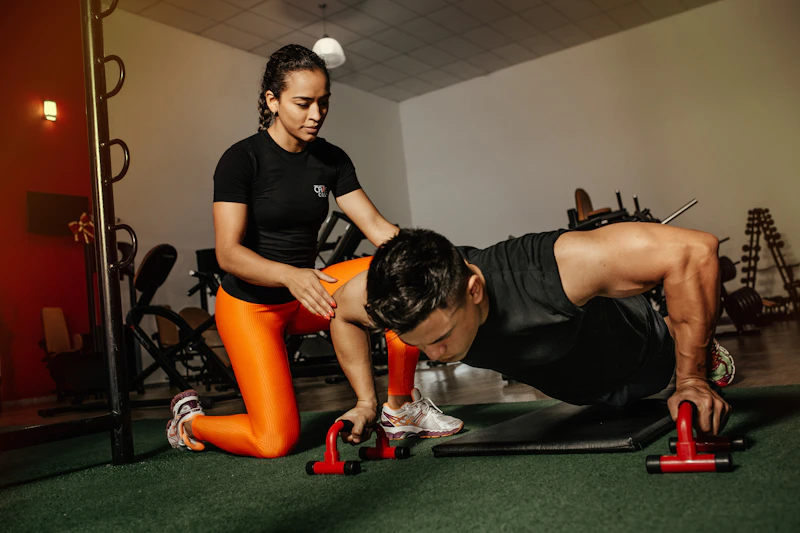
If you are new to strength training, start with bodyweight basics or light resistance under guidance from a qualified personal trainer. Form is critical — lifting with poor technique causes injury. Many Dubai gyms offer complimentary form checks; use them. Key movements to master:
- Squats (leg strength, bone density, functional movement)
- Deadlifts (posterior chain, full-body strength)
- Chest presses (upper body, bone density)
- Rows (back strength, posture)
- Overhead presses (shoulder strength, stability)
Aim for 8–12 reps per set, 2–3 sets per exercise, progressing weight gradually as you get stronger. Rest 48 hours between sessions targeting the same muscle groups.
Female-Friendly Studios and Gyms
Dubai has excellent female-focused fitness options. Strength Training for Beginners in Dubai covers entry-level options in detail. For menopause-specific needs, look for gyms offering:
- Classes specifically designed for women over 40–45
- Trainers with certifications in women's fitness or peri/post-menopausal exercise
- Accessible, well-lit facilities with supportive community
- Classes at flexible times (early morning before heat, lunchtime, evening)
Find a Women's Fitness Trainer in Dubai
GetFitDXB connects you with certified personal trainers specialising in women's fitness and menopause. Browse by area, specialty, and budget, then book your first consultation.
4. Managing Menopausal Symptoms Through Exercise
Beyond body composition and bone health, exercise is a powerful tool for managing the symptoms that make menopause difficult.
Hot Flushes and Night Sweats
Hot flushes are triggered by hormonal fluctuations affecting your thermoregulatory system. Regular aerobic exercise and HIIT reduce hot flush frequency by 30–50%. The mechanism is not fully understood, but stabilised body temperature regulation and improved cardiovascular function appear key. Strength training also helps, though less dramatically than cardio.
Practical: Avoid triggering hot flushes with very hot environments. Early-morning outdoor training, air-conditioned gyms, and swimming are preferable to outdoor midday sessions.
Sleep Disruption
Night sweats and hormonal disruption often destroy sleep quality — leading to fatigue, mood problems, and poor recovery from training. Consistent exercise (especially strength training and evening yoga) significantly improves sleep architecture. Morning sunlight exposure helps regulate circadian rhythm. Avoid intense training in the 3 hours before bed.
Mood and Anxiety
Menopause often brings anxiety, depression, or emotional instability. Exercise is as effective as medication for many women. Strength training boosts confidence and body image. Yoga and pilates reduce anxiety through breath work and mindfulness. Social group fitness provides community and connection.
Fatigue
Paradoxically, consistent exercise combats fatigue despite the energy investment. Regular movement improves mitochondrial function, oxygen delivery, and resilience. Start gently if fatigued — even 15–20 minutes daily helps more than longer sporadic sessions.
5. The Dubai Heat Challenge: Working Out Safely During Menopause
Dubai's climate presents a unique menopause fitness challenge. Summer heat (45°C+) and high humidity amplify hot flushes and create genuine health risks around dehydration and heat stress.
Heat and Hot Flushes
Dubai's environmental heat can trigger or intensify menopausal hot flushes. High external temperatures make it harder for your body to regulate core temperature, exacerbating the exact dysregulation menopause causes. During May–September, outdoor midday training often becomes impractical.
Strategic Timing
Plan workouts for cooler parts of the day:
- Early morning (5–7 AM): Temperatures around 25–30°C, less humidity. Ideal window for outdoor training.
- Evening (6–8 PM): Slightly cooler as the day ends. Still warm but manageable.
- Summer pivot: Move indoor May–September. Air-conditioned gyms, indoor pools, and studios become non-negotiable.
Hydration Protocols
Women in menopause lose more fluids through sweating and have reduced thirst signals. Aim for 2.5–3+ litres daily in Dubai, increasing to 4+ litres on training days. Drink 400–600 ml water 2–3 hours before exercise, 200–300 ml every 15–20 minutes during exercise, and 500 ml for every kg lost post-exercise. Include electrolytes (sodium, potassium) during sessions over 60 minutes.
Indoor Training Options
Dubai's facilities are exceptional. Leverage them:
- Air-conditioned gyms with strength equipment and classes
- Indoor pools for swimming and aqua fitness (incredible for cooling and low-impact work)
- Cycling studios with temperature control
- Yoga and pilates studios
- Shopping mall fitness facilities with climate control
6. Nutrition During Menopause in Dubai
Exercise alone is insufficient. Nutrition during menopause requires specific attention to support muscle, bone, and metabolic health.
Protein Intake
Aim for 1.2–1.6 grams of protein per kg body weight daily. Older research suggested 0.8 g/kg was sufficient; newer evidence shows higher intake preserves muscle mass during menopause. Distribute across 4–5 meals rather than concentrating at dinner. Sources: lean meat, fish, eggs, Greek yoghurt, legumes, nuts, protein powder.
Calcium and Vitamin D
Critical for bone health. Target 1,000–1,200 mg calcium daily and 20–25 mcg (800–1,000 IU) vitamin D daily. In Dubai's year-round sun, vitamin D deficiency is surprisingly common due to sun avoidance and air-conditioned indoor living. Get tested — supplementation often needed. Calcium sources: dairy, leafy greens, fortified plant-based milks, almonds, sardines.
Phytoestrogens and Plant-Based Foods
Foods containing plant compounds that mimic estrogen can modestly reduce hot flushes and symptoms. Include regularly: soy (tofu, tempeh, edamame), flaxseeds, legumes (lentils, chickpeas), whole grains, berries, cruciferous vegetables (broccoli, kale).
Dubai-Specific Nutrition Notes
UAE cuisine often emphasises oil, refined carbohydrates, and processed foods. Conscious eating is required. Prioritise whole foods: fresh vegetables, fruits, lean proteins, whole grains. Limit processed items, sugary drinks, and excessive salt.
Read more: Nutrition Guide and Meal Plans in Dubai.
7. Finding a Menopause-Aware Personal Trainer in Dubai
A good personal trainer can accelerate results and prevent mistakes. What should you look for?
Key Qualifications and Specialisms
Look for trainers holding:
- International certification (NASM, ACE, ISSA, REPS Level 3)
- Specific training in women's fitness, hormonal health, or post-menopausal exercise
- Certifications in corrective exercise or functional movement assessment
- Evidence of continuous professional development and specialisation
Questions to Ask
Before committing:
- "What is your experience training women in menopause?"
- "How do you modify programming for symptoms like hot flushes and sleep disruption?"
- "How do you address bone density and fall prevention in training?"
- "What is your approach to nutrition guidance?"
- "Can you provide references from clients in a similar life stage?"
Pricing and Packages
Expect AED 300–500 per session for trainers specialising in women's fitness. Many offer discounted packages for 4–8 sessions monthly. Semi-private training (2–4 people) costs 30–40% less than 1:1. A strong trainer relationship is worth the investment — look at 3–6 month commitments to see real results.
8. Best Gyms & Studios for Women Over 45 in Dubai
Dubai has excellent options catering to mature women's fitness needs:
Women-Only and Female-Focused Facilities
Several gyms offer female-only areas or classes specifically designed for women over 40–45. Benefits include comfort, reduced intimidation, and community with others in the same life stage. Some popular options cater specifically to this demographic with age-appropriate programming.
Boutique Studios Specialising in Women's Wellness
Pilates studios, yoga centres, and functional fitness studios often have strong communities of women in midlife transition. Many offer free trial classes. Community matters for long-term consistency.
Budget-Friendly Gym Chains
Large chains like GymNation (AED 99–149/month) provide affordable 24-hour access, comprehensive equipment, and often have trainers available for consultations or sessions. Perfect for self-directed training with occasional guidance.
9. Bone Health & Weight-Bearing Exercise in Dubai
Osteoporosis becomes a serious risk post-menopause as bone density drops rapidly. Weight-bearing exercise is the primary non-pharmaceutical intervention.
Why Weight-Bearing Exercise Works
Bone is living tissue that remodels constantly. Weight-bearing stress on bone triggers adaptation — bone becomes denser to handle the load. This applies to bones throughout the body. Walking, running (low-impact when progressed carefully), dancing, strength training, and even jumping are all weight-bearing.
Practical Application
Combine:
- Strength training 2–3x weekly (especially lower body and spine) — most effective for bone density
- Weight-bearing aerobic work (walking, dancing, cycling, low-impact HIIT) 3–5x weekly
- Flexibility and balance work (yoga, pilates, tai chi) to improve proprioception and reduce fall risk
If you have osteoporosis or osteopenia (detected via DEXA scan), consult a physiotherapist or trainer specialising in bone health before starting high-impact work.
10. Frequently Asked Questions
At what age does menopause typically start?
Average age is 51, but the perimenopausal transition (when symptoms begin) often starts 5–10 years earlier, around age 40–45. Some women experience early menopause (before 40) due to genetics, medical conditions, or treatments. If you are experiencing symptoms, do not wait for the "official" diagnosis — start addressing fitness and health now.
Will strength training make me bulky?
No. Women lack the testosterone levels required to build large muscles quickly. Strength training creates lean, toned appearance, improves posture, and boosts metabolism. The goal is functional strength and muscle tone, not hypertrophy. You control muscle size through volume and intensity; moderate strength work creates definition without bulk.
Is it too late to start exercising if I am already in menopause?
Never too late. While the first 5 years post-menopause offer the greatest protective effect, research consistently shows that women starting exercise later still achieve significant bone density improvement, muscle building, and symptom reduction. Women in their 60s, 70s, and beyond respond very well to progressive resistance training.
Should I take hormone replacement therapy (HRT) if exercising?
That is a medical decision between you and your doctor. Exercise and HRT are not mutually exclusive — they work synergistically. Many women combine both. Others manage symptoms effectively through exercise, nutrition, and lifestyle alone. Discuss options with your healthcare provider; GetFitDXB can connect you with trainers experienced in supporting women on or off HRT.
What is the minimum amount of exercise needed for menopause benefits?
Research shows benefits with as little as 150 minutes moderate aerobic work weekly (3–5 x 30 minutes), or 75 minutes vigorous work, plus 2 strength sessions weekly. More is beneficial, but consistency matters more than volume. Three 40-minute sessions weekly outperforms sporadic intense training.
Ready to Transform Your Menopause Fitness?
Join 1000+ Dubai women investing in their health and strength during menopause. Browse our directory of female trainers specialising in women's fitness, find a women-focused gym, or book a consultation with a menopause-aware coach.