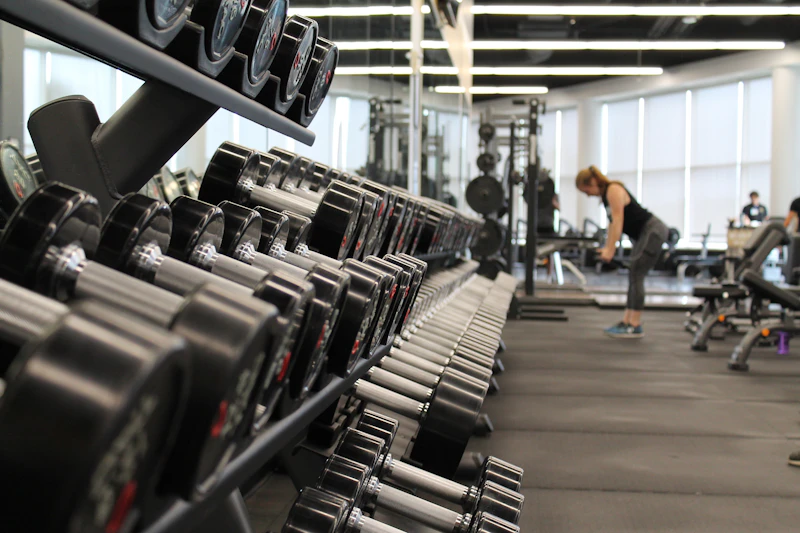
Dubai's fitness scene has undergone a remarkable transformation, and nowhere is this more evident than in the resources available to women. From hormone-informed personal training to women-only studio spaces, reformer pilates in Marina Walk, and specialist female coaches who understand the nuance of training around a menstrual cycle — Dubai in 2026 offers world-class fitness support for every woman, at every life stage. This comprehensive guide covers everything you need to know about women's fitness training in Dubai, from the science of hormonal training to the practicalities of finding the right trainer, studio, and approach for your specific goals.
1. Women's Fitness in Dubai: The Landscape in 2026
Dubai is home to one of the most diverse female populations on earth. From Emirati women navigating cultural considerations around fitness dress codes and mixed-gender spaces, to South Asian expats managing fitness alongside family commitments, to Western professionals chasing performance goals and European tourists seeking classes — the demand for intelligent, culturally aware, and scientifically informed women's fitness has never been greater.
The city now supports over 400 dedicated fitness studios, with many offering women-only sessions or entire female-focused facilities. The personal training sector has seen a surge in female coaches — women with degrees in sport science, specialist certifications in pre- and postnatal fitness, and deep expertise in hormonal health. Dubai Marina alone has over 30 studios and gyms within walking distance, many of which run women-specific programmes.
Yet despite this abundance of options, many women still approach training with outdated assumptions: that they should avoid heavy weights, that cardio is the primary vehicle for fat loss, and that their hormonal cycle is an obstacle rather than a training tool. This guide exists to reframe all of that.
The Shift Toward Hormonal Intelligence in Dubai Fitness
The past five years have seen a seismic shift in how Dubai's fitness professionals approach women's training. Coaches now attend seminars on female physiology, certified nutrition advisers specialise in women's hormonal health, and an increasing number of gyms offer cycle-tracking apps integrated with their booking systems. This shift reflects a broader global recognition that women are not small men — their physiology, hormonal milieu, and responses to training differ fundamentally, and ignoring these differences leads to suboptimal results at best, and injury or hormonal disruption at worst.
This guide is organised to take you through the science first, then the practical application, then the Dubai-specific resources. Whether you are brand new to fitness or an experienced athlete looking to fine-tune your approach, you will find everything you need here. For those seeking deeper dives into specific topics, this pillar is supported by six detailed sub-guides covering training around your menstrual cycle, hormonal contraception and athletic performance, the female athlete triad, working out with PMS, perimenopause fitness, and a complete 12-week women's strength training plan.
2. How Hormones Shape Your Training
Understanding the hormonal architecture of a typical female cycle is the foundation of intelligent women's training. The primary hormones at play are oestrogen, progesterone, follicle-stimulating hormone (FSH), and luteinising hormone (LH), with testosterone also playing an important — though often overlooked — role in women's strength and libido.
Oestrogen: The Performance Architect
Oestrogen is often described as the "anabolic" female hormone — it supports muscle protein synthesis, enhances glycogen storage, improves insulin sensitivity, and may have neuroprotective effects on the central nervous system. When oestrogen is high (primarily in the follicular phase, days 1–14 of a 28-day cycle), women typically feel stronger, recover faster, and have a higher pain tolerance. Research published in the Journal of Applied Physiology has shown that peak strength can be 10–15% higher in the follicular phase compared to the early luteal phase.
Oestrogen also has a significant effect on collagen and ligament laxity. Studies have found that ligament laxity increases around ovulation due to oestrogen's effect on collagen synthesis pathways — which partly explains why ACL injuries in women tend to cluster in the pre-ovulatory period. Female athletes training in Dubai should be aware of this risk and ensure their warm-up protocols are rigorous around ovulation.
Progesterone: The Recovery Hormone
Progesterone dominates the luteal phase (days 15–28). Its effects on training are nuanced: it increases core body temperature by approximately 0.3–0.5°C (particularly relevant in Dubai's heat), raises the respiratory rate, and can impair glycogen utilisation. Women in the luteal phase may find high-intensity training harder to sustain and may need more carbohydrates to maintain performance. Progesterone also has a mild catabolic effect, meaning recovery from heavy lifting may be slower.
This does not mean women should avoid training in the luteal phase — far from it. Rather, intelligent programming shifts the emphasis toward moderate intensity, higher volume, and greater recovery emphasis in the second half of the cycle. Yoga, Pilates, moderate cardio, and accessory work are well-suited to the luteal phase, while the follicular phase is optimal for new personal bests and high-intensity intervals.
Testosterone in Women
Women produce testosterone in the ovaries and adrenal glands, typically at concentrations 10–15 times lower than men. Despite this, testosterone plays a critical role in women's training adaptations, libido, bone density, and mood. Testosterone peaks around ovulation, contributing to the mid-cycle energy surge many women notice. Training — particularly heavy compound lifts — stimulates testosterone release in women, which is another reason why resistance training is so beneficial beyond simply building muscle.
Dubai's year-round gym access means women can train consistently across all cycle phases without weather interruption. However, the luteal phase in summer (June–September) combines progesterone's natural temperature elevation with extreme external heat — making indoor training essential during these months. Plan your heaviest lifting sessions for the follicular phase and schedule active recovery, mobility, and moderate cardio for the luteal phase.
3. Cycle Syncing: Training by Hormonal Phase
Cycle syncing — deliberately aligning your training intensity, type, and volume with your hormonal phase — has moved from fringe biohacking to mainstream sports science in the past decade. For a more detailed phase-by-phase guide, see our article on training around your menstrual cycle in Dubai. Here, we provide the essential framework.
🔴 Menstrual Phase (Days 1–5)
- Hormones at lowest levels
- Energy may be reduced
- Focus: gentle movement, yoga, walking
- Honour rest if needed
- Avoid very high intensity
🔵 Follicular Phase (Days 6–13)
- Rising oestrogen = rising energy
- Best time for new PRs
- Focus: heavy lifting, HIIT, skill work
- Recovery is faster
- Good time to start new programmes
🟢 Ovulatory Phase (Days 14–16)
- Peak strength and power
- Highest ligament laxity — warm up well
- Focus: maximal efforts, competitions
- Social energy peaks
- Watch for ACL/ankle injury risk
🟡 Luteal Phase (Days 17–28)
- Progesterone rises, temp increases
- Higher carbohydrate needs
- Focus: moderate intensity, recovery
- Good for skill refinement
- Prioritise sleep and nutrition
For women on hormonal contraception, the natural hormonal fluctuations are blunted or eliminated depending on the method. Research on how different contraceptive types affect training adaptations and performance is an evolving field — our guide on hormonal contraception and athletic performance covers this in detail, including the differences between combined pills, progestogen-only pills, hormonal IUDs, and implants.
Practical Cycle Tracking for Dubai Women
Tracking your cycle does not require complex technology, though apps like Clue, Natural Cycles, and Flo can be helpful tools. Many Dubai-based female personal trainers incorporate cycle awareness into their client programmes, asking clients to log their cycle phase alongside their training diary. Over time, patterns emerge that allow more precise training adjustments.
For women with irregular cycles — common in those with PCOS, significant training loads, or hormonal imbalances — cycle syncing is harder to implement in a strict sense, but the principle of respecting perceived energy levels and adapting intensity accordingly remains valid. Women experiencing irregular cycles in Dubai can access specialist hormonal health assessments through a number of private clinics in Business Bay, DIFC, and JLT.
Find a Female Personal Trainer in Dubai
Browse 150+ certified female personal trainers across Dubai Marina, Downtown, JBR, Business Bay, and more. Filter by specialisation, area, and price.
4. Strength Training for Women in Dubai: Dispelling the Myths
Despite the wealth of scientific evidence and the visible results of women who lift heavy, the myth that strength training makes women "bulky" persists — including in Dubai's fitness culture. This section addresses the science directly and provides a framework for effective resistance training for women at every level.
The Science of Muscle Building in Women
Women can build substantial muscle mass through progressive resistance training, though the rate and extent differs from men due primarily to testosterone levels. Research consistently shows that women gain strength at similar rates to men when expressed as a percentage of initial strength, but typically gain less absolute muscle mass due to hormonal differences. This means that for most women, the fear of becoming "too muscular" is unfounded — meaningful hypertrophy requires years of consistent, high-volume training and specific nutritional strategies that are not achieved accidentally.
The benefits of strength training for women are profound and well-documented: increased bone density (critical for preventing osteoporosis — a condition that disproportionately affects women), improved insulin sensitivity, elevated resting metabolic rate, better body composition, reduced risk of all-cause mortality, improved mood and cognitive function, and enhanced functional capacity as you age. For a complete progressive programme, see our 12-week women's strength training plan for Dubai.
Compound Movements as the Foundation
For women at any experience level, the five foundational compound movements — squat, hip hinge (deadlift), horizontal push (bench press/push-up), horizontal pull (row), and vertical pull (pull-up/lat pulldown) — should form the backbone of any strength programme. These movements recruit large muscle groups, stimulate significant hormonal responses, and build functional strength that translates to everyday life.
Many Dubai gyms have excellent free weight areas, though some women report feeling uncomfortable in male-dominated weight rooms, particularly when starting out. This is a real and valid concern — which is why female-friendly gyms, women-only training floors, and female personal trainers who can provide guided introduction sessions are so valuable in Dubai's fitness ecosystem.
| Training Level | Focus | Sessions/Week | Key Lifts |
|---|---|---|---|
| Beginner (0–6 months) | Technique & motor patterns | 2–3 | Goblet squat, Romanian DL, bench press, lat pulldown |
| Intermediate (6–24 months) | Progressive overload, hypertrophy | 3–4 | Back squat, conventional DL, barbell press, weighted rows |
| Advanced (2+ years) | Periodisation, peaking | 4–5 | Competition lifts, Olympic derivatives, advanced variations |
Strength Training and Hormonal Health
One concern among some women is that heavy lifting may disrupt hormones. The evidence does not support this for moderate training loads. Resistance training at appropriate volumes and intensities (not extreme endurance or calorie-restriction contexts) generally supports hormonal health by improving insulin sensitivity, reducing cortisol over time, and supporting lean body composition. The key risk factor is excessive training combined with insufficient energy intake — which can trigger relative energy deficiency in sport (RED-S), formerly known as the female athlete triad. See our dedicated guide on the female athlete triad in Dubai for more on this critical topic.
Women following a beginner strength training programme in Dubai typically see measurable improvements in body composition within 8 weeks, with significant strength gains visible within 12 weeks. The key is consistency, progressive overload, and adequate protein intake (1.6–2.2g per kg of bodyweight per day, distributed across meals).
5. Cardio Training for Women: What Actually Works
Cardiovascular training for women is often treated as the primary — and sometimes only — tool for fat loss. This framing undersells the complexity of female physiology and leads many women to spend hours on treadmills or in spin classes without achieving their goals. Effective cardio programming for women must account for hormonal phase, training history, goals, and the specific context of Dubai's environment.
Zone 2 Training: The Underused Foundation
Zone 2 cardio — low-to-moderate intensity exercise where you can hold a conversation comfortably, typically 60–70% of maximum heart rate — is arguably the most important type of training for long-term health and body composition in women. Research shows that Zone 2 training develops mitochondrial density, improves fat oxidation capacity, enhances insulin sensitivity, and supports cardiovascular health without the hormonal stress of high-intensity work.
For women in Dubai, Zone 2 options include brisk walking in cooler months (October–April), indoor cycling, rowing machines, light jogging, and swimming. A target of 150–200 minutes per week of Zone 2 cardio provides a robust aerobic foundation that supports all other training modalities.
HIIT for Women: Benefits and Cautions
High-intensity interval training (HIIT) is highly effective for improving cardiovascular fitness, burning calories, and stimulating metabolic adaptations in women. However, the popular advice to do HIIT daily — particularly when combined with significant calorie restriction — can lead to elevated cortisol, disrupted menstrual cycles, increased injury risk, and training burnout. Women should limit HIIT to 2–3 sessions per week maximum, schedule it in the follicular phase when possible, and ensure adequate recovery.
Dubai offers exceptional HIIT options including F45 Training (multiple locations across the city), Barry's Bootcamp in Business Bay, and countless boutique studios. For women who prefer the energy of group classes, these can be excellent — but the caveat is to listen to your body and not feel obligated to match every class at maximum effort.
6. Nutrition Strategies for Active Women in Dubai
Nutrition for active women in Dubai has some unique considerations beyond standard sports nutrition guidelines. The multicultural food environment, halal dietary requirements for many residents, the cultural context of Ramadan, Dubai's heat affecting appetite, and the challenge of eating well in a city built around socialising and dining out — all of these require thoughtful navigation.
Protein: The Non-Negotiable Foundation
Protein intake is the single most important nutritional variable for women pursuing body composition change or performance goals. The research is clear: women need significantly more protein than mainstream dietary guidelines suggest, particularly those engaging in resistance training. A target of 1.6–2.2g per kg of bodyweight per day is well-supported by research, with the upper end appropriate for women in a calorie deficit or undertaking significant training loads.
In Dubai's food environment, excellent protein sources are readily available: lean meats from halal butchers and supermarkets, fresh fish from UAE waters, eggs, Greek yoghurt, cottage cheese, legumes (particularly popular in South Asian and Middle Eastern cuisines), and a growing range of plant-based proteins. Many Dubai cafes now offer high-protein meal options, and women's sports nutrition has become an established specialty among Dubai's sports dietitians.
Fuelling Around Your Cycle
The hormonal shifts across the menstrual cycle affect appetite, fuel utilisation, and nutrient needs in ways that standard nutrition advice ignores. During the follicular phase, women tend to be more insulin sensitive and can utilise carbohydrates effectively — making this an ideal time for higher carbohydrate intake around training. During the luteal phase, progesterone shifts substrate utilisation toward fat and reduces glycogen storage efficiency; many women find their appetite increases naturally in the luteal phase as the body's metabolic rate rises slightly.
A practical approach is to slightly increase carbohydrate intake in the days around high-intensity training sessions (particularly in the follicular phase) and ensure adequate fat intake throughout the cycle — since hormones including oestrogen and progesterone are synthesised from cholesterol, dietary fat restriction is counterproductive for hormonal health.
Dubai's abundance of fresh dates, nuts, and fruits makes pre- and post-workout fuelling convenient and culturally aligned. During Ramadan, pre-dawn Suhoor meals should prioritise protein and complex carbohydrates for sustained energy during daylight fasting, while Iftar is the ideal window for post-workout nutrition. Many Dubai female PTs offer Ramadan-specific nutrition plans tailored to training around fasting hours.
Iron and Other Micronutrients
Iron deficiency is disproportionately common in active women, particularly those with heavy menstrual bleeding, vegetarians, and those training at high volumes. Symptoms include fatigue, reduced performance, poor recovery, and difficulty concentrating. Women in Dubai should consider regular blood tests to monitor ferritin levels (ideally >30 µg/L for athletic performance), and discuss iron supplementation with a GP or sports medicine doctor if levels are suboptimal. Many Dubai clinics offer sports-specific blood panels that include ferritin, B12, vitamin D (widely deficient in Dubai despite the sun, due to covering up and indoor lifestyles), and thyroid function.
Download Our Free Dubai Fitness Starter Guide
Get the complete beginner's roadmap — workouts, nutrition basics, and how to find the right trainer in Dubai. Used by 5,000+ women across the UAE.
7. Special Populations: PCOS, Perimenopause, and Postnatal Fitness
Three areas of women's health deserve particular attention in the context of Dubai's fitness community: polycystic ovary syndrome (PCOS), perimenopause, and postnatal recovery. Each represents a significant population of women with specific training and nutrition needs that standard programmes fail to address.
PCOS and Exercise in Dubai
PCOS affects an estimated 10–15% of women of reproductive age globally, and Dubai's population is no exception. Characterised by hormonal imbalance, irregular cycles, insulin resistance, and often excess androgen levels, PCOS has significant implications for exercise response and nutrition. The evidence strongly supports resistance training as a first-line intervention for PCOS management — improving insulin sensitivity, reducing androgen levels, and supporting cycle regularity. Our detailed guide on PCOS and exercise in Dubai covers specific programme designs, nutrition strategies, and the best Dubai specialists for managing this condition through lifestyle.
Perimenopause: Training Through Hormonal Transition
Perimenopause — the transition phase leading to menopause, typically beginning in a woman's mid-to-late 40s — brings significant hormonal fluctuations that affect body composition, bone density, mood, sleep quality, and exercise performance. Dubai's large expat population includes many women navigating this transition without the support networks they might have at home, making it an area of particular importance for Dubai's fitness community.
The key training principles for perimenopausal women are: prioritise heavy resistance training (critical for bone density preservation as oestrogen declines), include Zone 2 cardio for cardiovascular health, reduce excessively high cortisol-generating training (marathon training, aggressive calorie cutting), and focus on sleep quality and stress management. Our dedicated guide on perimenopause fitness in Dubai provides a detailed training framework and guide to Dubai resources including hormone replacement therapy consultation and specialist trainers.
Postnatal Fitness: Getting It Right
The postnatal period requires careful, staged return to exercise — yet many Dubai women feel pressure (internal and external) to "bounce back" quickly. Rushing return to high-impact exercise or heavy lifting before the pelvic floor and core have adequately recovered risks long-term dysfunction including pelvic organ prolapse, stress incontinence, and diastasis recti complications. See our postnatal fitness and recovery guide for Dubai for a staged return-to-exercise protocol, red flags to watch for, and recommendations for women's health physiotherapists in Dubai who specialise in postnatal assessment.
The general guideline of "wait six weeks" before resuming exercise post-birth is outdated — a women's health physiotherapist assessment at 6–8 weeks provides a personalised return-to-exercise plan that accounts for the type of birth, any complications, pelvic floor function, and individual recovery trajectory. Many Dubai hospitals now include women's health physio as part of postnatal care packages.
8. Training in Dubai's Heat: Women-Specific Considerations
Dubai's climate presents specific challenges for all athletes, but women have some unique physiological considerations that make intelligent heat management especially important. During the summer months (June–September), outdoor training becomes genuinely dangerous between 9am and 6pm, with heat index values regularly exceeding 50°C when humidity is factored in.
Hormonal Influence on Thermoregulation
Progesterone raises core body temperature by 0.3–0.5°C in the luteal phase, which adds to external heat stress. This means women in the second half of their cycle face a higher physiological challenge when training in Dubai's summer heat compared to men or women in their follicular phase. Practical adjustments include: scheduling any outdoor training before 7am or after 7pm during summer months, choosing air-conditioned gyms for high-intensity sessions, increasing fluid intake by approximately 500ml per hour above normal guidelines during the luteal phase, and being more conservative with effort levels on hot days.
Hydration for Active Women in Dubai
Hydration needs are higher in Dubai than in most other cities due to heat and humidity driving sweat losses year-round. Active women should target a minimum of 3–4 litres of water daily, with additional electrolyte replacement for sessions lasting over 60 minutes. The signs of dehydration in women — headache, fatigue, reduced cognitive performance — can be confused with PMS symptoms in the luteal phase, making consistent hydration particularly important in the second half of the cycle.
During Ramadan, women who train while fasting must plan hydration carefully within the Iftar-to-Suhoor eating window. Pre-dawn Suhoor hydration (targeting 750–1000ml of water alongside electrolytes) helps maintain performance and reduces dehydration risk during fasting daylight hours.
Women with irregular cycles or amenorrhea (absent periods) due to low energy availability or high training stress are at increased risk of heat-related illness, as hormonal disruption impairs thermoregulatory responses. If you have not had a period in three or more months, please consult a sports medicine doctor in Dubai before undertaking high-intensity outdoor summer training. This is a potential sign of RED-S (Relative Energy Deficiency in Sport) — see our guide on the female athlete triad for more information.
Read Our Weekly Women's Fitness Newsletter
Expert articles, cycle-syncing tips, Dubai studio reviews, and exclusive offers for women — every Tuesday morning in your inbox.
9. Finding a Female Personal Trainer in Dubai
For many women, training with a female personal trainer makes a significant positive difference to their experience, comfort, and results. Whether it is for cultural or personal reasons around modesty, the desire for a trainer who understands female physiology from lived experience, or simply preferring same-gender coaching, Dubai has an excellent and growing pool of female personal trainers available across all areas and specialisations.
What to Look for in a Female PT in Dubai
When searching for a female personal trainer in Dubai, look for the following credentials and characteristics:
- Recognised qualification: NASM-CPT, ACE-CPT, ISSA, or REPS Level 3 as a minimum. Additional certifications in women's health, pre/postnatal fitness, or nutrition are highly valuable.
- Specific women's health knowledge: Ask whether they incorporate hormonal cycle awareness into programming, understand conditions like PCOS and endometriosis, and have experience with postnatal clients if relevant.
- Dubai experience: A trainer who has worked extensively in Dubai will understand the heat, the cultural context, the gym landscape, and the specific challenges facing women in the UAE.
- Communication style: A free consultation session should give you a sense of whether the trainer's approach, communication style, and personality are a good fit. Never commit to a package without a trial session.
| Service Type | Typical Dubai Price | Best For |
|---|---|---|
| 1-1 PT Session (60 min) | AED 250–550/session | Customised programming, technique focus |
| Monthly PT Package (12 sessions) | AED 2,200–5,500 | Structured progression, accountability |
| Online Coaching | AED 600–1,500/month | Flexible schedule, ongoing support |
| Small Group PT (3–5 women) | AED 120–200/person/session | Community, lower cost per session |
| Women's Group Classes | AED 80–180/class | Motivation, variety, social element |
You can browse and compare female personal trainers across Dubai using GetFitDXB's trainer directory — filter by gender, area, specialisation, and price to find the right match. We verify credentials for all listed professionals and allow you to read authentic client reviews before making a booking inquiry.
10. Best Gyms and Classes for Women in Dubai
Dubai's fitness infrastructure for women has expanded dramatically in recent years. From women-only gym floors to specialist boutique studios catering specifically to female clientele, the options are excellent across all price points and neighbourhoods.
Women-Only Facilities and Sections
Several major gym chains in Dubai offer dedicated women-only areas with full equipment, including Ladies World (multiple locations), and women-only floors in Fitness First, Gold's Gym, and Warehouse Gym branches. Many hotels — particularly in Dubai Marina and the Palm Jumeirah — have women-only fitness facilities as part of their spa and wellness offerings.
Popular Women's Studio Classes in Dubai
Boutique studios offering women-friendly environments have proliferated across Dubai in recent years. Particularly popular formats include:
- Reformer Pilates: Studios including Phlex Pilates, Reem Pilates, and PilatesPod are popular across Dubai Marina, JLT, and Downtown. Sessions typically cost AED 130–200 per class.
- Yoga: Hot yoga, vinyasa, and restorative yoga studios abound, with many offering women-specific classes and teacher-led workshops on cycle-syncing and hormonal yoga. See our prenatal yoga guide for pregnancy-specific options.
- Barre and dance fitness: Barre studios have grown significantly in Dubai, offering low-impact full-body workouts popular with women across fitness levels.
- Boxing: Women's boxing classes have become hugely popular in Dubai — a great stress outlet and full-body conditioning workout with a strong community feel.
- Swimming: Dubai's climate makes year-round swimming practical, and aqua fitness classes offer excellent low-impact options particularly for postnatal women or those with joint concerns.
Building a Balanced Weekly Schedule
An ideal weekly training schedule for most active women in Dubai combines 2–3 strength training sessions, 2 cardio sessions (one Zone 2, one interval-based), and 1–2 recovery sessions (yoga, Pilates, or mobility work). Adjusting intensity across the cycle — heavier in the follicular phase, more recovery-oriented in the luteal phase — builds additional sophistication into the programme over time.
Many Dubai female PTs now offer Menstrual Cycle Mapping sessions — initial consultations where they analyse your cycle history, training history, and goals to create a periodised programme aligned to your hormonal rhythms. These sessions typically cost AED 350–600 and provide a highly personalised framework that most women find transformative in their approach to training.
Frequently Asked Questions
Yes, women can build significant muscle through progressive resistance training, though at roughly 50–70% of the rate of men due to lower testosterone. Women in Dubai benefit from year-round gym access and excellent female PT options. Most women see measurable gains within 8–12 weeks of a structured programme with adequate protein intake (1.6–2g per kg bodyweight).
Research increasingly supports cycle-syncing training — adapting intensity and type to hormonal phase. During the follicular phase (days 1–14), rising oestrogen supports heavier lifting. During the luteal phase (days 15–28), progesterone favours moderate intensity and recovery work. This reduces injury risk and improves long-term performance.
The luteal phase raises core body temperature by 0.3–0.5°C, compounding external heat stress. Summer training should prioritise indoor air-conditioned gyms, early morning timing, and increased hydration. Women with progesterone-dominant luteal phases may find high-intensity outdoor training particularly challenging in summer months.
GetFitDXB lists 150+ verified female personal trainers across Dubai, covering Dubai Marina, Downtown, JBR, Business Bay, DIFC, and more. Filter by gender, specialisation, and area in our trainer search. All PTs are credential-verified and carry authentic client reviews.
Yes — training during Ramadan is safe with planning. Most women train 1–2 hours before Iftar, allowing immediate post-workout fuelling. Light to moderate intensity during fasting hours, with high-intensity sessions in the Iftar-to-Suhoor window, works well for most women. Dubai gyms offer special Ramadan hours and tailored class schedules.
Conclusion: Embracing the Full Complexity of Women's Fitness in Dubai
Women's fitness training in Dubai has never been more sophisticated, better resourced, or more aligned with the science of female physiology. The days of treating women as smaller versions of men in the gym are giving way to genuinely personalised approaches that honour hormonal cycles, life stages, cultural contexts, and individual goals. Whether you are a beginner taking your first steps into a Dubai gym, an experienced athlete optimising your performance, or navigating the specific challenges of PCOS, perimenopause, or postnatal recovery — the expertise, community, and infrastructure you need is available in this city.
The most important step is finding a trainer or studio that understands these nuances and treats your fitness journey with the intelligence and respect it deserves. Use GetFitDXB to browse Dubai's verified female personal trainers, read authentic client reviews, and make an informed choice about who best supports your goals. Explore our detailed sub-guides for deeper dives into each topic covered here, and connect with the GetFitDXB team if you need a personalised recommendation.
Your body, your cycle, your city — train accordingly. Find your Dubai fitness match today →