The postpartum period is a profound time of physical and emotional transformation. Your body has done something extraordinary, and now it deserves thoughtful, progressive recovery. This guide covers safe return to exercise, pelvic floor rehabilitation, diastasis recti management, and finding qualified postnatal trainers in Dubai who can support your rebuilding journey.
Our comprehensive fitness guide for special populations covers broader considerations for postnatal recovery alongside other life circumstances. This article focuses specifically on the practical, week-by-week roadmap for new mothers.
When Can You Start Exercising After Birth?
The timeline for returning to exercise depends on delivery type, complications, and your pre-pregnancy fitness level. There's no one-size-fits-all answer, but general guidelines provide a safe framework.
Immediate Postpartum (Days 1–2)
In the first 48 hours after birth, your focus is rest, bonding, and recovery. Gentle movement—rolling in bed, sitting up, walking to the bathroom—is fine and actually beneficial for circulation. You may feel weak or emotional, and that's completely normal.
Weeks 1–2: Gentle Movement Only
Once you're home, short walks around your house or neighbourhood are excellent. Aim for 5–10 minute walks, gradually increasing as you feel stronger. This aids circulation, prevents blood clots, and lifts mood without stressing your healing tissues.
Begin pelvic floor awareness exercises (gentle squeezes and releases—see below). These won't increase intra-abdominal pressure like high-impact activity, and they're crucial for healing.
Stop exercising and contact your healthcare provider if you experience increased vaginal bleeding, severe pain, breast infection symptoms, chest pain, or signs of blood clots (calf pain, swelling). These require immediate medical attention.
Weeks 3–6: Light Activity Progression
By week 3, many women feel ready for slightly more activity. Walking can increase to 20–30 minutes. Gentle postnatal yoga, breathing exercises, and modified core work (guided by a professional) are safe. Avoid high-impact activities, heavy lifting, and intense core work.
Your 6-week postnatal check-up is crucial. Your doctor will assess your healing, check for complications, and give you clearance for exercise progression. This is not a formality—it's essential medical oversight.
The 6-Week Check: What It Means for Fitness
The 6-week postpartum appointment (8 weeks if you had a caesarean) is the traditional gate for returning to exercise. Your doctor will:
- Examine your perineal healing (vaginal tear or episiotomy)
- Check your uterus has returned to normal size
- Assess for complications like infection or haemorrhage
- Clear you—or recommend modifications—for increased activity
Once cleared, you can gradually increase intensity. But "cleared" doesn't mean "back to pre-pregnancy intensity immediately." Recovery is still ongoing.
- Increase walking to 30–45 minutes, 5 days weekly
- Add postnatal Pilates or modified strength training 2–3 times weekly
- Focus on pelvic floor strengthening before high-impact activity
- Continue avoiding heavy lifting, intense core work, and high-impact sports
- Monitor any pelvic pain, heaviness, or leakage—these indicate you're doing too much
Understanding Diastasis Recti (Core Separation)
Diastasis recti (DR) is separation of the two halves of your rectus abdominis muscle (six-pack muscle). It's normal during pregnancy and affects most women—the gap typically ranges from 1–3 centimetres postpartum and gradually closes over months with proper training.
Why Diastasis Recti Matters for Exercise
The gap itself isn't dangerous, but how you exercise affects how quickly it closes. Certain movements can increase intra-abdominal pressure and delay healing:
- Avoid (initially): Heavy crunches, situps, forward-bending movements, planks, intense core exercises
- Safe movements: Pelvic floor breathing, transverse abdominis engagement, gentle walking, postnatal Pilates
Assessment and Recovery Timeline
A women's health physiotherapist can assess your gap and advise on safe progression. Most women with appropriate training see significant gap closure by 12–16 weeks postpartum.
The goal isn't just closing the gap—it's improving strength, function, and deep core control. Many women with gaps do better than women without gaps simply because they train more intelligently.
Focus on tension management rather than "closing the gap." Work with a postnatal specialist on deep breathing, core engagement without bracing, and functional movement patterns. This approach often produces better long-term outcomes than gap-focused training.
Pelvic Floor Recovery: The Foundation
Your pelvic floor—muscles supporting your bladder, uterus, and bowel—has been stretched and strained during pregnancy and delivery. Rehabilitation is essential.
Pelvic Floor Basics
The pelvic floor has three layers of muscles that must relax and contract properly. During pregnancy, they relax to allow vaginal delivery. After delivery, they need systematic rehabilitation to regain strength and endurance.
Pelvic Floor Symptoms
Many new mothers experience temporary pelvic floor dysfunction:
- Stress incontinence: Urine leakage with coughing, sneezing, jumping
- Urgency incontinence: Sudden urge to urinate
- Pelvic pain: Pain during intercourse or with certain movements
- Heaviness: Sensation of pelvic organs "dropping"
These are common but not normal. If you experience them, see a women's health physiotherapist. Treatment is highly effective.
Pelvic Floor Exercise Progression
Week 1–2: Pelvic floor awareness. Imagine stopping your urine stream (don't actually do this while urinating—it's just a mental reference). Squeeze and hold for 2–3 seconds, then release. Do 5–10 repetitions. The goal is awareness, not strength.
Week 3–6: Once aware of the muscles, begin gentle contractions. Squeeze, hold for 3–5 seconds, release. Do 8–10 repetitions, 2–3 times daily. Add longer holds and more repetitions as you progress.
Week 6+: Work with a physiotherapist on endurance training, strength building, and functional integration (pelvic floor engagement during walking, climbing stairs, coughing). This is where real recovery happens.
Some women "over-contract" their pelvic floor, creating tension and pain. If you feel pelvic heaviness, pain with exercise, or tight, tender muscles, you may need relaxation work, not strengthening. This is why professional guidance is essential.
Safe Exercises in the First 3 Months Postpartum
These exercises are designed to rebuild core stability, cardiovascular fitness, and functional strength without overloading your healing tissues.
Walking (Weeks 1+)
The safest, most accessible exercise. Start with 10–15 minutes in week 1–2, progress to 30–45 minutes by week 8–12. Walking aids mood, cardiovascular health, and pelvic floor function.
Postnatal Pilates (Weeks 3+)
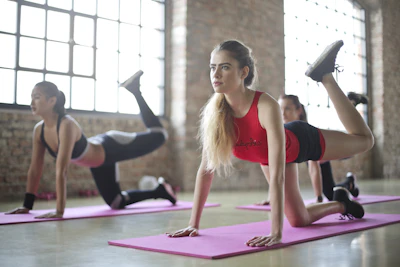
Postnatal Pilates focuses on deep core engagement without high intra-abdominal pressure. Movements like pelvic tilts, bridges, side-lying leg lifts, and modified planks are excellent for rebuilding strength. Work with a certified postnatal instructor.
Postnatal Yoga (Weeks 3+)
Gentle postnatal yoga (not power yoga or hot yoga) aids flexibility, breathing, and mental recovery. Focus on hip openers, gentle twists (safe once cleared), and relaxation.
Swimming (Weeks 6–8+)
Once your bleeding has stopped and internal tissues are healing (usually week 6–8), swimming is excellent. Water buoyancy unloads your joints and pelvic floor. Backstroke and kicking are gentler than front crawl initially.
Avoid (First 12 Weeks)
- High-impact activities (running, jumping, plyometrics)
- Heavy lifting or loaded squats
- Intense abdominal exercises (crunches, situps, intense planks)
- Contact sports
- Exercises causing pelvic heaviness, pain, or leakage
Returning to High-Intensity Training
Many women want to return to CrossFit, running, HIIT, or other intense activity. This is possible—but it requires a systematic approach.
Timeline for High-Intensity Return
Weeks 1–6: No high-intensity work. Healing is your priority.
Weeks 6–12: You can be cleared for increased activity by your doctor, but high-intensity exercise should wait. Build aerobic base with walking, cycling, or swimming at moderate intensity.
Weeks 12–16: If pelvic floor is strong, diastasis recti is improving, and you're leak-free with no heaviness, you can introduce light high-intensity work: short bursts (30 seconds) of intensity within a longer moderate session. Monitor for symptoms.
Week 16+: Progress slowly. Return to running, HIIT, or CrossFit gradually, monitoring for pelvic symptoms. If you experience leakage, pain, or heaviness, reduce intensity and consult a physiotherapist.
Find Your Postnatal Fitness Trainer
Dubai has certified postnatal specialists who understand pelvic floor recovery, diastasis recti management, and safe return to exercise. Get personalised guidance from experts.
Postnatal Fitness Classes in Dubai
Dubai offers excellent postnatal fitness options specifically designed for new mothers.
Postnatal Yoga Classes
Studios across Dubai (YogaHub, Yoga Society, independent studios in Marina, JBR, Downtown) offer postnatal yoga. These classes focus on gentle stretching, breathing, and pelvic floor awareness.
Postnatal Pilates and Core Classes
Pilates studios and personal trainers specialising in postnatal fitness offer mat or reformer classes. Reformer Pilates with spring resistance is particularly effective for safe core rebuilding.
Stroller Fitness Classes
Several facilities offer "stroller fitness"—classes where you push your stroller while exercising. These combine cardio with the practical reality of having a baby, and they're social too.
General Gym Classes
Gyms throughout Dubai offer postnatal-specific classes. Ensure instructors are trained in postnatal modifications and understand diastasis recti and pelvic floor considerations.
Finding a Certified Postnatal Trainer in Dubai
A qualified postnatal trainer makes recovery faster, safer, and more confident. Here's what to look for:
Essential Qualifications
- Postnatal certification: ACE Postnatal Exercise, NASM-CPT Postnatal Specialisation, RCEP Pre/Postnatal Specialist, or equivalent
- Pelvic floor knowledge: Understanding of pelvic floor recovery, diastasis recti assessment
- Experience: Multiple postnatal clients with varied delivery types (vaginal, planned caesarean, emergency caesarean)
- Referral network: Can refer you to a women's health physiotherapist if needed
Finding Trainers on GetFitDXB
GetFitDXB's trainer search lets you filter by specialisation. Search for "postnatal" or "pre/postnatal fitness." Read reviews and ask potential trainers:
- What's your experience with diastasis recti assessment?
- How do you modify exercises for pelvic floor recovery?
- Can you work alongside my physiotherapist?
- How do you handle varied recovery timelines?
Our guide to choosing a personal trainer covers broader selection criteria. Many new mothers prefer female trainers who have personal experience with postnatal recovery.
FAQ
Can I exercise while breastfeeding? Yes, absolutely. Moderate exercise doesn't affect milk supply or quality. Stay hydrated and ensure proper nutrition. Some women notice their baby prefers milk after they've cooled down post-exercise, so time nursing accordingly if you prefer.
When can I return to running? If you were a regular runner before pregnancy, you can typically return to easy jogging by 12–16 weeks postpartum, provided your pelvic floor is strong (no leakage). Start conservatively—alternate 1-minute run/2-minute walk segments. If you experience heaviness, pain, or leakage, you're not ready yet.
What should I eat while recovering postpartum? A comprehensive nutrition guide for Dubai residents covers postpartum nutrition in detail. Prioritise protein, iron, and calories to support healing and energy.
Is postnatal depression related to exercise? Exercise can help manage postnatal depression—it reduces symptoms and improves mood. However, if you're struggling emotionally, speak with your doctor. Exercise is supportive but not a replacement for professional mental health care. Read more about mental health and exercise.
What's the difference between prenatal and postnatal fitness? Prenatal exercise maintains fitness during pregnancy. Postnatal exercise focuses on recovery—rebuilding your core, pelvic floor, and cardiovascular fitness after the demands of pregnancy and birth. See our prenatal exercise guide for pregnancy-specific guidance.