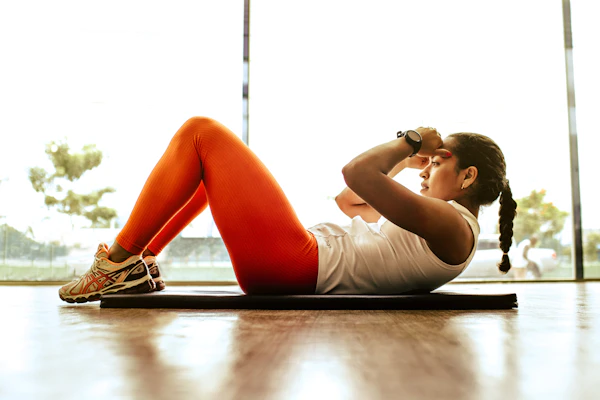
Dubai is one of the world's great fitness cities. From the steel-and-glass towers of Downtown to the sun-baked beachfronts of JBR, the city pulses with energy and ambition — and its fitness scene reflects that perfectly. Whether you are a corporate professional wanting to build a better body, a new mum recovering from pregnancy, an elite athlete chasing performance gains, or simply someone who has never exercised before, personal training in Dubai can transform your life. This comprehensive guide tells you everything you need to know.
1. What is Personal Training?
Personal training is a service where a certified fitness professional designs and delivers a bespoke exercise programme tailored specifically to your goals, fitness level, health conditions, and schedule. Unlike generic gym classes or workout videos, a personal trainer gives you their full, undivided attention for the duration of your session.
A great personal trainer does far more than count reps. They are part coach, part teacher, part motivator, and part accountability partner. They assess where you are, plan where you are going, and guide every step of the journey with expertise and care.
What a Personal Trainer Actually Does
Before you commit to hiring a PT, it is worth understanding what the service actually encompasses:
- Initial assessment: A thorough analysis of your current fitness level, movement patterns, health history, lifestyle, and goals. Good trainers spend significant time here before prescribing any exercise.
- Programme design: A periodised training plan built around your specific goals — whether that is weight loss, muscle building, improved athletic performance, injury rehabilitation, or general health.
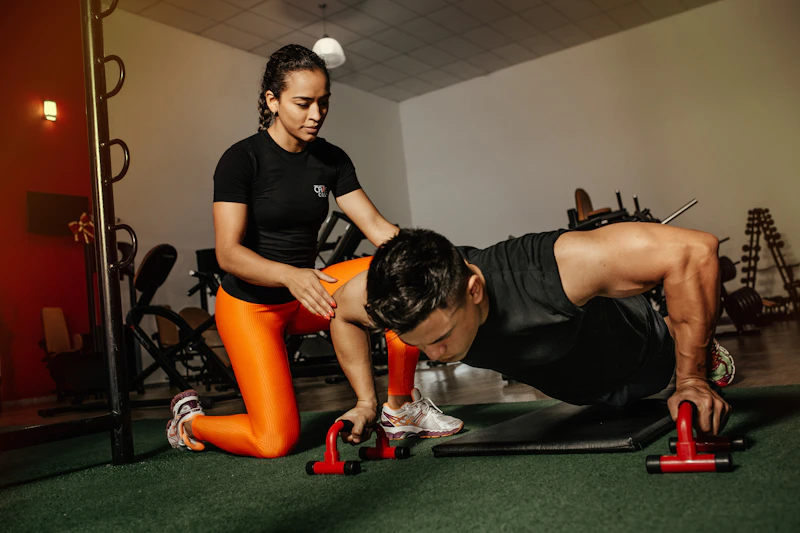
- Technique coaching: Ensuring you perform every exercise with correct form to maximise results and minimise injury risk. This alone is worth the investment for beginners.
- Progressive overload: Systematically increasing the challenge over time to ensure continuous improvement and prevent adaptation plateaus.
- Nutritional guidance: While only registered dietitians can provide clinical nutrition advice, most PTs can offer general nutritional guidance and meal planning principles to complement your training.
- Motivation and accountability: Having someone who knows your name, tracks your progress, and genuinely cares about your results is one of the most powerful drivers of long-term fitness success.
2. Why Dubai is Unique for Personal Training
If you have trained elsewhere and are new to Dubai, you will quickly discover that the city's fitness landscape has a character all of its own. Several factors make personal training here genuinely distinctive.
Year-Round Heat Changes Everything
Dubai's climate is extreme. Summer temperatures regularly exceed 45°C with high humidity, and outdoor training between June and September requires significant modification or relocation indoors. A knowledgeable Dubai-based PT will design your programme around the seasons — maximising outdoor training in the cooler months (October to April) and pivoting to air-conditioned gyms, indoor pools, or early-morning sessions during summer.
Hydration requirements in Dubai are also significantly higher than most people expect. Your trainer should be building hydration protocols into your programme, particularly for any outdoor or high-intensity training.
Ramadan Considerations
For the Muslim community and many non-Muslims who choose to observe Ramadan's spirit, training during this period requires specific adaptations. Experienced Dubai PTs understand how to modify training intensity, timing, and nutrition recommendations during the holy month — a skill that trainers from other regions often lack.
A Truly International Community
Dubai's population is one of the most diverse on Earth, with over 200 nationalities. This means Dubai's personal training community is extraordinarily talented and experienced — drawing coaches from the UK, USA, Australia, South Africa, Europe, and across Asia. Whatever your training philosophy preference — whether it is functional fitness, bodybuilding, yoga-inspired, or sports-specific — you will find an expert here.
World-Class Facilities
Dubai's gyms and studio spaces are exceptional. From purpose-built CrossFit boxes in Al Quoz to boutique Pilates studios in DIFC, five-star hotel gyms in JBR, and expansive fitness complexes in Dubai Marina, the infrastructure available to personal trainers and their clients is world-class. Many trainers also have access to outdoor venues that are simply spectacular — beachfront training, Bluewaters Island, Zabeel Park, and more.
📋 Free Download: 10 Questions to Ask a Personal Trainer
Before you book a single session, make sure you ask these. Most people skip question #7 — and regret it.
3. How Much Does a Personal Trainer Cost in Dubai?
Cost is almost always the first question people ask — and understandably so. Personal training in Dubai spans a wide price range. Here is a comprehensive breakdown of what you can expect to pay, and what you get at each price point.
Per-Session Pricing
| Trainer Level | Per Session (60 min) | What You Get |
|---|---|---|
| Entry Level (0–2 years experience) | AED 150–250 | Basic certification, limited experience. Fine for beginners. |
| Mid-Level (2–5 years experience) | AED 250–400 | Solid qualifications, specialisms developing, good results track record. |
| Senior Trainer (5–10 years experience) | AED 400–600 | Multiple certifications, proven methodology, strong client results, often specialist expertise. |
| Elite / Celebrity Trainer | AED 600–1,500+ | Top-tier expertise, celebrity clientele, highly personalised, often includes nutritional and lifestyle coaching. |
Monthly Package Pricing
Buying sessions in packages always offers better value and creates more commitment on both sides. Here is what typical monthly packages look like:
| Package | Sessions / Month | Price Range | Best For |
|---|---|---|---|
| Starter | 4 sessions | AED 800–1,200 | Supplementing self-directed gym training |
| Standard | 8 sessions | AED 1,500–3,000 | Most popular — 2x per week training frequency |
| Intensive | 12 sessions | AED 2,400–4,500 | 3x per week — ideal for rapid transformation goals |
| Daily Training | 20+ sessions | AED 4,000–8,000+ | Athletes, competition prep, or rapid body change |
- Outdoor training is often cheaper as trainers save on gym facility costs. JBR Beach and Jumeirah Corniche are popular spots.
- Semi-private sessions (2–4 people) can cut costs by 30–40% with minimal loss of quality.
- Commit to longer packages — most trainers offer meaningful discounts for 3-month or 6-month commitments.
- Morning or off-peak slots can sometimes be negotiated at lower rates.
- Use GetFitDXB to compare prices across multiple trainers before committing.
For a deeper dive on pricing, read our dedicated article: How Much Does a Personal Trainer Cost in Dubai?
4. Types of Personal Training Available in Dubai
Personal training is not one-size-fits-all. Dubai's fitness market has evolved to offer highly specialised services for virtually every need. Understanding the types available will help you find exactly the right fit.
1:1 In-Gym Personal Training
The classic format: you and your trainer in a fully equipped gym. Access to free weights, machines, cable systems, and cardio equipment gives maximum programming flexibility. This is the most versatile option and suits most goals — weight loss, muscle building, general fitness, and sports conditioning.
Most Dubai trainers work out of a specific gym (often where they are employed or renting space) or offer access to multiple gym facilities. Some hotels allow non-resident bookings for gym access alongside PT sessions.
Home Visit Personal Training
Increasingly popular in Dubai, especially for busy professionals and parents. Your trainer comes to you — either using basic equipment they bring (resistance bands, TRX, dumbbells) or designing bodyweight programmes for your home or apartment gym.
Home visit training is ideal for people with demanding schedules, parents who cannot easily leave the house, or those who prefer the privacy of their own space. Sessions can also be held in building gyms and pools, which many Dubai residences have. Read our full guide: Personal Trainer at Home Dubai: What to Expect.
Outdoor Personal Training
During Dubai's cooler months (October to April), outdoor training is exceptional. Popular locations include:
- JBR Beach and The Walk — perfect for beach workouts and running
- Bluewaters Island — stunning views and excellent space
- Safa Park and Zabeel Park — ideal for park workouts and trail running
- Al Mamzar Beach Park — quieter alternative on the eastern side
- Business Bay Promenade — popular with early-morning runners and trainers
- Dubai Marina Walkway — long running route with gym access points
See also: Outdoor Training in Dubai and our guide to Outdoor Workout Spots in Dubai.
Online Personal Training
Remote personal training has exploded since 2020 and many Dubai-based trainers now offer hybrid or fully online programmes. Online PT is typically 40–60% cheaper than in-person training and offers tremendous flexibility. Sessions happen via video call (Zoom, FaceTime, WhatsApp) with programming delivered through dedicated apps.
It works best for people who already have good exercise technique, have access to equipment, and are strongly self-motivated. Read more: Online Personal Training in Dubai: Complete Guide.
Group Personal Training
Small group training (typically 2–6 people) combines the personalisation of a PT with the social energy of group fitness at a reduced per-person cost. Groups are often formed by friends, couples, or colleagues. This is one of the fastest-growing segments of Dubai's PT market.
Specialist Personal Training
Dubai's depth of fitness talent means you can find highly specialised trainers for almost any need:
- Pre/postnatal fitness — see Pre & Postnatal Fitness in Dubai
- Senior fitness — mobility, fall prevention, and age-appropriate conditioning
- Sports performance — for amateur and professional athletes
- Rehabilitation and injury recovery — working alongside physiotherapists
- Weight loss and body transformation
- Strength and powerlifting coaching
- Functional fitness and mobility
Looking for a Specialist Personal Trainer?
Browse GetFitDXB's directory of certified personal trainers filtered by specialty, location, and budget. Find your ideal coach today.
5. Qualifications: What to Look For in a Dubai Personal Trainer
Qualifications matter enormously in personal training. An unqualified or poorly qualified trainer can at best give mediocre results and at worst cause serious injury. In Dubai, the regulatory environment for fitness professionals is evolving, but responsibility for vetting credentials largely falls on the client. Here is what to look for.
Internationally Recognised Certifications
The gold standard certifications recognised globally and well-respected in Dubai are:
- NASM-CPT (National Academy of Sports Medicine) — widely regarded as the most rigorous foundational PT qualification
- ACE-CPT (American Council on Exercise) — another highly respected, science-backed certification
- ISSA (International Sports Sciences Association) — popular in the Middle East, comprehensive curriculum
- REPS Level 3 (Register of Exercise Professionals) — the UK standard, widely recognised in Dubai given its large British expat community
- NSCA-CSCS (National Strength and Conditioning Association) — the premier credential for strength and conditioning coaches
- ACSM (American College of Sports Medicine) — strongly evidence-based, excellent for clinical fitness work
Some trainers hold certifications from organisations that offer minimal scrutiny — weekend courses or short online programmes with no practical assessment. Always ask where a trainer qualified, how long the course was, and whether it required practical examination. Reputable certifications require ongoing continuing education to maintain.
First Aid and CPR Certification
A non-negotiable: every personal trainer should hold a current first aid and CPR certification. This is a basic safety standard and any trainer who does not hold one should be avoided.
Specialist Certifications
Beyond the foundational PT certification, many excellent trainers hold additional specialist credentials. Relevant ones to look for depending on your needs include:
- Pre/postnatal exercise specialist (e.g., MUTU System, CPPC)
- Precision Nutrition Coach (PN1 or PN2) for nutritional guidance
- Functional Movement Screen (FMS) certification
- Corrective exercise specialist (NASM-CES)
- Yoga teacher training (RYT-200 or higher)
- Sports nutrition specialist credentials
Continuing Professional Development (CPD)
The fitness industry evolves constantly. Look for trainers who invest in ongoing education — attending seminars, completing specialist courses, and staying current with exercise science. Ask when they last completed a CPD course and what it covered.
6. How to Find the Right Personal Trainer in Dubai
Finding a great personal trainer used to rely on word of mouth and wandering around gyms. In 2026, you have access to far better tools — and GetFitDXB was built specifically to make this process efficient and effective.
Use a Verified Directory (Like GetFitDXB)
GetFitDXB lists 200+ certified personal trainers across all Dubai areas, with verified credentials, authentic client reviews, transparent pricing, and detailed specialist information. You can filter by area, specialty, gender, price range, and availability — making it easy to create a shortlist in minutes rather than days.
All trainers on GetFitDXB have verified certifications and are reviewed by real clients who have trained with them. This dramatically reduces the risk of hiring an unqualified or ineffective trainer.
Ask Your Network
Personal recommendations remain powerful. Ask friends, colleagues, or neighbours in Dubai who they train with. A recommendation from someone who has similar goals to yours and has achieved results with a specific trainer is highly valuable. Dubai's expat community is generally open and happy to share recommendations.
Trial Sessions
Always book a trial or introductory session before committing to a package. Most reputable trainers offer a discounted or free first session. Use this to assess chemistry, communication style, professionalism, and approach. Trust your instincts — the relationship between you and your PT is personal, and it needs to feel right.
Social Media Research
Most good Dubai personal trainers maintain an active Instagram or YouTube presence. While follower counts are not a reliable quality indicator, the content itself is revealing. Look for trainers who share educational, technique-focused content rather than just selfies. Client testimonials and transformation stories (with permission) are also positive signals.
- Holds a recognised international PT certification (NASM, ACE, ISSA, REPS Level 3)
- Has current first aid and CPR certification
- Conducts a thorough initial assessment before prescribing a programme
- Has experience working with clients who have similar goals to yours
- Communicates clearly and listens to your input and concerns
- Has genuine client testimonials or reviews you can verify
- Provides a written programme or training plan
- Is punctual, professional, and prepared for every session
- Is willing to adapt if an exercise does not feel right for your body
7. What to Expect in Your First Personal Training Session
First sessions can feel daunting, especially if you are new to exercise or have been inactive for a while. Knowing what to expect will help you arrive prepared and get the most from the experience.
The Initial Consultation
The first session — or often a separate preliminary meeting — should be largely assessment-based. A thorough trainer will want to understand:
- Your primary and secondary fitness goals (be as specific as possible)
- Your training history and current activity level
- Any medical conditions, injuries, or movement restrictions
- Your lifestyle — work hours, stress levels, sleep quality, diet overview
- Your schedule and availability for training
- Your budget and commitment level
Movement Assessment
Many qualified trainers will put you through a basic movement screen — observing how you squat, hinge, push, pull, and rotate. This identifies movement dysfunctions and muscle imbalances that need to be addressed before loading the body with heavy resistance work. Do not be alarmed if your first "workout" is actually an assessment — this thoroughness is a very positive sign.
Your First Actual Training Session
Once assessments are complete, a first training session should be appropriately challenging but never overwhelming or excessively sore-inducing. A good trainer will gauge your response to exercise in real time and adjust the intensity accordingly. Expect a proper warm-up, a structured workout with technique coaching for every exercise, and a cooldown or stretching component.
- Arrive 10 minutes early — especially if it is your first visit to the gym
- Bring water (significantly more than you think you need, especially in summer)
- Wear appropriate clothing — ask your trainer in advance what is suitable
- Be completely honest about any pain, discomfort, or previous injuries
- Do not try to impress — let the trainer accurately assess your starting point
- Come with questions — this is your opportunity to understand the plan
8. How Long Until You See Personal Training Results?
This is the question everyone wants answered — and the honest answer is: it depends. On your goals, your starting point, how frequently you train, your nutrition, your sleep, and your consistency. But there are realistic timelines you can use as a guide.
General Fitness and Energy Improvement
Most people notice significant improvements in how they feel — energy levels, sleep quality, mood, and general physical confidence — within 2–3 weeks of consistent training. These internal improvements often precede visible physical changes and are powerful motivators.
Visible Physical Changes
With 2–3 weekly sessions, good nutrition, and adequate sleep, most people begin seeing visible changes in body composition (less fat, more definition) within 6–10 weeks. The exact timeline depends heavily on starting body composition, training intensity, and caloric management.
Strength Gains
Beginners often experience significant strength gains within 4–6 weeks, partly due to neurological adaptation (the body learning to use existing muscle fibres more efficiently) rather than actual muscle growth. Sustained strength progression then continues for years with proper programming.
Major Body Transformation
Losing a significant amount of body fat or building substantial muscle mass is a longer process — typically requiring 3–12 months of consistent, well-programmed training with disciplined nutrition. Anyone promising radical transformation in shorter periods should be viewed with scepticism.
✅ What Accelerates Results
- Consistent training frequency (3+ times/week)
- Aligned nutrition strategy
- Quality sleep (7–9 hours/night)
- Stress management
- Proper hydration (crucial in Dubai)
- Progressive overload in training
❌ What Slows Results
- Inconsistent training (skipping sessions)
- Poor nutrition habits between sessions
- Inadequate sleep and high stress
- Excessive alcohol consumption
- Not communicating openly with your trainer
- Comparing your journey to others
9. Where to Train: Dubai's Top Personal Training Areas
Personal trainers are spread across Dubai, and geography matters. While many trainers travel to clients, finding one based near your home or office saves time and increases consistency. Here are the main hubs:
- Dubai Marina — one of Dubai's densest fitness ecosystems. Multiple premium gyms, beach access, the Marina Walk running route, and dozens of highly qualified trainers. Excellent for both gym and outdoor training.
- JBR (Jumeirah Beach Residence) — beach training heaven, especially October–April. Outdoor workout areas, running paths, and proximity to world-class hotel gym facilities.
- Downtown Dubai — premium gym facilities, easy access for Business Bay and DIFC workers. Strong concentration of experienced trainers.
- Business Bay — rapidly growing fitness scene serving Dubai's corporate community. Convenient for professionals working in the area.
- JLT (Jumeirah Lakes Towers) — excellent value compared to Marina, with good gym infrastructure and a strong running community around the lakes.
- DIFC — premium boutique studios and hotel gym access, popular with finance professionals.
- Palm Jumeirah — stunning outdoor training environment, beach access, and proximity to luxury hotel facilities.
- Jumeirah — popular with families, good mix of home visit training and established gym facilities.
- Al Quoz — home to Dubai's best CrossFit boxes and specialist strength training facilities. Industrial-chic, high-performance training environment.
Find Personal Trainers Near You
Browse certified PTs in your area — Dubai Marina, Downtown, JBR, Business Bay, JLT, Palm Jumeirah, and more. Real reviews, verified qualifications, transparent pricing.
10. Questions to Ask Before Hiring a Personal Trainer
A trial session gives you a feel for a trainer, but asking the right questions before or during that session will help you make a more informed decision. Here are the most important ones:
- "What is your certification and how long is it valid?" — Should be able to produce documentation if asked.
- "How many years have you been training clients professionally?" — Experience matters, but quality of experience matters more.
- "Have you worked with clients who have similar goals to mine?" — Specialist experience is particularly important for rehabilitation, postnatal fitness, or competitive sports.
- "What does your initial assessment process look like?" — Any trainer who skips straight to working out without a thorough assessment is a red flag.
- "How do you track and measure progress?" — Look for concrete, objective measures beyond just how you "feel."
- "What is your approach to nutrition?" — They should offer guidance within their scope of practice, and refer to a registered dietitian for clinical nutrition needs.
- "What is your cancellation and rescheduling policy?" — Essential to understand before committing financially.
- "Do you have client references or testimonials I can review?" — Legitimate trainers are happy to provide these.
11. Red Flags to Avoid When Choosing a Dubai Personal Trainer
Not every trainer in Dubai meets the professional standards you deserve. Here are warning signs to watch for:
- No verifiable certification: If they cannot name a recognised qualification or provide evidence, walk away.
- Promises that sound too good: "Lose 10kg in 4 weeks" or "gain 5kg of muscle in a month" are physiologically unrealistic and a sign of either ignorance or dishonesty.
- No initial assessment: Jumping straight into training without understanding your health history, movement patterns, and goals is negligent.
- Distracted during sessions: On their phone, socialising with other gym members, or generally not engaged — your session time deserves their full professional attention.
- Pushing excessive supplements: While nutritional supplementation has its place, be wary of trainers who are aggressively selling specific supplement brands, particularly if they earn commission.
- No written programme: You should receive a written or digital training plan. Relying entirely on a trainer's memory session to session is unprofessional.
- Unresponsive between sessions: Good trainers are available for brief questions between sessions. Complete radio silence suggests low commitment.
- Pressure to sign large upfront packages: Ethical trainers are confident enough in their work to start with smaller commitments. High-pressure sales tactics are a red flag.
12. Frequently Asked Questions: Personal Training in Dubai
Is personal training worth it in Dubai?
For the vast majority of people, yes — particularly given the quality and diversity of trainers available in the city. Research consistently shows that people who train with a PT achieve results 30–50% faster than training alone, and the accountability factor dramatically improves consistency. In a city as time-pressured as Dubai, that accelerated ROI is highly valuable.
Can I find a female personal trainer in Dubai?
Absolutely. Dubai has a large and excellent community of female personal trainers — for both male and female clients. Some female clients prefer training with a female PT for comfort and cultural reasons. GetFitDXB allows you to filter by gender when searching. Read more: Female Personal Trainers in Dubai.
What should I bring to my first PT session?
Comfortable, breathable workout clothing suitable for the training environment (gym, outdoor, home). Appropriate footwear — cross-training shoes for gym, running shoes for outdoor. A large water bottle (aim for 1.5–2 litres minimum for a 60-minute session in Dubai). A small towel. Any relevant medical paperwork if you have been referred for exercise as part of treatment.
Can personal trainers in Dubai help with weight loss?
Yes — weight loss is the most common goal clients bring to personal trainers. A good PT will design a programme combining resistance training (crucial for maintaining muscle mass during weight loss), cardiovascular conditioning, and will provide nutritional guidance. For significant weight loss, the trainer-nutritionist combination is the gold standard approach. See: Weight Loss Guide for Dubai and Nutrition Coaching in Dubai.
How do I know if my personal trainer is actually qualified?
Ask to see their certification directly — most qualified trainers carry a digital or physical copy. You can also verify certifications on the issuing organisation's website (e.g., NASM has an online verification tool). All trainers listed on GetFitDXB have had their credentials verified before being added to our directory.
What is the difference between a personal trainer and a fitness coach?
In practice, the terms are often used interchangeably. "Coach" typically implies a broader relationship — often including lifestyle, mindset, and nutritional elements alongside the physical training programme. "Personal trainer" specifically refers to exercise programme design and delivery. Both should hold relevant certifications. Some professionals hold credentials in both domains.
Can I train with a personal trainer if I have an injury?
Yes, with caveats. For minor or resolved injuries, an experienced trainer can modify exercises to work around the affected area. For significant or ongoing injuries (post-surgery, chronic pain, disc injuries), you should ideally work with a physiotherapist either in parallel or first, and ensure your trainer has experience in rehabilitative exercise. Browse: Physiotherapy in Dubai.
Start Your Personal Training Journey in Dubai Today
Join thousands of people who have found their perfect trainer on GetFitDXB. Browse profiles, read genuine reviews, and book your first session — all in one place.
- Dubai's fitness scene is world-class — diverse, talented, and well-equipped
- Costs range from AED 150–600 per session depending on experience and type
- Look for internationally recognised certifications (NASM, ACE, ISSA, REPS Level 3)
- Types of training include in-gym, home visit, outdoor, online, and specialist
- Always trial a trainer before committing to a package
- Results typically appear within 2–3 weeks (energy) and 6–10 weeks (physical)
- Dubai's climate requires specific seasonal adaptations — choose a trainer who understands this
- GetFitDXB makes it easy to find verified, reviewed trainers across all Dubai areas