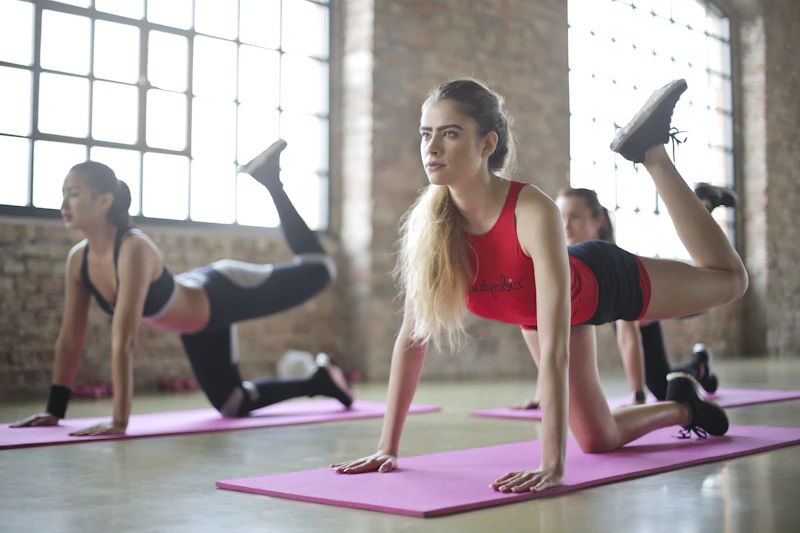
Staying active during pregnancy is one of the best things you can do for your health, your baby's development, and your delivery experience. But pregnancy fitness in Dubai requires specific modifications—especially given our intense heat and humidity. This guide covers safe, trimester-specific exercises and heat safety strategies so you can maintain strength and wellness throughout your nine months.
Why Exercise During Pregnancy in Dubai?
The benefits of prenatal exercise are well-documented. Regular, moderate-intensity activity during pregnancy reduces the risk of gestational diabetes, decreases back pain, improves sleep quality, and helps you recover faster after birth. Most importantly, it supports your cardiovascular and mental health during a transformative time.
In Dubai, where heat and sedentary lifestyles are common, staying active is even more crucial. The combination of pregnancy hormones, increased blood volume, and intense outdoor temperatures requires careful planning—but it's entirely possible to maintain fitness safely.
Research shows that pregnant women who exercise regularly report better mood, reduced anxiety, and shorter labour times. The key is working with your body's changes, not against them.
- Aim for 150 minutes of moderate-intensity activity per week
- Include strength training 2–3 times weekly
- Always get medical clearance before starting a new programme
- Stop immediately if you experience pain, shortness of breath, or dizziness
Our comprehensive fitness guide for special populations covers broader considerations for pregnancy, postnatal recovery, and other life circumstances that affect your training.
First Trimester: What's Safe and What to Avoid
The first trimester is often when women feel most fatigued and nauseous, yet it's also when you can maintain nearly your full pre-pregnancy intensity—as long as you listen to your body. Many women actually don't show yet, which can make this trimester feel "normal," but significant changes are happening internally.
First Trimester Exercise Strategy
If you were already exercising before pregnancy, you can largely continue your routine with minimal modification. The principle is: if it was safe before, it's likely safe now. However, avoid starting a brand-new, intense fitness programme during pregnancy. Pregnancy isn't the time to push personal records.
Ideal activities for the first trimester include:
- Walking: The safest, most accessible option. Aim for 30–45 minutes most days.
- Swimming: Excellent full-body exercise that's gentle on joints and easy to cool down in.
- Stationary cycling: Low-impact and allows you to control intensity easily.
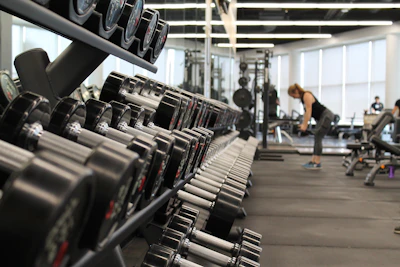
- Strength training: With lighter weights and controlled movements. Focus on compound lifts.
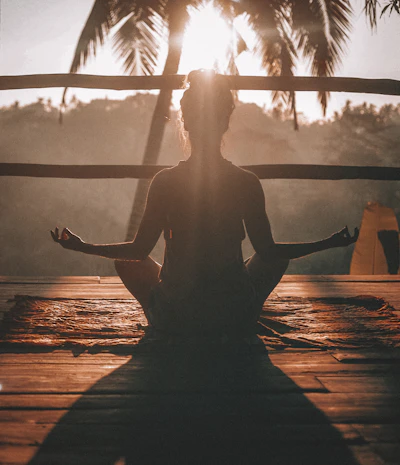
- Yoga: Flexibility and breath work are beneficial, but avoid deep twists and intense heat.
If you experience vaginal bleeding, fluid leakage, chest pain, severe dizziness, or shortness of breath beyond normal exertion, stop exercising immediately and contact your healthcare provider.
Second Trimester: The "Golden Window" for Exercise
Many women describe the second trimester (weeks 13–26) as the "golden window"—energy returns, nausea fades, and your bump is visible but not yet heavy. This is often the easiest time to maintain a solid fitness routine.
Modifications to Make
As your centre of gravity shifts and your belly grows, you'll need adjustments:
- Avoid lying on your back: After 20 weeks, extended supine positions can reduce blood flow. Use incline benches or modify to side-lying.
- Reduce twisting and deep core work: Avoid heavy crunches and rotational exercises. Diastasis recti (core separation) becomes more likely.
- Modify ground exercises: Get down and up carefully. Consider kneeling chest presses instead of bench press.
- Monitor balance: Your shifting centre of gravity makes you more prone to falls. Avoid single-leg balancing exercises or do them near support.
Excellent second-trimester activities include modified strength training, water aerobics, prenatal yoga, walking with varied terrain, and low-impact dance or step aerobics (if you were doing it pre-pregnancy).
Third Trimester: Adapting as You Grow
Your third trimester (weeks 27–40) is when your baby is heaviest and your body's demands are greatest. Energy often dips again, and movement becomes harder. The goal shifts from building fitness to maintaining strength and practising movements that will help during labour.
Third Trimester Focus
Intensity typically drops during this phase, but consistency remains vital. You're preparing your body for labour, which is physically demanding.
- Short, frequent sessions: Three 20-minute walks are often better than one long session.
- Pelvic floor work: Kegels and pelvic floor breathing become increasingly important.
- Hip mobility: Squats, lunges, and side-lying clamshells prepare your pelvis for delivery.
- Gentle cardio: Walking remains the gold standard. Swimming is excellent if you have access.
- Labour-prep exercises: Birthing ball work, hands-and-knees rocking, supported lunges.
Practising deep squats, all-fours positions, and side-lying movements during pregnancy trains your body for positions that ease labour pain and delivery. A certified prenatal trainer can teach you these practised movements.
Many women can exercise throughout their third trimester, though some prefer lower intensity by week 35+. Always follow your doctor's guidance.
Exercises to Avoid During Pregnancy
Certain movements and activities pose unnecessary risk during pregnancy. These restrictions apply across all trimesters, though your doctor may provide individualised guidance.
Definitely Avoid
- Contact sports: Soccer, basketball, boxing—any activity with collision risk
- Activities with fall risk: Skiing, horseback riding, rock climbing, gymnastics
- Heavy lifting: Anything requiring straining or breath-holding. Generally, avoid lifting above your head or lifting more than 13 kg after the first trimester.
- Diving or high-altitude activities: Scuba diving can cause decompression sickness in your baby
- Lie-flat abdominal work: Crunches, V-ups, and supine exercises (especially after 20 weeks)
- High-impact activities: Running at high intensity, jumping, plyometrics—unless you were an elite athlete doing these pre-pregnancy
- Hot yoga or hot exercise: Overheating is dangerous during pregnancy
Prenatal Yoga and Pilates in Dubai
Prenatal yoga and Pilates are among the safest, most effective forms of exercise during pregnancy. Both build strength, flexibility, and mental resilience—all assets during labour and recovery.
Prenatal Yoga: Look for classes specifically labelled "prenatal" rather than general yoga. Prenatal classes avoid deep twists, hot rooms, and intense inversions. They focus on hip openers, pelvic floor awareness, and breathing. Dubai has excellent prenatal yoga options at studios like YogaHub, Yoga Society, and independent studios across JBR, Marina, and Downtown.
Prenatal Pilates: Modified Pilates strengthens your core safely, improves posture (crucial when carrying extra weight), and aids recovery. Reformer classes with a certified prenatal instructor are ideal—the instructor can adjust spring resistance and positioning as needed.
Working Out in Dubai's Heat: Pregnancy Safety
Dubai's climate demands serious consideration during pregnancy. Heat stress can affect both you and your baby, especially in early pregnancy when organ development is happening.
Heat Safety Strategies
Exercise Timing: Work out during cooler parts of the day—early morning (6–8 AM) or late evening (after 6 PM). Avoid midday exercise outdoors in summer.
Location: Prefer air-conditioned gyms, pools, and studios. If exercising outdoors, stay in shaded areas and near water access.
Hydration: This is non-negotiable. Pregnant women need more fluid than non-pregnant women, and heat increases this demand. Learn proper hydration strategies for Dubai's heat. Aim for 3–4 litres of water daily, more if exercising. Drink before, during, and after exercise.
Clothing: Wear lightweight, breathable, light-coloured fabrics. Avoid tight clothes that restrict airflow. Maternity activewear designed for pregnancy and heat is worth the investment.
Intensity: In Dubai heat during pregnancy, moderate intensity is safer than high intensity. Use the "talk test"—you should be able to speak in full sentences but not sing during exercise.
Your heart rate can be higher during pregnancy due to increased blood volume, so traditional "max heart rate" calculations don't apply. Instead, use perceived exertion: aim for 5–6 out of 10 intensity. You should feel warm but not overheated.
Finding a Certified Prenatal Trainer in Dubai
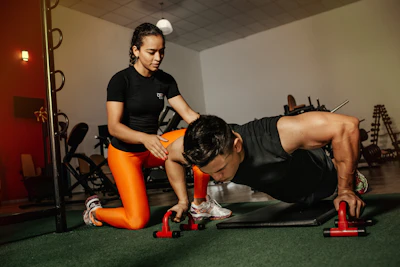
Working with a qualified prenatal fitness specialist can make an enormous difference. They know which modifications are safe, how to progress safely, and when to refer you back to your doctor. GetFitDXB's trainer marketplace lets you filter by specialisation—look for trainers with "prenatal fitness" or "pre/postnatal" credentials.
What to Look For
- Specific prenatal fitness certification (ACE Prenatal Exercise, NASM-CPT Prenatal Specialisation, RCEP Pre/Postnatal Specialist, or equivalent)
- Experience training pregnant clients (ask for references)
- Understanding of your doctor's specific guidance
- Ability to modify exercises in real-time based on how you're feeling
- Knowledge of heat stress management in Dubai's climate
Our guide to choosing a personal trainer covers broader selection criteria. Many pregnant women prefer female trainers, which is completely valid—GetFitDXB makes it easy to filter by trainer gender.
Find Your Prenatal Fitness Trainer
Dubai has certified prenatal specialists ready to support your pregnancy fitness journey. Browse trainers by specialisation, location, and reviews.
FAQ
Can I run during pregnancy? If you were a regular runner pre-pregnancy, you can usually continue running at an easy pace during pregnancy, especially in the first and second trimesters. However, many pregnant women find walking more comfortable as pregnancy progresses. Always consult your doctor.
Is dizziness during exercise normal? Mild dizziness occasionally is common, but stop exercise if dizziness is severe, persistent, or accompanied by other symptoms. Dehydration is a common culprit—drink more water.
What should my diet look like when exercising during pregnancy? A comprehensive nutrition guide for Dubai residents covers pregnancy nutrition in detail. Generally, eat enough to support your pregnancy plus 300–500 extra calories daily if exercising regularly.
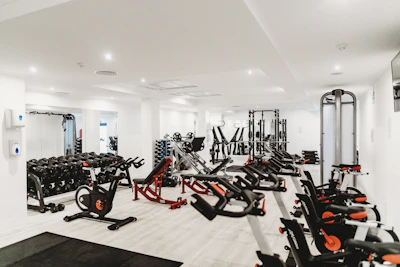
Can I use a gym during pregnancy? Yes. Many Dubai gyms welcome pregnant members, though it's worth mentioning your pregnancy so staff can help with modifications. Choose gyms with access to changing facilities, water fountains, and air-conditioned spaces.
What's the difference between prenatal exercise and postnatal recovery? Prenatal exercise maintains fitness and prepares your body for birth. After birth, your focus shifts to recovery, pelvic floor rehabilitation, and core restoration. Our postnatal fitness guide covers the recovery phase in detail.