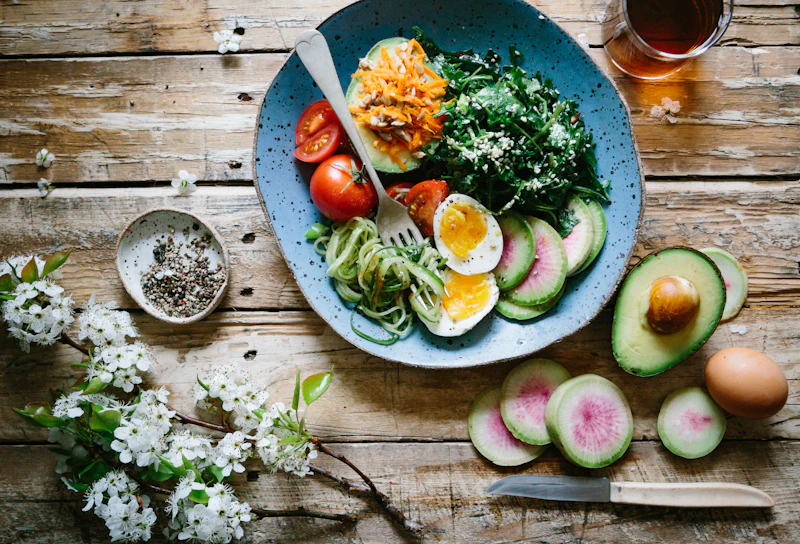
Eating well in Dubai is uniquely challenging. The extreme heat increases hydration and electrolyte demands, the restaurant culture makes home cooking secondary, Ramadan disrupts normal eating patterns, and the expat population's diverse food preferences clash with local availability. This complete guide covers everything you need to know about nutrition in Dubai — from macronutrient strategy to meal planning to working with a nutritionist.
Understanding Nutrition Needs in Dubai's Climate
Dubai's climate is unlike anywhere else. Summer temperatures exceed 45°C, humidity climbs to 90%, and the dry heat is relentless. These conditions fundamentally change your nutritional needs compared to temperate climates.
The most obvious challenge is hydration. You're losing water and electrolytes (sodium, potassium, magnesium) through sweat at rates far higher than in cooler cities. A sedentary person in Dubai still loses significantly more fluid daily than someone in London or Toronto. Athletes and outdoor workers can lose several litres per day during summer months.
There's also a paradox with vitamin D. Dubai has sunshine 300+ days per year, yet the majority of residents are vitamin D deficient. This is because most people spend daytime hours indoors (working, shopping, or in air-conditioned vehicles), and strong UV exposure encourages sun avoidance. Additionally, sunscreen use — which is necessary in Dubai — reduces vitamin D synthesis. Testing is recommended; supplementation is common.
Calorie expenditure is another factor. Your body works harder in extreme heat just maintaining core temperature. This isn't an excuse to eat more junk food, but it's worth understanding that your energy requirements are slightly elevated.
As a baseline, aim for 3–4 litres of water daily in winter months. In summer, increase to 4–5 litres for sedentary individuals and 5–7+ litres if you exercise. Monitor your urine colour — pale yellow indicates good hydration; dark yellow signals dehydration. During and after workouts, drink 500ml of water per 30 minutes of exercise. In extreme heat (40°C+), consider electrolyte supplements (sodium, potassium) rather than water alone.
The Most Popular Diets in Dubai — What Works?
Dubai's diverse population follows a wide range of diets. Here's what works, with realistic assessments of each approach in the Dubai context.
The verdict for Dubai: Mediterranean diet (or a modified, hydration-focused version) suits the climate best. Intermittent fasting is popular but not ideal in summer heat. Keto and high-protein diets work but require discipline. Choose based on your goals, cultural preferences, and lifestyle — then adapt for Ramadan and the heat. The "best diet" is the one you'll stick to.
Dubai-Specific Nutrition Challenges
Eating Out Constantly. Dubai has world-class restaurants but also a culture where eating out is normal, not occasional. Lunch meetings, casual dinners, weekend brunches — it's easy to consume 50%+ of calories at restaurants. Solution: Choose restaurants with nutritional transparency, ask for grilled proteins and vegetables without added oils, and request sauces on the side.
Ramadan and Fasting. The Islamic holy month of Ramadan (dates vary yearly; next is in late 2026) involves fasting from dawn to sunset for a full month. This disrupts normal meal timing, increases risk of overeating at Iftar, and challenges fitness goals. Many gyms adjust hours. Training is best done early morning (pre-Suhoor) or late evening (post-Iftar). More on this in Section 10.
Expat Food Preferences. Expat communities have strong food preferences — British expats want proper porridge and beans, Americans want familiar snacks, Gulf nationals prefer traditional Emirati food. Dubai supplies all these, but sometimes at premium prices. Build meals around what's available and affordable, then customise.
Supermarket Navigation. Carrefour, Spinneys, and Waitrose stock most global foods. Organic options are increasingly available but pricier. Budget supermarkets (like Lulu Hypermarket) offer bulk savings. Specialist stores (Ripe Market, Organic Foods & Café) emphasise quality but cost more. Learn your options and shop strategically.
Macronutrients Explained for Dubai Fitness Goals
Understanding macronutrients — protein, carbohydrates, fats — is fundamental to any effective nutrition plan. The optimal ratio depends on your goal.
Protein
Muscle tissue is built and repaired with protein. Daily targets: For weight loss: 1.8–2.0g per kg of bodyweight. For muscle building: 1.6–2.2g per kg. For general health/maintenance: 0.8–1.2g per kg. A 70kg person building muscle should aim for 112–154g protein daily. Sources in Dubai: chicken, fish, beef, eggs, Greek yoghurt, legumes, and protein powder (whey or plant-based).
Carbohydrates
Carbs fuel activity and support brain function. Timing matters — eat carbs around workouts for energy and recovery. Choose whole grains (oats, brown rice, whole wheat bread) over refined. In Dubai's heat, don't neglect carbs — the energy demands are real. Estimate 4–7g per kg bodyweight depending on activity level.
Fats
Essential for hormone production, satiety, and nutrient absorption. Aim for 0.5–1.0g per kg bodyweight. Prioritise unsaturated fats: olive oil, avocado, nuts, seeds, fatty fish. Available in Dubai: all of the above, plus local options like dates and tahini.
Carbs / Protein / Fat
Carbs / Protein / Fat
Carbs / Protein / Fat
Work with a Dubai Nutritionist
Get a personalised meal plan tailored to your goals, fitness level, and Dubai lifestyle. Certified professionals across all areas.
Browse Nutritionists All Wellness ServicesHow to Build a Meal Plan for Dubai
Creating your own meal plan is straightforward if you follow a structured approach. Here's the step-by-step process:
-
1Calculate Your TDEE (Total Daily Energy Expenditure)
Use an online TDEE calculator or work with a nutritionist. TDEE = Basal Metabolic Rate × Activity Factor. This is your baseline daily calorie burn. For example, a 70kg sedentary male with TDEE of 2,200 calories should eat at a 300–500 calorie deficit for fat loss (1,700–1,900 calories/day).
-
2Set Macro Targets Based on Your Goal
Use the macro ratios above (weight loss, muscle, or maintenance) and your calorie target to calculate daily protein, carb, and fat grams. Example: 1,800 calories × 40% carbs = 720 calories ÷ 4 cal/g = 180g carbs daily.
-
3Plan Weekly Meals Around Dubai's Eating Culture
List 3–4 breakfast options, 4–5 lunch choices, 4–5 dinner ideas, and 2–3 snacks. Include both homemade and restaurant options. Build around what's available in your neighbourhood and what you enjoy.
-
4Leverage Meal Prep or Delivery Services
Sunday meal prep (batch cooking grilled chicken, roasted vegetables, cooked rice) takes 2–3 hours and feeds you for days. Alternatively, use meal prep services (Nutrition Box, Fresh Fitness Food, delivered daily) at AED 40–70 per meal. Many come with macro tracking built in.
-
5Track and Adjust Every 4 Weeks
Use MyFitnessPal, Cronometer, or similar apps to log food and track macros for 2–3 weeks per month. Weigh yourself weekly, take progress photos, and assess energy levels. If progress stalls, adjust calories down by 100–200 per day and retest.
Many people benefit from working with a certified nutritionist for the initial setup phase. They can assess your lifestyle, medical history, food preferences, and budget to create a realistic plan. Expect to invest AED 300–500 for a consultation-based meal plan that's customised to Dubai's context. Subsequent check-ins cost AED 150–300 and can be virtual.
Sample 7-Day Meal Plan for Dubai Residents
Here's a realistic 7-day meal plan for a 70kg adult aiming for muscle building (2,000 calories, 170g protein, 225g carbs, 67g fat):
| Day | Breakfast | Lunch | Dinner | Snack |
|---|---|---|---|---|
| Monday | Oats (50g) with banana, honey, protein powder (30g) | Grilled chicken breast (150g), brown rice (150g), broccoli | Grilled fish (150g), sweet potato (150g), salad with olive oil | Greek yoghurt (150g), almonds (25g) |
| Tuesday | Eggs (3) scrambled, whole wheat toast (2 slices), avocado (½) | Hummus bowl: hummus, chicken, pita, vegetables | Lean beef (150g), couscous (150g), roasted vegetables | Protein shake: milk, banana, protein powder |
| Wednesday | Pancakes (made with eggs, banana), Greek yoghurt, berries | Tuna salad (150g tuna), whole grain bread, vegetables, olive oil | Grilled chicken (150g), rice pilaf (160g), cucumber salad | Date and almond butter sandwich |
| Thursday | Granola (40g), Greek yoghurt (150g), honey, almonds | Restaurant: shawarma wrap (chicken), side salad, juice | Turkey meatballs (150g), pasta (150g), marinara, parmesan | Hummus (75g), carrot and cucumber sticks |
| Friday | Smoothie bowl: oats, banana, protein powder, berries, granola | Grilled fish (150g), white rice (140g), steamed broccoli | Restaurant: grilled lamb (150g), rice, vegetables, olive oil | Apple with peanut butter (20g) |
| Saturday | Eggs (3) with toast (2 slices), butter, jam, orange juice | Chicken and vegetable stir-fry (150g chicken, 200g veg), rice (140g) | Grilled salmon (150g), sweet potato (180g), green salad | Cottage cheese (150g), berries |
| Sunday | Pancakes (eggs/banana based), maple syrup, berries, yoghurt | Homemade meal prep: chicken, rice, broccoli (from Sunday prep) | Grilled beef (150g), couscous (150g), roasted vegetables | Protein bar or nuts (30g) |
Notes: Adjust portion sizes based on your weight and activity level. Water intake: 3–4 litres daily, increase during workouts. Ramadan adjustments: Shift dinner to Iftar time (sunset), Suhoor to pre-dawn. This plan emphasises locally available foods and realistic restaurant options in Dubai.
Best Foods Available in Dubai for Fitness
Dubai's food supply is exceptional. Fresh produce arrives daily, quality proteins are abundant and affordable, and specialist stores stock premium options. Here's what's readily available and worth prioritising:
- Chicken breast — AED 18–25/kg, available everywhere, easy to cook
- Fish — Multiple types year-round: salmon, sea bass, hammour (local), AED 35–60/kg
- Eggs — AED 1.50–2 per piece, available at all supermarkets
- Beef — Good quality available, AED 35–50/kg depending on cut
- Greek yoghurt — Abundant in supermarkets, often cheaper than Western prices
- Labneh — Traditional strained yoghurt, very high protein, locally available
- Dates — Locally grown, excellent source of carbs, energy, and fibre
- Hummus — Cheap, nutritious, high protein and fibre
- Olive oil — High quality available at reasonable prices due to regional sourcing
- Leafy greens — Spinach, kale, arugula available daily, reasonably priced
- Broccoli — Year-round availability, AED 6–10 per kg
- Sweet potatoes — Increasingly available, good price-to-nutrition ratio
- Brown rice and whole grain bread — All supermarkets, affordable
- Nuts and seeds — Higher price, but available at all stores; bulk purchases save money
- Avocados — Seasonal availability, moderate price
- Legumes — Dried lentils, chickpeas, beans very cheap in Middle Eastern stores
- Protein powder — Whey, plant-based, and blended options stocked everywhere; online bulk buying saves 20–30%
- Coconut water — Excellent for post-workout electrolyte replenishment; widely available
- Spices and herbs — Incredibly cheap in spice markets; make food flavourful without added calories
- Olive-oil based fish products — Canned sardines, anchovies; shelf-stable protein and omega-3
Shopping smartly: Carrefour and Spinneys have loyalty programs offering 5–10% discounts. Bulk purchases from warehouse stores save 15–25%. Online grocery delivery (Noon, Zomato, Amazon Fresh) is convenient but slightly more expensive. Many nutritionists recommend building a one-month pantry of shelf-stable items (rice, lentils, canned fish, protein powder) and shopping weekly for fresh produce.
Download Our Free Dubai Nutrition Guide
Detailed shopping lists, meal prep recipes, Ramadan eating strategies, and macro calculation templates.
Get Your Free GuideNutrition for Specific Goals in Dubai
Weight Loss
Eat at a 300–500 calorie deficit. Prioritise protein (helps preserve muscle during deficit), whole grains over refined carbs, and plenty of vegetables (high volume, low calorie). Restaurant eating: choose grilled proteins, request sauces on the side, skip sugary drinks. Track consistently for 3–4 weeks to establish baseline; adjust only if progress stalls. Expect 0.5–1kg loss per week. Duration: Most people reach goal weight in 12–16 weeks on a properly structured plan.
Muscle Building
Eat at slight surplus (200–300 calorie surplus) with high protein (1.6–2.2g/kg). Train with resistance 4–5x weekly. Prioritise compound movements (squats, deadlifts, bench press). Nutrition timing: eat carbs + protein around workouts for recovery. Sleep 7–9 hours nightly — this is when muscle is built. Expect 0.25–0.5kg muscle gain per week under ideal conditions (surplus, training, sleep, consistency).
Endurance Sports
Dubai hosts marathons, cycling events, and triathlons. Endurance athletes benefit from moderate carbohydrate loading (5–7g carbs per kg bodyweight daily), steady protein intake, and consistent hydration. Train the gut: practise consuming nutrition during long efforts. Many Dubai endurance athletes switch to higher carb/lower fat ratios during training blocks and Ramadan adjustments are significant (timing of meals around fasting windows).
Wellness & Longevity
Focus on anti-inflammatory foods: fatty fish (omega-3), leafy greens, colourful vegetables, berries, nuts, seeds, and olive oil. Minimise processed foods and sugar. Stay hydrated. Moderate alcohol. Prioritise sleep. Walk or engage in light activity daily. This approach supports energy, mental clarity, and long-term health — fewer calories counted, more emphasis on food quality.
Working with a Nutritionist in Dubai
Nutritionist vs Dietitian: In the UAE, these titles are sometimes used interchangeably, but technically a Registered Dietitian (RD) has university-level education and exam-based certification, while a nutritionist's qualifications vary. Look for credentials: RD (Registered Dietitian), CNS (Certified Nutrition Specialist), or BSc/MSc in Nutrition.
What to expect from your first consultation: A good nutritionist will conduct a thorough assessment (medical history, current diet, lifestyle, fitness goals, food preferences, budget), discuss your challenges, and create a tailored plan. Most initial consultations take 60–90 minutes and cost AED 300–500. Follow-up sessions (30 minutes, every 2–4 weeks) are usually AED 150–300.
Costs in Dubai: Single consultations AED 200–500. A 6-week package (initial + 2 follow-ups) costs AED 800–2,000. Some wellness clinics charge less (AED 150–250) but may offer less personalisation. Gym nutritionists sometimes offer discounted rates (AED 100–200) for members. Many nutritionists work online, which can be slightly cheaper due to lower overhead.
How to choose: Ask for credentials, check reviews on GetFitDXB and other platforms, and request a brief phone consultation to gauge communication style. A good nutritionist should be non-judgmental, realistic about Ramadan and Dubai's eating culture, and focused on sustainable habit change, not restrictive dieting.
Nutrition During Ramadan in Dubai
Ramadan is a sacred month of fasting from sunrise to sunset for Muslims and is widely observed across Dubai. Non-Muslims also respect the month, and eating in public during fasting hours is illegal (severe penalties). Understanding Ramadan nutrition is essential for anyone living in Dubai.
Suhoor (Pre-Dawn Meal) Strategy
Suhoor is eaten 30–60 minutes before sunrise (typically 5:00–5:30am during Ramadan). This meal must sustain energy through 12–14 hours of fasting. Optimal Suhoor includes slow-digesting carbs (oats, whole grain bread, dates), protein (eggs, dairy, meat), healthy fats (nuts, olive oil), and high hydration (water and electrolyte-rich foods).
Sample Suhoor: Date, whole grain bread with hummus and cheese, eggs, water or labneh drink. Avoid sugary foods and excessive caffeine (diuretic effect increases dehydration risk). Many Dubai residents prepare Suhoor the night before for convenience.
Breaking the Fast at Iftar
The traditional Iftar begins with dates and water — this is both cultural and physiologically sound (dates provide quick carbs and hydration). Many people then wait 15–20 minutes before eating a full meal, allowing the stomach to adjust. A balanced Iftar includes grilled protein, vegetables, whole grains, and healthy fats.
Common pitfall: Overeating at Iftar due to hunger after fasting. Solution: Eat dates and soup first, wait 20 minutes, then eat main course in normal portions. Desserts and fried foods are tempting but derail fitness goals — eat mindfully.
Maintaining Fitness During Ramadan
Many Dubai residents maintain fitness goals during Ramadan. Optimal timing: Train early morning (post-Suhoor, pre-sunrise) with light intensity, or late evening (post-Iftar, once digestion has started — wait 1–2 hours). Avoid midday exercise in summer heat while fasting. Expect reduced performance; focus on maintenance rather than new PRs. Hydration becomes critical — drink 2–3 litres between Iftar and Suhoor.
Supplements During Ramadan
Multivitamins, magnesium, and electrolyte powders are worthwhile. Vitamin D is still important (continue supplementation). Protein powder can be mixed into Iftar meals if whole protein intake is low. Consult a nutritionist before starting new supplements during Ramadan.
Supplements in Dubai — What You Need
Supplements are not required for health but can fill gaps, support specific goals, and address Dubai-specific deficiencies. Here's what's genuinely worth considering:
Vitamin D
Critical. Despite sunshine, most Dubai residents are deficient (testing shows 60–80% deficiency rates). Indoor lifestyle + sunscreen use = insufficient D synthesis. Recommended dose: 1,000–2,000 IU daily year-round, or 4,000 IU daily if you're indoors most of the day. Cost: AED 15–30 per month. Worth it.
Omega-3 Fish Oil
Reduces inflammation, supports joint health, benefits cardiovascular system — all particularly relevant in Dubai's heat stress environment. Dose: 1,000–2,000mg EPA+DHA daily. Cost: AED 25–50/month. Quality varies; buy from reputable brands or pharmacies.
Magnesium
Depleted by heavy sweating, magnesium supports muscle function, sleep, and recovery. Many people in Dubai (especially those training hard) are deficient. Dose: 300–400mg daily, best taken evening. Cost: AED 20–40/month. Can cause loose stools in excess.
Protein Powder
Convenient for reaching protein targets. Whey protein (fast-absorbing) is popular post-workout. Plant-based or collagen are alternatives. Cost: AED 40–80 per kg depending on brand and quality. Bulk buying online (Amazon, iHerb) saves 20–30% versus retail.
Electrolyte Powders
During summer or intense exercise, electrolyte supplements (sodium, potassium, magnesium) are valuable. Coconut water is a natural alternative. Cost: AED 30–60 per month for quality products.
Where to Buy in Dubai
Pharmacies (Boots, Life Pharmacy, Al Jazeera Pharmacy): Expert advice available, higher prices. Supermarkets (Carrefour, Spinneys): Growing supplement sections, competitive pricing. Online (Amazon.ae, iHerb, Swanson): Lowest prices but shipping times longer. Supplement shops in Deira and Bur Dubai spice markets: Cheapest bulk pricing but variable quality.
Consult a healthcare provider or nutritionist before beginning any supplement regime, especially if you take medications or have health conditions. Quality testing standards vary; reputable brands are safer. Food-first approach is ideal — supplement only identified gaps.
Frequently Asked Questions About Nutrition in Dubai
Related Articles in This Cluster
This guide is the pillar article for our Nutrition & Diet Dubai cluster. Explore related topics in depth: