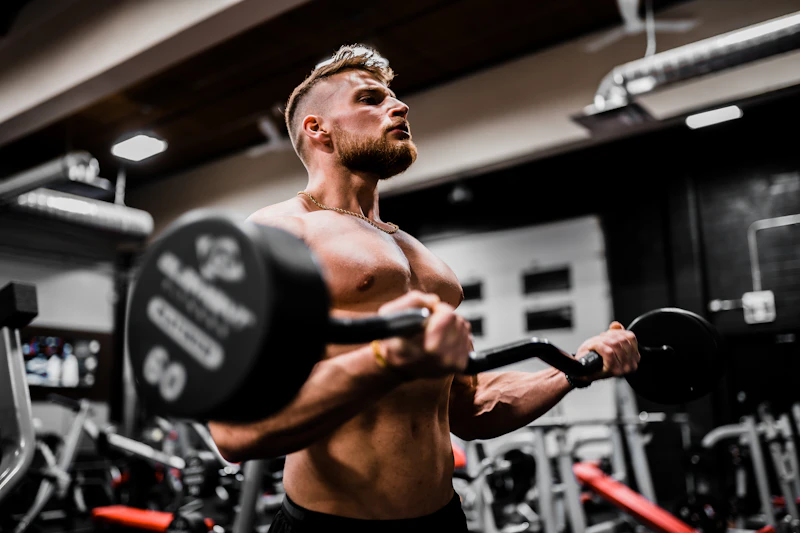
Building muscle in Dubai requires a different approach than cooler climates. Heat accelerates metabolism, increases protein breakdown, and changes how your body responds to nutrition. This guide walks you through the exact caloric surplus, protein targets, meal timing, and UAE-available foods to maximize muscle growth despite the extreme conditions.
Understanding Muscle Growth Nutrition Basics
Muscle growth depends on three factors: progressive resistance training, adequate protein intake, and a caloric surplus. Training creates the stimulus, protein provides building blocks, surplus provides energy and growth support.
The Three Non-Negotiables
1. Progressive Overload: You must gradually increase training volume, weight, or intensity. No nutrition can build muscle if you're not challenging your muscles.
2. Protein Sufficiency: Protein provides amino acids for muscle protein synthesis. Without adequate protein, training stimulus triggers breakdown rather than growth.
3. Caloric Surplus: Your body needs excess energy to build new muscle tissue. Too small a surplus wastes training; too large a surplus creates excessive fat gain.
Get all three right, and muscle growth is inevitable. Miss any one, and progress stalls. In Dubai's heat, maintaining all three while managing hydration and electrolyte loss creates additional complexity—but it's absolutely achievable with proper strategy.
Calculating Your Caloric Surplus for Dubai
Start by establishing your maintenance calories—the amount you need to maintain current bodyweight. Use this formula:
Step 1: Calculate Basal Metabolic Rate (BMR)
Using Mifflin-St Jeor equation:
- Men: (10 × weight in kg) + (6.25 × height in cm) - (5 × age) + 5
- Women: (10 × weight in kg) + (6.25 × height in cm) - (5 × age) - 161
Example: 70kg, 178cm, 25-year-old male = (700) + (1,112.5) - (125) + 5 = 1,692.5 BMR
Step 2: Apply Activity Multiplier
Multiply BMR by activity factor:
- Sedentary (minimal exercise): BMR × 1.2
- Lightly active (3-4 days/week training): BMR × 1.375
- Moderately active (5-6 days/week training): BMR × 1.55
- Very active (intense daily training): BMR × 1.725
For our example, 5 days/week training: 1,692.5 × 1.55 = 2,623 maintenance calories
Step 3: Add Dubai Heat Adjustment
Dubai's extreme heat increases metabolic rate 10-15%. Add 260-390 calories to your maintenance calculation.
Revised maintenance: 2,623 + 325 (midpoint adjustment) = 2,948 calories
Step 4: Apply Muscle-Building Surplus
Target 300-500 calorie surplus above adjusted maintenance. Our example: 2,948 + 400 = 3,348 calories daily
Start with +400 calories and track bodyweight weekly. After 4 weeks, if gaining 0.5-0.75kg per week, you're in the optimal range. Less than 0.5kg/week, add 100 calories. More than 0.75kg/week, you're gaining excess fat—reduce by 100 calories.
Protein: The Foundation of Muscle Growth
Protein is non-negotiable. Every study on muscle building shows clear dose-response: more protein (up to saturation) produces better results.
Daily Protein Target
2.0-2.2g protein per kg bodyweight is optimal for muscle hypertrophy. A 70kg lifter needs 140-154g daily.
Why this much? During muscle protein synthesis, your body needs constant amino acid availability. Distributing 140g across 5 meals (28g per meal) maintains steady synthesis throughout the day.
In Dubai heat, increase the lower end to 2.2g per kg due to:
- Increased protein breakdown from heat stress
- Sweat losses of amino acids
- Greater overall metabolic stress
Protein Distribution Throughout the Day
Split protein across 4-5 meals for optimal synthesis:
- Breakfast (6:00 AM): 30-35g (eggs, meat, or shake)
- Mid-morning snack (9:30 AM): 20-25g (yogurt, nuts, cheese)
- Lunch (1:00 PM): 35-40g (chicken, fish, beef)
- Pre-workout (4:00 PM): 15-20g (shake or simple source)
- Dinner (8:00 PM): 40-45g (main protein source)
This distribution ensures constant muscle protein synthesis signaling throughout the day, maximizing growth.
Best Protein Sources in Dubai by Cost and Quality
Premium Quality (Complete Amino Acids)
- Eggs: 6g protein each, 0.25-0.30 AED per egg, perfect amino acid balance
- Chicken breast: 31g protein per 100g, 18-25 AED/kg, best overall value
- Ground beef: 22g protein per 100g, 25-35 AED/kg, higher fat content (better for hormones)
- Fish: 20-25g protein per 100g, 30-50 AED/kg, omega-3 bonus
- Canned tuna: 26g protein per 100g, 2-4 AED per can, ultra-convenient
Budget-Friendly Plant-Based
- Lentils: 25g protein per 100g cooked, 4-5 AED/kg, must combine with grains for complete amino acids
- Chickpeas: 19g protein per 100g cooked, 5-7 AED/kg, same amino acid combining needed
- Tofu: 15g protein per 100g, 8-12 AED/kg, less complete amino acid profile
Convenient Processed Options
- Whey protein powder: 25g protein per scoop, 200-300 AED/kg, quickest post-workout option
- Greek yogurt: 10-15g protein per 150ml, 3-5 AED, probiotics included
- Cottage cheese: 14g protein per 100g, 8-12 AED per container, casein protein for nighttime
Need Personalized Muscle-Building Guidance?
GetFitDXB's certified nutrition coaches and strength trainers can create a complete nutrition and training plan tailored to your body, goals, and Dubai's climate.
Find a Nutrition CoachCarbohydrates: Fueling Training and Recovery
Carbs aren't needed for muscle growth directly, but they fuel training and facilitate recovery. Without adequate carbs, your training intensity suffers, which limits muscle stimulus.
Carbohydrate Intake
Target 4-7g per kg bodyweight depending on training volume. For strength focus (moderate volume): 4-5g/kg. For hypertrophy focus (higher volume): 5-6g/kg.
For our 70kg example doing moderate-volume strength training: 280-350g carbs daily.
Strategic Carb Timing
Pre-Workout (90-120 minutes before): 40-50g fast carbs with minimal fiber. Examples:
- 150ml white rice + honey
- Banana + white bread with jam
- 40g oatmeal with dextrose powder
During Training (Optional, if 90+ minutes): 15-30g simple carbs. Most strength sessions under 90 minutes don't require intra-workout carbs.
Post-Workout (Within 60 minutes): 50-80g carbs with protein. Your muscles are primed to accept glucose, making this timing valuable:
- Chicken rice bowl (150g chicken, 200g rice)
- Protein shake with banana and oats
- Pasta with meat sauce
Remaining Carbs: Spread throughout the day with main meals. Emphasize whole grains, potatoes, and vegetables for micronutrients, but don't overcomplicate—caloric totals matter most.
Fats: Hormones and Overall Health
Fats are essential for testosterone production and overall hormonal health. In Dubai heat, strategic fat intake also supports inflammation management.
Fat Intake Target
Aim for 20-25% of total calories from fat. For 3,348 daily calories, that's 74-93g fat.
Distribute across meals. Include omega-3 sources (fish, walnuts, flax) for inflammation control, which is critical during heat stress.
Smart Fat Sources
- Olive oil: 12g fat per tablespoon, drizzle over meals
- Avocado: 10g fat per half avocado, 5-8 AED each
- Nuts (almonds, walnuts): 14g fat per ounce, 60-80 AED/kg
- Fish (salmon, mackerel): 10-15g fat per 100g, includes omega-3
- Eggs: 5g fat each (mostly monounsaturated)
- Cheese: 7g fat per ounce, 30-50 AED/kg
Macro Summary and Macros for Our 70kg Example
Target: 3,348 calories daily for muscle building
- Protein: 154g (20% of calories) — 616 calories
- Carbohydrates: 335g (40% of calories) — 1,340 calories
- Fats: 83g (25% of calories) — 747 calories
- Fiber target: 25-30g from whole sources
These ratios are guidelines, not laws. Some lifters thrive at 50% carbs, 20% protein, 30% fat. The key: hitting total calories, adequate protein, and eating mostly whole foods. Spend your first month experimenting to find what works for you.
Meal Timing Relative to Training in Dubai Heat
Early morning training (5-7 AM) is optimal in Dubai to avoid peak heat. Structure your nutrition around this:
Evening Before (7:00 PM)
Main dinner: 50g carbs, 40g protein, 15g fat. Establish good glycogen stores.
Night Before (9:00 PM)
Light snack: 20g casein protein (cottage cheese) or slow-digesting carbs. Supports overnight recovery.
Upon Waking (5:00 AM)
Hydrate with 500ml water + electrolytes. Consume 30g carbs, 10g protein (banana + honey, not heavy). Give 30 minutes digestion before training.
During Training (5:30-7:00 AM)
Plain water with electrolytes. If session exceeds 90 minutes (rare for strength training), add 15-20g carbs via drink.
Immediately Post-Workout (7:00 AM)
Within 15 minutes: whey shake (30g protein) + banana (30g carbs). Rapid absorption matters most immediately post-training.
Breakfast (8:00 AM)
Main breakfast 60-90 minutes post-workout: eggs or meat, rice/oats, fruit. Replenish glycogen and continue protein delivery.
Remaining Meals (10 AM - 9 PM)
Distribute protein across mid-morning, lunch, and dinner based on your schedule. Evening meal is the day's largest: 40-50g protein, 70-80g carbs, 20-25g fat.
Heat-Specific Nutrition Adjustments
Dubai's climate requires tactical adjustments:
Hydration Integration
Your 3,348 calorie target is just food. Separately, drink 4-6 liters daily depending on activity. This is non-negotiable for muscle growth in heat—dehydration impairs protein synthesis.
Meal Temperature Strategy
During peak heat (12-4 PM), consuming hot meals accelerates core temperature and digestion stress. Shift toward chilled meals:
- Cold chicken with rice salad
- Refrigerated protein shake with oats
- Yogurt-based meals
- Cold pasta dishes
Sodium Emphasis
Increase sodium intake 30-50% compared to temperate climates. Add salt to food, consume electrolyte drinks, eat salted nuts and cured meats. This prevents hyponatremia and supports muscle function.
Electrolyte Balance
Heat increases losses of sodium, potassium, magnesium. Supplement:
- Sodium: electrolyte drinks, salted foods
- Potassium: bananas, dates, sweet potato, yogurt
- Magnesium: 400mg daily (supplement or almonds, spinach)
Sample Day: 70kg Male, 3,348 Calories
5:00 AM (Pre-Workout)
1 banana (27g carbs, 1g protein) + 1 tbsp honey (17g carbs) = 44g carbs, 1g protein, 0g fat
7:30 AM (Immediate Post-Workout)
Whey shake: 30g protein, 1 banana (27g carbs), 1 tbsp honey (17g carbs) = 30g protein, 44g carbs, 1g fat
8:30 AM (Breakfast)
4 eggs (24g protein), 150g white rice (45g carbs), 1 tbsp butter (12g fat) = 24g protein, 45g carbs, 12g fat
11:00 AM (Mid-Morning Snack)
150g Greek yogurt (15g protein), 50g granola (35g carbs), 20g almonds (14g fat, 6g protein) = 21g protein, 35g carbs, 14g fat
1:30 PM (Light Lunch, Heat Hours)
150g grilled chicken (35g protein), salad with olive oil (8g fat), 100g white rice (30g carbs) = 35g protein, 30g carbs, 8g fat
4:30 PM (Pre-Workout Snack)
2 pieces white bread (30g carbs), 2 tbsp peanut butter (16g protein, 16g fat) = 16g protein, 30g carbs, 16g fat
8:00 PM (Dinner)
200g ground beef (40g protein, 14g fat), 250g white rice (75g carbs), vegetables with 1 tbsp olive oil (9g fat) = 40g protein, 75g carbs, 23g fat
9:30 PM (Evening Snack)
150g cottage cheese (28g protein), 30g granola (20g carbs) = 28g protein, 20g carbs, 2g fat
Daily Totals: 3,339 calories, 154g protein (18%), 321g carbs (38%), 84g fat (23%) — Nearly perfect for our example!
Supplement Stack for Muscle Building
Supplements are the icing on a solid nutrition foundation. Never prioritize supplements over whole food nutrition.
Tier 1: Essential (Proven, Cost-Effective)
Whey Protein Powder (200-300 AED/kg): Convenient way to hit protein targets. 25-30g per serving. Use post-workout and as snacks.
Creatine Monohydrate (50-100 AED/month): 5-6g daily increases muscle cell water, strength, and size. 20+ years of safety research. Take consistently for 4-6 weeks before noticing effects.
Tier 2: Highly Effective (Performance Multipliers)
Beta-Alanine (80-150 AED/month): 3-5g daily improves training volume capacity. Allows more reps before fatigue. Produces harmless tingling in skin.
Caffeine (cheap, any source): 200-400mg 30-60 minutes pre-workout increases strength and focus. Avoid in afternoon to prevent sleep disruption. Use cautiously in Dubai heat—increases fluid loss.
Tier 3: Recovery Support
Fish Oil/Omega-3 (100-150 AED/month): 2-3g daily supports inflammation control critical in heat stress. Or eat fatty fish 2-3x weekly.
Magnesium (50-80 AED/month): 400-500mg before bed prevents cramping and improves sleep quality. Sleep is crucial for recovery.
Vitamin D3 (50-100 AED/month): Dubai sun exposure should be sufficient, but consider supplementing if you train indoors or have dark skin. 2,000-4,000 IU daily.
Tracking Progress and Adjusting
After 4 weeks of consistent nutrition, assess progress:
Ideal Progress
Gaining 0.5-0.75kg per week with visible muscle definition = optimal surplus. Maintain calories.
Too Slow (Less than 0.5kg/week)
Add 100-150 calories daily. Recheck after 4 weeks.
Too Fast (More than 0.75kg/week)
You're gaining excess fat. Reduce 100-150 calories daily.
Strength Not Improving
Your training program or recovery is the issue, not nutrition. Ensure you're sleeping 7-9 hours and progressing weight/reps weekly in the gym.
Integration with Your Complete Nutrition Plan
Muscle-building nutrition is one part of your overall fitness strategy. For comprehensive nutrition guidance covering all goals, see our complete Dubai nutrition guide, which explains how muscle building fits into broader nutrition frameworks.
To implement this practically, use our meal prep guide for Dubai to efficiently prepare these meals weekly, batch-cook proteins, and organize your nutrition system for consistency.
Final Thoughts
Muscle building is fundamentally simple: progressive training, adequate protein, caloric surplus, and time. Dubai's heat adds complexity, but it's absolutely manageable. Your main challenges are heat-adapted calorie calculations and maintaining hydration while building.
Start by calculating your precise maintenance calories using the framework above. Apply a 400-500 calorie surplus. Hit 2.0-2.2g protein per kg daily. Distribute macros across 4-5 meals. Maintain aggressive hydration. Track progress weekly.
After 8-12 weeks of consistent execution, you'll have gained 3-6kg with the majority being muscle. At that point, you can choose to maintain, continue bulking, or shift toward a cut. But the fundamentals remain unchanging regardless of Dubai's climate: calories, protein, consistency.