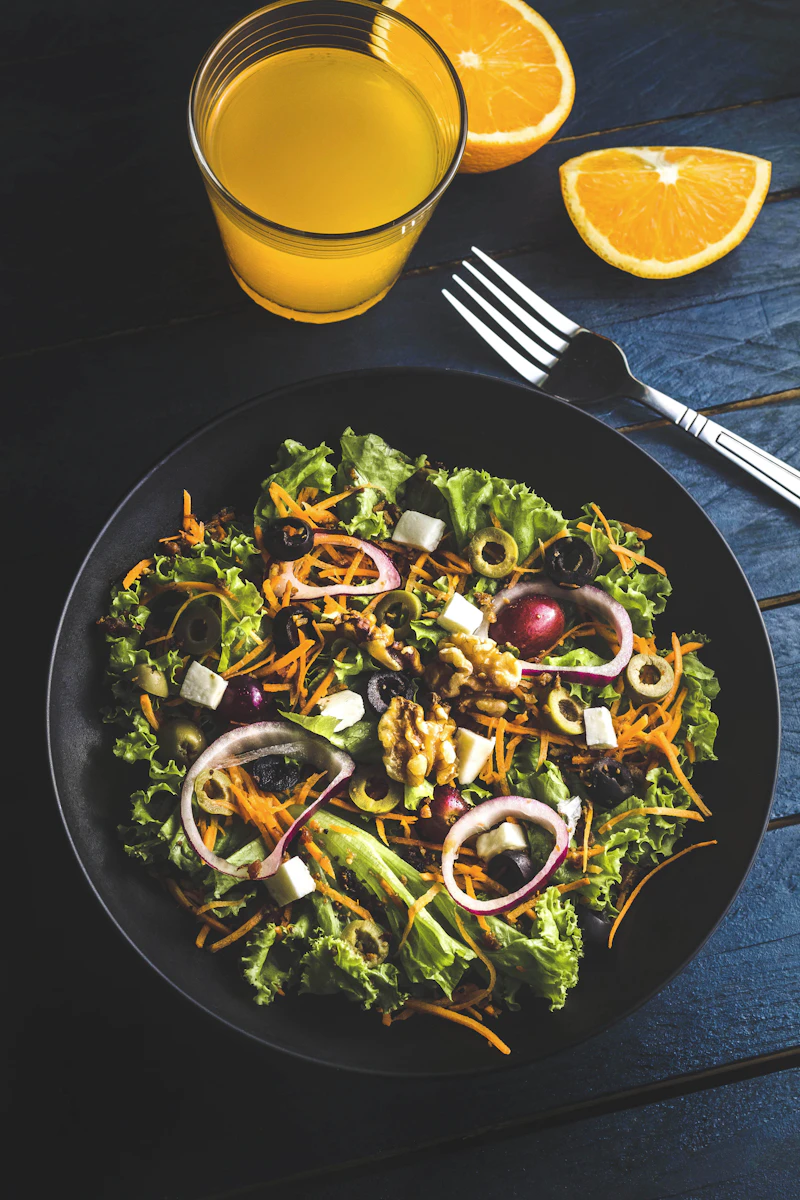
Dubai's vegan scene has transformed dramatically. Just five years ago, veganism was niche; today, dedicated vegan restaurants thrive across Dubai Marina, Downtown, and JBR. Middle Eastern and Indian cuisines — staples of Dubai's food culture — are naturally plant-based friendly. The fitness community has embraced vegan athletes; several competing bodybuilders and endurance athletes in Dubai follow plant-based diets. If you're vegan, want to become vegan, or are simply curious about plant-based fitness in the UAE, this guide shows you exactly how to eat well, train hard, and thrive in Dubai's international wellness landscape.
Is Dubai Good for Vegans? The Short Answer: Yes
Dubai has evolved into one of the world's most vegan-friendly cities. The restaurant scene is diversifying rapidly, with dedicated vegan eateries joining an already plant-based-friendly landscape of Middle Eastern and Indian restaurants. Supermarkets stock all vegan basics. The international population — over 200 nationalities — means vegan diets are well understood and normalized. Social attitudes toward veganism are pragmatic; people respect dietary choices without judgment.
The fitness community is particularly supportive. Instagram features numerous Dubai-based vegan bodybuilders, cyclists, and runners. Gyms and personal trainers are accustomed to working with vegan athletes. The city's wellness culture — whether motivated by health, ethics, or environmental concerns — aligns well with plant-based eating.
The real challenge isn't availability; it's price. Specialised vegan products (vegan cheese, mock meats, plant-based protein powders) imported to the UAE cost 30–50% more than in Europe or Australia. However, whole-food plant-based eating (legumes, grains, vegetables, fruits, nuts, seeds) is actually cheap — often cheaper than omnivorous diets — making basic vegan nutrition affordable for everyone.
Getting Enough Protein on a Vegan Diet in Dubai
The most common question vegans face: "Where do you get your protein?" The answer in Dubai is straightforward — abundant, affordable sources are everywhere.
Protein Requirements for Vegan Fitness Goals
- Weight Loss: 1.8–2.2g protein per kg body weight. Higher protein preserves muscle during calorie deficit. Example: 70kg person needs 126–154g daily.
- Muscle Building: 1.6–2.2g per kg body weight. Combine high protein intake with consistent resistance training and adequate calories.
- Endurance Training: 1.2–1.6g per kg body weight. Lower than strength athletes but still above non-athletes. Carbohydrate focus for fuel.
- General Fitness/Maintenance: 1.2–1.6g per kg body weight. Sufficient for health and modest training.
Protein Combining: Plant proteins often lack one or more essential amino acids. Pairing complementary proteins (legumes + grains, legumes + seeds, seeds + grains) creates complete amino acid profiles. Examples: rice + beans, hummus + whole grain bread, tofu + quinoa. Modern research suggests the body pools amino acids throughout the day, so strict meal-by-meal combining isn't necessary — just eat varied plant proteins daily.
Vegan Nutrition for Specific Fitness Goals
Weight Loss on a Vegan Diet
Strategy: Maintain a 500–750 calorie deficit while eating 1.8–2.2g protein per kg body weight daily. Focus on whole foods: legumes, grains, vegetables, fruits, nuts, seeds. Minimize processed vegan foods (vegan cheese, mock meats), which are calorie-dense and often high in sodium. Prioritize satiety: legumes and whole grains provide fibre and volume, reducing hunger. Combine diet with strength training 2–3x per week to preserve muscle.
Challenge: Plant-based foods can be less calorie-dense than animal products, requiring larger portions to meet calorie needs. Solution: add healthy fats (olive oil, avocado, nuts) to meals to increase energy density while maintaining whole-food nutrition.
Muscle Building on a Vegan Diet
Strategy: Eat at calorie surplus (300–500 calories above maintenance), hit 1.6–2.2g protein per kg daily, and train with resistance 3–5x per week. Prioritise high-protein foods: tofu, tempeh, seitan, legumes, nuts, seeds, quinoa. Time carbohydrates around training (pre and post-workout) to fuel intensity and aid recovery. Strength gains are identical for vegan and non-vegan athletes when protein and training are equal.
Challenge: Reaching high protein intake on a vegan diet requires planning. Solution: use vegan protein powder (pea, hemp, rice, blended) to supplement whole foods. In Dubai, brands like Orgain and Vega are available at health stores (AED 120–200/container).
Endurance Training on a Vegan Diet
Strategy: Emphasise carbohydrates for fuel (60–70% of calories), moderate protein (1.2–1.6g per kg), and adequate micronutrients. Plant-based diets are naturally carb-rich, making them excellent for endurance athletes. Focus on: legumes, grains (rice, oats, pasta, quinoa), fruit, vegetables, nuts, seeds. Many elite plant-based endurance athletes credit veganism with faster recovery and improved performance.
Best Vegan Restaurants in Dubai
Dubai Marina
- The Vurger Co.: Plant-based burgers, fries, milkshakes. Casual, social atmosphere. Try the signature vegan burger.
- Floral Cafe: Vegan-friendly cafe with salads, bowls, smoothies. Excellent for breakfast/lunch.
- Al Mallah (Marina location): Lebanese — traditionally vegan mezze (hummus, baba ganoush, tabbouleh), shawarma without meat.
Downtown Dubai
- Sage & Hearth: Plant-forward restaurant with dedicated vegan menu. Upscale casual.
- Switcher: Vegan-exclusive fast-casual concept. Burgers, wraps, bowls. Growing chain across UAE.
- L'Artisan Cafe: Vegan-friendly brunch and lunch spot. Downtown location, business-friendly.
JBR (Jumeirah Beach Residence)
- Zaroob (JBR): Lebanese grill — hummus, baba ganoush, salads, grilled vegetables, falafel.
- Casual vegan-friendly spots: Multiple restaurants in the Walk at JBR offer vegan adaptations of traditional dishes.
Jumeirah
- Nobu: While not vegan-specific, offers extensive vegan appetizers and vegetable-based dishes. Premium fine dining.
- Breeze: Mediterranean with abundant salads, grilled vegetables, plant-based options.
Al Quoz Arts District
- The Kettle Black (Al Quoz location): Australian-influenced cafe with vegan options, plant-based milk options, salads.
Best Cuisine Types for Vegan Eating in Dubai
- Lebanese/Middle Eastern: Naturally vegan-friendly. Hummus, baba ganoush, tabbouleh, fattoush salad, falafel, grilled vegetables. Avoid bread, oil can be generous.
- Indian: Abundant vegan options. Dahl (lentil curries), chickpea curries, saag (spinach curries), vegetable curries. Request coconut milk base instead of ghee for purity. Pair with rice or roti.
- Thai: Vegetable stir-fries, curries, salads. Request coconut milk-based curries and specify no fish sauce. Ask about egg in fried rice.
- Mediterranean/Italian: Pasta with tomato or olive oil-based sauces, salads, grilled vegetables. Avoid cream-based pasta.
Work with a Vegan-Specialist Nutritionist
A Dubai nutritionist experienced in plant-based sports nutrition can optimise your macro targets, supplement strategy, and meal planning for your specific fitness goals.
Find NutritionistVegan Shopping in Dubai Supermarkets
Vegan Products & Where to Find Them
- Legumes (canned or dried): Carrefour, Spinneys, Lulu — AED 2–8/can
- Tofu: All major supermarkets, Asian markets — AED 8–15/pack
- Tempeh: Carrefour, Spinneys, health stores — AED 12–20/pack
- Seitan/Wheat gluten: Health food stores, Organic Foods & Café — AED 20–40
- Quinoa: All supermarkets — AED 15–30/kg
- Nutritional yeast: Health stores — AED 30–80/jar
- Hemp/chia/pumpkin seeds: Carrefour, Spinneys, online — AED 20–50/pack
- Nuts (almonds, walnuts, cashews): Bulk cheaper at Al Reef or Lulu — AED 15–40/kg
- Plant-based milk (oat, almond, soy): All supermarkets — AED 8–15/carton
- Vegan protein powder (pea, hemp, rice): Health stores, Organic Foods & Café, online — AED 120–200
- Vegan cheese (cashew-based, nutritional yeast-based): Specialty stores — AED 30–80 (expensive)
- Vegan meat alternatives (store-bought mock meats): Specialty, online — AED 40–100 (very expensive)
Dedicated Health Food Stores in Dubai
- Organic Foods & Café: Locations in Dubai Marina, Downtown, Jumeirah. Extensive vegan range, supplements, specialty ingredients.
- Holland & Barrett: Multiple locations. Health supplements, vegan protein, B12, omega-3, nuts, seeds.
- Ripe Market: Farmer's market vibe. Fresh organic produce, some vegan specialty items.
- Online options: Amazon UAE, iGourmet.ae, and local delivery services increasingly stock vegan products.
Vegan Diet Cost in Dubai
DIY Cooking
AED 350–600/wk
Legumes, grains, vegetables, nuts. Cheapest. Requires shopping & cooking skills.
Mixed Approach
AED 500–800/wk
Grocery shopping + occasional restaurant meals. Balanced convenience & cost.
Restaurant-Based
AED 600–1,100/wk
Eating out daily at vegan restaurants. Convenient but expensive.
Meal Delivery
AED 700–1,200/wk
Vegan meal prep delivered. Most convenient, higher cost.
Whole-food plant-based eating is typically cheaper than omnivorous diets. Legumes, grains, and seasonal vegetables are inexpensive. The cost rises only when buying specialty vegan products (vegan cheese, mock meats, protein powders), which are optional.
7-Day Vegan Fitness Meal Plan for Dubai
This plan targets approximately 2,000 calories daily with 1.8g protein per kg for a 70kg person (126g protein target). Uses locally available ingredients and realistic restaurant options.
Day 1
- Breakfast: Oatmeal (1 cup cooked) with banana, almonds, chia seeds → ~450 cal, 12g protein
- Lunch: Chickpea salad (1 cup chickpeas) with olive oil, vegetables, quinoa (1/2 cup) → ~550 cal, 18g protein
- Snack: Hummus with carrots, pita, almonds → ~300 cal, 12g protein
- Dinner: Tofu stir-fry (150g tofu) with vegetables, olive oil, brown rice (1 cup) → ~700 cal, 18g protein
- Total: ~2,000 calories | ~60g protein
Day 2
- Breakfast: Smoothie: banana, peanut butter (2 tbsp), plant milk, hemp seeds → ~450 cal, 16g protein
- Lunch: Restaurant Lebanese: falafel (3 pieces), hummus, baba ganoush, tabbouleh salad, pita → ~600 cal, 15g protein
- Snack: Lentil soup (1 cup), whole grain bread, olive oil → ~280 cal, 12g protein
- Dinner: Tempeh (100g) with sautéed vegetables, sweet potato, olive oil → ~670 cal, 18g protein
- Total: ~2,000 calories | ~61g protein
Day 3
- Breakfast: Toast (2 slices whole grain) with almond butter, banana, nutritional yeast → ~400 cal, 14g protein
- Lunch: Quinoa bowl (1 cup cooked) with black beans (3/4 cup), avocado, salsa, olive oil → ~580 cal, 18g protein
- Snack: Protein shake: pea protein powder (20g protein), banana, oat milk, berries → ~250 cal, 28g protein
- Dinner: Seitan (80g) with roasted broccoli, rice (1 cup) → ~770 cal, 26g protein
- Total: ~2,000 calories | ~86g protein
Day 4
- Breakfast: Tofu scramble (150g tofu) with vegetables, nutritional yeast, toast → ~480 cal, 18g protein
- Lunch: Restaurant Indian dahl (lentil curry) with rice, naan → ~650 cal, 16g protein
- Snack: Mixed nuts (30g handful) and berries → ~250 cal, 8g protein
- Dinner: Tempeh stir-fry (100g) with brown rice (1 cup), sesame oil → ~620 cal, 20g protein
- Total: ~2,000 calories | ~62g protein
Day 5 (High Protein Workout Day)
- Breakfast: Oatmeal (1 cup) with hemp seeds, berries, almond milk → ~420 cal, 14g protein
- Pre-Workout: Banana with peanut butter → ~200 cal, 7g protein
- Post-Workout: Protein shake (30g protein powder, oat milk, banana) → ~300 cal, 32g protein
- Lunch: Chickpea pasta (whole wheat, 1 cup cooked) with tomato sauce → ~500 cal, 20g protein
- Dinner: Restaurant: Lebanese grilled vegetables with chickpea-based hummus, salad, whole grain bread → ~580 cal, 18g protein
- Total: ~2,000 calories | ~91g protein
Day 6
- Breakfast: Chia pudding (1/4 cup chia, coconut milk, banana) → ~380 cal, 10g protein
- Lunch: Lentil & vegetable soup (1.5 cups) with whole grain bread, olive oil → ~520 cal, 16g protein
- Snack: Almonds (30g) and dried fruit → ~200 cal, 7g protein
- Dinner: Tofu (150g) in peanut sauce with vegetables, brown rice (1 cup) → ~900 cal, 28g protein
- Total: ~2,000 calories | ~61g protein
Day 7 (Flexible/Restaurant Day)
- Breakfast: Restaurant brunch: avocado toast on whole grain with hemp seeds → ~480 cal, 15g protein
- Lunch: Thai vegetable curry (coconut-based, no fish sauce) with rice → ~600 cal, 12g protein
- Snack: Dates (3) with almonds → ~200 cal, 6g protein
- Dinner: Seitan kebab (Mediterranean style) with salad, hummus → ~720 cal, 24g protein
- Total: ~2,000 calories | ~57g protein
If this plan shows lower protein than your target (e.g., Day 1 = 60g when you need 126g), add a vegan protein powder shake, or increase tofu/tempeh portions, or eat more legumes. Adjust portions based on your actual protein needs. Track your intake in MyFitnessPal for the first 2–3 weeks to learn your portions.
Critical Vegan Supplements for Fitness in Dubai
Vitamin B12 (Essential)
Vegans cannot reliably obtain B12 from plant sources. B12 is vital for energy, red blood cell formation, and nerve function. Supplement: 25–100 mcg daily, or 2,000 mcg once weekly. Cost: AED 20–50/month. All major pharmacies carry B12 supplements; recommend cyanocobalamin or methylcobalamin.
Iron (Especially for Women)
Plant-based iron (non-heme iron) is less bioavailable than animal iron. Women over 18 need 18mg daily (9mg post-menopause); men need 8mg. If blood tests show low iron, supplement with 15–30mg iron bisglycinate (gentler on stomach). Cost: AED 25–60/month. Pair with vitamin C to enhance absorption.
Zinc (Recommended)
Plant-based foods contain phytates, which reduce zinc absorption. Athletes need adequate zinc for immune function and recovery. Supplement 10–15mg daily. Cost: AED 20–40/month.
Vitamin D (Recommended, Especially in Summer)
Despite Dubai's sun, many residents are deficient due to high SPF use, indoor work, and heat avoidance. Supplement 2,000–4,000 IU daily. Cost: AED 25–70/month.
Omega-3 / Algae-Based EPA & DHA (Optional but Helpful)
Plant-based omega-3 sources (ALA) convert poorly to EPA/DHA. Vegan athletes may benefit from algae-based supplements providing 200–500mg EPA/DHA daily. Cost: AED 60–150/month. Optional for general health; helpful for endurance and recovery.
Creatine (Optional for Strength Athletes)
Plant sources contain no creatine; supplementing 3–5g daily supports strength and muscle gains. Safe, evidence-based. Cost: AED 40–100/month. Available at all Dubai supplement shops.
Common Vegan Fitness Mistakes in Dubai (and How to Fix Them)
-
1Insufficient Protein Intake
Eating too little protein (under 1.2g per kg) limits muscle building, recovery, and satiety. Fix: Track protein for 2–3 weeks in MyFitnessPal to learn your portions. Prioritise high-protein foods: legumes, tofu, tempeh, seitan, nuts, seeds. Consider vegan protein powder if whole foods don't meet targets.
-
2Relying on Processed Vegan Foods
Store-bought vegan burgers, cheese, and mock meats are expensive, often high in sodium and ultra-processed, and nutritionally inferior to whole foods. Fix: Build meals around whole plant foods (legumes, grains, vegetables, fruits, nuts, seeds). Specialty vegan products are occasional treats, not staples.
-
3Neglecting Vitamin B12
Vegans must supplement B12 or accept inevitable deficiency. There are no reliable plant sources. Deficiency causes fatigue, cognitive decline, and nerve damage. Fix: Supplement daily (25–100 mcg) or weekly (2,000 mcg). Get blood tests every 1–2 years to confirm B12 levels.
-
4Ignoring Amino Acid Completeness
Single plant sources rarely provide all 9 essential amino acids. Eating incomplete proteins long-term can limit muscle building. Fix: Combine complementary proteins (legumes + grains, legumes + seeds, seeds + grains). Modern evidence suggests daily variety matters more than meal-by-meal combining.
-
5Not Tracking Early
Veganism requires more intentional nutrition planning than omnivorous diets. Without tracking, protein and calorie targets are often missed. Fix: Use MyFitnessPal for 3–4 weeks as a learning tool. Once patterns are clear, you can eat more intuitively.
Frequently Asked Questions About Vegan Fitness Diet in Dubai
Related Nutrition Resources
Work with a Vegan-Specialist Nutritionist
A Dubai nutritionist experienced in plant-based sports nutrition can optimise your protein intake, supplementation strategy, and meal planning for your specific fitness goals.
Find Nutritionist