Losing weight in Dubai presents unique challenges that don't exist in most other places. The combination of extreme heat, a restaurant-focused food culture, world-class brunches, social dining pressure, and limited outdoor exercise windows creates a perfect storm for weight gain. Yet thousands of Dubai residents successfully lose significant weight each year — by understanding these specific challenges and adapting their diet strategy accordingly. This guide shows you exactly what works, what doesn't, and how to navigate Dubai's food landscape while maintaining a consistent calorie deficit.
Why Weight Loss in Dubai Is Uniquely Challenging
Dubai's environment creates obstacles to weight loss that don't exist in cooler climates. The extreme heat (40–50°C from May to October) makes outdoor exercise genuinely dangerous, so most people either skip exercise or move it indoors. Air-conditioned gyms and studios are everywhere, but the barrier to motivation is higher when stepping outside feels like walking into an oven.
The food culture is another major factor. Dubai's restaurant scene is exceptional — Michelin-starred venues, international cuisines, casual Arabic spots, and everything in between. Eating out isn't occasional; for many residents it's 5–7 days per week. Restaurant portion sizes are large, dishes are cooked in generous amounts of oil, and desserts are everywhere. A single brunch can contain 2,000+ calories before you've finished the first hour.
Social pressure matters too. Business lunches are unavoidable. Weekend brunches with friends are cultural cornerstones. Ramadan brings festive evening meals. Eid celebrations involve massive feasts. Declining food in these settings can feel isolating in a city built on hospitality and connection. The stress and long working hours of Dubai life often drive emotional eating — many residents use food as a reward or stress relief.
Finally, stress itself is a factor. High-pressure jobs, hot weather, expat homesickness, and constant activity can trigger cortisol elevation, which promotes fat storage, particularly in the abdomen. Weight loss in Dubai requires acknowledging these psychological and environmental factors, not just counting calories.
The Science of Weight Loss: Calorie Deficit Is Still King
Despite what fad diets suggest, weight loss fundamentally requires a calorie deficit — eating fewer calories than you burn. This is true in Dubai, New York, Tokyo, and everywhere else. The laws of thermodynamics don't change with geography.
A deficit of 500 calories per day (achieved through diet, exercise, or both) results in 0.5 kg (1 lb) of weight loss per week. A deficit of 1,000 calories per day results in 1 kg (2.2 lbs) per week. Creating a larger deficit initially feels faster, but deficits larger than 1,000 calories are unsustainable and often lead to muscle loss and metabolic adaptation. For most people, 500–750 calorie deficits are ideal — aggressive enough to lose weight steadily, sustainable enough to maintain for months.
Where people get confused is how to create that deficit. Some do it entirely through diet. Some do it through exercise. Most do both. In Dubai's climate, diet control is typically more effective than trying to exercise away a poor diet. As the saying goes: you can't out-exercise a bad diet, especially when the heat limits how hard you can train.
Dubai-Specific Weight Loss Challenges and Strategies
Challenge 1: Restaurant Culture and Portion Sizes
Most Dubai residents eat out for lunch and dinner 5–7 days per week. This isn't laziness — it's practical. Many apartments are small, many people lack cooking facilities, and the restaurant scene is extraordinarily affordable for international cuisine. But restaurant meals average 1,200–1,800 calories per serving, compared to 600–900 for a home-cooked equivalent.
Strategy: When eating at restaurants, focus on protein and vegetables. Order grilled meats (shawarma, grilled fish, charcoal chicken) without the rice, or with rice on the side. Skip the bread, the dips loaded with tahini, and the fried sides. At casual spots (Lebanese, Arabic, Indian), these options are abundant. Choose salads as sides instead of rice or chips. Skip dessert or share one with others. Drink water, not soft drinks or alcohol (which add 150–400 calories per serving). This approach alone can reduce restaurant meals from 1,500 to 800 calories while keeping you satisfied.
Challenge 2: The Brunch Culture
Dubai's weekend brunches are legendary — bottomless drinks, buffet spreads, dessert mountains. A typical 2-hour brunch can exceed 3,000 calories. For people trying to lose weight, this single meal can wipe out a week's worth of deficit.
Strategy: Attend brunches for the social aspect, but eat strategically. Arrive already slightly full by eating a light breakfast. Load your plate with protein (eggs, seafood, meats) and salads. Skip or minimise pastries, bread, desserts, and sugary drinks. Have one cocktail maximum, or skip alcohol entirely (it lowers inhibitions around food and adds empty calories). After eating, take a walk to aid digestion. Accept that one brunch per week at maintenance calories (no deficit) is fine — the deficit comes from the other six days. Alternatively, do a longer workout on brunch day to maintain your weekly deficit.
Challenge 3: Ramadan and Eid
Ramadan shifts eating patterns entirely. People fast during daylight, then eat large meals at Iftar (sunset) and lighter meals late at night at Suhoor (before dawn). The month centres around food and family, and traditional Iftar spreads are laden with fried foods, sweets, and rich dishes. Many people gain weight during Ramadan despite fasting.
Strategy: Ramadan weight loss is possible with the right approach. Focus your calories on nutrient-dense foods: dates (natural sugars), fruits, vegetables, lean proteins, and legumes. Eat slowly and mindfully during Iftar to allow satiety hormones to work. Drink water throughout the evening. At Suhoor, eat protein and whole grains to stabilize blood sugar during the fast. The long fast naturally creates a calorie deficit — if you eat at maintenance calories during your evening eating window, you'll lose weight. Many people naturally lose 2–4 kg during Ramadan if they stay mindful. Post-Ramadan Eid feasting can erase this, so plan ahead: eat Eid sweets and special foods, but return to your deficit immediately after.
Challenge 4: Heat and Exercise Motivation
From June to August, outdoor temperatures exceed 45°C at midday. Most outdoor activities become impossible or dangerous. This reduces total daily energy expenditure (TDEE) for people who typically exercise outdoors. People who relied on running, cycling, or outdoor classes must adapt or see their calorie burn drop significantly.
Strategy: Shift to indoor exercise during summer: gym workouts, indoor cycling studios, air-conditioned fitness classes, or personal training indoors. These are widely available across Dubai. If TDEE drops due to less outdoor activity, reduce calorie intake slightly to maintain your deficit. The good news: Dubai's winter (October–April) is perfect for outdoor activities, so you can increase exercise during these months and take a lighter approach to diet. Year-round consistency matters more than perfection.
Best Diets for Weight Loss in Dubai
No single diet is universally best — it depends on your preferences, lifestyle, and what you can sustain. Here are the approaches that work well for Dubai residents:
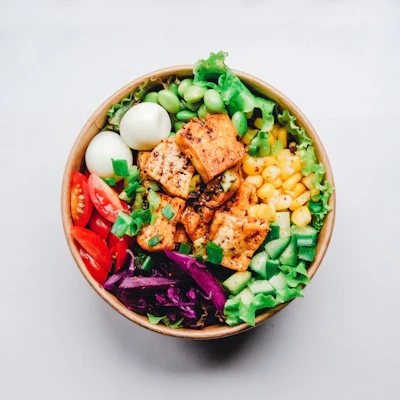
Emphasis on olive oil, fish, vegetables, legumes, and whole grains. Perfectly suited to Middle Eastern and Arabic cuisine, which overlap significantly. Works well in Dubai's restaurant scene. Sustainable, not restrictive.

Track intake using an app (MyFitnessPal, Cronometer). Works with any food — no restrictions. Critical for restaurant eating in Dubai. Requires honesty but gives complete control and flexibility.

Eat during a specific window (e.g., 12pm–8pm or 2pm–10pm) and fast outside it. Popular in Dubai, aligns naturally with Middle Eastern eating patterns. Reduces meal frequency, simplifying food choices.

Severe carb restriction (under 50g per day) shifts metabolism to fat burning. Popular among fitness enthusiasts in Dubai. Requires avoiding rice, bread, fruit. Can cause initial fatigue. See our complete keto guide for Dubai.

Protein at every meal (30%+ of calories). Reduces appetite, preserves muscle during weight loss, and pairs naturally with Dubai's meat-heavy restaurant culture. Effective for people who lift weights.

Eliminates animal products. Dubai's restaurant scene offers many vegan options, particularly Middle Eastern and Indian cuisine. Requires attention to protein and B12. See our vegan fitness guide for details.
Our recommendation for most Dubai residents: Start with basic calorie tracking combined with a high-protein approach. Choose one diet framework (Mediterranean, intermittent fasting, or high-protein) based on what aligns with your life, then track to ensure you're in a deficit. This hybrid approach gives structure (from the framework) and flexibility (from tracking), and works well in Dubai's restaurant-heavy environment.
Work with a Nutritionist for Your Weight Loss Goal
Dubai-based certified nutritionists can personalise a plan to your specific goals, body composition, and lifestyle. Many offer support for restaurant eating, meal planning, and accountability.
Find a Nutritionist7-Day Weight Loss Meal Plan for Dubai
This plan uses UAE-available foods and realistic restaurant options. Targets approximately 1,800 calories per day (suitable for most people; adjust up or down based on your needs). Each day includes flexibility for restaurant eating.
Day 1
- Breakfast: 3 scrambled eggs with spinach, whole grain toast (1 slice), olive oil → ~300 cal
- Lunch: Grilled chicken shawarma (2 skewers) with salad, hummus (2 tbsp), no bread → ~500 cal
- Snack: Apple with almond butter (1 tbsp) → ~200 cal
- Dinner: Grilled fish (150g) with roasted vegetables (olive oil), brown rice (1/2 cup) → ~450 cal
- Total: ~1,450 calories
Day 2
- Breakfast: Greek yogurt (200g) with berries and granola (2 tbsp) → ~250 cal
- Lunch: Tuna salad (tin of tuna, olive oil dressing) with feta, olives → ~400 cal
- Snack: Hummus with carrot and celery sticks → ~150 cal
- Dinner: Restaurant: Lean meat (lamb or steak, 150g) grilled, side salad, vegetables (no rice) → ~550 cal
- Total: ~1,350 calories
Day 3 (Intermittent Fasting)
- Breakfast/Brunch (1pm): Omelette (3 eggs) with cheese and mushrooms, toast, orange juice → ~500 cal
- Snack (3pm): Almonds (small handful) → ~150 cal
- Dinner (7pm): Restaurant Lebanese meal: charcoal chicken with salad, garlic dip, no bread → ~600 cal
- Total: ~1,250 calories (eating window: 1pm–8pm)
Day 4
- Breakfast: Lentil soup (homemade or from restaurant) with whole grain bread → ~300 cal
- Lunch: Chickpea and quinoa salad with lemon dressing → ~400 cal
- Snack: Dates (3) with almonds → ~200 cal
- Dinner: Grilled chicken (150g), sweet potato (100g), broccoli with olive oil → ~500 cal
- Total: ~1,400 calories
Day 5
- Breakfast: Whole grain cereal with milk and banana → ~250 cal
- Lunch: Restaurant: Grilled fish with side salad and vegetables → ~550 cal
- Snack: Protein bar or yogurt → ~200 cal
- Dinner: Stir-fried tofu (150g) with mixed vegetables and brown rice (1/2 cup) → ~450 cal
- Total: ~1,450 calories
Day 6
- Breakfast: Smoothie: protein powder, banana, spinach, almond milk → ~250 cal
- Lunch: Grilled chicken breast (150g) with rice and steamed vegetables → ~500 cal
- Snack: String cheese and apple → ~150 cal
- Dinner: Restaurant: Seafood with light sauce, salad, no rice → ~550 cal
- Total: ~1,450 calories
Day 7
- Breakfast: Scrambled eggs (2) with whole grain toast and sliced tomato → ~300 cal
- Lunch: Falafel wrap (1) with salad and tahini (light amount), or grilled chicken wrap → ~500 cal
- Snack: Handful of nuts and berries → ~200 cal
- Dinner: Grilled lamb (120g) with couscous (1/2 cup) and roasted vegetables → ~600 cal
- Total: ~1,600 calories
This plan averages 1,400 calories per day. If your maintenance calories (the amount you need to stay at current weight) are 2,000 calories, this creates a 600-calorie daily deficit = 4,200 per week = approximately 0.6 kg (1.3 lbs) per week. Adjust portions up or down based on hunger and your personal maintenance level. Working with a GetFitDXB nutritionist can personalise this further.
Exercise + Diet: The Complete Combination
Diet alone works for weight loss, but combining it with exercise creates faster results, preserves muscle, and improves body composition. In Dubai, the most effective approach combines diet discipline with targeted strength training and moderate cardio.
For optimal weight loss results in Dubai: Maintain your 500–750 calorie deficit through diet, then add 2–3 days per week of strength training (weights or resistance) to preserve muscle. Add 2–3 days of moderate cardio (30–45 minutes): this could be indoor cycling classes, treadmill running, elliptical, or outdoor activities in cooler months. This combination typically results in faster fat loss, better body composition, and fewer metabolic adaptations than diet alone.
Many GetFitDXB clients work with both a nutritionist and a personal trainer simultaneously. The trainer handles the exercise prescription while the nutritionist handles the diet — together they create accountability and faster progress. See our complete personal training guide for Dubai.
Weight Loss Costs in Dubai
The price of losing weight varies dramatically depending on your approach:
Most people see good results with a nutritionist alone (AED 500–1,500/month) combined with self-directed gym training using free YouTube workouts or budget gym memberships. The nutritionist provides the diet structure; you handle the exercise yourself.
How Long Does Weight Loss Take?
A realistic timeline for Dubai residents:
- First 2 weeks: Initial rapid water loss (2–4 kg) as you reduce carbs and sodium. This is mostly water, not fat.
- Weeks 3–8: Steady fat loss at 0.5–1 kg per week if you maintain discipline. Results are noticeable around week 4–5.
- Months 2–3: Weight loss may slow slightly (metabolic adaptation), but continues. Building exercise habits now pays dividends.
- 3–6 months: Significant visible changes: clothes fit better, energy improves, confidence increases. 6–12 kg loss is realistic with consistent deficit and exercise.
- 6–12 months: Major transformation possible: 12–25 kg loss. Body composition shifts dramatically, particularly with strength training.
The key variable is consistency. Someone who maintains a 500-calorie deficit 6 days per week and eats at maintenance on weekends will lose fat steadily. Someone who fluctuates between strict dieting and binge eating loses nothing. Sustainability matters more than perfection.
Frequently Asked Questions About Weight Loss Diet in Dubai
Weight Loss Diet in Dubai: Related Resources
Ready to Start Your Weight Loss Journey?
Book a consultation with a Dubai nutritionist to create your personalised weight loss plan. Many offer initial consultations free or at a discount.
Book Nutrition Consultation