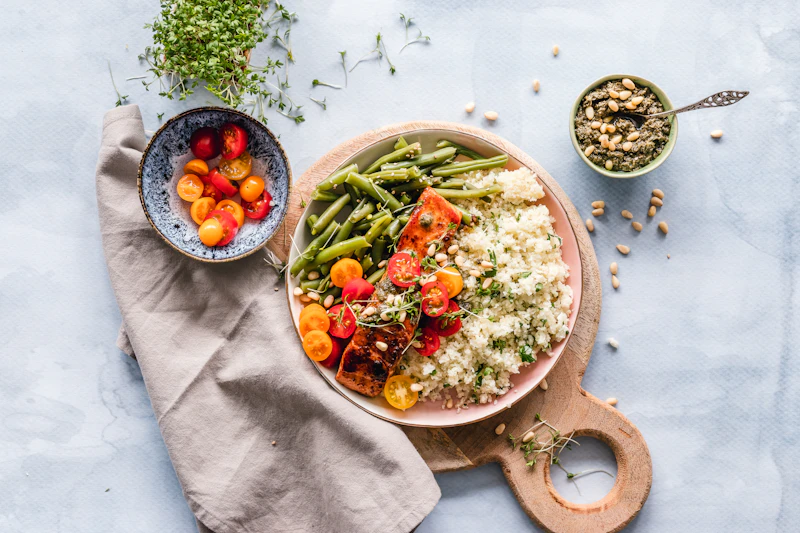
Dubai's meal prep industry has become a cornerstone of modern wellness. With scorching summer heat, busy professional lifestyles, and sky-high restaurant costs, meal delivery services have transformed how thousands of Dubai residents eat healthily. Whether you're seeking macro-controlled meals for muscle building, calorie-controlled plans for weight loss, or plant-based options, Dubai's meal prep landscape offers something for every goal and budget. This comprehensive guide compares services, costs, pros and cons, and whether DIY meal prep makes sense for your situation.
Why Meal Prep Makes Sense in Dubai
Dubai presents unique challenges to meal consistency. The scorching climate (40°C+ in summer) makes outdoor shopping and long food prep sessions genuinely difficult. Eating out in Dubai is expensive—a lunch can easily cost AED 50–80 at a casual restaurant, meaning a month of lunches costs AED 1,500–2,400. Most apartments have compact kitchens, making bulk cooking challenging. Meanwhile, work cultures are demanding; many professionals work 10+ hour days, leaving minimal time for shopping and cooking.
Meal prep services solve these problems: food arrives ready to heat and eat, eliminating shopping and prep time. Macro control ensures you're hitting your fitness goals consistently. And with competition, prices have become competitive—many services cost similar to or less than eating out regularly.
Types of Meal Prep & Delivery Services in Dubai
Macro-Balanced Meal Plans (For Gym-Goers)
These services target fitness enthusiasts seeking optimised protein, carbs, and fats. Menus typically include lean proteins (chicken breast, fish, turkey), complex carbs (rice, sweet potato, oats), and healthy fats (olive oil, avocado, nuts). Macros are listed transparently. Perfect for muscle building, athletic training, or body recomposition. Price: AED 40–60 per meal.
Weight Loss Meal Plans (Calorie-Controlled)
Calorie targets are reduced (typically 1,500–2,000 kcal/day) while keeping meals satisfying. Portions are smaller, and protein is emphasised to preserve muscle during weight loss. These services often partner with nutritionists and market themselves around sustainable fat loss. Price: AED 35–50 per meal, often bundled at monthly discounts.
Vegan & Plant-Based Delivery
Growing segment in Dubai catering to vegans, vegetarians, and those reducing meat. These services face the challenge of hitting adequate protein without animal products—they typically rely on legumes, tofu, tempeh, nuts, and plant-based protein powders. Quality varies; premium vegan services are excellent. Price: AED 35–55 per meal.
Keto & Low-Carb Meal Delivery
Specialised services for ketogenic diets (very low carb, high fat) or paleo-style eating. Meals are typically heavy on proteins, fats, and non-starchy vegetables. These appeal to people doing specific diet protocols, though they're generally pricier than mainstream services. Price: AED 45–70 per meal.
Family Meal Prep Services
These deliver larger portions designed for families (2–4 people per meal). Menus are balanced but may include pasta, rice-based dishes, and familiar flavours. Perfect for busy families who want healthy eating without nightly cooking. Price: AED 30–50 per person, variable portion sizes.
Corporate Meal Delivery
Many companies contract meal services for office delivery—breakfast, lunch, or both. Common in DIFC, Downtown, and business parks. Corporate programmes usually involve volume discounts, simplified customisation, and on-site delivery. Price: highly variable, typically AED 30–60 per meal for bulk orders.
What to Look for in a Meal Prep Service
- Macronutrient transparency—are calories, protein, carbs, fats listed clearly?
- Fresh or frozen—do you prefer fresh (shorter shelf life) or frozen (longer storage)?
- Delivery coverage—does the service reach your area (some don't cover outer regions)?
- Customisation options—can you swap proteins, adjust portions, or request modifications?
- Ingredient sourcing—are they transparent about where food comes from?
- Packaging—is it sustainable (compostable) or single-use plastic?
- Client reviews—check recent feedback on taste consistency, freshness, and customer service
- Pricing structure—do they offer weekly, monthly, or flexible pricing?
- Dietary accommodations—can they handle allergies, intolerances, or religious dietary requirements?
DIY Meal Prep vs. Delivery Service: Which is Better?
DIY Meal Prep: Pros and Cons
Pros: Lowest cost (saves 40–50% vs. delivery); maximum control over ingredients and quality; builds valuable cooking skills; ability to cook exactly what you want; scalable—cook more for less per-meal cost; eco-friendly (no packaging waste); most reliable food freshness.
Cons: Requires 2–3 hours weekly for shopping, prep, cooking, and storage; requires proper kitchen setup and storage space; inconsistent macros unless you weigh and track everything; requires discipline and planning; Dubai's heat makes it harder to prep large batches safely.
Meal Delivery Service: Pros and Cons
Pros: Maximum convenience (food arrives ready to eat); guaranteed macro accuracy; zero cooking or shopping time; consistent portion sizes; structured compliance with fitness goals; ideal for extremely busy professionals; eliminates decision fatigue; works well for apartment dwellers with limited kitchen space.
Cons: Higher cost (2–3x DIY); potentially less fresh (depends on delivery timeframe); limited menu variety (you're restricted to their offerings); difficult for those with unique taste preferences; shipping delays happen; packaging waste if not composted; you don't develop cooking skills.
Who Each Suits
Choose DIY if: You have 5–7 hours weekly for food prep; you live in a spacious home with large fridge/freezer; you want to save money; you enjoy cooking; you want complete control; you don't mind inconsistent macros.
Choose Delivery if: You work 50+ hour weeks; you live in a compact apartment; you need strict macro compliance; you struggle with consistent healthy eating; convenience is worth the extra cost to you; you travel frequently but still want home delivery options.
Pair Meal Prep with Professional Nutrition Coaching
Work with a certified nutritionist to optimise your meal plan, set realistic macros, and build sustainable eating habits alongside meal prep.
Find a NutritionistHow Much Do Meal Prep Services Cost in Dubai?
Cost Comparison: A typical working lunch in Dubai costs AED 50–80. Dinner at home costs AED 30–50 if you cook, or AED 60–100 if you eat out. Meal prep services at AED 45 per meal are cheaper than eating out, roughly equal to home cooking, but save massive time. For someone working 60+ hours/week, this is excellent ROI.
Money-Saving Tips: Most services offer 10–20% discounts for monthly prepayment. Sharing a larger order with a friend can lower per-meal cost. Some services offer referral discounts. Eating lunch at home one day per week and meal prep four days per week reduces costs significantly. Many corporate employees get subsidised meal plans through their employers—ask HR.
DIY Meal Prep: Step-by-Step for Dubai Apartments
-
1Plan Your Week (Sunday Evening)
Choose 3–4 simple recipes, write your shopping list, identify which meals you'll freeze and which you'll eat fresh (usually first 3–4 days). Dubai's heat means fresh meals should be eaten within 3 days; frozen meals last 2–3 weeks.
-
2Shop for Ingredients (Monday Evening or Tuesday Morning)
Carrefour, Waitrose, and Spinneys are best for variety. Buy pre-cut vegetables to save time in Dubai's heat. Purchase frozen proteins (chicken breast, fish) for convenience. Weigh produce if tracking macros precisely.
-
3Prep Vegetables (Tuesday Evening)
Chop, roast, or steam vegetables in bulk. Roasting (bell peppers, broccoli, carrots with olive oil at 200°C for 20 mins) develops flavour and is quickest. Store in airtight containers; they'll last 4–5 days in the fridge in Dubai's heat if well-sealed.
-
4Cook Proteins & Grains (Wednesday Evening)
Grill or bake chicken breast, fish, or cook beef. Simultaneously cook rice, quinoa, or sweet potatoes. These are the most time-consuming elements; doing them in bulk saves hours. Cool before storing to prevent moisture condensation in Dubai's humid apartments.
-
5Assemble & Portion (Thursday Evening)
Divide cooked components into meal containers: 1 protein, 1 grain, 1 veg per container. Freeze or refrigerate appropriately. Label with contents and date. Dubai apartments are often small; use vertical fridge space and a separate freezer if you have one.
-
6Reheat & Eat (Daily)
Microwave frozen meals for 2–3 minutes (they'll be partially thawed in Dubai's heat if left at room temperature, so reheating is faster). Fresh meals from the fridge reheat in 1–2 minutes. Add fresh herbs or sauce just before eating for flavour.
What to Cook Ahead: Proteins, Grains, Vegetables
Proteins: Chicken breast (versatile, cheapest), salmon or white fish (Omega-3s, more expensive), ground turkey (leans, textures well), eggs (quick, cheap), Greek yogurt (for breakfast). Cook and cool completely before storing to prevent bacterial growth in Dubai's heat.
Grains & Carbs: Brown rice (most affordable), white rice (faster cooking), quinoa (complete protein, fluffy), sweet potatoes (roasted, lasts longer), oats (convenient for breakfast), pasta (stores well). Cool before storing. Dubai humidity can make rice sticky if stored improperly—use airtight containers.
Vegetables: Broccoli, bell peppers, carrots, zucchini, green beans, asparagus. Roasting preserves nutrients and texture. Don't boil—boiled veg becomes mushy in Dubai's heat and loses flavour. Frozen vegetables are equally nutritious and last longer if you forget to cook fresh ones.
Storage Tips for Dubai's Heat & Humidity
- Always cool food to room temperature before refrigerating—Dubai apartments are warm, and hot food raises fridge temperature
- Use airtight, BPA-free plastic containers or glass with lids—Dubai's humidity encourages mold in open containers
- Label everything with the date prepared and contents—it's easy to lose track with multiple meals
- Store rice/grains in separate containers from sauces to prevent sogginess
- Freeze meals within 2 hours of cooking for food safety in Dubai's heat
- Invest in a separate freezer if you prep 2+ weeks at a time—most Dubai apartment fridges are small
- Fresh meals (not frozen) should be eaten within 3 days maximum in summer
- Defrost frozen meals in the fridge (not counter) to prevent bacterial growth—Dubai's heat speeds spoilage
Meal prep consistency depends on habit. Set a weekly Sunday or Tuesday reminder, commit to 2 hours, and use simple recipes (3-ingredient meals are fine). The first 4 weeks are hardest; by week 5, it becomes automatic. Pair your meal prep with a nutritionist for maximum results.
Meal Prep for Specific Fitness Goals
Weight Loss: Portion Control & Calorie Targets
For weight loss, caloric deficit is paramount. A typical approach: calculate your maintenance calories (roughly bodyweight in kg × 30), then subtract 500 calories (targeting 0.5 kg loss per week). Distribute across macros as: 40% protein, 40% carbs, 20% fats. This high protein percentage preserves muscle during weight loss. Use a food scale and app (MyFitnessPal) for the first 4 weeks until you can eyeball portions. Meal prep ensures consistent adherence.
Muscle Building: High Protein, Timing
For muscle gain, eat in a caloric surplus (maintenance + 300 calories). Target 1.6–2.2g protein per kg bodyweight daily. Distribute protein across 4 meals (aim for 30–40g per meal for optimal muscle protein synthesis). Time heavier carbs around training. Meal prep ensures you hit these targets consistently—inconsistent eating is the #1 reason people fail to gain muscle.
Ramadan: Adapted Meal Prep for Fasting
During Ramadan, traditional meal prep shifts. Suhoor (pre-dawn meal): Focus on complex carbs and protein to sustain energy; oats with eggs, dates with almonds, or rice with chicken. Iftar (post-sunset): Start light (dates, water, soup) then eat substantial meals 30 mins later. Meal prep services in Dubai pivot to Iftar meals during Ramadan. DIY prep follows the same principles but split between pre-dawn and evening shopping.
Frequently Asked Questions About Meal Prep in Dubai
Related Articles & Resources
Expand your nutrition knowledge with these complementary guides:
Start Your Meal Prep Journey This Week
Whether you choose meal delivery or DIY prep, the principle is the same: consistent nutrition drives consistent results. Dubai's meal prep industry offers genuine convenience at reasonable cost. Start with a one-week trial—either a service or DIY batch—and measure whether it works for your lifestyle. Most people who commit to 4 weeks experience energy improvements, visible body composition changes, and dramatically better workout performance.
Ready to optimise your nutrition? Work with a certified nutritionist on GetFitDXB to design personalised macros, then pair that with a meal prep service or DIY protocol. The combination of professional nutrition guidance and consistent meal execution is unbeatable.