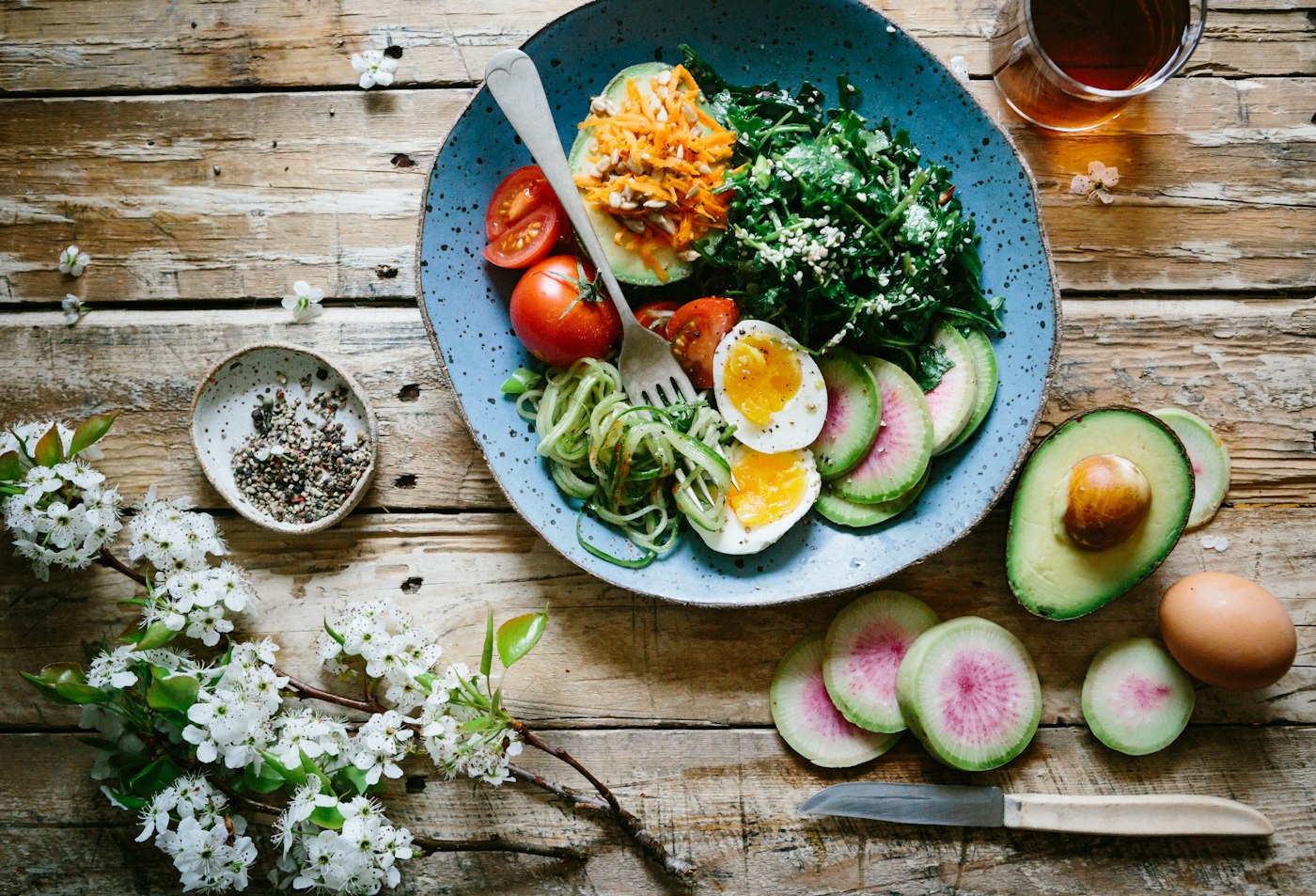
What you eat in the minutes and hours after training is critical for recovery, muscle growth, and your performance in your next session. Yet most Dubai gym-goers either skip post-workout nutrition entirely, drink an inadequate protein shake while sitting in traffic, or overcomplicate the process with myths about "anabolic windows" and supplement timing. This guide cuts through the science and gives you practical, Dubai-specific strategies for optimal post-workout eating.
The Post-Workout "Anabolic Window", What Science Actually Says
The original research suggested you had approximately 30-60 minutes after training to consume protein and carbs before the "window" closed and muscle building stopped. This panic-driven marketing led to powders sold at premium prices and gym culture obsessing over immediate post-workout nutrition.
Modern research is far more forgiving. Studies show that muscle protein synthesis remains elevated for 4-6 hours post-workout in trained individuals, and the anabolic window is much wider than previously believed. If you can't eat immediately after training, waiting 2-3 hours is not a disaster.
However, the distinction matters: while the broad window is long, nutrient uptake and protein synthesis are maximally elevated within the first 1-2 hours post-workout. For Dubai athletes with long commutes, this means prioritising getting a substantial meal rather than optimising the exact timing. A whole chicken and rice meal eaten 2.5 hours post-workout beats a small protein shake within 5 minutes.
- 0-90 minutes post-workout: Peak nutrient uptake, amino acids and glucose absorbed at highest efficiency
- 90 minutes to 4 hours: Still elevated but declining, eating here is still excellent, not emergency
- 4-6 hours: Muscle protein synthesis still elevated but approaching baseline
- Beyond 6 hours: Return to normal baseline protein synthesis, the window has closed
Protein: How Much, What Type, and Timing
Post-workout protein targets a single goal: provide amino acids to your muscles so they can repair and grow. Research is clear: you need 20-40 grams of complete protein containing adequate leucine (the amino acid that most directly signals muscle growth) per post-workout meal.
Protein Amount by Training Type
- Strength training session: 25-40g protein (high stimulus, high demand)
- Hypertrophy training (8-15 rep ranges): 25-35g protein
- Endurance or moderate training: 20-30g protein (lower mechanical tension)
- Cardio only: 15-20g protein (minimal muscle stimulus)
Protein Quality: Whey vs Whole Food
Whey protein isolate has an advantage: fast absorption and high leucine content. But whole foods are superior when available because they provide:
- Micronutrients (iron, B vitamins, minerals) missing in whey
- Additional calories for recovery (important if in caloric deficit)
- Better satiety, whole food keeps you full longer
- Fibre (in some whole foods like eggs with toast)
- Cost efficiency, grilled chicken costs less than whey per gram of protein
Best practice for Dubai: If you're at home or have access to food, eat whole food (grilled chicken, eggs, fish, labneh). If you're at the gym with a 30-minute commute and no food, use whey protein as a convenient option to meet your immediate protein goal, then eat a proper meal when you get home.
Carbohydrates After Training: Glycogen Replenishment & Timing
Carbohydrates post-workout serve two purposes: replenish the muscle and liver glycogen you depleted during training, and trigger an insulin response that supports nutrient absorption and muscle building.
Do You Always Need Carbs Post-Workout?
Short answer: it depends on your training and goal.
- High-volume strength/hypertrophy training: Yes, 40-80g carbs helps glycogen recovery, supports the next session
- Endurance training (running, cycling): Yes, mandatory for glycogen restoration
- Short resistance sessions (30-40 min): Modest carbs helpful but not critical
- Fat loss phase with moderate deficit: Carbs post-workout are okay but not necessary if your total carb intake is adequate
- Extreme fat loss (very low carbs): You can skip post-workout carbs without compromising muscle gain
For most Dubai gym-goers doing 60-90 minute strength sessions, including 30-60g of carbs post-workout (rice, bread, sweet potato, fruits) will optimise recovery and performance. The "carbs after training spike insulin" fear is outdated, the insulin response actually aids nutrient delivery to muscles.
Do Fats Slow Protein Absorption? (Address the Myth)
Common myth: eating fat after your workout slows protein absorption, reducing the anabolic effect.
Reality: Fat does slow gastric emptying (the rate food leaves your stomach), but this is actually beneficial post-workout. Slower digestion means more sustained amino acid delivery to your muscles over several hours. Eating chicken cooked in olive oil post-workout is not inferior to plain boiled chicken, it's identical for muscle building.
You don't need to avoid fats post-workout. A complete meal with fat, protein, and carbs (like shakshuka with bread) is excellent recovery nutrition. The myth originated from supplement company marketing trying to justify adding extra ingredients.
Complete Post-Workout Meal Ideas Available in Dubai
| Meal | Protein | Carbs | Availability |
|---|---|---|---|
| Grilled Chicken + Rice (200g chicken, 150g rice) | 45g | 58g | All gyms, restaurants, home |
| Shakshuka + Bread (3 eggs, sauce, 2 slices bread) | 28g | 45g | Most Dubai restaurants, breakfast spots |
| Protein Shake + Banana (30g whey, banana, milk) | 35g | 42g | Home gym, shake bars |
| Labneh + Pitta + Boiled Eggs (150g labneh, pitta, 2 eggs) | 32g | 35g | All supermarkets, delis |
| Tuna Can + Rice Cakes (1 can tuna, 3 cakes, olive oil) | 28g | 36g | Supermarket, portable |
| Fish Grilled + Sweet Potato (200g fish, 200g sweet potato) | 42g | 45g | Premium restaurants |
| Greek Yoghurt + Granola + Berries (300g yoghurt, 60g granola, berries) | 25g | 55g | All supermarkets |
| Cottage Cheese + Toast + Jam (200g cottage, 2 slices, jam) | 30g | 48g | Supermarkets (less common in UAE) |
🥗 Need Help with Your Overall Nutrition Strategy?
A Dubai sports nutritionist or personal trainer can design a complete meal plan tailored to your training split, goals, and lifestyle.
Dubai Challenge: Long Commutes from the Gym Mean Delayed Meals
Many Dubai gym-goers face 20-45 minute commutes during peak traffic (summer heat, post-work rush). By the time you get home, you're 1-2 hours post-workout and hungry. This is not a problem, your muscles can still absorb nutrients, but it requires a practical strategy:
Strategy 1: Eat at the Gym (Best If Available)
Most larger gyms in Dubai (Fitness First, Virgin Active, Blink) have cafés or protein shake bars. Getting a shake (25-30g protein) or a small meal immediately post-workout ensures you're not sitting in a traffic commute on an empty stomach. You can eat a larger meal at home 90 minutes later, total recovery is improved.
Strategy 2: Bring Portable Food
Pack a cooler bag with: boiled eggs, protein shake powder, Greek yoghurt, banana, or canned tuna. Eat something in your car immediately post-gym, then eat again at home. This keeps your metabolism engaged and prevents the energy crash many Dubai athletes experience.
Strategy 3: Accept the Delay, Eat Well When You Can
If you can't eat at the gym or carry food, eating a large, complete meal 2-3 hours post-workout is still excellent. Your muscles will still be in an anabolic state. The key: make it a substantial, high-protein meal (40g+ protein, adequate carbs) rather than a small snack.
Ramadan Post-Workout Nutrition: Training Before Iftar vs After Suhoor
Ramadan (fasting dawn to sunset) changes the timing equation entirely. Most Dubai athletes train either just before Iftar (breaking the fast) or in early morning after Suhoor (pre-dawn meal).
Training Before Iftar (Most Common)
You train at 4-5pm, then break your fast at sunset (~7pm). Break the fast with dates + milk (traditional) plus a protein source, then eat a full dinner 30-45 minutes later. This actually optimises the anabolic window, you'll have elevated nutrients right when your muscle protein synthesis is elevated.
- At Iftar (break fast): Dates, water, milk, start light
- 30 min later: Grilled chicken, rice, salad (full recovery meal)
- Later evening: Light snack if hungry (yoghurt, nuts)
Training After Suhoor (Early Morning)
You wake at 4am, eat Suhoor, train at 5-6am, then fast until Iftar. This is challenging, you'll be 12+ hours without food after training. Your body will be in a catabolic (muscle-breaking) state for most of the day. Minimise training intensity during Ramadan if following this schedule, and focus on maintaining muscle rather than building it.
Hydration Post-Workout: Water, Electrolytes, Coconut Water
Post-workout hydration is equally important as food. You've lost 1-3L of sweat depending on training intensity and Dubai's heat. Rehydration affects everything: nutrient absorption, muscle recovery, performance in your next session, and cognitive function.
Hydration Strategy
- Water alone is fine for sessions under 60 minutes
- Add electrolytes (sodium, potassium, magnesium) for sessions over 60 minutes or very hot conditions
- Coconut water provides natural electrolytes and carbs, excellent in Dubai (available at every supermarket)
- Sports drinks (Gatorade, Powerade) work but often contain excess sugar, dilute 1:1 with water
- Electrolyte tablets (NUUN, etc.) are convenient, affordable, and available in Dubai
Rule of thumb: drink 500-750ml of fluid for every kg of body weight lost during training. If you weigh 80kg and lose 2kg (2L of sweat), drink 1-1.5L of fluid with electrolytes post-workout.
The Pre-Sleep Meal for Muscle Recovery
If your post-workout meal is 3+ hours before sleep, eat a small, slower-digesting protein source 30-60 minutes before bed: casein protein powder, cottage cheese (rare in UAE), Greek yoghurt, or a small bowl of oatmeal with milk. This ensures amino acids are available during the 7-8 hours of sleep when muscle protein synthesis is naturally elevated.
You don't need a massive meal, 20-30g protein in a light meal (yoghurt with granola, protein pudding) is sufficient. The goal is consistent amino acid availability overnight.
5 Complete Post-Workout Meal Recipes with Macros
Recipe 1: Quick Shakshuka with Bread
Ingredients: 3 large eggs, 1 small can tomatoes (200g), 1 onion, garlic, olive oil, 2 slices whole grain bread
Macros: Protein 28g | Carbs 42g | Fat 16g | Calories ~430
Prep time: 10 minutes. Sauté onion and garlic in olive oil, add tomato sauce, poach eggs in sauce, serve with bread. Available at virtually every Lebanese/Mediterranean restaurant in Dubai.
Recipe 2: Tuna Rice Bowl
Ingredients: 1 can tuna (150g), 150g cooked white rice, 1 medium avocado, lime, olive oil, salt/pepper
Macros: Protein 32g | Carbs 56g | Fat 14g | Calories ~480
Prep time: 5 minutes (if rice is pre-made). Flake tuna over rice, add avocado, squeeze lime. Portable and keeps well in cooler bag.
Recipe 3: Grilled Chicken & Sweet Potato
Ingredients: 200g grilled chicken breast, 200g roasted sweet potato, 1 cup broccoli, olive oil, seasonings
Macros: Protein 45g | Carbs 48g | Fat 8g | Calories ~460
Prep time: 20 minutes (can meal prep). Classic bodybuilding meal, available at virtually all Dubai restaurants. Premium gyms offer this exact meal.
Recipe 4: Greek Yoghurt & Granola Power Bowl
Ingredients: 300g plain Greek yoghurt (0% fat), 60g granola, 100g mixed berries, 1 tbsp honey
Macros: Protein 25g | Carbs 58g | Fat 3g | Calories ~380
Prep time: 2 minutes. Mix and eat. Perfect if you're at home. Greek yoghurt is available at all UAE supermarkets.
Recipe 5: Protein Shake Plus
Ingredients: 1 scoop whey protein (30g), 1 medium banana, 250ml whole milk, 1 tbsp peanut butter, handful oats
Macros: Protein 38g | Carbs 52g | Fat 12g | Calories ~500
Prep time: 3 minutes. Blend all ingredients. If you can't eat solid food, this is your best option. More substantial than whey + water alone.
Protein Sources Available at Dubai Supermarkets: Cost Comparison
| Protein Source | Protein per Serving | Convenience |
|---|---|---|
| Eggs (1 dozen) | 6g per egg | Highest, boil in bulk |
| Chicken Breast (kg) | 31g per 100g | High, grill/bake |
| Greek Yoghurt (500g tub) | 10g per 100g | Highest, ready to eat |
| Whey Protein Powder (kg) | 25-30g per scoop | Highest, powder only |
| Canned Tuna (185g can) | 20g per can | Very high, portable |
| Labneh/Labne (400g tub) | 7g per 100g | High, ready to eat |
| Fish Fillet (kg) | 20-25g per 100g | Medium, requires cooking |
| Ground Beef (kg) | 21g per 100g | Medium, requires cooking |
💪 Build a Complete Recovery Plan
Post-workout nutrition is just one part. A Dubai personal trainer can design your complete recovery strategy including sleep, deload weeks, and nutrition timing.
Frequently Asked Questions
How long after workout should I eat?
Research shows the anabolic window extends 4-6 hours post-workout. For optimal recovery and performance, eating within 2-3 hours (or ideally within 60-90 minutes) ensures your muscles receive amino acids while nutrient uptake is elevated. For Dubai athletes with long gym commutes, waiting isn't detrimental, just prioritise getting a complete meal rather than rushing.
Do I need a protein shake or can I eat real food?
Real food is superior to protein shakes for muscle growth, satiety, and overall nutrition. Whole foods provide additional micronutrients, fibre, and minerals that whey alone cannot. If you're using a long commute as an excuse for delayed nutrition, bring real food (grilled chicken, boiled eggs, yoghurt) in a cooler bag. Shakes are convenient when you have no alternative, they're a backup, not the primary strategy.
What's the best post-workout meal in Dubai that's easy to get?
Shakshuka with bread, grilled chicken with rice from most gyms or nearby restaurants, or labneh + pitta + eggs (available everywhere in UAE) all work perfectly. Each provides 25-40g protein and adequate carbs. If you're at home: scrambled eggs with toast, Greek yoghurt with granola, or canned tuna with rice are quick and cost-effective. The best meal is one you'll actually eat consistently.
What about post-workout nutrition during Ramadan?
If training before Iftar (sunset), break your fast with protein and carbs, dates + milk + chicken, or a protein shake with banana. If training post-Suhoor, eat a proper meal at Iftar with adequate protein and slower-digesting carbs. Ramadan training requires fewer volume and intensity, prioritise recovery meals with electrolytes, water, and micronutrients over maximising muscle gain. Focus shifts to maintenance, not growth.