Your mind and body are inseparable. In Dubai's fast-paced environment—where long working hours, expat pressures, and intense heat create unique mental health challenges—exercise has become one of the most powerful tools for managing anxiety, depression, and stress. This guide explores the science behind how fitness transforms mental health and provides actionable strategies for Dubai residents.
If you're struggling with mental wellness, you're not alone. Mental health challenges affect millions of professionals in Dubai across all industries. The good news? Exercise is proven to be as effective as medication for many people, without the side effects. Whether you're new to fitness or already training regularly, understanding the connection between movement and mental health can transform your wellbeing.
Before diving into specific exercises and strategies, we recommend exploring our comprehensive Wellness & Recovery Guide, which covers the complete spectrum of mental and physical wellbeing in Dubai. This article focuses specifically on exercise as a mental health intervention.
Table of Contents
- The Science: How Exercise Improves Mental Health
- Beating Anxiety and Depression Through Movement
- Stress Relief: Dubai's Work Culture & Exercise
- Best Fitness Activities for Mental Health
- Dubai-Specific Challenges and Solutions
- Building a Sustainable Routine
- When to Seek Professional Support
- Frequently Asked Questions
The Science: How Exercise Improves Mental Health
Exercise isn't just good for your muscles—it's medicine for your brain. When you move, your body releases endorphins, serotonin, and dopamine: the neurochemicals responsible for mood regulation, motivation, and feelings of wellbeing. These aren't just feel-good chemicals; they're scientifically proven to reduce symptoms of depression and anxiety.
Research from the American Psychiatric Association shows that regular exercise can be as effective as antidepressants for mild to moderate depression. A meta-analysis of 218 studies found that exercise significantly reduced depression symptoms across all age groups. The key? Consistency matters more than intensity.
- Increases BDNF: Brain-Derived Neurotrophic Factor promotes new brain cell growth and improves memory
- Reduces cortisol: Lower stress hormone levels improve sleep, reduce anxiety, and enhance immune function
- Improves blood flow: More oxygen to the brain enhances cognitive function and mental clarity
- Promotes neuroplasticity: Exercise strengthens connections between brain cells, improving resilience to stress
- Regulates dopamine: Improved motivation, focus, and pleasure response
In Dubai's demanding work environment, many professionals experience high baseline cortisol (stress hormone). Exercise is one of the fastest ways to reset this. Even a single 20-minute workout can reduce cortisol levels measurably, improving your afternoon focus and evening mood.
Timeline: When You'll Notice Mental Health Improvements
- Within 24 hours: Immediate mood boost and better sleep quality
- 1-2 weeks: Reduced anxiety, improved energy, better stress response
- 4-6 weeks: Significant mood improvement, noticeable confidence boost
- 8-12 weeks: Depression symptoms may reduce by 30-50% with consistent exercise
Beating Anxiety and Depression Through Movement
Anxiety and depression manifest differently in Dubai's expat and local communities. Expat anxiety often stems from displacement, cultural adjustment, and visa uncertainty. Local anxiety may relate to family expectations, work pressure, or life transitions. In both cases, exercise provides a concrete, controllable action that restores agency and confidence.

Exercise for Anxiety
Anxiety thrives in stillness. Movement interrupts the anxiety cycle by:
- Burning off excess adrenaline that fuels panic attacks
- Engaging the parasympathetic nervous system (your body's calm response)
- Providing a sense of control and accomplishment
- Redirecting anxious thoughts toward a concrete goal
Best for anxiety: Rhythmic, continuous exercise like swimming, yoga, running, or cycling. These activities require present-moment focus, interrupting rumination. Yoga in Dubai has become particularly popular, with classes ranging from AED 60-150 per session at studios across Dubai.
If you feel an anxiety spike, do 10 minutes of high-intensity movement: jumping jacks, burpees, or sprints. This burns through stress hormones immediately. Many Dubai office workers use stairwell sprints or quick gym sessions during anxiety spikes.
Exercise for Depression
Depression drains motivation, making exercise feel impossible. The solution? Start absurdly small. A 10-minute walk counts. Five minutes of stretching counts. The goal isn't fitness; it's moving your body to trigger neurochemical changes.
Depression responds to progressive overload just like muscle growth. Week 1: 10-minute walks. Week 2: 15-minute walks plus 5 minutes of strength training. Week 3: 20-minute walks or a gym session. Gradual progression builds momentum without overwhelming you.
Exercise for depression also combats isolation, a major depression risk factor. Group classes, training partners, or gym environments force social connection—which is therapeutic in itself. Dubai's personal training community specializes in helping depressed individuals rebuild momentum through one-on-one accountability.
Stress Relief: Dubai's Work Culture & Exercise
Dubai's workplace culture is notoriously intense. Long hours, competitive environments, and the pressure to maintain a certain lifestyle create chronic stress that manifests as tension, poor sleep, and emotional exhaustion. Exercise is not a luxury for Dubai professionals—it's essential mental health maintenance.
The unique stressors in Dubai include:
- Visa dependency: Work is tied directly to residency, creating underlying anxiety
- Long working hours: 9-10 hour days are standard, disrupting work-life balance
- Expat isolation: Many residents live far from family and long-term support systems
- Cost of living: Pressure to maintain a certain standard makes financial stress acute
- Perfectionism culture: Both professional and personal expectations run high

The Lunchtime Workout Strategy
Many successful Dubai professionals use 20-30 minute lunchtime workouts as mental reset buttons. A quick gym session, swim, or yoga class accomplishes:
- Breaks the morning stress accumulation
- Returns you to afternoon work with improved focus and mood
- Reduces evening stress carryover and improves sleep
- Creates a non-negotiable mental health boundary
Ready to Transform Your Mental Health?
Whether it's your first workout or your hundredth, consistent exercise is one of the most effective mental health interventions available. Explore Dubai's best fitness options and start your journey toward better mental clarity today.
Best Fitness Activities for Mental Health
Not all exercise is created equal for mental health. The best activity is one you'll do consistently. That said, certain types of exercise provide particular mental health benefits:
1. Yoga and Mindful Movement (AED 60-150/class)
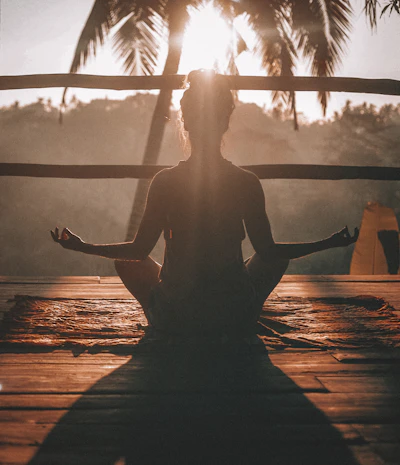
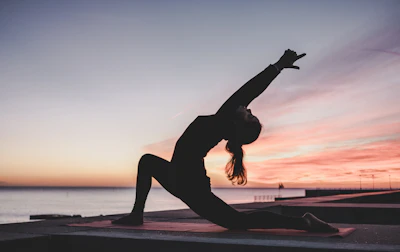
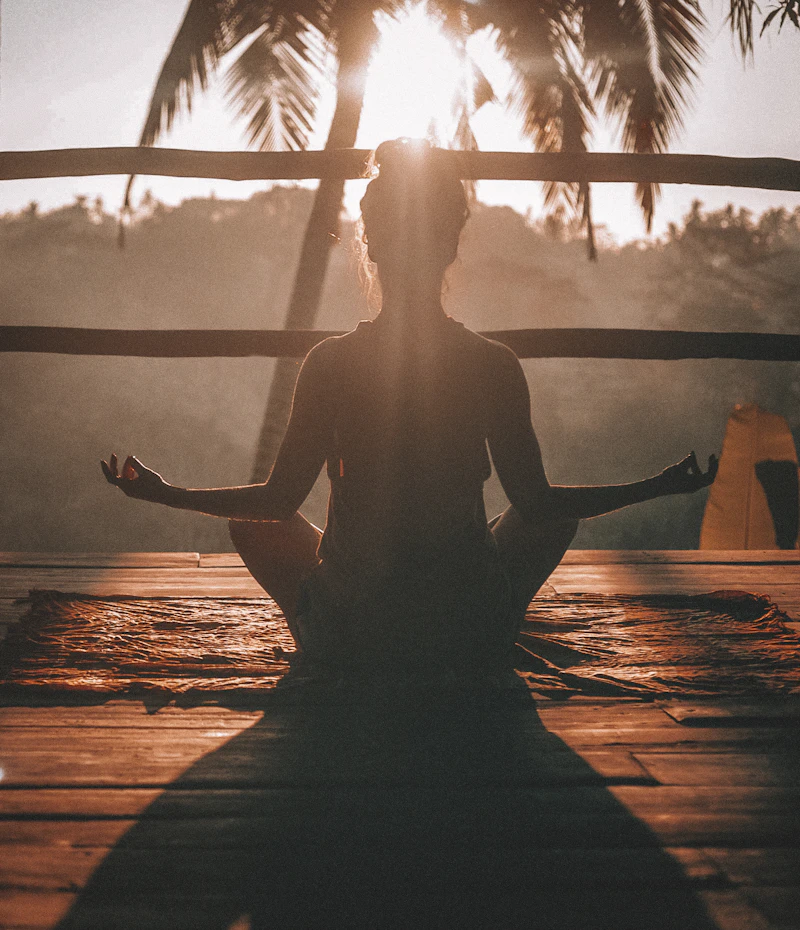
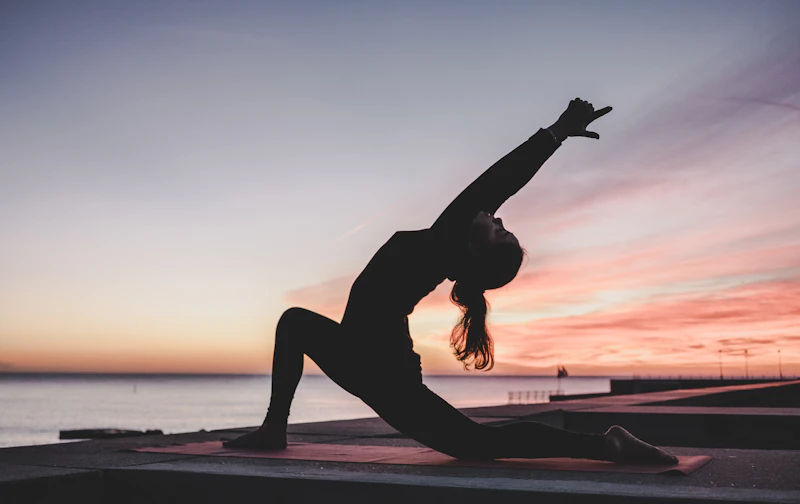
Yoga combines physical movement with breathing techniques and mindfulness—a triple threat for mental health. It reduces anxiety, improves emotional regulation, and provides a moving meditation. Dubai has excellent yoga studios, and meditation and mindfulness classes complement yoga perfectly.
Mental health benefits: Anxiety relief, improved body awareness, emotional regulation, reduced racing thoughts
2. Swimming
Water is naturally calming. Swimming combines cardiovascular exercise with the meditative benefits of rhythmic, repetitive movement. It's low-impact and cooling—crucial in Dubai's heat. Many therapists recommend swimming as a first-line intervention for anxiety.
Mental health benefits: Anxiety relief, full-body activation, meditative rhythm, cooling effect
3. Running or Outdoor Cardio
Running releases endorphins quickly and provides "runner's high"—a genuine neurochemical state. Outdoor running also provides nature exposure, which independently improves mental health. In Dubai, early morning (5-7 AM) runs along the beach or parks are ideal.
Mental health benefits: Acute mood boost, stress hormone reduction, improved sleep, sense of achievement
4. Strength Training / Resistance Exercise (AED 200-500/personal session)
Lifting weights isn't just for muscle building. Strength training reduces anxiety and depression as effectively as cardio. It also builds confidence through measurable progress. Personal trainers in Dubai can customize strength programs specifically for mental health benefits.
Mental health benefits: Confidence boost, stress relief, improved sense of control, measurable progress
5. Group Fitness Classes
Group exercise adds a social component, combating isolation. Whether it's spinning, HIIT, or dance cardio, classes provide accountability, motivation, and community—all therapeutic.
Mental health benefits: Social connection, accountability, fun atmosphere, sense of belonging
Best for Anxiety
- Yoga (mindfulness focus)
- Swimming (calming water)
- Walking (low pressure)
- Tai Chi (flow state)
Best for Depression
- Group classes (social)
- Strength training (achievement)
- HIIT (intense mood boost)
- Team sports (connection)
Dubai-Specific Challenges and Solutions
Dubai's climate and culture present unique fitness challenges that impact mental health routines:
Challenge 1: Extreme Heat (40-50°C in summer)
Impact: Heat exhaustion, dehydration, and reduced motivation make outdoor exercise dangerous and unpleasant from May to September.
Solution: Shift to indoor options like air-conditioned gyms (GymNation: AED 99-149/month, Fitness First: AED 350-500/month), indoor pools, and air-conditioned yoga studios. Early morning (5-7 AM) and evening (5-8 PM) outdoor exercise becomes viable as temperatures drop.
Swimming is particularly valuable—it's cooling, full-body, and meditative. Many Dubai residents maintain mental health through consistent swimming during summer months.
Challenge 2: Time Pressure and Long Work Hours
Impact: Dubai's demanding work culture makes exercise feel like a luxury, not a necessity. Professionals often sacrifice fitness (and mental health) for career advancement.
Solution: Reframe exercise as essential maintenance, not optional. Lunchtime workouts, early morning sessions, or even 15-minute home workouts count. Consistency matters more than duration. A 20-minute daily habit beats sporadic 2-hour sessions.
Challenge 3: Expat Isolation and Community Building
Impact: Many Dubai residents lack deep social connections, making isolation a major depression risk factor.
Solution: Choose group activities intentionally. Join wellness communities and retreats, find a gym buddy, or commit to classes at the same studio. The social structure becomes as therapeutic as the exercise itself.
Challenge 4: High Cost of Living
Impact: Premium fitness pricing in Dubai can create financial stress that undermines mental health benefits.
Solution: Budget-friendly options include home workouts (free on YouTube), running/walking in parks (free), and community gyms. You don't need expensive personal training (AED 200-500/session) to get mental health benefits. Consistency with budget options beats sporadic premium training.
Building a Sustainable Mental Health Exercise Routine
The best exercise program is one you'll actually do. Here's how to build a routine that works in Dubai:
Step 1: Choose an Activity You Actually Enjoy
Forget "best" exercises. You need an activity you'll do consistently. If you hate running, don't run. If you love swimming, swim. The mental health benefits come from consistency, not from suffering through the "right" exercise.
Step 2: Start Absurdly Small
Aim for 15-20 minutes, 3 times per week. This is achievable and provides measurable mental health benefits. You can always increase later. Many people fail by starting with unrealistic goals (1-2 hours daily) and burning out.
Step 3: Build Accountability
Schedule workouts like business meetings. Tell a friend. Hire a trainer. Join a class. External accountability dramatically improves consistency. A personal trainer provides structure, motivation, and someone who cares about your success.
Step 4: Track Progress (Non-Scale Victories)
Measure what matters for mental health:
- Sleep quality and duration
- Mood improvements (rate 1-10 daily)
- Anxiety episodes (frequency and severity)
- Energy and focus levels
- Social engagement
Physical metrics like weight and appearance matter far less than these mental health markers.
Link exercise to an existing routine: "After my morning coffee, I'll do 20 minutes of yoga" or "On my way to the office, I'll park at the beach and walk for 15 minutes." This "habit stacking" makes exercise automatic, not optional.
Step 5: Adapt for Dubai's Seasons
Summer (May-September): Indoor gyms, pools, air-conditioned studios, early morning runs
Winter (November-March): Perfect weather for outdoor activities—take advantage of morning and evening runs, beach workouts, and outdoor classes
Transitions (October, April): Gradually shift routines as temperatures change
When to Seek Professional Support
Exercise is powerful, but it's not a replacement for professional mental health care. You should work with a mental health professional if:
- You're having suicidal thoughts
- Depression or anxiety is preventing daily functioning
- You're experiencing significant isolation or hopelessness
- Symptoms don't improve after 4-6 weeks of consistent exercise
- You have a diagnosed mental health condition (diagnosis doesn't mean exercise can't help, but professional guidance is important)
Many Dubai residents successfully combine personal training with therapy. A trainer can help build the exercise habit; a therapist can address underlying thoughts and beliefs. Mobility and flexibility work also complements mental health therapy by releasing physical tension connected to emotional stress.
Dubai has excellent mental health professionals, including psychiatrists, psychologists, and counselors. Many expats and locals combine professional therapy (1-2 sessions/week) with consistent exercise (3-4 sessions/week) for optimal mental health.
Frequently Asked Questions
How much exercise do I need for mental health benefits?
The WHO recommends 150 minutes of moderate-intensity aerobic activity per week. However, even 20-30 minutes daily provides mental health benefits. In Dubai's heat, shorter, more frequent sessions often work better than long workouts. Consistency matters more than volume.
What's the best exercise for anxiety relief in Dubai?
Low-impact, rhythmic activities like yoga, swimming, walking, and tai chi work best for anxiety. Swimming is especially valuable in Dubai because it's cooling and provides meditative, full-body exercise. Yoga classes (AED 60-150/session) combine physical activity with mindfulness, which is ideal for anxiety management.
Can exercise replace therapy for depression?
Exercise is a powerful complementary tool for depression management but shouldn't replace professional therapy or medication when needed. Many Dubai residents combine personal training with counseling for best results. Always consult healthcare providers about your specific situation.
How does Dubai's heat affect mental health exercise?
Dubai's extreme heat (40-50°C in summer) can impact motivation and safety. Indoor options like air-conditioned gyms, swimming pools, and studio classes are preferable June-September. Early morning (5-7 AM) or evening (5-8 PM) outdoor exercise is safer during hot months. Winter months (November-March) provide perfect weather for outdoor workouts.
What exercise is best for work-related stress relief?
High-intensity interval training (HIIT), running, boxing, and strength training are excellent for acute stress relief. Many Dubai professionals use lunchtime workouts to reset mental clarity and reduce afternoon stress. Even 20-minute gym sessions significantly reduce cortisol and improve mood for 4-6 hours afterward.

Start Your Mental Health Fitness Journey Today
Your mental health deserves the same attention you give your career or finances. Exercise is one of the most proven, accessible ways to improve anxiety, depression, and stress. Start small, be consistent, and watch how movement transforms your mind.