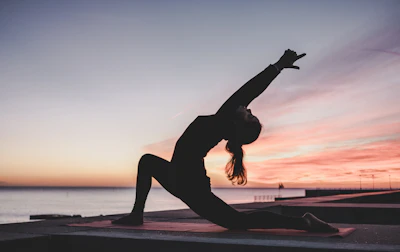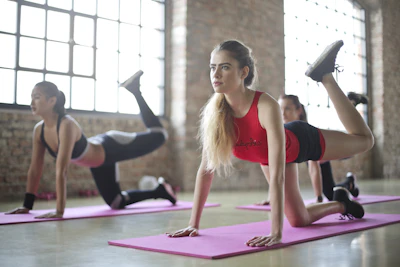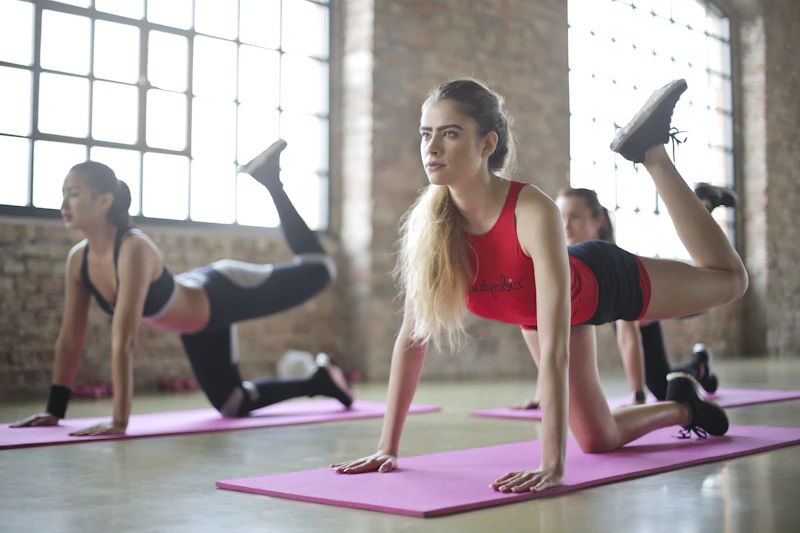
Mobility and flexibility training has become essential for Dubai's active population—from gym enthusiasts to desk workers. Whether you're recovering from training, managing a sedentary office lifestyle, or simply looking to improve your range of motion, stretching and mobility classes offer evidence-based benefits. This guide covers the best stretching programs, mobility coaching, and flexibility studios across Dubai, plus practical advice for building your own routine. Learn more about all aspects of wellness in our comprehensive wellness and recovery guide.
Table of Contents
- Why Mobility Training is Critical for Dubai's Active Population
- Static vs Dynamic Stretching: What's the Difference
- Best Mobility Classes in Dubai
- Foam Rolling and Self-Myofascial Release
- How to Build a Daily Stretching Routine
- Mobility for Desk Workers in Dubai
- Price Guide for Classes
- Finding the Right Coach
Why Mobility Training is Critical for Dubai's Active Population
Dubai's fitness culture has exploded over the past five years, with thousands of residents hitting the gyms regularly. However, many neglect flexibility work—and that's where injuries happen. Mobility training addresses the root cause of poor movement patterns, tight muscles, and compensation injuries.
Mobility isn't just about touching your toes. It's the combination of flexibility, stability, and movement quality in your joints. A runner might have tight hamstrings; a desk worker might have rounded shoulders; a weightlifter might lack thoracic spine rotation. Each requires targeted mobility work.
Key Benefits of Regular Mobility Work
- Injury Prevention: Tight muscles and limited range of motion increase injury risk during exercise. Regular stretching fixes imbalances before they become problems.
- Better Movement Quality: Improved mobility translates to better form in the gym, reducing joint stress and maximizing muscle engagement.
- Faster Recovery: Mobility work increases blood flow, reduces muscle soreness (DOMS), and accelerates adaptation from training.
- Reduced Chronic Pain: Tight muscles compress nerves and reduce blood flow. Stretching alleviates back pain, neck tension, and shoulder issues common in office workers.
- Better Posture and Alignment: Corrective mobility exercises counteract desk posture and restore neutral spine alignment.
- Enhanced Athletic Performance: Greater range of motion allows fuller muscle recruitment, stronger contractions, and better movement mechanics.
Dubai's climate also plays a role. The extreme heat means many residents either train early morning or late evening, with sedentary office hours in between. Mobility classes help counteract the postural damage from air-conditioned offices and prolonged sitting.
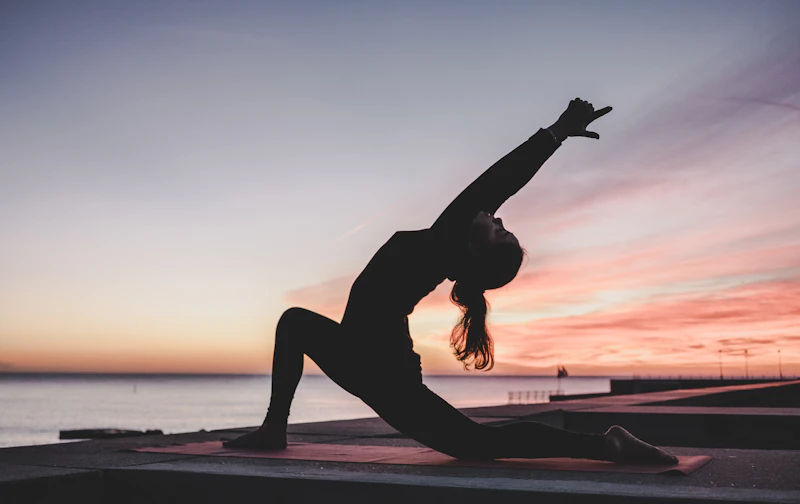
Static vs Dynamic Stretching: What's the Difference
Not all stretching is created equal. Understanding the difference between static and dynamic stretching helps you use each at the right time.
Static Stretching
Static stretching involves holding a stretch in a position for 15-60 seconds without movement. Examples include hamstring stretches, shoulder stretches, and quad stretches. Static stretching is best performed after training or during dedicated mobility sessions, never before intense exercise.
Benefits: Increases range of motion, reduces muscle tension, promotes relaxation, and improves flexibility over time.
Best used: Post-workout or as part of evening mobility classes. Avoid immediately before heavy lifting or sprinting, as it temporarily reduces muscle force production.
Dynamic Stretching
Dynamic stretching involves controlled movement through a range of motion—leg swings, arm circles, walking lunges, inchworms. These activate muscles while improving flexibility and preparing the nervous system for exercise.
Benefits: Improves movement quality, increases body temperature, activates stabilizer muscles, and prepares joints for training without reducing force output.
Best used: As part of your warm-up before training. A 5-10 minute dynamic warm-up is ideal before gym sessions or running.
Before training: Use dynamic stretching (leg swings, arm circles, bodyweight movements) to activate muscles and improve movement quality.
After training: Use static stretching (hold positions 30-60 seconds) to reduce muscle tension and improve long-term flexibility.
Best Mobility Classes in Dubai
Dubai has excellent options for structured mobility training. Whether you're looking for yoga, dedicated mobility coaching, or specialized flexibility classes, you'll find quality instructors and facilities.
Dedicated Mobility Studios
Several facilities in Dubai specialize in mobility and functional movement training. These studios focus specifically on improving range of motion, joint health, and movement quality—not just general fitness. Instructors here are often trained in corrective exercise, fascia release, and movement assessment.
Expect small class sizes (6-12 people), detailed form corrections, and personalized modifications. Sessions typically run 60-75 minutes and cost AED 100-150 for drop-ins, with monthly memberships ranging AED 400-600.
Yoga Studios with Yin and Restorative Classes
Traditional yoga studios across Dubai offer yin yoga and restorative classes perfect for mobility work. Unlike vinyasa or power yoga, yin classes hold poses for 3-5 minutes, targeting deep connective tissue and improving flexibility dramatically.
Popular studios include top-rated yoga centers throughout Dubai, many offering beginner-friendly options. Classes typically cost AED 80-120 per drop-in, with unlimited monthly memberships around AED 350-500.
Pilates for Core Stability and Mobility
Pilates is often overlooked for mobility, but it's excellent for building stable joints and improving movement quality. Mat pilates and reformer classes emphasize controlled movement through full ranges of motion. Check out pilates studios in Dubai for options that combine stretching with strength.
Transform Your Mobility in 2 Weeks
Most Dubai residents notice significant improvements in flexibility, pain reduction, and movement quality within just 2 weeks of consistent mobility work. Start with a mobility assessment and personalized program.
Foam Rolling and Self-Myofascial Release
Foam rolling—self-myofascial release—is one of the most practical mobility tools you can use at home. It releases tight fascia (connective tissue), improves blood flow, and reduces muscle tension without requiring an instructor.
How Foam Rolling Works
When you apply pressure to a tight muscle using a foam roller, you're releasing myofascial adhesions (knots and tight spots in muscle and fascia). This improves mobility, reduces soreness, and promotes muscle recovery. Scientific evidence supports foam rolling for reducing DOMS and improving range of motion, especially when combined with stretching.
Which Foam Roller Should You Buy?
- Standard Foam Roller (AED 80-150): 36-inch roller suitable for legs, back, and general use. Good starting point for most people.
- High-Density Foam Roller (AED 150-250): More durable, won't compress easily, better for heavier individuals and intensive use.
- Massage Balls (AED 50-120): Portable, perfect for targeting feet, calves, glutes, and shoulders. Can be used anywhere.
- Lacrosse Balls (AED 20-40): Cheap and effective for trigger point work on feet and tight areas.
Available at most sports stores in Dubai malls (Mall of the Emirates, Dubai Mall) and online retailers. Most people benefit most from a standard or high-density foam roller combined with massage balls for targeted work.
A Simple Foam Rolling Routine
Spend 1-2 minutes on each area, rolling slowly and pausing on tight spots:
- Calves: Roll from ankle to knee
- Quadriceps: Roll from above knee to hip
- IT Band (outside of thigh): This is often tight in runners—spend extra time here
- Glutes: Roll over the large muscle group on your hip
- Upper Back: Position the roller across your mid-back and roll between shoulder blades
- Lats: Lie on your side with the roller under your armpit and roll
Use a massage ball for feet, calves, and trigger points. Avoid rolling directly over bones, joints, or the lower back. Post-workout foam rolling (5-10 minutes) accelerates recovery, while evening foam rolling improves flexibility and reduces next-day soreness.
How to Build a Daily Stretching Routine
The best stretching routine is one you'll actually do. Most people struggle because they try complex 30-minute routines. Instead, start simple: even 10 minutes daily beats sporadic 60-minute sessions.
The Minimal Effective Dose: 10-Minute Daily Routine
This targets the most commonly tight areas and requires no equipment:
- Child's Pose (90 seconds): Stretches lower back, shoulders, and hamstrings. Great for starting your routine with deep breaths.
- Cat-Cow (60 seconds): Mobilizes the entire spine. Do 10-15 slow cycles, moving with your breath.
- Downward Dog Hold (60 seconds): Stretches hamstrings, calves, shoulders, and thoracic spine.
- World's Greatest Stretch (60 seconds): Combined stretch hitting lunge position, rotation, and thoracic mobility.
- Lying Glute Stretch (90 seconds each leg): Essential for desk workers. Cross one leg over the other and pull knee toward chest.
- Pigeon Pose (90 seconds each side): Deep hip opener, excellent for runners and gym-goers.
- Quad Stretch (60 seconds each leg): Stand and pull one foot toward glutes, keep knees together.
- Standing Shoulder and Lat Stretch (60 seconds each side): Reach one arm overhead and across your body, lean gently.
- Neck Stretches (30 seconds each direction): Gently tilt head side to side, then slowly turn.
Timing: Perform this routine at night or after training. Hold each stretch for the recommended time at mild tension—never pain. Do not bounce.
Progression: 20-Minute Routine
Once 10 minutes becomes easy, add foam rolling (5 minutes) and add additional poses like lizard pose, scorpion stretch, and thoracic rotations. Increase hold times to 60-90 seconds per stretch.
Frequency and Consistency
Stretching 5-7 days per week produces better results than longer sessions 2-3 times weekly. Your nervous system adapts to consistent, frequent mobility work. Even if you're busy, 10 minutes daily is better than skipping three days then trying to make up with a 30-minute session.
Perfect for busy professionals: Perform after work or before bed.
- Child's Pose: 90 seconds
- Cat-Cow: 10-15 cycles
- Downward Dog: 60 seconds
- World's Greatest Stretch: 60 seconds
- Glute Stretch: 90 seconds each side
- Pigeon Pose: 90 seconds each side
- Quad Stretch: 60 seconds each leg
- Shoulder/Lat Stretch: 60 seconds each side
Result: Most people report reduced back and neck pain, improved posture, and better sleep within one week of consistency.
Mobility for Desk Workers in Dubai
Dubai's office culture often means 8+ hours sitting in air-conditioned rooms. This creates predictable postural problems: rounded shoulders, anterior pelvic tilt, tight hip flexors, and thoracic spine stiffness. These issues compound over years, leading to chronic pain and limited range of motion.
The Desk Worker Mobility Crisis
Sitting shortens hip flexors, weakens glutes, and tightens the chest and shoulders. Your thoracic spine loses rotation. Your core becomes lazy. Your neck shifts forward. All of this is fixable with consistent mobility work.
Office-Specific Stretches (Can Do at Your Desk)
- Desk Chest Opener: Stand facing away from a desk, hands on desk behind you, lean forward gently. Hold 45 seconds.
- Seated Spinal Twist: Sit upright, cross one leg over the other, rotate toward the bent knee. Hold 45 seconds each side.
- Desk Hip Flexor Stretch: Place one foot on a low chair, lunge forward gently. Hold 60 seconds each leg.
- Shoulder Rolls and Stretches: Roll shoulders backward 10 times, then hold a door frame and lean gently to stretch shoulders. 30 seconds.
- Neck Mobility: Slowly tilt head forward, backward, side to side. Never jerk. 20 seconds each direction.
Do these 2-3 times daily at your desk, especially mid-morning and mid-afternoon when you feel tension building. Takes just 5-10 minutes total.

Corrective Classes for Office Workers
Many studios in Dubai now offer "office yoga" or "posture correction" classes specifically designed for desk workers. These 45-60 minute classes focus on stretching tight areas (chest, hip flexors, hamstrings) and strengthening weak areas (glutes, core, upper back). Cost is typically AED 90-130 per class, with packages available.
Consider also adding corrective personal training for a movement assessment to identify your specific imbalances.
Price Guide for Classes
Dubai's stretching and mobility class prices vary based on studio quality, instructor certification, and location. Here's what you can expect:
| Class Type | Drop-In Rate | Monthly Membership | Best For |
|---|---|---|---|
| Yoga Classes (General) | AED 75-110 | AED 350-500 | Flexibility & relaxation |
| Yin Yoga (Deep Stretching) | AED 80-120 | AED 400-550 | Mobility & recovery |
| Dedicated Mobility Classes | AED 100-150 | AED 400-600 | Corrective mobility work |
| Pilates (Mat) | AED 85-125 | AED 380-520 | Core & mobility combined |
| Pilates (Reformer) | AED 120-180 | AED 500-750 | Advanced mobility & strength |
| Private Mobility Session | AED 200-350 | AED 1,600-2,400 (8 sessions) | Personalized coaching |
| Corporate Mobility Class | AED 800-1,500/session | AED 6,000-12,000/month | Office team wellness |
- Budget-Conscious: Join a general yoga studio (AED 400-500/month) and supplement with home foam rolling and YouTube routines.
- Serious About Results: Combine monthly studio membership (AED 450) with 2-4 monthly private sessions (AED 800-1,200) for personalized guidance.
- Corporate Wellness: Many Dubai companies now budget for group mobility classes as part of employee wellness programs.
Finding the Right Coach
Not all mobility coaches are equal. Here's how to identify qualified instructors versus those with minimal training.
Essential Certifications
- Yoga Alliance (RYT-200 or RYT-500): Recognized yoga teacher certification, requires 200-500 hours of training.
- NASM Corrective Exercise Specialization (CES): Teaches movement assessment and corrective stretching for postural issues.
- ACE Health Coach or ISSCA Stretching Specialist: Specific flexibility and mobility credentials.
- Pilates Certification (NCPT, NASM-PES): For pilates-based mobility work.
- Physical Therapy Background: PT or DPT degree indicates deep anatomical knowledge.
Look for coaches who ask about your goals, injuries, and movement limitations before prescribing stretches. Generic "stretch everyone the same way" approaches are ineffective.
Red Flags
- No certifications listed or unclear qualifications
- Pushing overly aggressive stretches (pain ≠ gains in mobility)
- No movement assessment or intake form
- Ignoring your specific limitations or injuries
- Overpromising results ("guaranteed flexibility in 2 weeks")
Questions to Ask Before Booking
- What certifications do you hold? (Ask for specifics, not just "yoga certified")
- What's your experience with [your specific issue]? (e.g., desk worker posture, runner tightness)
- Will you do a movement assessment before designing my program?
- How do you modify stretches for injuries or limitations?
- What's your philosophy on stretching intensity and progression?
Book a trial session before committing to a package. You'll quickly know if the coach is right for you.
Related Wellness Services
Mobility work often pairs well with other recovery modalities. Consider combining stretching classes with physiotherapy for injury rehabilitation, sports massage for muscle recovery, cryotherapy for inflammation reduction, or strength training programs that include proper warm-ups and cool-downs.
Get a Personalized Mobility Assessment
A 30-minute movement assessment identifies your specific tightness patterns, muscle imbalances, and optimal stretching strategy for your body and lifestyle.
Frequently Asked Questions
How long does it take to see results from stretching?
Most people notice improved flexibility and reduced muscle tension within 1-2 weeks of consistent daily stretching. Significant changes in range of motion typically appear after 4-6 weeks. Consistency matters more than intensity.
Can stretching replace strength training?
No. Stretching improves flexibility and mobility, but doesn't build muscle or strength. Combine stretching with strength training for complete fitness. A balanced program includes both.
Is it bad to stretch before a workout?
Long static stretches before intense training can temporarily reduce force production. Instead, use 5-10 minutes of dynamic stretching (leg swings, arm circles, moving lunges) as part of your warm-up.
Should I stretch if I'm injured?
Gentle mobility work can help recovery, but consult a physiotherapist first. Some injuries require protection rather than stretching. A professional can design safe, rehab-focused mobility work.
Do I need expensive equipment for mobility training?
No. Most effective stretches use bodyweight only. Foam rollers (AED 100-150) and massage balls (AED 50-80) are cheap and helpful, but not essential. Focus on consistency with basic stretching first.