Recovery is where the magic happens. While training builds the foundation, wellness practices and proper recovery allow your body to adapt, strengthen, and perform. In Dubai, where the intensity of fitness culture meets extreme heat and demanding schedules, a comprehensive recovery protocol isn't optional—it's essential. For more, browse our massage and recovery directory with verified Dubai coaches and pricing.
In This Guide
- Why Recovery Is the Missing Piece of Your Dubai Fitness Routine
- Massage Therapy in Dubai: Types, Benefits and Prices
- Physiotherapy in Dubai: When to See a Physio
- Cryotherapy and Ice Bath Recovery in Dubai
- Meditation and Mindfulness: Dubai's Growing Wellness Scene
- Stretching, Mobility and Flexibility Training
- Sleep Optimization for Dubai Professionals
- Nutrition for Recovery: What Dubai Athletes Eat
- Mental Health and the Fitness-Mind Connection
- Building Your Personal Recovery Protocol
- Price Guide: Wellness Services in Dubai
- How to Find Vetted Wellness Professionals
Why Recovery Is the Missing Piece of Your Dubai Fitness Routine
Most people focus obsessively on their training—the weights they lift, the kilometers they run, the classes they attend. But here's the truth: you don't get stronger during your workout. You get stronger during recovery. When you train, you create micro-tears in muscle fibers and stress your nervous system. Recovery is when your body repairs these tissues, builds new muscle, and adapts to the stimulus you've provided.
In Dubai, the context makes recovery even more critical. The UAE's climate puts constant physiological stress on your body. Summer temperatures exceeding 50°C force your cardiovascular system to work harder just to cool you down. The low humidity dehydrates you rapidly, affecting muscle function and recovery capacity. For expats and frequent travelers, jet lag disrupts circadian rhythms and sleep quality, further compromising recovery. And the fast-paced Dubai lifestyle—long work hours, early morning gym sessions, evening social commitments—leaves many fitness enthusiasts in a state of chronic underfueling and sleep debt.
Research from the American College of Sports Medicine shows that inadequate recovery increases injury risk by up to 40%. Athletes who prioritize recovery instead of just training volume see improvements in strength, speed, and endurance faster than those who don't. One study found that professional athletes who received regular massage therapy reduced muscle soreness by 30% and returned to peak performance 15% faster than those who didn't.
In Dubai, where you can train year-round and where the fitness community is intensely motivated, the temptation to overtrain is real. But the professionals—the athletes who compete at high levels, the long-term fitness enthusiasts who stay injury-free into their 50s and 60s, the trainers and coaches who maintain peak condition—they all have one thing in common: they take recovery seriously. They understand that the investment in wellness services, proper sleep, nutrition, and mindfulness isn't a luxury. It's foundational.
In Dubai's intense heat and demanding lifestyle, recovery directly impacts both injury prevention and performance gains. Athletes who invest 20-30% of their fitness effort into recovery see measurably better results than those who focus only on training.
Massage Therapy in Dubai: Types, Benefits and Prices
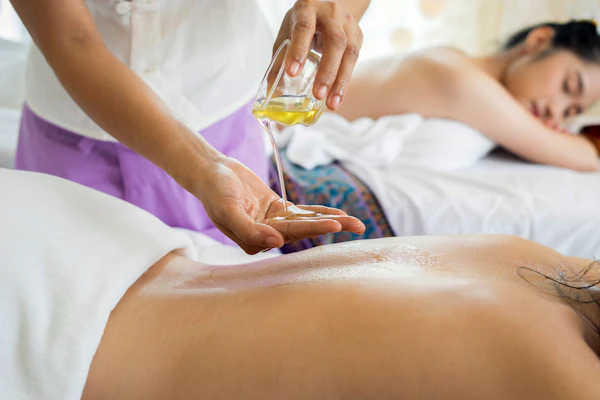
Massage is one of the oldest wellness practices, used by elite athletes and fitness enthusiasts worldwide. In Dubai, the massage therapy market is sophisticated and diverse, ranging from luxury spa experiences to clinically-focused sports massage facilities. Understanding the different types helps you choose the right modality for your needs.
Swedish Massage
Swedish massage uses long, flowing strokes to increase circulation and promote relaxation. It's excellent for stress relief and general tension, making it ideal for recovery days or when you need mental decompression. In Dubai, Swedish massage typically costs AED 200-320 per 60-minute session. Many spas and wellness centers offer this as their foundation therapy. Monthly packages range from AED 900-1,400 for twice-weekly sessions.
Deep Tissue Massage
Deep tissue therapy targets muscle tension and trigger points more aggressively than Swedish massage. The therapist works deeper into muscle layers to release chronic tension. This style is perfect if you spend hours at a desk or carry stress in your shoulders and neck. Expect to pay AED 300-500 per session in Dubai. Monthly packages run AED 1,300-2,000. Be warned: deep tissue can be uncomfortable during the session, and you may feel soreness for 24-48 hours afterward, which is normal.
Sports Massage
Sports massage is specifically designed for athletes and highly active individuals. Therapists trained in sports massage understand muscle anatomy and biomechanics. They can target specific muscle groups affected by your sport—quadriceps if you're a runner, shoulders if you're a swimmer, hamstrings if you're a cyclist. Sports massage can be therapeutic (addressing current tension or injury) or preventative (preparing muscles before competition). In Dubai's competitive fitness community, sports massage is increasingly popular. Sessions cost AED 280-450, with monthly athlete packages at AED 1,200-1,800. Many athletes in Dubai do weekly sports massage during heavy training cycles and bi-weekly during maintenance phases.
Thai Massage
Thai massage combines acupressure, stretching, and energy work. The therapist uses their thumbs, elbows, and even feet to apply pressure and guide you through assisted stretches. It's exceptionally effective for mobility and can feel like a hybrid of massage and stretching. Thai massage in Dubai ranges from AED 220-400 per session depending on the venue. It's less common than Swedish or sports massage but increasingly available at specialized wellness centers.
Aromatherapy Massage
Essential oils enhance the massage experience, providing both psychological and physiological benefits. Lavender promotes relaxation, peppermint energizes, eucalyptus helps clear sinuses. Aromatherapy massage costs AED 240-400 in Dubai and is popular among those seeking a more holistic, spa-like experience. The psychological component—the scent, the ambiance—contributes to recovery beyond the physical tissue work.
How to Choose a Massage Therapist
Look for these indicators of quality: licensed or certified therapists (check their credentials), clean and professional facilities, therapists who ask about your goals and any injuries before starting, and reviews from other clients highlighting specific positive outcomes. A good therapist will listen to your feedback during the massage and adjust pressure accordingly. Don't just book the cheapest option—under-qualified therapists may cause injury rather than healing.
For detailed guidance on finding the best therapists in Dubai, read our complete guide: Best Massage Therapists in Dubai 2026: Reviews & Top Recommendations
For athletes specifically seeking sports massage, see: Sports Massage for Athletes in Dubai: Recovery, Prices & Top Providers
Ready to Book a Recovery Session?
Browse verified massage therapists, physiotherapists, and wellness professionals in your Dubai area. Connect with experts who understand athletic recovery.
Physiotherapy in Dubai: When to See a Physio
While massage addresses muscle tension and promotes relaxation, physiotherapy is clinical rehabilitation. A physiotherapist (or physical therapist) is a licensed healthcare professional with university-level training in anatomy, biomechanics, and therapeutic exercise. They assess, diagnose, and treat injuries, movement dysfunctions, and chronic pain.
When You Need a Physiotherapist
See a physiotherapist if you have: active pain that doesn't resolve with rest, swelling or bruising that persists, reduced range of motion, weakness in a limb, history of injury in an area, chronic pain from previous injuries, or movement dysfunction (limping, compensating on one side, etc.). After injury, a physio can accelerate recovery and prevent complications. In Dubai's fitness scene, many athletes work with physiotherapists preventatively—getting assessments to identify movement patterns that could lead to injury.
What to Expect in a Session
Your first visit is comprehensive. The therapist takes a detailed history: when did the problem start, what makes it better or worse, what are your goals. Then they perform physical tests—checking your range of motion, strength, pain levels, and movement patterns. They may use diagnostic techniques like palpation (feeling the tissues) or specialized tests. Based on this assessment, they create a treatment plan. Sessions typically include hands-on techniques (mobilization, soft tissue work), therapeutic exercises, and a home program you do between appointments.
Physiotherapy vs. Massage
Many people confuse these because both address musculoskeletal issues. The key difference: massage therapists focus on soft tissue manipulation for relaxation and basic tension relief. Physiotherapists diagnose and treat dysfunction, injury, and chronic conditions through exercise prescription, movement retraining, and clinical manual techniques. If you have an injury or ongoing pain, physiotherapy is more appropriate. If you're healthy and seeking relaxation and maintenance, massage is sufficient.
Cost and Duration
Physiotherapy in Dubai costs AED 250-600 per session depending on the therapist's experience and facility. Private physios and boutique clinics tend toward the higher end. Your insurance may cover physiotherapy—check your policy. Treatment courses vary: acute injuries might need 6-10 sessions, while chronic conditions can require ongoing management. Many athletes in Dubai see a physio once weekly during rehabilitation, then transition to bi-weekly or monthly check-ins for prevention.
Learn more: Complete Guide to Physiotherapy in Dubai: Finding the Right Practitioner
Cryotherapy and Ice Bath Recovery in Dubai
Cryotherapy—exposure to extreme cold—is a recovery tool increasingly used by elite athletes. The theory: cold reduces inflammation, decreases muscle soreness, and accelerates recovery. In Dubai's fitness scene, cryotherapy has gained traction as a premium recovery modality. Let's examine what it actually does and whether it's worth the investment.
How Cryotherapy Works
Whole-body cryotherapy (WBC) chambers expose your body to temperatures between -100°C and -200°C for 2-4 minutes. The extreme cold triggers vasoconstriction (blood vessels narrow), which reduces blood flow to muscles. Once you exit the chamber, your body rapidly warms up, causing vasodilation (blood vessels expand), which increases nutrient-rich blood flow. This physiological response reduces inflammation and accelerates recovery. Ice baths, the more accessible cousin, involve immersing yourself in 10-15°C water for 10-15 minutes, achieving a similar (though less dramatic) effect.
Benefits and Research
Studies show cryotherapy can reduce delayed-onset muscle soreness (DOMS) by 15-30% when used immediately post-workout. It may decrease inflammation markers in the blood. Elite athletes and sports teams use it regularly. However, some research suggests that complete inflammation avoidance isn't optimal—some inflammation is necessary for muscle adaptation. The sweet spot appears to be using cryotherapy for high-impact training or competing, but not immediately after strength training where you want adaptive inflammation.
Cryotherapy in Dubai: Costs and Locations
Whole-body cryotherapy sessions cost AED 150-350 in Dubai depending on the facility and package. Monthly packages (8-12 sessions) range from AED 600-1,400. Facilities are concentrated in Marina, Downtown Dubai, and Al Barsha. High-end sports medicine clinics and luxury fitness centers often have cryo chambers. Ice baths are cheaper to DIY at home (cold water, ice, 15 minutes) but less extreme. Some luxury gyms and sports facilities offer ice baths free or at modest cost.
Is It Worth It?
Cryotherapy works best as part of a comprehensive recovery protocol. On its own, it won't make a dramatic difference. But if you're training intensely, competing, or recovering from injury, adding cryo 2-3x per week can provide measurable benefit. Most athletes in Dubai use it strategically—not after every workout, but after heavy sessions or in competition phases. For general fitness maintenance, investing in sleep quality, nutrition, and massage may give better return on your wellness budget.
Meditation and Mindfulness: Dubai's Growing Wellness Scene
Physical recovery matters, but mental recovery is equally crucial. Meditation and mindfulness practices reduce stress, lower cortisol (the primary stress hormone), improve sleep, and enhance emotional resilience. In Dubai's high-pressure environment—where expats often live far from family, where business culture is intense, where the pace of change is rapid—these practices offer profound benefits.
Why Meditation Matters for Athletes
Elite athletes understand that the mind directs the body. Meditation improves focus, reduces performance anxiety, accelerates mental recovery after intense effort, and enhances body awareness (crucial for injury prevention). Studies show that athletes who meditate have lower resting heart rate variability (a marker of recovery), reduced injury rates, and better competitive performance. In Dubai's competitive fitness community, meditation is moving from fringe practice to mainstream recovery tool.
Types of Meditation Practices
Guided Meditation involves listening to a voice guide you through a meditation session (10-30 minutes). Topics range from general relaxation to sleep preparation to focus enhancement. Popular apps include Calm, Headspace, and Insight Timer. Many Dubai studios also offer guided group meditations.
Breathwork (pranayama) uses specific breathing patterns to calm the nervous system. Box breathing (4-4-4-4: inhale for 4, hold for 4, exhale for 4, hold for 4) is simple and powerful, instantly lowering stress. Many Dubai yoga studios teach specialized breathwork classes. Even 5 minutes of intentional breathing before bed dramatically improves sleep quality.
Yoga Nidra is "yogic sleep"—a guided meditation where you lie down and follow instructions to progressively relax your body. Unlike regular meditation (where you sit), yoga nidra feels like guided sleep. 30 minutes of yoga nidra provides recuperation equivalent to 2-3 hours of sleep. It's exceptional for recovery and stress relief.
Body Scan Meditation involves systematically focusing attention on different body parts, noticing sensations without judgment. This builds body awareness, reduces tension patterns, and prepares you for sleep. Ideal for athletes because it helps identify areas of chronic tension before they become injuries.
Meditation Costs in Dubai
Group meditation classes in Dubai studios cost AED 80-150 per session. Many studios offer class packages (8-12 sessions) at AED 400-800. Private meditation instruction costs AED 200-400 per session. Meditation apps like Calm and Headspace cost about AED 30-50/month (often available at discounts). Given the cost, many people start with apps, then supplement with occasional group classes for community and deeper instruction.
More on meditation in Dubai: Meditation and Mindfulness in Dubai: Classes, Studios & Practices
Stretching, Mobility and Flexibility Training
Stretching and mobility work is the often-forgotten pillar of recovery. While massage and meditation get attention, dedicated flexibility training directly improves recovery, prevents injury, and enhances performance. Many Dubai fitness enthusiasts skip stretching to fit in more training, which ironically increases injury risk and slows progress.
Active vs. Static Stretching
Active stretching means you move into the stretch and hold it gently (15-30 seconds). Static stretching is deep stretching where you find a point of mild tension and hold it for 30+ seconds. Post-workout, static stretching is beneficial. Pre-workout, dynamic stretching (controlled movement through range of motion) is safer because it warms muscles without reducing power output.
Mobility Training
Mobility is broader than flexibility—it's the combination of strength and flexibility in a joint. You can be flexible but weak in a position (bad), or strong throughout your range of motion (good). Mobility work includes foam rolling (soft tissue self-massage), dynamic stretching, yoga, and specialized mobility exercises. This is crucial for long-term injury prevention, especially in a city where many people work desk jobs and then train intensely.
Structured Flexibility Classes
Dubai offers dedicated stretching and mobility classes: yoga studios, specialized stretching clinics, and mobility coaching through personal trainers. Group classes cost AED 150-250, with monthly packages at AED 600-1,000. Professional athletes in Dubai often work with mobility specialists who design personalized programs addressing their specific limitations. If you have significant mobility restrictions (which many desk workers do), a few sessions with a mobility specialist can teach you a sustainable home program.
Related: Stretching and Mobility Classes in Dubai: Find Your Flexibility Studio
Sleep Optimization for Dubai Professionals
Sleep is where the deepest recovery happens. During sleep, your body releases growth hormone, repairs tissue damage, consolidates memories, and resets stress hormones. Most adults need 7-9 hours per night, but many Dubai residents average 5-6 hours due to work demands, early gym sessions, and late-night socializing. This chronic sleep debt is perhaps the single biggest recovery saboteur.
Dubai's Sleep Challenges
Heat: Sleeping in a room above 22°C reduces sleep quality. Many people keep AC aggressive, but the dry air that results can disrupt sleep. Optimal: 18-20°C with moderate humidity.
Light pollution: Dubai's street lights and building lights shine into bedrooms. Blackout curtains are essential. Even small light sources (phone, alarm clock) reduce melatonin production.
Jet lag: Expats and frequent business travelers struggle with circadian disruption. It takes approximately one day per hour of time zone change to adjust. Someone traveling from Europe to Dubai (4-6 hour difference) needs a week to fully adjust.
Early training: Many Dubai fitness enthusiasts train at 5-6 AM to avoid heat. Early waking doesn't align with natural circadian rhythm, requiring very early bedtimes (9-10 PM) to get adequate sleep.
Sleep Optimization Strategies
Prioritize sleep as seriously as training. Create a dark, cool bedroom (18-20°C, blackout curtains, white noise if needed). Stop screen time 60 minutes before bed—blue light suppresses melatonin. Avoid caffeine after 2 PM (its half-life is 5 hours). Avoid alcohol and large meals before bed. Consistent sleep schedule (same bedtime and wake time) is more important than total hours. For jet lag, light exposure is powerful: get morning sun when arriving in a new timezone to reset your circadian clock. Magnesium supplementation (300-400mg before bed) often improves sleep quality.
See also: Sleep Optimization for Dubai Professionals: Quality Rest in the Heat
Nutrition for Recovery: What Dubai Athletes Eat
You can't out-recover a bad diet. Proper nutrition is the foundation supporting all other recovery modalities. Muscles repair from the amino acids in protein, inflammation is modulated by dietary micronutrients, and energy systems depend on carbohydrate timing. In Dubai, where eating out is common and processed foods are readily available, nutrition becomes even more critical.
Protein for Muscle Recovery
Your muscles repair using amino acids from dietary protein. After training, consume 20-40g of protein within a few hours. The exact timing is less important than total daily protein—aim for 1.6-2.0g per kilogram of body weight daily. This might mean 120-160g for a 75kg person. Protein sources in Dubai: chicken, fish, beef, eggs, Greek yogurt, protein powder, legumes. Variety ensures you get different micronutrient profiles.
Carbohydrates and Inflammation
High-intensity training depletes muscle glycogen. Carbohydrates replenish it. More importantly, refined carbohydrates and excessive sugar increase inflammation, directly compromising recovery. In Dubai, with access to high-quality produce, prioritize: whole grains, oats, quinoa, sweet potatoes, fruit, and vegetables. Minimize: white bread, pastries, added sugars, processed foods.
Anti-Inflammatory Foods
Foods that reduce inflammation support recovery: fatty fish (salmon, mackerel) rich in omega-3 fatty acids, berries high in anthocyanins, turmeric containing curcumin, ginger, green tea, nuts, olive oil. In contrast, processed oils, excess sugar, and processed meats increase systemic inflammation. Professional athletes in Dubai often work with sports nutritionists who create individualized protocols—not generic meal plans, but specific recommendations based on their training, goals, and preferences.
Hydration in Dubai's Heat
Dehydration impairs recovery by reducing nutrient delivery to muscles. In Dubai's heat, thirst is an unreliable indicator. Many people lose 2-3L of sweat in a single training session. A practical approach: weigh yourself before and after training. Each kilogram lost is roughly one liter of fluid. Rehydrate with that volume (plus 25% extra) over the next few hours. Add electrolytes if sweating heavily. Plain water is sufficient for sessions under 60 minutes; for longer efforts, sports drinks with carbohydrates and electrolytes improve recovery.
Learn more: Sports Nutrition for Athletes in Dubai: Meal Plans, Timing & Recovery Foods
Mental Health and the Fitness-Mind Connection
Mental health isn't separate from physical recovery—they're deeply intertwined. Chronic stress, anxiety, and depression impair physical recovery by elevating cortisol, disrupting sleep, and reducing immune function. Conversely, regular exercise is one of the most effective treatments for anxiety and depression. In Dubai's high-pressure environment, this connection matters intensely.
Exercise as Mental Health Treatment
Research consistently shows that 30 minutes of aerobic exercise is as effective as many antidepressants for mild to moderate depression. Exercise increases endorphins (natural mood elevators), improves sleep quality, provides a sense of accomplishment, and offers time away from stressors. For anxiety, physical activity reduces the physical tension and nervous system activation. Many Dubai fitness enthusiasts report that training is their primary mental health tool—it regulates mood, reduces stress, and provides structure and community.
The Danger of Overtraining
However, excessive training without adequate recovery can worsen mental health. Overtraining increases cortisol chronically, can trigger depression and anxiety, disrupts sleep, and creates psychological pressure. The balance—challenging training combined with genuine recovery—is optimal. This is where many Dubai fitness enthusiasts struggle. The culture celebrates intensity and volume, sometimes at the cost of mental wellbeing.
Stress Management and Recovery
Stress management techniques directly enhance physical recovery. Meditation, breathwork, yoga, and counseling all lower cortisol and activate the parasympathetic nervous system (the "rest and digest" state). In Dubai, therapy and counseling are increasingly accepted and accessible. Many employers offer Employee Assistance Programs (EAP) providing confidential counseling. Combining physical training with mental health support creates comprehensive wellness.
Read more: Mental Health and Fitness in Dubai: How Exercise Supports Emotional Wellbeing
Book a Recovery Session Today
Whether you need massage therapy, physiotherapy, meditation classes, or specialized wellness coaching, GetFitDXB connects you with vetted professionals across Dubai. Start your comprehensive recovery protocol now.
Building Your Personal Recovery Protocol
Recovery isn't one-size-fits-all. A protocol that works for an ultra-endurance athlete might be excessive for someone training 4x weekly for general fitness. Here's how to build a personalized recovery system:
Step 1: Assess Your Training Volume and Intensity
How many hours per week do you train? How intense are these sessions? Are you competing or training for general fitness? Professional athletes training 10+ hours weekly need intensive recovery. Recreational athletes training 5 hours weekly need moderate recovery. The recovery investment should scale with training demand.
Step 2: Identify Your Recovery Gaps
Most people are strong in one recovery area but weak in others. You might be great at sleep but skip stretching. Or you meditate daily but neglect nutrition. Identify your weaknesses. This is often where you'll see the biggest gains—improving your worst area yields better results than optimizing your best area.
Step 3: Build a Sustainable Weekly Protocol
Example for someone training 6 hours weekly (3x strength, 3x cardio):
- Sleep: Consistent 7.5 hours nightly (non-negotiable foundation)
- Stretching/Mobility: 15 minutes daily post-training, plus one dedicated 45-minute mobility session weekly
- Meditation/Mindfulness: 10 minutes daily (app-based), one group class monthly
- Massage: One sports massage monthly (acute tension) or one Swedish massage every 2 weeks (general maintenance)
- Nutrition: Protein with every meal (20-40g), emphasis on whole foods, proper hydration
- Mental health: Social connection (training with others, community), journaling or reflection 2x weekly
This protocol costs roughly AED 400-600 monthly (depending on massage frequency) plus the time investment of 15-20 minutes daily. Contrast this to potential costs of injury rehabilitation (often AED 5,000+) or burnout-driven quit decisions, and it's clearly profitable.
Step 4: Periodize Your Recovery
Recovery needs change with your training phase. During heavy training phases (preparation or competition), increase recovery investment. During lighter phases (base building or deload weeks), less is needed. Many professional athletes in Dubai increase massage and physiotherapy frequency during competition season, then maintain lighter recovery protocols during off-season.
Active Recovery Days
Build one-two active recovery days weekly into your training schedule. These are low-intensity days: easy walk or swim, yoga, mobility work, stretching. Active recovery promotes blood flow and facilitates adaptation without creating additional stress. Many people skip these days thinking they're wasting time—actually, they're optimizing the entire system.
Price Guide: Wellness Services in Dubai
Here's a comprehensive pricing snapshot for major wellness services in Dubai as of March 2026. Prices vary by provider quality, location, and facility tier.
| Service | Per Session | Monthly Package | Notes |
|---|---|---|---|
| Swedish Massage | AED 200-320 | AED 900-1,400 | Relaxation-focused, best for stress relief |
| Sports Massage | AED 280-450 | AED 1,200-1,800 | Athletic-specific, for recovery and injury prevention |
| Deep Tissue Massage | AED 300-500 | AED 1,300-2,000 | Addresses chronic tension, can be uncomfortable |
| Thai Massage | AED 220-400 | AED 950-1,700 | Combines pressure and assisted stretching |
| Aromatherapy Massage | AED 240-400 | AED 1,000-1,700 | Includes essential oils for enhanced relaxation |
| Physiotherapy | AED 250-600 | AED 1,000-2,400 | Clinical rehabilitation, diagnosis-based |
| Cryotherapy (WBC) | AED 150-350 | AED 600-1,400 | 3-minute whole-body cold exposure sessions |
| Meditation Classes | AED 80-200 | AED 350-800 | Group or private instruction, studio or app |
| Yoga Classes | AED 100-250 | AED 450-1,000 | Combines stretching, strength, mindfulness |
| Stretching/Mobility Classes | AED 150-300 | AED 600-1,200 | Specialist-led flexibility and movement training |
| Nutritional Consultation | AED 300-600 | AED 1,200-2,400 | Sports nutritionist for personalized plans |
| Counseling/Therapy | AED 250-500 | AED 1,000-2,000 | Mental health professional (weekly recommended) |
Budget vs. Premium Recovery
Budget Recovery (AED 400-600/month): DIY stretching (YouTube videos), free meditation (apps' free tiers), one massage monthly, free mental health support through employer EAP, prioritize sleep and nutrition. Suitable for recreational fitness enthusiasts on limited budgets.
Moderate Recovery (AED 900-1,500/month): Bi-weekly sports massage, monthly physiotherapy check-in, app-based meditation, dedicated stretching practice, nutrition focus, group meditation classes once weekly. Ideal for serious fitness enthusiasts and pre-competitive athletes.
Premium Recovery (AED 2,000-3,500+/month): Weekly sports massage, bi-weekly physiotherapy, cryotherapy 2-3x weekly, private meditation coaching, specialized mobility training, monthly nutritional consultation, mental health support. Suitable for elite athletes and those recovering from injury.
How to Find Vetted Wellness Professionals on GetFitDXB
Finding qualified wellness professionals in Dubai can be overwhelming. There are thousands of options, varying widely in quality, training, and approach. GetFitDXB simplifies this by connecting you directly with vetted, professional wellness providers across Dubai.
Our Vetting Process
We vet every professional on GetFitDXB for: qualifications (certifications, licenses, training), client reviews and ratings, professional liability insurance, experience in their specialty, and communication skills. We don't list every therapist—only those meeting our standards. This means when you book through GetFitDXB, you're booking with a professional who's been verified.
How to Browse and Book
Visit Browse Wellness Services to see professionals filtered by specialty: massage, physiotherapy, meditation, nutrition, personal training, and more. Each profile shows their qualifications, rates, client reviews, and availability. You can filter by location (Marina, Downtown, Al Barsha, etc.), price range, and specialty. Most professionals offer initial consultations free or at reduced cost—use this to ensure you're a good match before committing to a package.
Questions to Ask Before Booking
- What are your qualifications and certifications?
- What's your experience with my specific need (recovery, injury, wellness)?
- What does a typical session look like?
- How many sessions might I need to see results?
- Do you offer packages or discounts for regular clients?
- What's your cancellation policy?
- Do you have references or client reviews I can check?
For professionals offering services, List Your Services on GetFitDXB to connect with clients seeking exactly what you offer.
Complete Your Recovery Toolkit
Beyond wellness professionals, explore our other resources: Browse Personal Trainers who can design training that accommodates your recovery needs, Read Our Blog for detailed guides on every aspect of fitness and wellness, and Join Free to save favorites, book easily, and track your wellness journey.
Final Thoughts: Recovery as Investment, Not Indulgence
Many fitness enthusiasts view recovery as a luxury—something to do when there's time and money left over. But high performers recognize recovery as foundational. Elite athletes don't train hard because they're superhuman; they're superhuman because they recover strategically. In Dubai, where you can train year-round and where the fitness culture is intense, recovery is the differentiator between those who progress sustainably and those who burn out or get injured.
Start small: prioritize one additional recovery practice this month. Maybe it's weekly massage. Maybe it's consistent sleep schedule. Maybe it's daily meditation. Build from there. Within 3-6 months, you'll feel the difference—better sleep, fewer aches, better mood, faster progress, fewer injuries. That's not luck. That's smart wellness investment.