Finding the right massage therapist in Dubai transforms fitness recovery from a luxury into a strategic wellness investment. Whether you're an athlete recovering from intense training, a professional managing stress-related tension, or someone seeking improved mobility and relaxation, skilled massage therapy accelerates recovery and enhances overall wellbeing. This comprehensive guide covers Dubai's best massage therapists, treatment types, realistic pricing, and how to select the perfect practitioner for your needs. For a complete overview of wellness recovery strategies, explore our complete wellness and recovery guide for Dubai. For more, browse our massage and recovery directory with verified Dubai coaches and pricing.
1. Why Get a Massage in Dubai
Dubai's intense fitness culture, combined with demanding professional schedules and extreme heat, creates perfect conditions for muscle tension, overuse injuries, and mental fatigue. Here's why massage therapy is invaluable in Dubai's environment:
Accelerate Athletic Recovery
Whether you train for marathons, CrossFit competitions, or functional fitness, massage therapy accelerates muscle recovery. Professional athletes in Dubai incorporate regular massage sessions to reduce delayed onset muscle soreness (DOMS), prevent injuries, and maintain peak performance. Sports massage specifically targets workout-induced muscle damage and inflammation.
Manage Heat-Related Stress
Dubai's summer temperatures exceeding 45°C create physiological stress on the body. Regular massage improves circulation, aids thermoregulation, and helps manage heat-induced tension that accumulates even during air-conditioned training. Consistent massage sessions support thermal stress recovery.
Combat Professional Stress & Tension
Dubai's demanding work culture often results in neck, shoulder, and lower-back tension from long hours at desks or in high-pressure environments. Therapeutic massage releases muscle tension, reduces cortisol levels, and activates the parasympathetic nervous system for genuine stress relief.
Address Movement Restrictions & Mobility Issues
Many Dubai fitness enthusiasts develop postural imbalances or movement restrictions from intensive training. Skilled massage therapists identify muscle tightness patterns, address myofascial restrictions, and improve overall mobility—often more effectively than stretching alone. Read more: Stretching and Mobility Classes in Dubai.
Support Injury Recovery & Rehabilitation
Post-injury recovery accelerates with therapeutic massage. Working alongside physiotherapists in Dubai, qualified massage therapists can support rehabilitation through tissue mobilization, scar tissue management, and graduated progression of pressure and techniques.
- After intense training sessions (24-48 hours post-workout)
- During injury recovery phases (in coordination with your physio)
- Before major competitions (light, confidence-building sessions)
- During high-stress professional periods
- When experiencing chronic muscle tension or postural issues
- For general wellness and monthly maintenance
2. Types of Massage Available in Dubai
Swedish Massage
The foundational massage technique using long gliding strokes, kneading, and gentle pressure. Perfect for first-time massage clients, stress relief, and general relaxation. Swedish massage improves circulation, reduces tension, and requires no medical conditions to be safe. Duration: 60–90 minutes. Experience level required: None (ideal for beginners).
Deep Tissue Massage
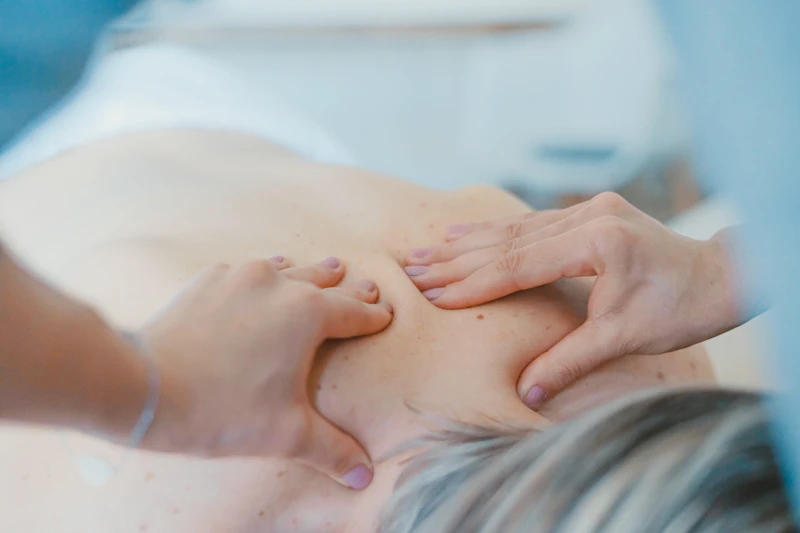
Targeted pressure applied to deeper muscle layers to release chronic tension, knots, and myofascial restrictions. Deep tissue massage is more intense than Swedish and addresses specific problem areas. Expect some discomfort during treatment, but significant relief afterward. Ideal for athletes, desk workers, and anyone with persistent tension. Many therapists combine deep tissue with therapeutic techniques.
Sports Massage
Specifically designed for athletes and active individuals, sports massage combines deep pressure, stretching, and targeted techniques to enhance performance, prevent injuries, and accelerate recovery. Dubai's fitness community frequently uses sports massage before competitions and after intense training cycles. Often incorporated into training programs alongside personal training in Dubai.
Hot Stone Massage
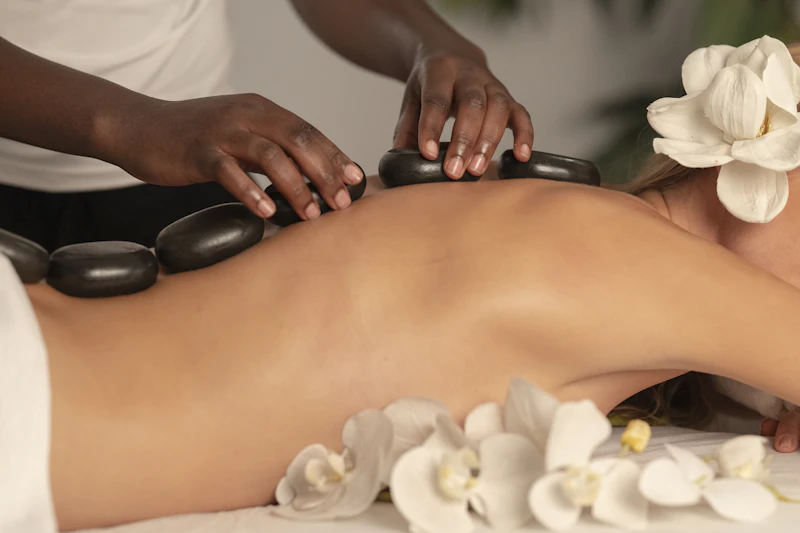
Heated stones placed on muscles provide deep penetrating warmth that relaxes tension and improves circulation. The heat allows therapists to apply deeper pressure with less discomfort. Excellent for chronic tension, stress relief, and seasonal recovery during cooler months. Often combined with Swedish or deep tissue techniques.
Thai Massage
Ancient technique combining acupressure, joint mobilization, and assisted stretching. Performed fully clothed, Thai massage improves flexibility, releases tension, and enhances energy flow. Popular in Dubai for mobility improvement and recovery. Requires active participation from the client.
Lymphatic Drainage Massage
Gentle, specialized technique supporting the lymphatic system's detoxification function. Uses light pressure and rhythmic movements to move lymph through the body. Particularly valuable post-injury or post-surgery, and during intense training periods when immune support is beneficial.
3. Top Massage Centers & Therapists in Dubai
Premium Luxury Spa Chains
Dubai's luxury spa chains employ highly qualified therapists trained in multiple modalities. These centers offer pristine facilities, professional environments, and consistency. Examples include spas within five-star hotels across Dubai Marina, Downtown, and Emirates Hills. Expect professional credentials, sterilized equipment, and premium comfort.
Specialist Sports Massage Studios
Dedicated sports massage studios cater specifically to athletes and fitness-focused clients. These facilities understand athletic recovery, train therapists in sports-specific techniques, and often coordinate with fitness professionals and physiotherapists. Ideal for serious athletes integrating massage into training programs. Related: Sports Massage Dubai for Athletes and Recovery.
Wellness Centers & Holistic Practices
Many wellness centers combine massage with yoga, meditation, physiotherapy, and nutrition coaching. These integrated practices support comprehensive recovery and wellness. therapists here often have broader wellness education beyond pure massage technique.
Independent & Boutique Therapists
Experienced independent therapists often provide personalized, customized sessions at more accessible price points than large chains. Many operate from private studios, wellness centers, or client homes. Quality varies; ensure practitioners have verified credentials and positive client feedback.
Corporate Wellness Programs
Some employers in Dubai offer on-site or subsidized massage therapy as part of wellness programs. Check your company's benefits—this may be the most cost-effective option available to you.
4. Massage Pricing Guide in Dubai
| Massage Type | 60 Minutes (AED) | 90 Minutes (AED) | Best For |
|---|---|---|---|
| Swedish Massage | 200–350 | 280–450 | Relaxation, stress relief, beginners |
| Deep Tissue Massage | 250–400 | 350–550 | Chronic tension, muscle release |
| Sports Massage | 300–450 | 420–600 | Athletic recovery, performance |
| Hot Stone Massage | 350–500 | 480–680 | Deep relaxation, chronic pain |
| Thai Massage | 220–380 | 310–520 | Flexibility, energy, mobility |
| Lymphatic Drainage | 280–420 | 390–580 | Post-injury, detox, immune |
- Package deals: Many therapists offer 4–6 session packages at 10–15% discount.
- Monthly memberships: Wellness centers often provide membership rates (AED 1,500–2,500/month for weekly sessions).
- Corporate rates: Negotiate group rates if multiple employees are interested.
- Introductory offers: First-time clients often receive discounts (AED 50–150 off).
- Off-peak scheduling: Weekday mornings typically cost less than evening/weekend slots.
- Combined treatments: Package massage with physiotherapy for integrated recovery.
Book Your Wellness Session Today
Find and book qualified massage therapists in Dubai. Compare treatments, read reviews, and schedule your recovery session instantly.
5. What to Expect from Your First Massage Session
Pre-Massage Consultation (10–15 minutes)
Your therapist will discuss your health history, current concerns, fitness goals, and any injuries or pain points. This consultation ensures the treatment is customized to your needs. Be honest about any injuries, surgeries, medications, or medical conditions. The therapist will also explain their approach and answer questions about pressure, techniques, and comfort.
Preparing Your Body (5 minutes)
You'll be shown to a private room and asked to undress to your comfort level. Most massage is performed with you unclothed under a sheet or blanket—only the area being worked is exposed. Therapists are trained to maintain professionalism and your modesty. Take bathroom breaks beforehand; some therapists provide aromatic tea or water.
The Massage Itself (60 minutes)
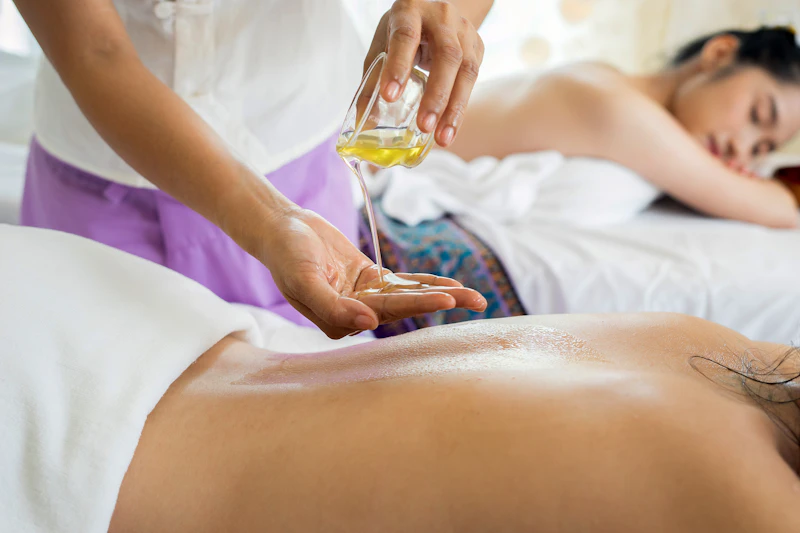
Treatment typically begins with lighter pressure to warm muscles, gradually increasing intensity based on your feedback. Many therapists use oils or lotions to reduce friction. Communication is essential—inform your therapist if pressure is too intense or too light, if certain areas hurt beyond therapeutic discomfort, or if you feel uncomfortable.
Post-Massage Recovery (5–10 minutes)
After the massage, you'll rest briefly while the therapist leaves the room. Take time getting up—some people feel dizzy from deep relaxation. Sip water, use the restroom, and allow yourself to adjust before returning to normal activities.
Post-Massage Care (24–48 hours)
Drink extra water for 24–48 hours—massage mobilizes toxins and supports lymphatic drainage; hydration aids this process. Expect some mild soreness similar to post-workout soreness (normal and temporary). Avoid intense exercise for 24 hours; gentle activity like walking or yoga is fine. Some people experience improved sleep or mild fatigue—this is normal and indicates deep recovery.
6. How to Book & Find Your Perfect Therapist
Research & Credentials Verification
When selecting a massage therapist, verify:
- Certifications: Look for diplomas from recognized massage schools (internationally accredited institutions are preferable).
- Specializations: Ensure the therapist specializes in your needed treatment type (sports, deep tissue, therapeutic, etc.).
- Reviews: Read client feedback on Google, platforms like GetFitDXB, Instagram, or word-of-mouth referrals.
- Health Authority Registration: Many Dubai therapists are registered with the Dubai Health Authority (DHA). Verify registration if applicable.
Communication & Initial Consultation
Before booking, contact the therapist or facility to discuss your specific needs. Share details about:
- Your fitness goals and training intensity
- Any injuries, pain points, or medical conditions
- Your preference for pressure intensity
- Your budget and frequency preferences
A professional therapist will ask clarifying questions and suggest appropriate treatments. This conversation helps ensure compatibility before your first session.
Booking & Scheduling Strategies
Start with a single introductory session rather than committing to packages. This allows you to assess the therapist's approach, skill, and whether you're comfortable with them. Once satisfied, book recurring sessions or package deals for better pricing.
Schedule strategically: Post-workout massage (24–48 hours after training) targets recovery; pre-event massage improves performance and reduces pre-competition anxiety; maintenance massage every 2–4 weeks prevents chronic tension buildup.
Payment & Location Flexibility
Dubai therapists offer multiple arrangements:
- Studio/clinic-based: Therapist-owned studios or wellness centers (typically AED 250–500 per session)
- Spa-based: Five-star hotel spas (AED 350–700+)
- Home-based: Therapist comes to your residence (adds transportation fees; AED 300–600)
- Mobile services: Some therapists bring portable tables to corporate offices or homes
Payment typically happens before or immediately after treatment. Most therapists accept cash, card, and bank transfers. Tipping (10–15% of session cost) is common but not obligatory in Dubai.
7. Frequently Asked Questions About Massage Therapy in Dubai
How often should I get a massage?
Frequency depends on your goals and activity level:
- Athletes in intense training: 1–2 times per week
- Regular gym-goers: Every 2–4 weeks (maintenance)
- Desk workers or high stress: Monthly or bi-weekly
- Recovering from injury: 1–3 times per week (coordinated with physiotherapy)
- General wellness: Monthly to quarterly
Start with monthly sessions and adjust based on how you feel. Some people thrive on weekly sessions; others prefer quarterly treatments.
What should I eat before a massage?
Avoid large meals 2–3 hours before your session. Heavy digestion interferes with relaxation and can cause discomfort during abdominal massage. Light snacks (fruit, nuts, toast) are fine. Hydrate well but avoid excessive water immediately before; you'll need to use the restroom during your session. After massage, drink extra water (not immediately; wait 15–20 minutes), and eat a balanced meal with protein to support recovery.
Is massage safe for everyone?
Massage is generally safe, but some medical conditions require modifications or contraindications. Inform your therapist if you have:
- Recent surgeries or injuries
- Severe osteoporosis
- Blood clots or circulatory disorders
- Skin infections or open wounds
- Pregnancy (certain techniques are safe; others require modification)
- Severe hypertension or heart conditions
Professional therapists know how to adapt treatments or refer you to appropriate healthcare professionals when needed.
Can massage help with injury recovery?
Yes, therapeutic massage accelerates recovery when coordinated with physiotherapy. Massage improves circulation to injured tissues, reduces inflammation, prevents scar tissue adhesions, and supports rehabilitation progress. However, massage is complementary to—not a replacement for—proper physiotherapy. Work with both your physio and therapist together. Related: Physiotherapy in Dubai: Guide to Practitioners and Services.
What's the difference between relaxation and therapeutic massage?
Relaxation massage (Swedish, gentle techniques) aims for stress relief and comfort using moderate pressure and soothing strokes. Therapeutic massage (deep tissue, sports, targeted work) applies stronger pressure to address specific muscle issues, injuries, or chronic tension. Both are valuable—choose based on your current needs. First-time clients often prefer starting with relaxation massage.
How do I know if a therapist is qualified?
Qualified massage therapists should provide:
- Formal training certification from a recognized massage school
- Professional liability insurance
- Health/safety certifications
- Verifiable client references or reviews
- Clear communication about their qualifications and limitations
Don't hesitate to ask about credentials before booking. Professional therapists welcome these questions.

- Therapists who cannot or won't discuss their qualifications
- Facilities with poor hygiene or unclean massage tables
- Therapists who pressure you into packages before trying a single session
- Unsolicited personal conversations or overly casual boundaries
- Unusually low pricing (may indicate lack of training or insurance)
- Therapists who claim to "cure" medical conditions (massage supports but doesn't cure)
Can massage support fitness goals beyond recovery?
Yes. Regular massage improves proprioception, enhances flexibility, reduces injury risk, and supports better sleep—all critical for fitness progress. Athletes incorporating massage into comprehensive training programs often achieve better results than those training without recovery support. Combined with mobility training, optimized sleep, and proper nutrition, massage becomes a cornerstone of performance optimization.