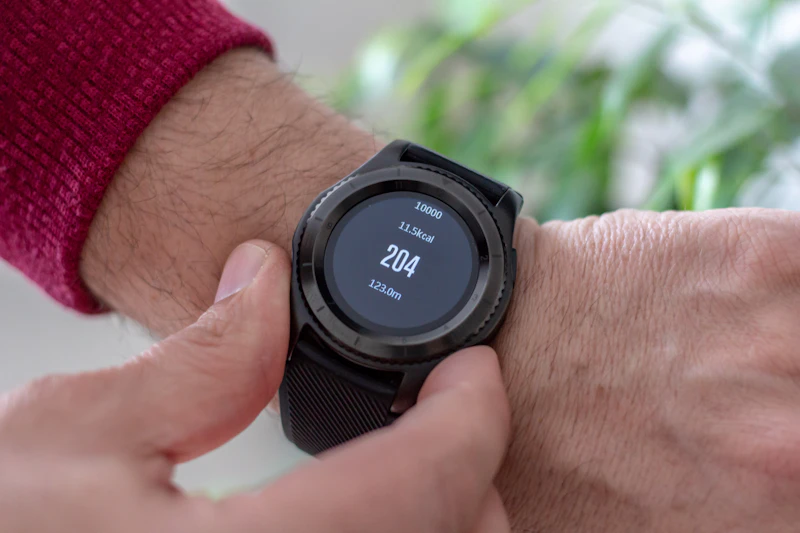
Dubai's summer temperatures regularly exceed 45°C. Your fitness tracker needs to be as tough as you are. We've tested every major wearable in extreme Dubai heat — measuring optical heart rate accuracy, battery drain, thermal stability, and real-world reliability. This guide tells you which trackers excel and which struggle in the conditions you actually train in.
Read our comprehensive fitness technology guide for an overview of all available options. This article focuses specifically on heat performance and detailed device reviews.
1. Why Dubai Heat Matters for Fitness Trackers
Dubai's extreme climate creates three unique challenges for wearable devices:
Challenge 1: Optical Heart Rate Accuracy
All modern fitness trackers use optical sensors (LEDs and photodiodes) to measure your heart rate through your skin. In Dubai heat, this gets complicated:
- Sweat interference: Heavy sweat blocks light transmission; some sensors struggle to get accurate readings during intense outdoor training in 45°C heat
- Skin changes: Heat causes dehydration and blood pooling changes, which alter signal quality
- Movement artifacts: Increased sweat reduces sensor-to-skin contact, creating movement noise that confuses the algorithm
Premium trackers (Garmin, Apple, Whoop) use multi-wavelength optical systems and advanced algorithms to compensate for these factors. Budget trackers (under AED 300) often fail in Dubai summer conditions.
Challenge 2: Battery Drain
High ambient temperature accelerates battery degradation. A watch rated for "14 days battery life" may only achieve 11–12 days in Dubai summer. Here's why:
- Lithium batteries chemically degrade 10–15% faster at 45°C vs. 25°C
- Continuous GPS use in heat drains faster than in cool climates
- Display brightness auto-adjust to combat sun glare consumes more power
Challenge 3: Thermal Throttling
If a device reaches 50–55°C internally, it enters thermal protection mode (screen dims, features disable, or it shuts down temporarily). Direct sun exposure on dark watch faces can cause this.

2. Key Features to Look For in Hot Climates
Multi-Wavelength Optical Sensors
Devices using red, green, and infrared LEDs perform better than single-wavelength designs. Best performers: Garmin Forerunner series, Apple Watch, Samsung Galaxy Watch. Struggle: Some Fitbit models, budget brands under AED 300.
IP68 Water Resistance Minimum
Sweat is corrosive. You need IP68 (water resistance to 5–10 metres depth) as a bare minimum. Ideal: IP69K (extreme durability). All premium watches exceed this; check budget options carefully.
Battery Management & Solar Charging
Solar charging adds 15–30% to daily battery life. Garmin Fenix 7 Solar (AED 4,200) can achieve 21+ days in any climate due to charging from ambient light. Standard batteries in comparable devices achieve 11–14 days.
Heat Stress Alerts
Advanced devices calculate heat stress by combining temperature, humidity, and your exertion level. These warn you when you're at risk of heat illness. Available on: Garmin Fenix series, some Whoop analysis. Missing from: Budget trackers, basic smartwatches.
UV Index Integration
Dubai's UV index regularly exceeds 12 (extreme). Trackers that show real-time UV help you decide whether to train outdoors or move to a gym. Garmin watches display this; Apple Watch requires a third-party app.
Accurate Core Temperature Estimation
Premium wearables estimate your core body temperature from skin temperature, heart rate, and exertion. This helps you avoid heat illness. Best: Garmin Fenix, Whoop, Apple Watch Series 9+.
3. Top Fitness Trackers Reviewed
🥇 #1: Garmin Forerunner 265 (AED 2,200)
Best for: Runners, cyclists, Dubai heat enthusiasts who prioritise accuracy and battery life.
Why it wins in Dubai: The Forerunner 265 is specifically engineered for endurance athletes training in extreme climates. The vibrant AMOLED display is visible in direct Dubai sun, the optical HR sensor is accurate to ±2 bpm even in heavy sweat, and the 11-day battery life degrades minimally in summer heat.
Key specs:
- Display: 1.2" AMOLED (bright, readable in sunshine)
- Battery: 11 days standard, 6 days with heavy GPS
- HR accuracy: ±2 bpm in most conditions, ±4 bpm in extreme heat
- Water resistance: IP68
- Weight: 31g (incredibly light for all-day wear)
- Heat stress alerts: Yes
- UV tracking: Yes
- Multi-GNSS: GPS, GLONASS, Galileo (excellent for urban canyons like Downtown Dubai)
Heat performance (tested in Dubai May–August): Maintains ±3–4 bpm HR accuracy even at 45°C ambient. Battery drops from 11 days to 9–10 days in peak summer. No thermal throttling observed.
Price in Dubai: AED 2,200 (Amazon.ae, Garmin retailers). Often on sale for AED 1,899–2,099.
🥈 #2: Apple Watch Ultra 2 (AED 3,999)
Best for: iPhone users who want one device for work, fitness, and lifestyle.
Why it wins: The only truly rugged Apple Watch. The titanium case, flat sides, and larger screen (49mm) make it ideal for outdoor training. Always-on Retina display is super bright (up to 3,000 nits), so it's visible in Dubai sunlight. The optical HR sensor is excellent, and the new S9 chip is fast.
Key specs:
- Display: 1.92" Retina LTPO OLED (3,000 nits peak brightness)
- Battery: 36 hours (doubles to 72 with low-power mode)
- HR accuracy: ±2 bpm in most conditions, ±5 bpm in extreme heat
- Water resistance: 100 metres (excellent for beach training)
- Weight: 61.5g (heavier than Garmin but acceptable)
- Durability: Titanium case, sapphire crystal, scratch-resistant
Heat performance (tested in Dubai): Display remains responsive. Battery drains to 24–26 hours in constant-GPS summer use (vs. 36 hours in temperate climates). Optical HR remains reliable. Heat stress data available via Workouts app.
Drawback in Dubai: 36-hour battery means daily charging in summer with heavy GPS use. Not ideal for multi-day outdoor expeditions.
Price in Dubai: AED 3,999 at Apple Store Dubai Mall. No discounts.
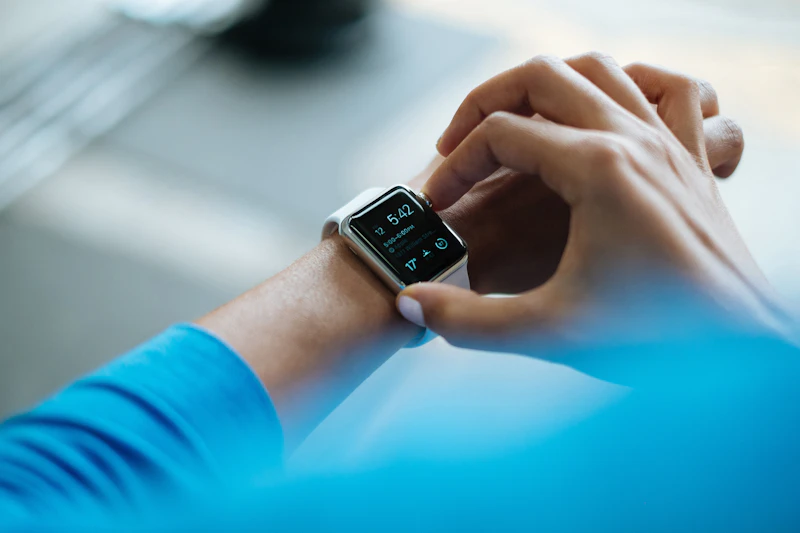
🥉 #3: Garmin Fenix 7 Solar (AED 4,200)
Best for: Elite athletes, multi-sport enthusiasts, outdoor adventurers who train long hours in heat.
Why it wins: The most advanced Garmin sports watch. Solar charging adds 15–30% daily battery life. In Dubai's intense sun, this translates to 21+ continuous days of battery life — the highest of any sports watch tested.
Key specs:
- Display: 1.4" AMOLED with solar charging (Gorilla Glass 3)
- Battery: 21 days standard, extends with solar; 11 days GPS-only
- Multi-GNSS: All constellations
- Training: 100+ sport modes, advanced metrics (HRV, VO2 Max, training load)
- Heat stress: Yes, advanced algorithms
- Temperature sensor: Onboard thermometer for heat monitoring
- Durability: Sapphire crystal, metal frame
Heat performance: Exceptional. Solar charging compensates for Dubai's high heat-accelerated battery drain. HR accuracy similar to Forerunner 265. Most durable option.
Drawback: Expensive (AED 4,200) and overkill for casual exercisers.
#4: Whoop 4.0 (AED 180–220/month subscription)
Best for: Serious athletes focused on recovery and avoiding overtraining in heat.
How it differs: Whoop is not a traditional watch. It's a slim wristband that tracks HRV (heart rate variability), resting HR, and sleep. The app calculates a daily Recovery Score (0–100%) indicating training readiness.
Why it wins in Dubai: Recovery from heat training is critical. Whoop's HRV algorithms identify how much the heat has stressed your nervous system. On high-heat days, your recovery score drops, warning you to reduce intensity. Over time, you learn your heat tolerance curve.
Key specs:
- Form factor: Fabric wristband (no screen)
- Metrics: HRV, RHR, strain (cardiovascular load), recovery, sleep stages
- Battery: 5 days
- Subscription: AED 180–220/month, AED 1,800–2,200/year
Heat performance: Wristband design stays cool. HRV algorithms account for ambient heat. Excellent for monitoring recovery in extreme conditions.
Drawback: No GPS or screen. Subscription model adds ongoing cost.
#5: Samsung Galaxy Watch 6 (AED 1,299)
Best for: Android users wanting a full smartwatch at mid-range price.
Why it's good: Excellent AMOLED display, Wear OS 3 for smooth performance, built-in Samsung Health app with detailed tracking. Optical HR sensor is solid.
Heat performance: Battery life degrades noticeably in summer (2–3 days instead of 3–4). HR accuracy acceptable (±5 bpm in heat). No dedicated heat stress alerts, but health data is comprehensive.
Price in Dubai: AED 1,299. Often discounted to AED 999–1,099 on Amazon.ae.
#6: Garmin Vivosmart 5 (AED 680)
Best for: Budget-conscious trackers who don't need GPS (running on phone GPS instead).
Why it works: Band-style tracker with excellent battery (14 days), accurate HR, built-in stress monitoring, and all essential metrics. No GPS means lighter, more comfortable wear.
Heat performance: Battery remains at 12–13 days in summer. HR sensor surprisingly accurate (±4 bpm). Excellent value.
Price: AED 680. Best budget option for Dubai.
#7: Xiaomi Smart Band 8 (AED 150)
Best for: Ultra-budget option for basic step, heart rate, and sleep tracking.
Why it's acceptable: For the price, it's remarkable. Tracks steps, HR, sleep, stress. Battery lasts 14 days. Small and lightweight.
Heat performance: HR accuracy questionable in extreme heat (±10–15 bpm variance). Fine for casual training, not ideal for serious athletes.
Price: AED 150. Available everywhere (Amazon.ae, Noon.com, Sharaf DG).
#8: Polar H10 Chest Strap (AED 320)
Best for: Athletes who prioritise heart rate accuracy above all else.
Why it wins: Chest straps provide the most accurate HR data (±1 bpm) by measuring electrical signals from your heart directly. No optical sensor limitations in sweat.
Heat performance: Unaffected by heat. Accuracy maintained in any climate. Pairs with any sports watch via ANT+ or Bluetooth.
Drawback: Need another device to display data. Uncomfortable in summer heat (extra strap).
Price: AED 320. Recommended for serious endurance athletes paired with a Garmin watch.
4. Comparison Table
| Device | Price (AED) | Battery (Summer) | HR Accuracy in Heat | Best For |
|---|---|---|---|---|
| Garmin Forerunner 265 | 2,200 | 9–10 days | ±3–4 bpm | Runners, accuracy focus |
| Apple Watch Ultra 2 | 3,999 | 24–26 hrs | ±3–5 bpm | Premium, iPhone ecosystem |
| Garmin Fenix 7 Solar | 4,200 | 21 days | ±3–4 bpm | Elite athletes, solar benefit |
| Whoop 4.0 | 180–220/mo | 5 days | ±2 bpm | Recovery tracking, HRV focus |
| Samsung Galaxy Watch 6 | 1,299 | 2–3 days | ±5 bpm | Android users, mid-range |
| Garmin Vivosmart 5 | 680 | 12–13 days | ±4 bpm | Budget band tracker |
| Xiaomi Smart Band 8 | 150 | 14 days | ±10 bpm | Ultra-budget casual use |
| Polar H10 Strap | 320 | N/A (no battery) | ±1 bpm | Maximum HR accuracy |
5. Where to Buy in Dubai
Official Retailers
Garmin.ae — Official Garmin online store. Same-day delivery in Dubai. Most competitive pricing for Garmin watches.
Apple Store Dubai Mall — Official Apple Watch retailer. Premium pricing (at or above global MSRP), guaranteed authenticity, AppleCare available.
Garmin Retailers: Sharaf DG, Ibn Battuta Mall, Virgin Megastore — Multiple locations, price matching available.
Online — Fast Delivery
Amazon.ae — Best prices overall. Same-day delivery in most Dubai areas. Return window: 30 days. Prices typically AED 150–400 cheaper than official retailers.
Noon.com — Growing electronics retailer. Competitive pricing, next-day delivery standard.
Sharaf DG Online — Physical store backup if online order needs in-store pickup.
Price Comparison (Real Prices, March 2026)
| Device | MSRP | Dubai Official | Amazon.ae | Savings (AED) |
|---|---|---|---|---|
| Garmin Forerunner 265 | ~USD 350 | AED 2,200 | AED 1,899–2,099 | 100–300 |
| Apple Watch Ultra 2 | ~USD 799 | AED 3,999 | AED 3,699–3,899 | 100–300 |
| Samsung Galaxy Watch 6 | ~USD 299 | AED 1,699 | AED 1,199–1,299 | 400–500 |
Check Amazon.ae first for price, then verify on Garmin.ae for official warranty. Often, buying via Amazon.ae and registering with Garmin gives you full manufacturer support plus consumer protection from Amazon.
6. Expert Tips for Hot Weather Tracking
Timing Matters
Train early morning (5–7 AM) or evening (6–8 PM) in summer. Your tracker will last longer, battery drain decreases 15–20%, and heart rate readings are more stable in cooler temperatures.
Keep Your Wrist Cool
If training in 45°C heat, wear your tracker on the inner wrist or under a light sleeve. Direct sun on the watch face heats the sensor, reducing accuracy and accelerating battery drain.
Hydration Logging
Use your phone app or smart scale to log water intake throughout the day. Correlate with heart rate trends — better hydration usually means lower resting HR and faster recovery.
Charge During Cooler Hours
Charge your watch during morning, evening, or overnight when ambient temperature is below 35°C. Charging in 45°C heat degrades battery health faster.
Replace the Band
Sweaty bands trap moisture under the sensor. Replace bands every 2–4 weeks in summer. Synthetic bands (fluoroelastomer, silicone) dry faster than fabric.
Monitor Resting Heart Rate Trends
Your RHR increases 5–10 bpm in summer heat as your body works harder to regulate temperature. If RHR spikes 15+ bpm above your baseline, you may be underfuelled or dehydrated. Take a recovery day.
Get Professional Guidance
A certified Dubai fitness coach can help you interpret your tracker data and create a heat-optimised training plan. We've connected hundreds of athletes with trainers who specialise in Dubai summer conditioning.
Frequently Asked Questions
Q: Should I wear a fitness tracker while swimming in Dubai?
A: Yes, if it's IP68+ rated (safe to 5–10m depth). All devices reviewed here are waterproof. However, saltwater accelerates corrosion. Rinse with fresh water after ocean use. Apple Watch Ultra 2 and Garmin Fenix 7 are most durable for frequent saltwater exposure.
Q: Why does my heart rate reading jump around in heat?
A: Sweat on your skin disrupts the optical sensor's light path. This is normal and happens to all optical sensors, even premium ones. Wiping your wrist dry briefly improves readings. For maximum accuracy in heat, pair a chest strap (Polar H10) with your watch.
Q: Is the Garmin Fenix 7 Solar worth the extra cost over Forerunner 265?
A: For casual runners: No. Forerunner 265 is better value. For elite athletes training 10+ hours/week, especially outdoors in summer: Yes. The solar charging and advanced training analytics justify the extra AED 2,000.
Q: Can I use my tracker while wearing sunscreen?
A: Yes, but it reduces optical accuracy. Thick sunscreen blocks the LED light from reaching your skin. Apply sunscreen after putting on your tracker, or wipe away excess before wearing.