Dubai is a city obsessed with data, performance, and results. From the record-breaking skyscrapers to the competitive fitness culture, this emirate thrives on measurable progress and cutting-edge innovation. Fitness technology has become essential for serious athletes, casual gym-goers, and wellness enthusiasts who want to optimise their training in one of the world's most challenging climates. Whether you're tracking your morning run, monitoring recovery with heart rate variability, or analysing your nutrition with AI, the right fitness technology can transform your Dubai fitness journey. This comprehensive guide covers everything you need to know.
1. Why Fitness Tech Matters in Dubai
Dubai's fitness market is one of the most dynamic in the Middle East. The city has over 150 gyms, 200+ personal trainers, and thousands of fitness enthusiasts competing for results in an unforgiving climate. Summer temperatures regularly exceed 45°C, humidity climbs past 85%, and the intense UV index can damage skin in minutes.
Fitness technology isn't a luxury here — it's a strategic advantage. Wearables and apps help you:
- Monitor heat stress — Track core temperature, heart rate elevation, and sweat loss
- Optimise recovery — Measure HRV (heart rate variability) to know when you're genuinely recovered
- Prevent injury — Use data to avoid overtraining in extreme conditions
- Track nutrition — Monitor hydration, electrolytes, and caloric intake in Dubai heat
- Stay accountable — Real-time data keeps you motivated and honest
- Join communities — Connect with Dubai's competitive fitness culture via Strava, apps, and trackers
The Dubai fitness technology market is mature and competitive. You can find virtually any device or app available globally, with local retailers offering same-day delivery across all major areas (Marina, Downtown, JBR, JLT, Dubai Hills, Arabian Ranches).

2. Fitness Wearables Overview
The fitness wearables market is vast and can be confusing. Here's a breakdown of the main categories:
Smartwatches (Full Ecosystem)
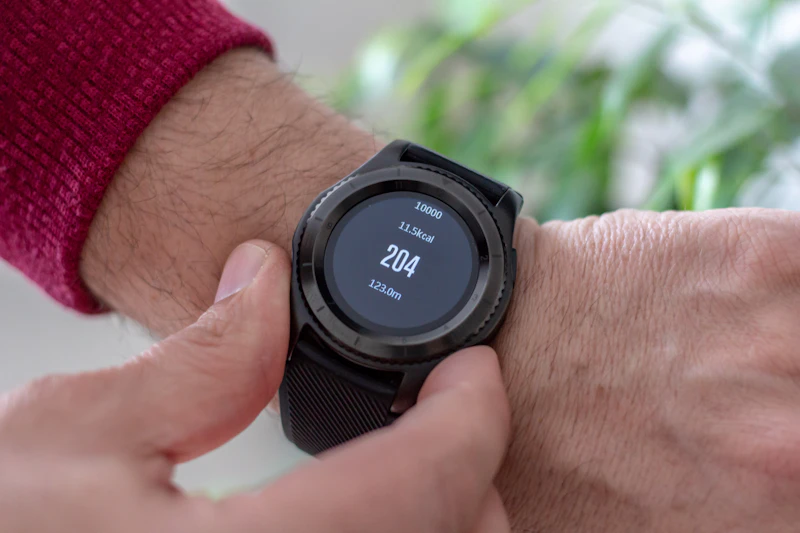
Full-featured smartwatches like the Apple Watch and Samsung Galaxy Watch run apps, handle notifications, take calls, and track fitness comprehensively. These are ideal if you want a single device for work, life, and fitness. Prices range from AED 1,299 to AED 3,999.
GPS Running/Cycling Watches
Garmin and other sports brands make dedicated GPS watches optimised for endurance athletes. They feature multi-GNSS systems (GPS, GLONASS, Galileo) for accuracy in challenging environments, excellent battery life (5–14 days), and sport-specific features. Range: AED 680 to AED 5,500.
Fitness Trackers (Band Style)
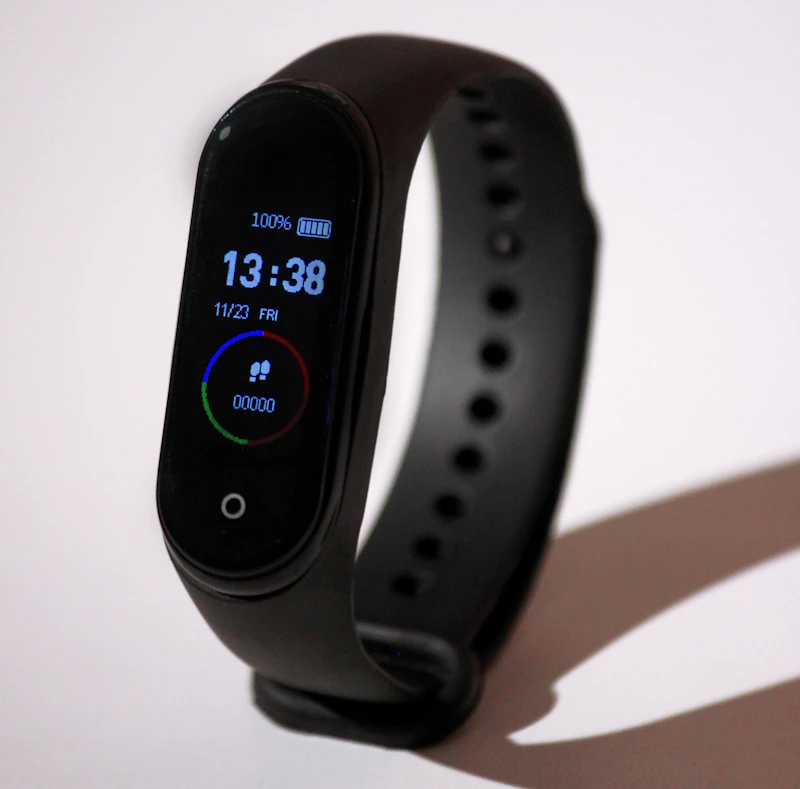
Compact fitness trackers like Fitbit, Xiaomi Mi Band, and Whoop focus on step counting, heart rate, sleep, and stress. They're lightweight, comfortable for 24/7 wear, and have strong battery life (5–30 days). Budget options start at AED 120, premium at AED 2,000+.
Heart Rate Monitors (Chest Strap)
Devices like the Polar H10 are worn on the chest and provide the most accurate heart rate data for training zones. Essential for serious endurance athletes. Cost: AED 320–500.
Smart Scales
WiFi-enabled scales track weight, body fat %, muscle mass, and water percentage over time. Brands like Withings, SOEHNLE, and Xiaomi offer these in Dubai. Range: AED 250–800.
For most Dubai residents, the sweet spot is a GPS watch (Garmin) paired with a body composition scale and a fitness app (Strava, Nike Run Club, MyFitnessPal). This combo gives you 80% of the insight at 30% of the cost.
3. Best Wearables for Dubai Heat
Not all wearables handle Dubai's extreme climate equally. Here are the critical features to prioritise:
Optical Heart Rate Accuracy
Dubai heat increases sweat production and blood flow variability. The best optical sensors use multiple wavelengths of light to cut through sweat and movement noise. Top performers: Garmin (all models), Apple Watch (Series 9+), Samsung Galaxy Watch 6. Avoid cheap fitness trackers under AED 300 for accurate heart rate in heat.
IP68 or Higher Water Resistance
Sweat is corrosive. You need at least IP68 (water resistance to 5–10 metres depth). All premium watches meet this; check the spec before buying budget options.
Battery Life
In Dubai heat, battery drain accelerates 10–15% faster than at normal temperatures. A watch claiming "14-day battery" may manage only 11–12 days in summer. GPS watches with solar charging (Garmin Fenix 7 Solar, AED 4,200) are worth the investment.
Heat Stress Alerts
Some advanced devices (Garmin Fenix series, Apple Watch with Workouts app) calculate heat stress by combining ambient temperature, humidity, and your exertion. These alerts can prevent heat illness.
UV Index Tracking
Dubai's UV index reaches 12+ (extreme). Garmin watches show real-time UV data; some Apple Watch apps integrate UV forecasts. Essential if you train outdoors.
Hydration Reminders
Apps like MyFitnessPal and Apple Health let you log water intake. Some Garmin devices remind you to hydrate based on exertion level.
| Device | Price (AED) | Best For | Battery |
|---|---|---|---|
| Garmin Forerunner 265 | AED 2,200 | Runners, accurate HR | 11 days |
| Apple Watch Ultra 2 | AED 3,999 | Premium, iPhone ecosystem | 36 hours |
| Garmin Fenix 7 Solar | AED 4,200 | Adventure, solar charging | 21 days |
| Samsung Galaxy Watch 6 | AED 1,299 | Android users, value | 2–3 days |
| Xiaomi Smart Band 8 | AED 150 | Budget tracker, basic metrics | 14 days |
4. Garmin in Dubai
Garmin is the most popular premium sports watch brand among Dubai fitness enthusiasts. The brand dominates in running communities (via Strava integration), offers excellent local retailer support, and provides unmatched accuracy for outdoor training in hot climates.
Most Popular Garmin Models in Dubai
Garmin Forerunner 265 (AED 2,200) — The entry-level GPS running watch with vibrant AMOLED display, excellent battery life (11 days), and precise optical heart rate. Ideal for runners and cyclists. Widely available at Garmin retailers and Amazon.ae.
Garmin Fenix 7 Solar (AED 4,200) — The premium multi-sport watch with solar charging, 21-day battery life, and full training features. More expensive but justifies the cost with durability and low charging burden during intense Dubai summer training blocks.
Garmin Venu 3 (AED 2,899) — A balance between fashion smartwatch and sports watch. Includes full smartphone notifications, music storage, and Garmin's training ecosystem.
Using Garmin in Dubai Heat
Garmin watches are specifically tested for operation in extreme conditions. Here's how to use them optimally in Dubai:
- Enable Heat Stress alerts — Found in training settings, these warn you when your body is under excessive thermal load
- Use multi-GNSS for urban canyons — Downtown Dubai and JLT have tall buildings that block single-channel GPS; Garmin's multi-constellation system locks on faster
- Monitor VO2 Max trends — Garmin calculates this from your running data; use it to gauge how heat affects your aerobic capacity
- Log hydration — Use the app to log water intake and correlate with performance metrics
- Charge during midday — Even solar models charge slower in extreme heat; charge during cooler morning or evening hours
Join the Garmin User Group on Strava — Dubai has one of the most active communities globally. Share routes, get heat management advice from experienced local runners, and find workout partners across Marina, Downtown, JBR, and Arabian Ranches.
5. Apple Watch for Dubai Fitness
Apple Watch is the most popular smartwatch globally and works excellently for Dubai fitness enthusiasts, especially those in the iPhone ecosystem.
Best Apple Watch Models for Dubai
Apple Watch Series 9 (AED 1,599–2,399) — The all-rounder. Always-on Retina display, accurate heart rate, blood oxygen, ECG, and full fitness tracking. 36-hour battery under normal use; expect 24–28 hours in Dubai summer heat with heavy GPS use.
Apple Watch Ultra 2 (AED 3,999) — Premium option with larger display, Action button for quick shortcuts, faster processor, and slightly longer battery (36 hours). Water resistance to 100 metres makes it ideal for beach/water training.
Heat Management for Apple Watch
Apple Watch displays show a thermal warning if the device reaches 45°C+. To keep your watch cool in Dubai:
- Remove the watch during midday peak heat (12–3 PM)
- Use a watch band with better ventilation (sport loop vs. leather)
- Avoid direct sunlight; keep the watch on the inside of your wrist if possible
- Charge the watch in air-conditioned spaces during summer
- Turn off always-on display if not needed; it generates significant heat
Top Apple Watch Apps for Dubai
- Strava — Log runs, cycling, hikes; connect with Dubai's fitness community
- MyFitnessPal — Calorie and macronutrient tracking; integrates with Apple Health
- Nike Run Club — Guided running workouts optimised for different climates
- Peloton — Home cardio and strength workouts (essential in summer heat)
- Apple Health — Native app with comprehensive health metrics, trends, and sharing

6. Whoop in Dubai
Whoop 4.0 is a premium biometric wearable focused on recovery, strain, and sleep. It's popular among elite athletes and serious fitness enthusiasts in Dubai.
How Whoop Works
Whoop is a wristband (worn like a smart bracelet) that tracks:
- Heart Rate Variability (HRV) — Indicator of nervous system stress and recovery readiness
- Resting Heart Rate (RHR) — Used to calculate recovery percentage
- Sleep — Duration, consistency, and sleep stages
- Strain — Cardiovascular load during exercise
The Whoop app gives you a Recovery Score (0–100%) each morning, indicating readiness for intense training. This is invaluable in Dubai, where heat recovery is slower.
Whoop Pricing in Dubai
Whoop uses a subscription model (no upfront device cost):
- Monthly — AED 180–220
- Annual — AED 1,800–2,200 (better value)
The device itself is included; you only pay for the app and biometric analysis.
Whoop for Dubai Heat
Whoop's recovery algorithm accounts for environmental factors. In Dubai, use Whoop to:
- Track how much heat impacts your recovery (usually 15–25% lower in summer)
- Identify safe training days with higher recovery scores
- Monitor sleep quality during hot months (often disrupted by AC, temperature changes)
- Correlate strain load with outdoor temperature and time of day
Choose Whoop if: Recovery and sleep tracking are your priority; you're a serious athlete. Choose Garmin if: You run, cycle, or do outdoor sports and want GPS accuracy. Choose Apple Watch if: You want one device for work, notifications, and fitness.
7. Fitness Apps for Dubai Residents
Apps are where most people interact with fitness data. Dubai has excellent mobile internet; apps work seamlessly even in summer heat.
Top Fitness Apps in Dubai
Strava — The social platform for runners, cyclists, and athletes. Map your routes, join Dubai's massive Strava community (clubhouses in Marina, Downtown, JBR), compete on segments, and share achievements. Free with premium features (AED 180/year). Essential for outdoor training culture.
Nike Run Club — Guided running workouts from pro coaches, pacing assistance via audio, music integration. Works perfectly in Dubai and includes heat-management tips for summer training. Free with ads; Premium at AED 99/month.
MyFitnessPal — Comprehensive nutrition tracking with UAE restaurant database. Log meals, track macros, set calorie targets. Crucial for body composition goals in Dubai's humid climate (harder to detect progress without data). Free version; Premium AED 99/month.
Peloton App — Home cardio and strength classes (ideal for avoiding midday summer heat). Available on iPhone, Android, and Apple Watch. AED 79/month gives you access to live and on-demand classes.
Apple Health / Google Fit — Native data aggregation platforms. Automatically collect data from your watch, other apps, and manual entries. Free; integrates all your fitness data into one ecosystem.
GetFitDXB App — Local platform to discover trainers, book classes, find gyms, and connect with the Dubai fitness community. Free to browse; premium features for bookings and coaching.
8. AI Personal Training Technology
Artificial intelligence is revolutionising fitness coaching. AI apps analyse your performance data and automatically adjust workouts in real-time.
How AI Training Works
Apps like Fitbod, Strong, and Apple's Fitness+ use machine learning to:
- Analyse your strength training form via camera (computer vision)
- Track your recovery based on previous workouts and sleep
- Suggest rep ranges and weights based on your history
- Adjust difficulty based on your actual performance (not just following a preset plan)
Best AI Training Apps in Dubai
Fitbod (AED 99/month) — Strength training AI that learns your lift history and suggests optimal exercises, rep schemes, and recovery periods. Popular at NAS, Fitness First, and independent gyms across Dubai.
Apple Fitness+ (AED 79/month) — Live and on-demand fitness classes (yoga, strength, cycling, dance) with instructors who coach you through real-time metrics. Works with Apple Watch and iPhone.
Peloton Digital (AED 79/month) — AI-driven cycling, running, and strength classes that adapt to your performance in real-time.
AI Training in Dubai Heat
AI coaches excel in hot climates because they:
- Automatically reduce intensity on days when your recovery is low (caused by heat)
- Suggest indoor workouts when temperatures exceed 40°C (detected from your location)
- Recommend recovery protocols specific to heat (cold showers, hydration, evening training)
9. Body Composition Analysis in Dubai
Dubai has some of the world's most advanced body composition analysis facilities. These go beyond simple scales to measure fat, muscle, bone density, and water distribution.
InBody Scanners
InBody is the gold standard for body composition. A full-body bioimpedance scan takes 60 seconds and measures:
- Body fat percentage (accuracy: ±3%)
- Skeletal muscle mass
- Total body water
- Protein content
- Mineral content
Where to find InBody in Dubai:
- NAS Health Club (multiple locations) — AED 150–200 per scan
- Fitness First clubs (premium locations) — AED 180–250 per scan
- Private clinics in Jumeirah, Downtown, JBR — AED 200–300
Price: AED 150–300 per scan. Package of 4 scans usually costs AED 500–800 (quarterly tracking).
DEXA Scan
DEXA (Dual-Energy X-ray Absorptiometry) is the medical gold standard, typically reserved for bone health assessment but increasingly available for body composition.
Where: Private imaging clinics, sports medicine centres across Dubai. Cost: AED 400–800 per scan.
Smart Scales at Home
Brands like Withings, SOEHNLE, Xiaomi, and Fitbit offer WiFi-enabled scales that measure body fat %, muscle mass, bone mass, and water percentage. Less precise than InBody but convenient for daily home monitoring.
Prices in Dubai: AED 250–800 (available at Sharaf DG, Amazon.ae, electronics stores).
10. Smart Gym Equipment in Dubai
Many Dubai gyms now have connected equipment that tracks your workouts and sends data to your phone.
Smart Bikes
Peloton Bikes — Indoor bikes with large tablets running live and on-demand classes. You compete with other riders globally and locally. Cost: AED 8,000–12,000 per bike (home or gym). Subscription: AED 79/month.
Smart Treadmills
Apple Fitness+ compatible treadmills — NordicTrack and other brands integrate with your Apple Watch. Track pace, calories, heart rate, and compete with others.
Connected Strength Equipment
Premium gyms like NAS, Fitness First, and boutique studios use apps to log your barbell lifts, plate-loaded exercises, and machine work. Data syncs to your phone for analysis and progression tracking.
11. Heart Rate Training Zones Explained
Heart rate zones are the foundation of scientific training. Understanding zones helps you train smarter, especially in Dubai heat.
The 5 Training Zones
Zone 1 (50–60% max HR): Recovery — Very light activity. Walking, leisurely cycling. Allows your body to adapt and recover. Essential in Dubai heat (do Zone 1 during morning or evening).
Zone 2 (60–70% max HR): Aerobic Base — Comfortable pace where you can hold a conversation. Builds aerobic capacity without excessive heat stress. Most of your training should be Zone 2 in Dubai summer.
Zone 3 (70–80% max HR): Tempo — Harder but sustainable. Improves lactate threshold. Short sessions only in Dubai (20–30 mins) during cooler hours.
Zone 4 (80–90% max HR): Threshold — Hard, near-maximum effort. For serious athletes only. Avoid in peak Dubai heat (40°C+); train early morning or after sunset.
Zone 5 (90–100% max HR): Maximum — All-out effort. Short sprints or intervals. Only for elite athletes and must be done in controlled environments (gyms, early morning).
Calculating Your Max Heart Rate
Simple formula: 220 minus your age.
Example: 35-year-old has max HR of 185 bpm.
- Zone 1: 92–111 bpm
- Zone 2: 111–130 bpm
- Zone 3: 130–148 bpm
- Zone 4: 148–166 bpm
- Zone 5: 166–185 bpm
Your resting heart rate increases 5–10 bpm in extreme heat. Your max heart rate may also increase slightly. Use your wearable's measured zones rather than formulae; most Garmin and Apple watches calculate personal zones based on your actual data.
12. Where to Buy Fitness Tech in Dubai
Official Retailers
Apple Store Dubai Mall — Official Apple Watch models, Series 9, Ultra 2. Same-day delivery available in Marina, Downtown, JBR. Prices at or near global MSRP (AED 1,599–3,999).
Garmin Retailers — Multiple locations including Dubai Mall, Ibn Battuta, and Sharaf DG. Forerunner, Fenix, Venu models in stock. Same-day delivery in most areas.
Garmin.ae Official Store — Online shop with home delivery within 1–2 days to most Dubai addresses.
Online Retailers (Fast Delivery)
Amazon.ae — Fastest shipping (same-day in some areas). Competitive pricing. All major brands: Garmin, Apple, Samsung, Fitbit, Xiaomi, Whoop. Returns within 30 days.
Sharaf DG — Multiple physical stores + online platform. Wide selection, price matching, and fast delivery.
Virgin Megastore — Electronics retailer with Apple Watch and some Garmin models. Multiple locations.
Sports Direct UAE — Sportswear and fitness equipment retailer with some wearables.
Price Comparison (Sample Devices)
| Device | Apple Store | Amazon.ae | Sharaf DG |
|---|---|---|---|
| Apple Watch Series 9 (45mm) | AED 2,399 | AED 2,199–2,299 | AED 2,249 |
| Garmin Forerunner 265 | N/A | AED 2,099 | AED 2,199 |
| Samsung Galaxy Watch 6 | N/A | AED 1,199 | AED 1,299 |
| Xiaomi Smart Band 8 | N/A | AED 129 | AED 149 |
Pro tip: Check prices across all three platforms before buying. Amazon.ae often has flash sales (10–20% off) and free Prime shipping on orders over AED 100.
13. Budget Fitness Technology
If you're on a tight budget, you don't need to sacrifice tracking. Here's how to build a solid fitness tech stack under AED 500:
Budget Option 1: Xiaomi Smart Band + Free Apps
- Xiaomi Smart Band 8 (AED 150): Steps, heart rate, sleep, stress, 14-day battery
- Strava (Free): Track running and cycling routes
- MyFitnessPal (Free): Nutrition tracking
- Apple Health / Google Fit (Free): Data aggregation
Total cost: AED 150 (device only). Apps are free.
Budget Option 2: Basic Smartwatch + Free Ecosystem
- Samsung Galaxy Watch 6 (AED 1,299): Full smartwatch, notifications, fitness tracking
- Samsung Health (Free): Built-in app with detailed health metrics
- Strava (Free): Running, cycling, social
Total cost: AED 1,299. Apps free.
Budget Option 3: No Device, Apps Only
- Use your phone as your fitness tracker
- Strava (Free): Running/cycling
- MyFitnessPal (Free): Nutrition
- Nike Run Club (Free): Guided workouts
- Peloton (Free version): Strength and cardio classes (limited)
Total cost: AED 0 (use smartphone already in pocket)
Ready to Track Your Dubai Fitness?
Start small — you don't need every device. One wearable (Garmin or Apple) plus the right apps will transform your training. We recommend Garmin Forerunner 265 + Strava + MyFitnessPal as the gold-standard budget setup.
14. Future of Fitness Tech in Dubai
Dubai is a testing ground for global fitness tech innovation. Here's what's coming:
VR Fitness Studios
Virtual reality fitness is expanding in Dubai (boutique studios in Marina, Downtown). Immersive workouts in cooler virtual environments while your real body stays air-conditioned indoors.
AI Coaching Ubiquity
Every gym will have AI-powered equipment that automatically adjusts form cues, rep schemes, and recovery recommendations based on your biometric data.
Holistic Health Ecosystems
One app/watch will integrate fitness, nutrition, sleep, stress, medical health (blood work, ECG), and environmental data (heat, UV, air quality). Dubai's tech infrastructure makes this feasible sooner than other cities.
Biohacking Integration
Cold plunges, sauna sessions, cryotherapy, and IV hydration will connect to wearables, allowing you to measure recovery impact. Already happening at premium wellness centres in Dubai.
Frequently Asked Questions
Q: Is Garmin or Apple Watch better for Dubai fitness?
A: Depends on your priorities. Garmin Forerunner 265 (AED 2,200) is unbeatable for running, cycling, outdoor training, and battery life. Apple Watch Series 9 (AED 1,599–2,399) is better if you want one device for work, fitness, and lifestyle. For pure sports training in Dubai heat, Garmin wins. For all-around convenience, Apple wins.
Q: What's the best budget fitness tracker for Dubai heat?
A: Xiaomi Smart Band 8 (AED 150) for basic tracking, or Samsung Galaxy Watch 6 (AED 1,299) for a full smartwatch. Both handle Dubai heat well, have decent battery life, and sync perfectly with free fitness apps.
Q: Can I use fitness trackers while swimming in Dubai?
A: Most fitness watches are IP68 (water-resistant to 5–10m). Safe for swimming pools and ocean dips. However, saltwater accelerates corrosion; rinse your watch with fresh water after ocean swimming. Apple Watch Ultra 2 and Garmin Fenix 7 are most durable for frequent saltwater exposure.
Q: How accurate is heart rate tracking in Dubai heat?
A: Optical sensors (Garmin, Apple, Samsung) are accurate within ±5 bpm in normal conditions but can drift ±10–15 bpm in extreme heat and heavy sweat. For the most accuracy in heat, use a chest-strap HR monitor (Polar H10, AED 320) paired with your watch.
Q: Is a fitness smartwatch worth it for casual training?
A: Yes. Even casual exercisers benefit from step counting, heart rate awareness, sleep tracking, and activity trends. A budget tracker (Xiaomi, AED 150) or free smartphone apps provide 80% of the value at minimal cost.