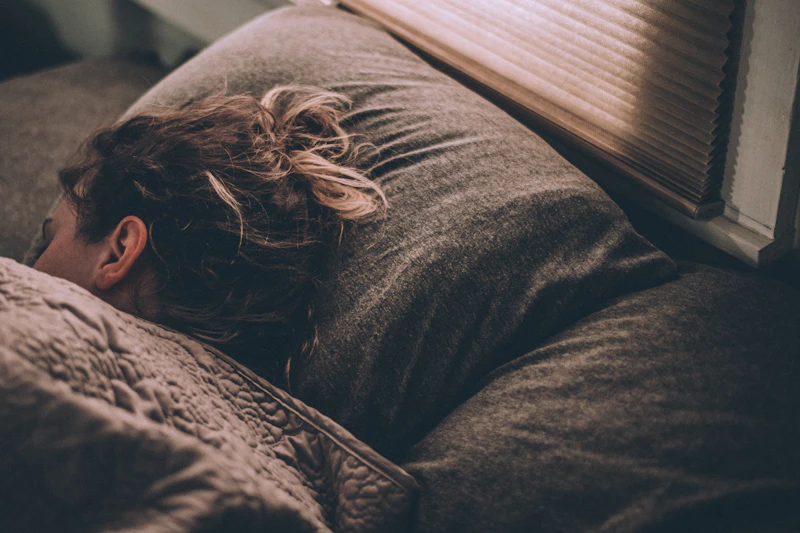
Sleep is the ultimate performance upgrade, yet Dubai professionals often sacrifice quality rest in pursuit of success. Whether you're managing intense heat, irregular working hours, or the constant buzz of international business, optimizing sleep is essential for maintaining energy, focus, and fitness results. This comprehensive guide explores the science of sleep recovery and practical strategies specifically designed for Dubai's unique lifestyle challenges. For more, browse our personal trainer directory with verified Dubai coaches and pricing.
As part of our complete wellness and recovery guide for Dubai professionals, sleep optimization plays a central role in your overall fitness and health strategy. Quality sleep isn't a luxury—it's a competitive advantage that directly impacts your training results, decision-making, and quality of life.
📑 Table of Contents
- Why Dubai Professionals Struggle with Sleep
- Sleep Science: Stages and Recovery
- Dubai-Specific Sleep Challenges
- Building a Sleep Routine for Dubai's Climate
- Exercise and Sleep: The Performance Connection
- Nutrition for Better Sleep
- Sleep Supplements Guide
- Professional Sleep Support in Dubai
- Creating Your Sleep Environment
Why Dubai Professionals Struggle with Sleep
Dubai's fast-paced lifestyle creates a perfect storm for sleep disruption. The city operates 24/7 with restaurants, gyms, and businesses open late, creating a cultural expectation to maximize daytime productivity at the expense of nighttime rest. Add to this the physical challenges of extreme heat, international travel, and irregular work schedules, and you have a recipe for chronic sleep deprivation.
Quality sleep is when your body recovers from training, consolidates memories, regulates hormones like cortisol and growth hormone, and rebuilds muscle tissue. Without adequate sleep, your fitness investments diminish rapidly. Studies show that just one night of poor sleep reduces muscle protein synthesis and increases cortisol levels, directly undermining your training results.
For Dubai professionals juggling demanding careers with fitness goals, sleep isn't optional—it's the foundation on which all other recovery methods depend.
Sleep Science: Stages and Recovery
Understanding sleep architecture helps you appreciate why quantity and quality both matter. Your sleep cycle consists of distinct stages, each serving critical recovery functions:
NREM Sleep (Non-REM): Stages 1-3
Stage 1 (Light Sleep): The transition between wakefulness and sleep, lasting 5-10 minutes per cycle. Your brain slows, and you're easily awakened.
Stage 2 (Light-to-Moderate Sleep): Your heart rate and body temperature drop, and your brain produces sleep spindles—bursts of activity linked to memory consolidation and learning. You spend about 45-55% of total sleep time in Stage 2.
Stage 3 (Deep Sleep): Your brain produces delta waves, and your body releases growth hormone—essential for muscle repair and immune function. This stage is where physical recovery happens. You need 15-20% of your sleep in deep sleep stages.
REM Sleep (Rapid Eye Movement)
REM sleep comprises 20-25% of adult sleep and is when most vivid dreaming occurs. This stage is crucial for emotional regulation, memory consolidation, and brain health. Without adequate REM sleep, decision-making and emotional resilience suffer.
A complete sleep cycle lasts 90 minutes on average. Most adults need 4-6 complete cycles (7-9 hours) for optimal recovery. However, the quality of each cycle matters significantly—sleep fragmented by heat, noise, or restlessness delivers far less recovery benefit than consolidated, undisturbed sleep.
Dubai-Specific Sleep Challenges
Dubai's unique environment creates obstacles to quality sleep that most sleep science research doesn't address. Understanding these challenges is the first step to overcoming them.
Extreme Heat and Thermodynamic Sleep Disruption
Your body naturally cools by 2-3°F (1-1.5°C) as you enter sleep, and this cooling is essential for sleep initiation and maintenance. Dubai's summer temperatures (45-50°C / 113-122°F) remain dangerously high even late at night, preventing this critical cooling process.
When your body can't cool efficiently, you experience increased nighttime awakenings, reduced deep sleep, and overall poor sleep quality. This explains why many Dubai residents sleep better during winter months and why AC failure becomes a sleep emergency during summer.
- Maintain bedroom temperature at 16-18°C (61-64°F): This is below your core body temperature and allows optimal sleep cooling
- Use blackout curtains: Reduce heat absorption from windows by 40-50% and block ambient light
- Apply thermal lag strategy: Close curtains and blinds during the day to prevent indoor heat accumulation
- Schedule exercise strategically: Complete workouts 3-4 hours before bedtime to avoid core temperature elevation when you need to cool down
- Use a moisture-wicking mattress: Memory foam retains heat; cooling gel mattresses or bamboo bedding improve thermoregulation
- Cold shower 60 minutes before bed: Drop core body temperature to support sleep onset
Irregular Work Hours and Circadian Rhythm Disruption
Dubai's international business culture means inconsistent sleep schedules. Weekend nights spent at social events, early morning meetings across time zones, and flexible work-from-home hours all create circadian misalignment.
Your circadian rhythm is regulated by light exposure and consistent sleep schedules. When either changes frequently, your body can't synchronize sleep hormone release (melatonin) with sleep time, resulting in difficulty falling asleep despite feeling tired, fragmented sleep, and poor morning alertness.
Ramadan Sleep Disruption
During Ramadan, fasting from dawn to sunset fundamentally disrupts sleep patterns. Sleep duration often decreases by 1-2 hours, sleep quality deteriorates, and many professionals struggle with afternoon fatigue affecting training performance.
- Maintain fixed sleep times: Go to bed and wake up at consistent times despite shorter sleep windows
- Break your fast with protein and complex carbs: This supports stable blood sugar and sleep quality when you do rest
- Hydrate aggressively during non-fasting hours: Dehydration is a major sleep disruptor; aim for 3-4 liters of water daily
- Sleep 20-30 minutes at mid-afternoon: A short nap after Asr prayer supplements nighttime sleep without creating grogginess
- Avoid caffeine after Maghrib: Coffee and tea interfere with sleep onset when sleep time is already compressed
- Use blackout curtains aggressively: Align sleep times with darker hours for better melatonin production
Jet Lag and International Travel
Dubai's role as an international hub means many professionals frequently travel across time zones. Crossing 6-8 time zones (common for flights to Europe or Asia) creates significant circadian misalignment. Westbound travel (toward Europe) is generally easier to adapt to, while eastbound travel (toward Asia) disrupts sleep longer.
Jet lag's real impact on fitness is underrated. Studies show that heavy training during jet lag increases injury risk and reduces recovery, as your immune system is compromised. Strategic light exposure and melatonin timing can reduce adaptation time from 10-14 days to 3-5 days.
Late-Night Culture and Social Pressure
Dubai's vibrant nightlife, late dinner culture (9-11 PM is common), and social expectations create chronic sleep delay. Many professionals end up with actual sleep times of midnight to 2 AM despite knowing early mornings start at 6-7 AM.
This creates chronic sleep debt. Your body cannot "catch up" on sleep; sleeping 12 hours on weekends doesn't recover the sleep lost during the week. Consistency matters more than total duration for recovery benefits.

Building a Sleep Routine for Dubai's Climate
Overcoming Dubai's sleep challenges requires a deliberate routine that accounts for heat, light, and schedule irregularities. This isn't about willpower—it's about environmental and behavioral design.
The Ideal Sleep Schedule for Dubai Professionals
Given early work starts (8-9 AM is common), optimal sleep timing for most Dubai residents is 11 PM to 7 AM (8 hours) or 10:30 PM to 6:30 AM (8 hours). This accounts for the 10-15 minutes typically needed to fall asleep.
If your schedule allows, consider a biphasic sleep pattern: 7 hours at night (11 PM - 6 AM) plus a 20-30 minute power nap at 2-3 PM. This approach historically worked for many cultures and offers advantages in hot climates where mid-afternoon naps are natural.
Sleep Onset Protocol (10:30 PM - 11 PM)
Start your sleep preparation 30 minutes before target sleep time:
- Stop screen exposure: Blue light from phones suppresses melatonin. Use a blue light filter or avoid devices after 10 PM
- Dim lights in your bedroom: Create a cave environment. Light exposure signals daytime to your brain; darkness signals sleep time
- Take a 5-10 minute cool shower: This drops core body temperature 0.5-1.5°C, facilitating sleep onset
- Use blackout curtains: Even small amounts of ambient light (street lights, building lights) disrupt melatonin production
- Set room temperature to 16-18°C: This is universally optimal for sleep. Higher temperatures disrupt deep sleep
- Use white noise or a fan: This masks traffic noise and provides consistent background sound that prevents sudden awakening from urban noise
Sleep Consolidation Strategies
Even with perfect sleep conditions, Dubai's heat sometimes causes nighttime awakenings. These strategies minimize them:
- Bamboo or moisture-wicking bedding: Cotton retains heat; technical fabrics maintain temperature
- Cooling gel pillow: Your head loses 40% of body heat; a cooling pillow is worth the investment
- Leg fan strategy: A small fan directed at your legs (where major blood vessels are) cools your body efficiently without AC noise
- Avoid late-night hydration: While daytime hydration is critical in Dubai's heat, drinking heavily before bed disrupts sleep with bathroom trips
- Sleep in minimal clothing: Reduces heat retention and allows better thermoregulation
Optimize Your Sleep Recovery with Professional Guidance
Individual sleep challenges require personalized solutions. Our wellness experts can assess your sleep patterns, environmental factors, and fitness goals to create a recovery strategy that works in Dubai's climate.
Exercise and Sleep: The Performance Connection
Exercise is one of the most powerful sleep regulators, but timing and intensity matter enormously in Dubai's heat. Poorly timed training can actually destroy sleep quality despite leaving you exhausted.
Optimal Timing for Dubai Climate
For sleep optimization, complete intense training at least 3-4 hours before bedtime. Here's why: intense exercise elevates core body temperature 1-2°C, increases heart rate variability, and stimulates the sympathetic nervous system (activation mode). These all oppose sleep onset, which requires cooling and parasympathetic activation.
Dubai's heat makes post-afternoon training particularly problematic. A 5 PM gym session at 40°C means your body is still elevated when you attempt sleep at 11 PM. Instead:
- Early morning training (6-8 AM): Temperature is coolest, and you finish before heat peaks. Post-exercise cooldown is efficient
- Late evening training (8-9 PM): After sunset cooling starts, reducing thermal stress. Finish by 9:30 PM to allow 90 minutes pre-sleep recovery
- Avoid 12-3 PM training: Heat is extreme, body can't cool properly during or after exercise
Exercise Type and Sleep Quality
Personalized training in Dubai should account for sleep optimization. Different exercise types affect sleep differently:
- Resistance training (weights): High parasympathetic activation post-exercise; improves deep sleep quality. Ideal for evening sessions if timed correctly
- High-intensity interval training (HIIT): Extremely activating; keep 5-6 hours pre-sleep. Best for early morning
- Steady-state cardio (running, cycling): Moderate activation; 3-4 hours pre-sleep is sufficient
- Yoga and stretching: Parasympathetic activation; excellent 1-2 hours before bed
Regular exercise improves sleep even when timed imperfectly. Studies show that people who exercise 4-5 times weekly get 45-60 minutes more sleep nightly and experience deeper sleep stages than sedentary controls.

Nutrition for Better Sleep
Your diet directly impacts sleep through mechanisms affecting melatonin production, sleep onset latency, and sleep maintenance. Dubai's dietary environment—high late-night eating, rich foods, and caffeine consumption—often sabotages sleep.
Sleep-Supporting Nutrients
Tryptophan and serotonin: Tryptophan is an amino acid that your brain converts to serotonin (mood) and then melatonin (sleep hormone). Protein sources rich in tryptophan include chicken, turkey, eggs, and dairy. Carbohydrates enhance tryptophan absorption, which is why a simple carb + protein combination before bed supports sleep.
Magnesium: This mineral regulates neurotransmitters involved in sleep and reduces cortisol (stress hormone). Dubai's heat increases magnesium loss through sweat. Sources include leafy greens, almonds, pumpkin seeds, and dark chocolate.
Calcium: Works synergistically with tryptophan to support melatonin synthesis. Aim for 1000-1200 mg daily from dairy, fortified plant milks, or leafy greens.
B vitamins: B6, B12, and folate are cofactors in melatonin and serotonin production. Sources include fish, poultry, eggs, whole grains, and legumes.
Pre-Sleep Meal Timing and Content
Eating a full meal immediately before bed disrupts sleep through digestive activity and gastrointestinal discomfort. Instead:
- 3+ hours before sleep: Your dinner should be complete (including protein, healthy fats, complex carbs)
- 30-60 minutes before sleep: A light snack combining complex carbs + protein supports sleep onset. Examples: whole grain toast with almond butter, Greek yogurt with berries, banana with almonds
- Avoid empty stomach sleep: Hunger disrupts sleep as your brain senses fuel scarcity. Always have something in your stomach
Avoid large meals and alcohol within 3-4 hours of bedtime. Both disrupt sleep architecture, increase nighttime awakenings, and reduce deep sleep stages.
Hydration and Sleep
Dubai's extreme dehydration risk creates a paradox: you need aggressive hydration during the day (3-4 liters), but heavy evening hydration causes sleep disruption through bathroom trips.
Solution: Front-load hydration earlier in the day and taper by 5 PM. Your last water intake should be 30 minutes before bed (just enough to keep your mouth moist). This maintains hydration without nighttime bathroom trips. See our complete hydration guide for Dubai's heat for detailed strategies.
Sleep Supplements Guide
Sleep supplements can be valuable, but they're a secondary intervention after sleep hygiene, routine, and environment are optimized. Quality sleep habits support supplements; supplements cannot override poor habits.
Evidence-Based Sleep Supplements
Melatonin (0.5-3 mg, 30-60 minutes before sleep): Your body's natural sleep hormone, melatonin regulates circadian rhythm and sleep-wake timing. Effective for jet lag (take 3-5 days before and after travel) and circadian adjustments. Less useful for staying asleep. Start with 0.5 mg to assess sensitivity; more isn't better.
Magnesium glycinate (200-400 mg, 60 minutes before sleep): Glycinate form is gentler on digestion than magnesium oxide. Supports sleep onset and deepens sleep stages. Dubai residents often need supplementation due to magnesium loss from heat and sweat.
L-theanine (100-200 mg, 30 minutes before sleep): An amino acid that increases GABA (calm neurotransmitter) without causing drowsiness. Excellent for racing thoughts or anxiety preventing sleep onset. Works synergistically with magnesium.
Valerian root (400-900 mg, 60-120 minutes before sleep): Herbal remedy traditionally used for sleep improvement. Evidence is moderate; some people respond excellently, others see no effect. Takes 2-3 weeks for full effect.
Glycine (3-5g before sleep): An amino acid that lowers core body temperature and supports deep sleep. Particularly useful in Dubai's heat as it helps with the thermoregulation challenges specific to the climate.
Never combine multiple sleep supplements without professional guidance—interactions are unpredictable. During Ramadan, avoid melatonin and sleep supplements that might interfere with dawn meal preparation and suhoor nutrition timing. Consult a healthcare provider before supplementing, especially if you take medications or have underlying health conditions. Supplements are not FDA-regulated to the same standards as medications; quality varies significantly between brands. Consider third-party testing labels like NSF or USP certification.
Supplements to Avoid Before Sleep
Caffeine (obviously): Caffeine has a 5-6 hour half-life. A 2 PM coffee still has 50% of its caffeine affecting you at 8 PM. In Dubai's heat, iced coffee consumption often extends to late afternoon—a major sleep saboteur.
Excess vitamin D: While D is essential, very high doses taken before bed can activate your system. Take D in morning with breakfast instead.
Large protein powders or amino acid blends: These can be stimulating. If using post-workout drinks, consume them immediately after training, not 2 hours before bed.

Professional Sleep Support in Dubai
If sleep challenges persist despite optimizing habits, environment, and supplements, professional sleep assessment provides valuable data on sleep quality, sleep architecture, and underlying issues.
Sleep Services Available in Dubai
| Service | Typical Price | What It Includes |
|---|---|---|
| Sleep Clinic Consultation | AED 400-800 | Initial assessment, sleep history, symptom review, basic recommendations |
| Sleep Coaching (per session) | AED 300-600 | Personalized sleep strategies, environmental optimization, habit development |
| Sleep Study (Polysomnography) | AED 2,000-4,000 | Full overnight monitoring of brain waves, oxygen, heart rate—gold standard for sleep disorders |
| Home Sleep Test | AED 800-1,200 | Portable monitoring device used at home—less comprehensive but more convenient |
| Wellness Package (Sleep Assessment) | AED 800-1,500 | Sleep assessment, fitness evaluation, nutrition review, integrated recovery plan |
Major providers include sleep clinics at major hospitals (Cleveland Clinic, Medicana, American Hospital) and independent wellness centers specializing in sleep optimization for busy professionals.
Seek professional evaluation if you experience chronic insomnia (>3 nights weekly for >1 month), excessive daytime sleepiness affecting work performance, loud snoring, or witnessed breathing pauses during sleep (potential sleep apnea).
Creating Your Sleep Environment
Your bedroom environment is 50% of your sleep quality. It determines whether your body can cool, stay cool, and remain undisturbed throughout the night.
Temperature Control (Non-Negotiable)
16-18°C (61-64°F) is universally optimal for sleep across research studies. This is cooler than people intuitively expect, but it supports your body's natural sleep cooling process.
Strategies to achieve this in Dubai:
- Central AC: Set your thermostat to 17°C starting 30 minutes before sleep. Your AC should be maintaining this consistently
- Portable AC or cooler: If central AC is insufficient, a second unit specifically for your bedroom ensures temperature stability
- Insulation optimization: Ensure windows are sealed, use thermal curtains to prevent heat infiltration, and caulk gaps around doors
- AC maintenance: Clean filters monthly; a clogged filter reduces cooling efficiency by 20-30%
- Ductless system benefits: Mini-split systems are more efficient than central AC and allow precise bedroom temperature independent of other areas
Light Control (Critical for Melatonin)
Any light—including LED alarm clocks, phone notifications, or street light penetration—suppresses melatonin and disrupts sleep.
- Blackout curtains: 100% light blocking. Test them during daytime; you should see no light when eyes are adjusted to darkness
- Eye mask: Inexpensive backup if blackout curtains don't seal completely. A quality mask (contoured to prevent light leakage) costs AED 80-150
- Eliminate light sources: Cover alarm clock display, silence notification LEDs on devices, close door to hallway light
- Minimal light for bathroom trips: Use a small red-light lamp for bathroom visits. Red light doesn't suppress melatonin like white or blue light
Sound Management
Dubai's urban environment generates noise: traffic, construction, late-night activity, and neighboring properties. Noise causes micro-awakenings that fragment sleep even if you don't consciously remember waking.
- White noise machine or app: Consistent background sound masks irregular noise spikes. Fans, rain sounds, or pink noise are effective
- Quality earplugs: Memory foam earplugs (AED 30-80) reduce noise by 20-30 decibels while remaining comfortable for side sleeping
- Soundproofing: If budget allows, acoustic panels or heavy curtains absorb external noise
- Do not use: Avoid TV or podcast sleep aids; they provide variable content and stimulation—white noise is superior
Mattress and Bedding Quality
You spend 8 hours (1/3 of life) in bed. A quality mattress is an investment in sleep quality and long-term spinal health.
- Mattress type: Memory foam retains heat (poor for Dubai); latex or hybrid mattresses with cooling gel offer better thermoregulation
- Firmness: Individual preference, but medium-firm (5.5-7 on 1-10 scale) supports proper spine alignment for most body types
- Age: Replace every 7-10 years. Worn mattresses contribute significantly to sleep quality decline
- Cooling technology: Look for gel-infused, phase-change, or open-cell foam designs specifically marketed for hot climates
Bedding materials matter: natural fibers (cotton, bamboo) wick moisture and regulate temperature better than synthetics. A balanced nutrition approach complements environmental optimization for complete recovery.
Complete Your Recovery Strategy with Expert Support
Sleep optimization works best as part of a comprehensive recovery plan including exercise, nutrition, and stress management. Our wellness team can design an integrated approach specific to your lifestyle and goals.
Integration with Other Recovery Modalities
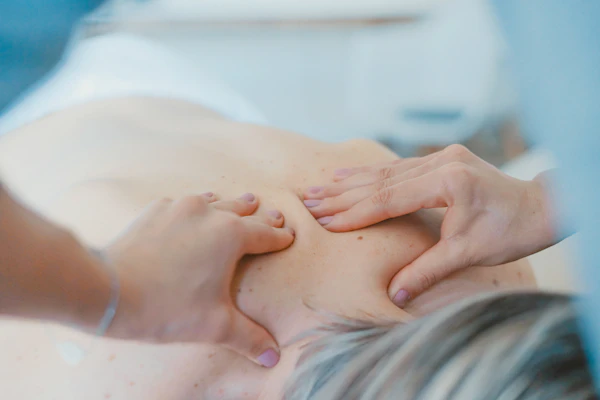
Sleep is foundational, but complete recovery requires integration with other modalities. Stretching and mobility work performed 1-2 hours before sleep enhances parasympathetic activation and improves sleep quality. Professional massage reduces muscle tension and cortisol, supporting both sleep onset and deep sleep.
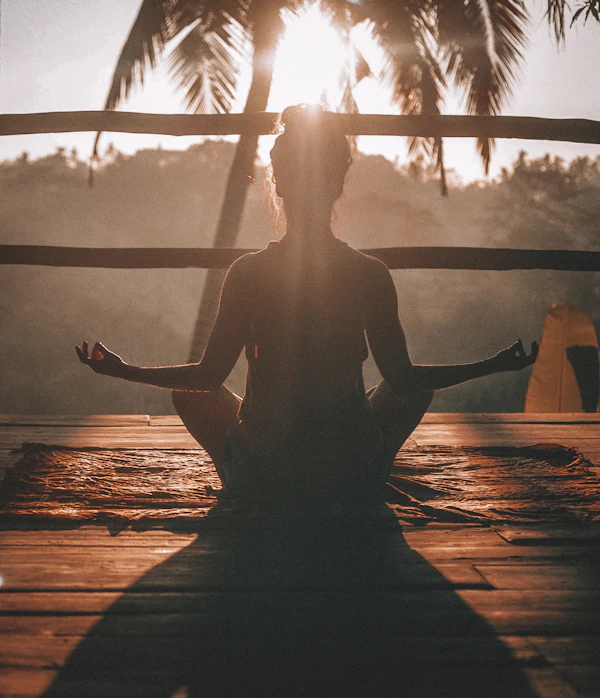
Meditation and mindfulness practices directly improve sleep quality by reducing racing thoughts and anxiety. Even 10 minutes of meditation or breathing exercises in the evening significantly improves sleep outcomes.
During intense training phases, consider supporting your sleep optimization strategy with targeted protein supplementation that supports muscle recovery without sleep disruption, and ensure your training approach during Ramadan aligns with the sleep challenges that month presents.