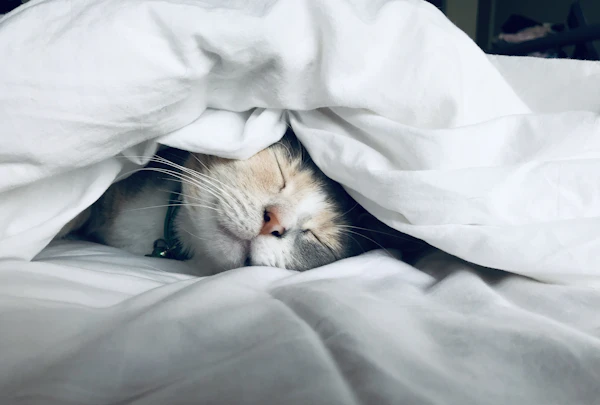
Sleep is the ultimate performance-enhancing tool for fitness, yet Dubai's extreme heat, intense light exposure, and time zone disruptions make quality rest nearly impossible for expats and frequent travellers. This guide reveals the science-backed protocols used by elite athletes and remote workers in the Gulf to reclaim deep sleep, recover faster between training sessions, and beat jet lag within 3-4 days.
Quick Navigation
- Why Dubai Disrupts Sleep
- Understanding Jet Lag: Dubai's Unique Position
- Fast-Track Jet Lag Recovery Protocol
- Sleep Hygiene Principles for Dubai Residents
- The Best Supplements for Sleep in Dubai
- Sleep & Exercise Timing in Dubai
- Apps & Technology for Better Sleep
- When to See a Sleep Specialist in Dubai
Why Dubai Disrupts Sleep (Heat, Light, Time Zones)
Dubai's climate and lifestyle create a perfect storm for sleep disruption. Daytime temperatures exceed 40°C (104°F) from May through September, raising core body temperature and triggering excessive sweating during the night. Sleep quality depends on a 1-2°C drop in core body temperature—when your body stays too warm, you experience more sleep fragmentation and reduced REM sleep, the stage critical for emotional regulation and athletic recovery.
The UAE's geographic position also means intense light exposure extends well into evening hours. Sunset in Dubai occurs around 6:50 PM in winter and 7:30 PM in summer, but the intense Arabian sun creates a plateau of brightness that suppresses melatonin production (the hormone that signals sleep time). Combined with high use of screens and artificial lighting in homes and gyms, your circadian rhythm—the 24-hour internal clock regulating sleep—becomes severely desynchronized.
For expats and business travellers, the time zone creates additional chaos. Dubai operates on Gulf Standard Time (GST, UTC+4), which sits between Europe and Asia, making it difficult for those with multiple international commitments. Your sleep debt accumulates quickly when you're fighting both heat and jet lag simultaneously.
- Extreme heat (40°C+) raises core body temperature at night
- Intense sun exposure suppresses evening melatonin production
- Low humidity (10-30%) increases respiratory dehydration
- Light pollution from indoor and outdoor sources
- Time zone differences for frequent international travellers
- Stress and cortisol elevation in expat populations
Understanding these disruptions allows you to design targeted interventions. Rather than fighting your biology, you'll work with it.
Understanding Jet Lag: Dubai's Unique Position
Jet lag—scientifically called desynchronosis—occurs when your internal circadian rhythm falls out of sync with the external light-dark cycle. Recovery takes roughly one day per hour of time zone change, though individual variation is high.
Dubai's position is uniquely challenging. If you're flying from London (4 hours behind), New York (8 hours behind), or Hong Kong (4 hours ahead), you experience either phase advancement (clock "springs forward"; easier to recover) or phase delay (clock "falls back"; harder to recover). Flying east to Dubai requires advancing your sleep schedule, which is neurologically more difficult than delaying it.
The city's booming business hub role means frequent flights—many Dubai residents are flying back to Europe, Asia, or North America every month. This chronic jet lag becomes a performance killer. Research shows that frequent flyers experience 15-30% reductions in cognitive performance, higher injury rates in sports, and suppressed immune function.
Recovery time depends on three factors:
- Direction: Eastbound flights require 50% longer recovery than westbound flights
- Duration: Crossing more than 6 time zones; every additional hour requires extra recovery
- Individual chronotype: "Evening people" (late chronotype) recover faster from eastbound flights; "morning people" (early chronotype) recover faster from westbound
The good news: strategic light exposure, melatonin timing, and exercise protocols can compress recovery from 8-12 days down to 3-4 days.
Ready to Optimize Your Recovery?
Explore wellness services and sleep optimization programs across Dubai. Book a consultation with recovery specialists today.
Fast-Track Jet Lag Recovery Protocol
This protocol is adapted from the U.S. Olympic Team's jet lag management program and has been tested with Dubai's expat fitness community. It works best for flights crossing 6+ time zones.
Days Before Departure: Pre-Adaptation Phase
Begin adjusting your sleep schedule 3-4 days before departure. If flying east (toward Dubai), shift your sleep earlier by 1-2 hours per day. If flying west (leaving Dubai), shift sleep later.
- Eastbound: Sleep at 10:00 PM instead of midnight; wake at 6:00 AM instead of 8:00 AM
- Westbound: Sleep at 1:00 AM instead of 11:00 PM; wake at 9:00 AM instead of 7:00 AM
This "anchor adjustment" gives your circadian rhythm a head start. Don't go all-in—incremental shifts prevent the rebound insomnia that derails many travellers.
During Flight: Light & Melatonin Strategy
The flight itself is critical. Your eyes control your circadian clock via specialized photoreceptors (intrinsically photosensitive retinal ganglion cells) that detect blue light wavelengths. Use this:
- Eastbound to Dubai: Seek light during the flight's first half (daytime on the clock you're leaving). Avoid light during the second half (use blackout shade, wear blue-light-blocking glasses). Take 0.5-3 mg melatonin 30 minutes before intended sleep.
- Westbound from Dubai: Avoid light during the flight's first half; seek light during the second half. Delay melatonin by 4-6 hours compared to your usual bedtime.
Blue-light-blocking glasses (sold at Boots Dubai, Life Pharmacy) cost AED 40-80 and are highly effective. Don't rely on the airline's dim cabin lighting—most provides only 1-2 lux, insufficient for circadian adaptation.
Arrival: The Critical 72-Hour Window
The first 3 days after arrival determine your recovery trajectory.
Immediate (First Day):
- Get direct sunlight immediately upon arrival (7:00-9:00 AM local time is ideal). Aim for 10,000+ lux for 20-30 minutes
- Avoid napping, even if exhausted. Napping resets your circadian clock backward
- Eat meals at local meal times to reinforce the local clock
- Stay hydrated; the dry Dubai air accelerates dehydration, worsening fatigue
- Avoid alcohol; it fragments sleep even if it helps you fall asleep
Days 2-3:
- Repeat bright light exposure in the morning (30-40 minutes between 6:00-9:00 AM local time)
- Exercise in the late morning (10:00 AM-12:00 PM local time); exercise timing accelerates phase shifts
- Take melatonin 30 minutes before your target bedtime (8:00-9:30 PM local time)
- Keep sleep environment dark; use blackout curtains or sleep masks
By day 4, most travellers report normal sleep onset and consolidated sleep duration.
Dubai's location near the Equator means sunlight intensity is consistently high. The Al Marmoom Desert sunrise offers 8,000+ lux of unobstructed light ideal for circadian reset. A 15-20 minute session near dawn provides maximum benefit. Alternatively, spend time on a beach or open area without sunglasses during 7:00-9:00 AM.
Sleep Hygiene Principles for Dubai Residents
Sleep hygiene refers to behavioral and environmental practices that promote consistent, high-quality sleep. Dubai's climate makes certain practices essential, not optional.
Temperature Control: The Foundation
Your bedroom temperature is the single most important factor. The ideal sleep temperature is 15-19°C (59-66°F)—about 1-2°C below most people's comfort level while awake. Dubai homes built for daytime heat often reach 28-32°C at night despite air conditioning.
Practical strategies:
- Bedroom AC: Set to 18-20°C (64-68°F) starting 1-2 hours before sleep. Use a programmable smart thermostat to reduce temperature automatically at 9:00 PM
- Blackout curtains: Install motorized blackout curtains to block light from 6:00 PM onward. Even streetlights and nearby buildings' lights disrupt sleep. Cost: AED 200-400 per window at local suppliers
- Bedding: Use moisture-wicking sheets (bamboo, linen) instead of cotton. The dry air and night sweating create uncomfortable humidity retention
- Mattress quality: An older, worn mattress retains heat. Consider cooling gel mattress toppers (AED 250-500) or water mattresses
Light Management
Light is a master regulator of melatonin. Even small amounts of light penetrating from hallways, screens, or outside reduce melatonin by 50%+.
- Remove all electronic light sources from your bedroom (chargers, clock radios, TV standby lights). Use a sleep mask if light leaks persist
- Use red or amber lighting (below 500nm wavelength) if you need to get up at night. Red light doesn't suppress melatonin. Some Dubai pharmacies sell red nightlights (AED 30-60)
- Install dimmers on all bedroom lights and set them to 10-20% brightness after 7:00 PM
- Avoid screens 60 minutes before bed, or use blue-light-filtering glasses if you must use them
Sound & Sensory Input
Dubai's urban noise (construction, traffic, nearby mosques' call to prayer from 5:00-5:30 AM) disrupts sleep. Options:
- White noise machines: Use apps like Noisli or White Noise+ (free-AED 20), or hardware machines (AED 50-150 at electronics stores)
- Earplugs: Foam earplugs (AED 5-15) reduce noise by 20-30 dB; better options include custom-molded earplugs (AED 100-300 from audiology clinics)
- Strategic speaker placement: Playing 8-hour looped ambient sounds (rain, ocean waves) through a bedroom speaker (AED 80-200) masks disruptive noise
Sleep Routine & Consistency
Your circadian rhythm thrives on consistency. Going to sleep at 11:00 PM one night and 1:00 AM another prevents your body from developing a predictable sleep architecture.
- Set a consistent bedtime and wake time (within 30 minutes) even on weekends
- Establish a 30-minute wind-down routine: low-intensity stretching, reading, or meditation
- Avoid caffeine after 2:00 PM (Dubai's strong Arabic coffee carries 60-100 mg caffeine per small cup; many consume 200+ mg daily)
- Avoid heavy meals 3-4 hours before sleep; digestion prevents deep sleep entry
The Best Supplements for Sleep in Dubai
Supplementation is not a replacement for sleep hygiene, but science-backed supplements can accelerate adaptation and improve sleep quality by 20-40% when combined with behavioral strategies.
| Supplement | Purpose | Dosage | Price (AED) | Where to Buy |
|---|---|---|---|---|
| Melatonin 5mg | Jet lag, sleep onset | 0.5-3 mg, 30 min before bed | 25-60 | Boots, Life Pharmacy |
| Magnesium Glycinate | Deep sleep quality, muscle relaxation | 300-400 mg before bed | 40-120 | iHerb, Holland & Barrett |
| Ashwagandha | Stress, cortisol reduction | 300-600 mg daily | 60-150 | iHerb, Organic Foods & Café |
| L-Theanine | Relaxation without sedation | 100-200 mg, 60 min before bed | 50-100 | iHerb, supplement stores |
| Valerian Root | Sleep duration, WASO reduction | 400-900 mg, 1-2 hours before bed | 30-80 | Life Pharmacy, online |
Melatonin: The Jet Lag Gold Standard
Melatonin is the most researched supplement for jet lag. Studies show that 0.5-3 mg taken 30 minutes before intended sleep accelerates phase shifts by 1-2 days. Contrary to common belief, more isn't better—doses above 5 mg don't improve results and may cause morning grogginess.
Available at Boots Dubai (AED 35-50 per month), Life Pharmacy (AED 25-40), and online via iHerb (AED 30-60 with shipping). Look for "fast-dissolve" or "sublingual" formulations for faster absorption.
Timing is critical: Take melatonin when you want to shift your sleep earlier (eastbound to Dubai). Don't use it for westbound travel, where light exposure alone is more effective.
Magnesium Glycinate: Deep Sleep Quality
Magnesium activates GABA receptors, the brain's primary inhibitory neurotransmitter, promoting calm and sleep. Glycinate is the preferred form for sleep because it's gentler on digestion than magnesium oxide.
Dosage: 300-400 mg 30-60 minutes before bed. Available at iHerb (AED 40-80 for 30-day supply) and Holland & Barrett Dubai mall locations (AED 60-120). Start at 200 mg to assess tolerance.
Ashwagandha: Cortisol Management
Expats often experience elevated cortisol (stress hormone) from visa concerns, family separation, or unfamiliar culture. Ashwagandha (Withania somnifera) reduces cortisol by 25-30% and improves sleep quality by lowering nighttime arousal.
Dosage: 300-600 mg daily, divided into two doses (morning and evening). Cost: AED 80-150 per month from iHerb. Local option: Organic Foods & Café (multiple Dubai locations) carries Ashwagandha at AED 90-130.
When to Avoid Supplements
If you're on medications for anxiety, depression, or blood pressure, consult a doctor before starting supplements—interactions are possible. Pregnant and nursing women should avoid melatonin and valerian root.
Combine Sleep Optimization with Fitness
Better sleep means better recovery and faster fitness gains. Find a personal trainer in Dubai who specializes in recovery-focused programming to maximize your sleep investment.
Sleep & Exercise Timing in Dubai
Exercise is one of the most powerful interventions for improving sleep quality—but timing matters enormously. Poor timing can actually delay sleep and worsen jet lag.
The Circadian-Exercise Connection
Exercise shifts your circadian rhythm through two mechanisms: light exposure (if exercising outdoors) and core body temperature elevation. These shifts are directional—morning exercise advances your clock (shifts sleep earlier), while evening exercise delays it (shifts sleep later).
For residents with stable sleep patterns: Exercise in the morning (6:00-8:00 AM) or late afternoon (4:00-5:00 PM). Avoid intense exercise after 7:00 PM, as elevated core temperature and adrenaline prevent sleep onset for 3-4 hours.
For jet-lagged travellers (first 3 days):
- Eastbound to Dubai: Exercise in the late morning (10:00 AM-12:00 PM local time). This provides light exposure AND temperature elevation when you need your body temperature to be elevated (to facilitate the earlier sleep the next day)
- Westbound from Dubai: Exercise in the late afternoon (4:00-5:00 PM local time). This delays your temperature peak, signaling to your body that sleep should come later
Practical Dubai Exercise Timing
Dubai's extreme heat makes morning and late afternoon crucial. Midday heat (1:00-4:00 PM) poses heat illness risk for outdoor exercise.
- Early morning (5:30-7:00 AM): Outdoor running, cycling, or outdoor bootcamps. Temperature: 18-24°C. Provides maximum light exposure and advances circadian rhythm.
- Late afternoon (4:00-5:30 PM): Gym sessions (air-conditioned), swimming, or outdoor beach workouts. Temperature: 28-32°C (increasingly comfortable as sun lowers)
- Evening (6:00-7:30 PM): Light stretching, yoga, or walking only. Avoid strength training and high-intensity cardio
Recovery-focused training (which we detail in our complete sleep and recovery guide) includes lower-intensity work designed specifically to promote sleep. Swimming in particular improves sleep quality by 65% in studies, likely due to the cooling effect and low-impact nature.
Sleep Debt from Intense Training
Athletes doing heavy strength training or high-intensity interval training (HIIT) should know: training increases sleep need by 30-60 minutes per night. If you train hard at 6:00 PM, your body won't be ready for sleep until 11:30 PM or midnight, even if you normally sleep at 10:30 PM.
Plan your training schedule to allow 4-5 hours of post-exercise recovery before sleep. This is another reason early morning or late-afternoon training suits Dubai's climate better than evening.
Apps & Technology for Better Sleep in Dubai
Sleep tracking and app-guided interventions have exploded in sophistication. Some are genuinely useful for optimization; others are marketing noise. Here's what works:
Sleep Tracking & Data
Sleep trackers (watches, rings, or bed-based sensors) measure sleep duration and phases (light, deep, REM). The most accurate options:
- Oura Ring Gen 3: AED 900-1,200. Most accurate wearable for sleep tracking. Tracks core temperature, heart rate variability, and sleep phase. Excellent for identifying patterns (e.g., "I sleep worse after caffeine after 2 PM")
- Apple Watch Series 9: AED 1,299-1,599. Good sleep tracking integrated with health ecosystem. Less accurate than Oura but excellent for overall fitness integration
- Garmin Forerunner 955: AED 1,500-1,800. Designed for athletes; includes training load vs. recovery metrics. Helps you understand if your training outpaces your sleep recovery
All are available at Carrefour, Noon.com, or electronics retailers across Dubai. Budget alternatives (AED 100-400 from Xiaomi, Fitbit) provide basic tracking sufficient for behavioral optimization.
Sleep Apps & Guided Meditation
Calm (AED 89/year or AED 10/month): Guided sleep meditations, stories narrated by celebrities, and sleep music. Evidence shows 10-15 minutes before bed reduces time to sleep onset by 10-15 minutes. Download offline; useful for flights to/from Dubai.
Insight Timer (Free, or AED 8/month premium): 100,000+ free meditations, including sleep-focused sessions. Larger library than Calm and excellent for stress management—critical for expats dealing with cultural adjustment.
Sleep Cycle (AED 30/month or AED 150/year): Analyzes your sleep phases and wakes you during light sleep when you're most alert. Reduces morning grogginess by 50-70% in studies. Pairs with wearables for better tracking.
Noisli (Free-AED 30/year): Ambient soundscapes (rain, thunderstorms, ocean waves, coffee shop noise). Blocks disruptive Dubai noise effectively. Download offline; costs minimal data.
Smart Home Integration
Automating your sleep environment removes friction and ensures consistency:
- Smart thermostat (Nest, ecobee): AED 400-800. Program temperature drops starting at 8:00 PM, reaching 18°C by 10:00 PM. Wakes to a cooler environment reducing grogginess.
- Smart lights (Philips Hue, LIFX): AED 200-500 per bulb. Automate lights to shift to warm (amber/red) 2 hours before sleep and gradually dim. Reduces blue light exposure automatically.
- Smart blackout curtains: AED 1,500-3,000 (installation). Fully automate light blockade at sunset. Worth the investment if you work late or travel frequently.
Most integrate with Apple HomeKit, Google Home, or Alexa. Setup takes 1-2 hours but pays dividends through improved consistency and compliance.
When to See a Sleep Specialist in Dubai
If you've implemented the above strategies for 4-6 weeks and sleep hasn't improved, professional evaluation is warranted. Chronic sleep issues indicate possible sleep disorders (sleep apnea, insomnia, restless leg syndrome) that respond well to specialist care.
Top Sleep Clinics in Dubai
- American Hospital Dubai, Sleep Medicine Center: Doctor Zahra AlJarwan specializes in sleep disorders. Consultation: AED 400-500. Offers full sleep studies (polysomnography) for AED 2,500-3,500. Located in Bur Dubai; contact +971-4-336-7777
- German Hospital, Sleep Lab: Consultation: AED 350-450. Sleep studies available. Located in Garhoud; contact +971-4-308-8888
- Medicana Hospital, Sleep Disorders Unit: Consultation: AED 300-400. Good option for expats with UAE health insurance. Jebel Ali location; contact +971-4-818-8888
What to Expect
Initial consultation (45-60 minutes) covers your sleep history, symptoms, and preliminary assessment. If a sleep disorder is suspected, the doctor orders a sleep study (polysomnography)—you sleep overnight in the clinic while sensors monitor brain activity, eye movement, muscle tone, heart rate, and breathing. Cost: AED 2,500-3,500. Results take 5-7 days.
Treatment depends on diagnosis: cognitive behavioral therapy for insomnia (CBT-I), CPAP machines for sleep apnea (AED 1,500-3,000), or medication in some cases.
Sleep studies may be covered by comprehensive UAE health insurance plans (Daman, ADNIC, Axa), but consultation fees are often out-of-pocket. Check your policy before booking. Many expats find the AED 400-500 consultation fee worth the cost given the performance impact.