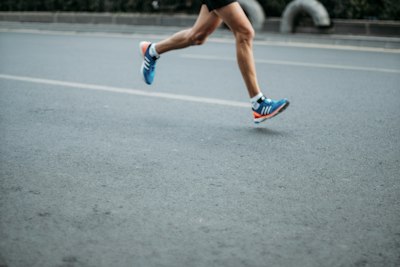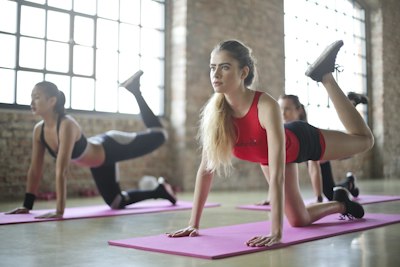
Running in Dubai presents unique challenges: extreme heat, unforgiving pavement, variable terrain, and the mental demands of training in one of the world's most intense fitness communities. Whether you're pounding the promenade at Jumeirah or tackling the Dubai Creek Harbour running routes, mobility and stretching protocols are non-negotiable for injury prevention and performance. This complete guide covers everything you need from pre-run dynamic warm-ups to post-run cool-downs, targeting the specific muscle imbalances runners develop, and the exact routines used by elite runners competing in Dubai's growing race scene.
Why Mobility Matters for Dubai Runners
Runners often skip mobility work a critical mistake that leads to injury and limited performance. Running is repetitive: thousands of identical movements per session, all recruiting the same muscle groups in the same patterns. This creates muscular imbalances, restricted ranges of motion, and compensatory movement patterns that accumulate over time.
The Runner's Mobility Problem
Tight hip flexors, weak glutes, stiff ankles, and restricted thoracic mobility are epidemic in the running community. These restrictions force the body to move around them your knee must compensate for a tight hip, your lower back must stabilize for weak glutes, your ankle must work harder for poor dorsiflexion. These compensations create injury.
Dubai-Specific Factors
- Heat-induced dehydration: Reduces tissue elasticity and increases injury risk
- Hard pavement surfaces: Most Dubai running routes are concrete or asphalt unforgiving surfaces that demand exceptional mobility to absorb shock
- Year-round intensity: Dubai's fitness culture means many runners train hard year-round without seasonal variation
- Humidity restriction: High humidity reduces evaporative cooling, increasing core temperature and affecting muscle function
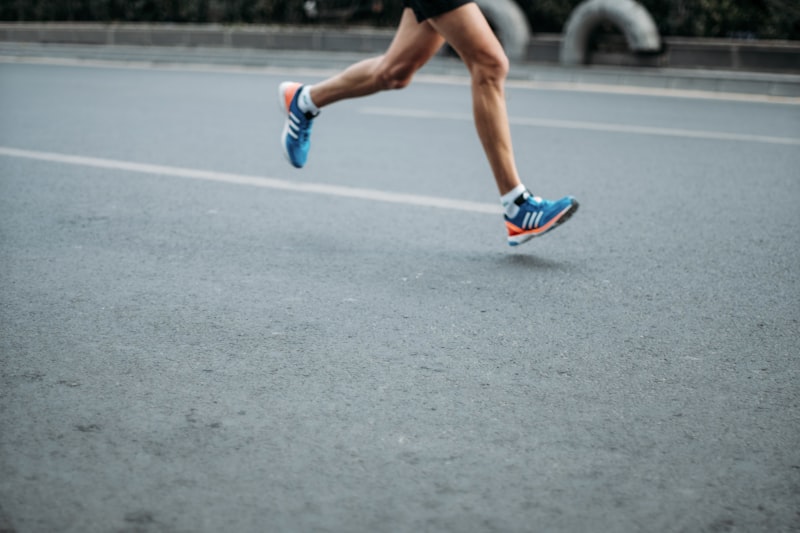
Research from the Journal of Orthopaedic & Sports Physical Therapy shows that 70% of common running injuries (knee pain, IT band syndrome, plantar fasciitis) stem from mobility restrictions and muscular imbalances all preventable with proper warm-up and cool-down routines.
Pre-Run Dynamic Warm-Up: 10-Minute Protocol
Do NOT stretch statically before running. Static stretching before a run decreases muscular force production and increases injury risk. Instead, perform dynamic mobility drills that warm muscles, increase heart rate, and prepare your neuromuscular system for running.
The 10-Minute Pre-Run Warm-Up Sequence
Minutes 1-2: General Movement Activation
- Arm circles: 30 seconds (forward and backward)
- Leg swings: 30 seconds forward/back, 30 seconds side-to-side
- Torso rotations: 30 seconds (hands behind head, rotate torso)
- Light jogging in place: 30 seconds, gradually increasing intensity
Minutes 3-8: Dynamic Stretching Sequence
Perform each exercise for 45-60 seconds, flowing continuously through the sequence:
- Walking knee hugs: Step forward, pull knee to chest, step, repeat. 10 reps per leg
- Walking quad stretch: Step forward, pull rear heel to glutes, step, repeat. 10 reps per leg
- Walking hamstring stretch: Step forward with straight leg, reach toward toes, step back. 10 reps per leg
- Walking lunge with reach: Lunge forward, reach arms overhead, push hips forward. 10 reps per leg
- Inchworm with push-up: Stand, walk hands to plank, perform push-up, walk feet to hands. 8 reps
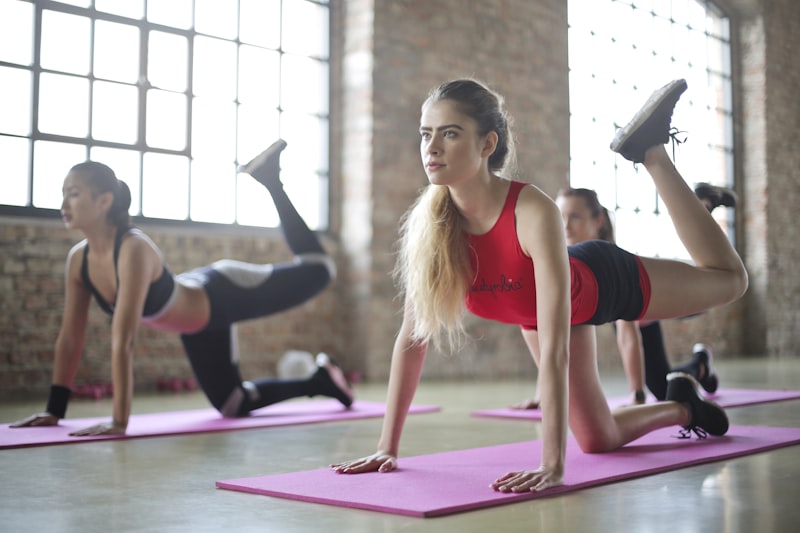
- Glute bridge march: Lie on back, push hips to ceiling, alternate bringing knees to chest. 15 reps
Minutes 9-10: Drills & Running-Specific Movement
- High knees: 30 seconds, focusing on knee height and cadence
- Butt kicks: 30 seconds, heel toward glutes
- A-skips: 30 seconds, emphasizing vertical knee drive
- Light jogging acceleration: 30 seconds, gradually building to easy run pace
After this 10-minute sequence, you're ready to begin your run. Your muscles are warm, heart rate is elevated, and your neuromuscular system is prepared for the demands of running.
Post-Run Static Stretching: 15-Minute Cool-Down
After your run, muscles are warm and blood flow is elevated the perfect window for static stretching. Static stretches held 30-45 seconds promote flexibility, reduce soreness, and aid recovery.
The 15-Minute Post-Run Cool-Down Sequence
Perform each stretch for 45 seconds, then switch to the opposite side for 45 seconds. Move slowly and hold deeply but comfortably no bouncing.
Lower Body Focus (12 minutes)
- Standing quad stretch: Pull heel to glutes, keep torso upright. 45 sec per leg
- Standing hamstring stretch: Place heel on bench, reach toward toes. 45 sec per leg
- Standing calf stretch: Step back, lower heel to ground, feel calf stretch. 45 sec per leg
- IT band stretch (figure-4): Sit, cross right ankle over left knee, pull knee to chest. 60 sec per side
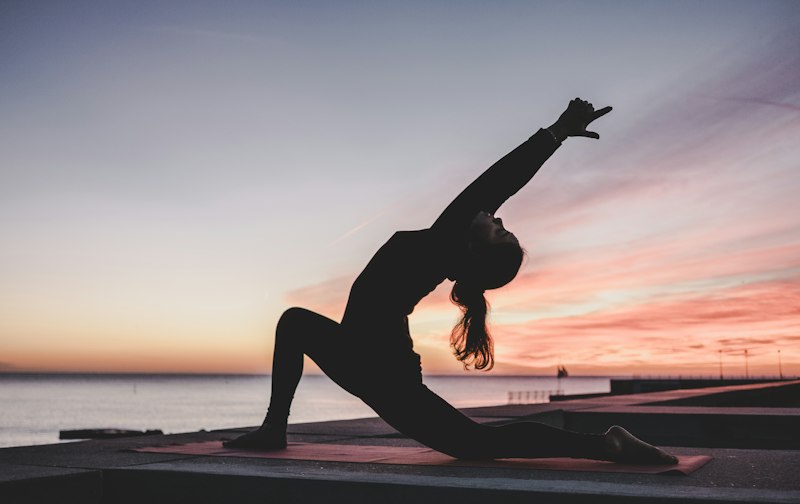
- Pigeon pose: Front leg bent, back leg extended, fold forward. This is gold for hip opening. 60 sec per side
- Seated hamstring stretch: Sit, both legs extended, reach toward toes. 45 sec
- Butterfly stretch: Sit, soles of feet together, fold forward gently. 45 sec
- Supine glute stretch: Lying down, pull knee across body. 45 sec per leg
Upper Body & Core Focus (3 minutes)
- Standing chest/shoulder stretch: Clasp hands behind back, lift chest. 45 sec
- Standing torso twist: Hands behind head, rotate torso gently. 30 sec per side
- Standing hip flexor stretch: Lunge position, push hips forward, feel front hip stretch. 45 sec per side
While stretching, breathe deeply and slowly. Inhale for 4 counts, hold for 4, exhale for 6. Deep breathing activates parasympathetic nervous system (relaxation response), accelerating recovery. Never hold your breath during stretches.
Key Muscle Groups for Runners: The Mobility Blueprint
Runners develop tightness in specific areas due to the repetitive running pattern. Understanding which muscles need attention prevents injury:
Hip Flexors (Iliopsoas, Rectus Femoris)
Why they tighten: Running emphasizes the knee drive phase, constantly contracting hip flexors.
Problems from tightness: Tight hip flexors create anterior pelvic tilt, shifting your pelvis forward. This reduces glute activation, forces your lower back to compensate, and can cause lower back pain.
Key stretch: Half-kneeling hip flexor stretch, lunge position with back knee down, push hips forward gently. 60 seconds per side.
Hamstrings (Biceps Femoris, Semitendinosus, Semimembranosus)
Why they tighten: Hamstrings work eccentrically during the landing phase of running, creating micro-damage and tightness.
Problems from tightness: Tight hamstrings restrict hip flexion, force your lower back to compensate by rounding, and increase injury risk during sprinting or hills.
Key stretch: Seated hamstring stretch or standing hamstring stretch with foot elevated on bench, reach toward toes. 45-60 seconds.
Gastrocnemius & Soleus (Calves)
Why they tighten: Calf muscles work constantly during the push-off phase of running.
Problems from tightness: Restricted ankle dorsiflexion (toes toward shin), limiting your ability to land properly. This forces compensatory stress through knees.
Key stretch: Standing calf stretch with heel on ground, lean forward. Or downward dog in yoga. 45-60 seconds per side.
Glutes (Gluteus Maximus, Medius, Minimus)
Why they weaken: Modern life sitting at desks, driving cars creates "dead butt syndrome," where glutes atrophy and lose activation.
Problems from weakness: Weak glutes mean your hips collapse inward during running (Trendelenburg gait), forcing stress through knees and causing IT band pain, knee pain, and ankle issues.
Key activation exercises: Glute bridges, clamshells, single-leg deadlifts, step-ups. Also: pigeon pose and deep stretching after runs.
IT Band (Iliotibial Band)
Why it tightens: Tight hip muscles, weak glutes, and repetitive running stress the IT band a fascia running along the outside of the thigh.
Problems from tightness: IT band syndrome causes lateral knee pain, one of the most common running injuries. It's more preventable than most realize proper hip mobility and glute strength stop IT band pain before it starts.
Key stretch: Figure-4 stretch, sitting with right ankle over left knee, pull left knee to chest. 60 seconds per side. Also foam roll the IT band gently 90 seconds per leg.
Anterior Tibialis (Shins)
Why it tightens: The anterior tibialis concentrically contracts to lift your foot during the swing phase, absorbing load during landing.
Problems from tightness: Shin splints, anterior compartment pain, and inability to dorsiflex (lift toes toward shin) properly. Poor dorsiflexion forces excessive plantarflexion (pointing toes), stressing calves.
Key stretch: Kneel on the ground, tops of feet flat, sit back on heels. Advanced: lean back slightly. 45 seconds.
Hip Mobility Exercises: The Runner's Foundation
Hip mobility is foundational every running injury traces back to hip dysfunction. Spend 5-10 minutes daily on hip mobility, not just after runs:
90/90 Stretch (Hip External Rotation)
Sit on ground, right leg bent in front (90 degrees), left leg bent beside (90 degrees). Fold forward over right leg. This stretches deep hip external rotators (piriformis). Hold 60 seconds per side.
Deep Lunge with Quad Stretch
Lunge position, back knee down, pull back heel toward glutes. This double-stretches hip flexors (front) and quads (back). Hold 60 seconds per side.
Cossack Squat (Hip Adduction/Abduction Mobilization)
Stand with wide legs, shift weight to one leg (that leg bends, other stays straight). Feel the stretch on the straight leg's inner thigh. Shift side to side, 30 seconds each direction.
World's Greatest Stretch
From standing position: (1) forward fold, (2) lunge with hands down, (3) quarter-turn to rotation lunge, (4) reach arm up. 8-10 reps per side. This mobilizes entire lower body in one movement.
Advanced Mobility Training for Runners
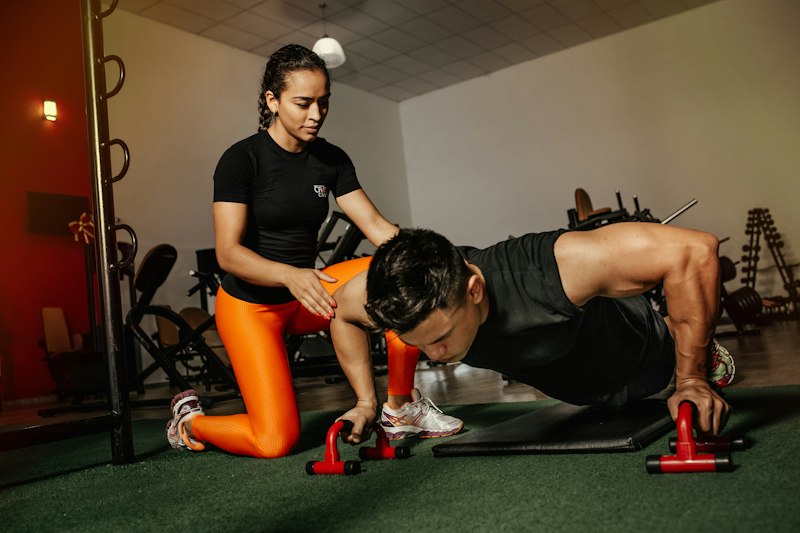
Book a session with Dubai's top mobility coaches to diagnose your specific restrictions and get a personalized routine.
Ankle & Foot Mobility: The Neglected Foundation
Runners often ignore ankles until they're injured. Yet poor ankle mobility cascades up the chain bad ankles cause knee pain, hip pain, and lower back pain.
Ankle Dorsiflexion Drills
Sit, place resistance band around ball of foot. Pull toes toward shin against resistance. 2 sets of 15 reps. Do this daily for 2 weeks to improve dorsiflexion.
Ankle Alphabet
Sit, extend one leg. "Write" the alphabet with your toes. This mobilizes the ankle through all planes of motion. 5 minutes per leg, 2-3 times weekly.
Toe Yoga (Plantar Fascia Mobility)
Barefoot, curl all toes under, walk around for 60 seconds (activates intrinsic foot muscles). Then spread toes wide, walk for 60 seconds. Repeat 3-4 cycles.
Lacrosse Ball Foot Massage
Stand, roll a lacrosse ball (or golf ball) along the sole of your foot, targeting tight areas. Roll for 2-3 minutes per foot, daily. This prevents plantar fasciitis.
Foam Rolling Routine for Runners: 12-Minute Protocol
Foam rolling is self-myofascial release using a cylindrical foam roller to apply pressure to tight muscles, breaking up fascial adhesions and improving blood flow. Research shows foam rolling reduces soreness and improves range of motion.
Complete Post-Run Foam Rolling Sequence
Roll slowly, 60-90 seconds per muscle group, 1-2 times daily post-run. Avoid rolling directly on joints or bones.
- Quads: Face down, roller under thighs, roll from hip to knee. 90 seconds
- IT Band: Lie on side, roller on outer thigh, roll from hip to knee. 90 seconds per leg
- Calves: Sit, roller under calves, roll from knee to ankle. 90 seconds
- Glutes: Sit on roller positioned under glutes, roll side to side. 60 seconds
- Hamstrings: Sit, roller under back of thighs, roll from glute to knee. 60 seconds
- Lower back (carefully): Lie back on roller positioned under lower back, roll gently. 60 seconds (avoid rolling directly on spine)
Pre-Run Lighter Rolling (Optional)
Before running, you can do very light foam rolling (30 seconds per muscle) as part of warm-up, focusing on activation rather than deep release. Most runners skip pre-run rolling focus on dynamic stretching instead.
Yoga Poses for Runner Recovery: 20-Minute Routine
Yoga combines stretching, mobility, and parasympathetic activation ideal for runner recovery. Perform 2-3 times weekly:
15-Minute Yin/Restorative Yoga Sequence
- Child's pose: 2 minutes (gentle, no pushing)
- Cat-cow (alternating): 2 minutes, flowing with breath
- Downward dog: 1 minute (great calf and hamstring stretch)
- Low lunge (left): 3 minutes, hip flexor and quad stretch
- Low lunge (right): 3 minutes
- Pigeon pose (left): 3 minutes, deep hip opener
- Pigeon pose (right): 3 minutes
- Reclined figure-4 (left): 2 minutes
- Reclined figure-4 (right): 2 minutes
- Supine twist (left): 1 minute
- Supine twist (right): 1 minute
- Savasana (final rest): 5 minutes, lying down, complete relaxation
Many Dubai studios offer yin yoga and restorative yoga classes specifically designed for runners and athletes. Joining a class provides accountability and expert cueing on proper alignment.
Dubai's Heat & Humidity: Unique Recovery Considerations
Running in Dubai's climate demands modified mobility and recovery strategies:
Heat-Induced Muscle Tightness
Paradoxically, Dubai's heat makes muscles feel more flexible initially (warm muscles stretch further), but dehydration and electrolyte loss actually reduce true muscle function. Your muscles feel loose but fatigue faster and injure more easily.
Modified Warm-Up in Heat
- Reduce intensity by 10-15% when warming up in extreme heat (40°C+)
- Extend warm-up duration to 12-15 minutes (vs 10 normally)
- Hydrate 250ml water before warm-up begins
- Consider running during cooler hours (5-7am or 6-8pm)
Extended Cool-Down in Heat
- Extend cool-down to 20 minutes (vs 15 normally)
- Prioritize internal temperature reduction walk in shade, use air-conditioned facilities
- Hydrate aggressively during cool-down: 500ml in first 10 minutes post-run
- Cool-down stretching can be done indoors (air-conditioned gym or home)
Summer Running (June-August) Adjustments
During extreme summer heat, many elite runners shift training to early morning (4-6am) or later evening (8-10pm). This requires adjusting your typical mobility routine:
- Early morning runs: Extend warm-up as muscles are cold despite the heat
- Evening runs: Still prioritize thorough cool-down (don't skimp just because sun has set)
- Both: Increase hydration overall, not just during/post-run

When to Stretch: Timing Protocols for Maximum Benefit
Timing matters tremendously for stretching effectiveness:
| Time | Stretch Type | Duration | Purpose |
|---|---|---|---|
| Morning (pre-workout) | Dynamic, movement-based | 10-15 min | Warm muscles, prepare nervous system |
| Before running | Dynamic warm-up | 10 min | Elevate heart rate, mobility prep |
| Immediately post-run | Static stretching | 15 min | Flexibility gains, reduce soreness |
| Evening (6+ hours post-run) | Yoga or slow stretching | 20-30 min | Deep recovery, parasympathetic activation |
| Rest days | Yoga, foam rolling, mobility | 30-45 min | Maximum flexibility gains, recovery |
Studies consistently show that static stretching within 30 minutes before intense exercise decreases strength and power by 3-8%. This reduces running economy and increases injury risk. Always do dynamic stretching pre-run, static stretching post-run.
Common Running Injuries & Prevention Through Mobility
These are the most common running injuries in Dubai all preventable with proper mobility:
Patellofemoral Pain (Knee Pain)
Root cause: Tight hip flexors + weak glutes = knee tracks inward, causing abnormal patellar tracking.
Prevention: Daily hip flexor stretches (90/90 stretch), glute activation (bridges, single-leg deadlifts), quadriceps mobility work.
IT Band Syndrome
Root cause: Tight IT band + weak glutes + poor hip mechanics.
Prevention: Pigeon pose daily, figure-4 stretching, foam roll IT band (gently), glute strengthening exercises, running gait analysis.
Plantar Fasciitis (Heel Pain)
Root cause: Tight calves + poor ankle dorsiflexion + weak foot arch.
Prevention: Daily calf stretching, ankle dorsiflexion work, lacrosse ball foot massage, arch strengthening exercises.
Shin Splints (Anterior Tibial Pain)
Root cause: Weak anterior tibialis + tight calves + rapid mileage increase.
Prevention: Anterior tibialis strengthening (shin taps), calf stretching, gradual mileage progression, running surface variety.
Achilles Tendinitis
Root cause: Tight calves + insufficient ankle mobility + overtraining.
Prevention: Aggressive calf mobility work, eccentric calf strengthening, adequate recovery, gradual progression.
Dubai Running Resources & Mobility Classes
Dubai offers excellent resources for runners seeking mobility and flexibility coaching:
Running Clubs with Mobility Focus
- Dubai Creek Harbour Running Club: Regular group runs with post-run mobility sessions
- JBR Beach Runners: Community runs with structured warm-ups and cool-downs
- Dubai Marathon Training Group: Structured training with recovery protocols
- Al Forsan Marathon Club: Desert running, specialized conditioning
Yoga & Mobility Studios
- Yoga studios: Most major gyms (GymNation, Fitness First) offer yin yoga and restorative classes
- Running-specific yoga: Seek classes specifically labeled "yoga for runners" or "athlete recovery"
- Mobility coaches: Private coaching available at premium gyms,
Sports Physiotherapy
Dubai's sports physios specialize in runner assessment and recovery protocols. A single 60-minute assessment can identify your specific restrictions and provide personalized exercises.
FAQ: Runner Mobility & Stretching
Q: How often should I foam roll?
A: Post-run, daily is ideal (10-12 minutes). On rest days, 5-10 minutes of foam rolling aids recovery. Research shows daily foam rolling improves flexibility more than 3x weekly. Start with 2-3 minutes per muscle group and progress as tolerance builds.
Q: Is it true that stretching reduces muscle growth?
A: No that's a myth. Static stretching post-workout doesn't reduce muscle growth. In fact, proper stretching improves range of motion, reducing compensatory movement that limits performance. Don't stretch before strength training (wait 6+ hours post-training), but post-running stretching is beneficial.
Q: What if I have limited flexibility should I still stretch?
A: Absolutely yes. Limited flexibility means you need stretching more than flexible runners. Start slowly, don't force deep stretches, and progress gradually. Yin yoga (holding poses 3-5 minutes) is excellent for very tight runners. You'll see improvements in 4-6 weeks.
Q: Can I stretch during running if I feel tight?
A: Not recommended. If you feel tight mid-run, you're likely dehydrated or fatiguing. Stop, hydrate, and walk for a few minutes. Never static stretch during running. You can do light dynamic stretching (leg swings) during a walk break if needed.
Q: How does mobility training improve running speed?
A: Better mobility improves stride mechanics, allowing fuller range of motion and more power production. Studies show that runners with excellent hip and ankle mobility run 2-3% faster at the same effort level. Plus, improved mechanics mean less wasted energy on compensatory movements.