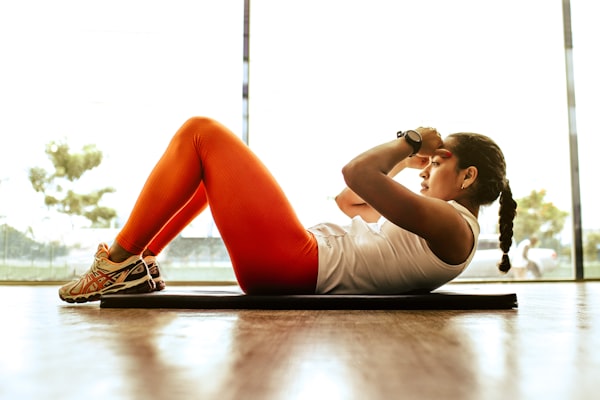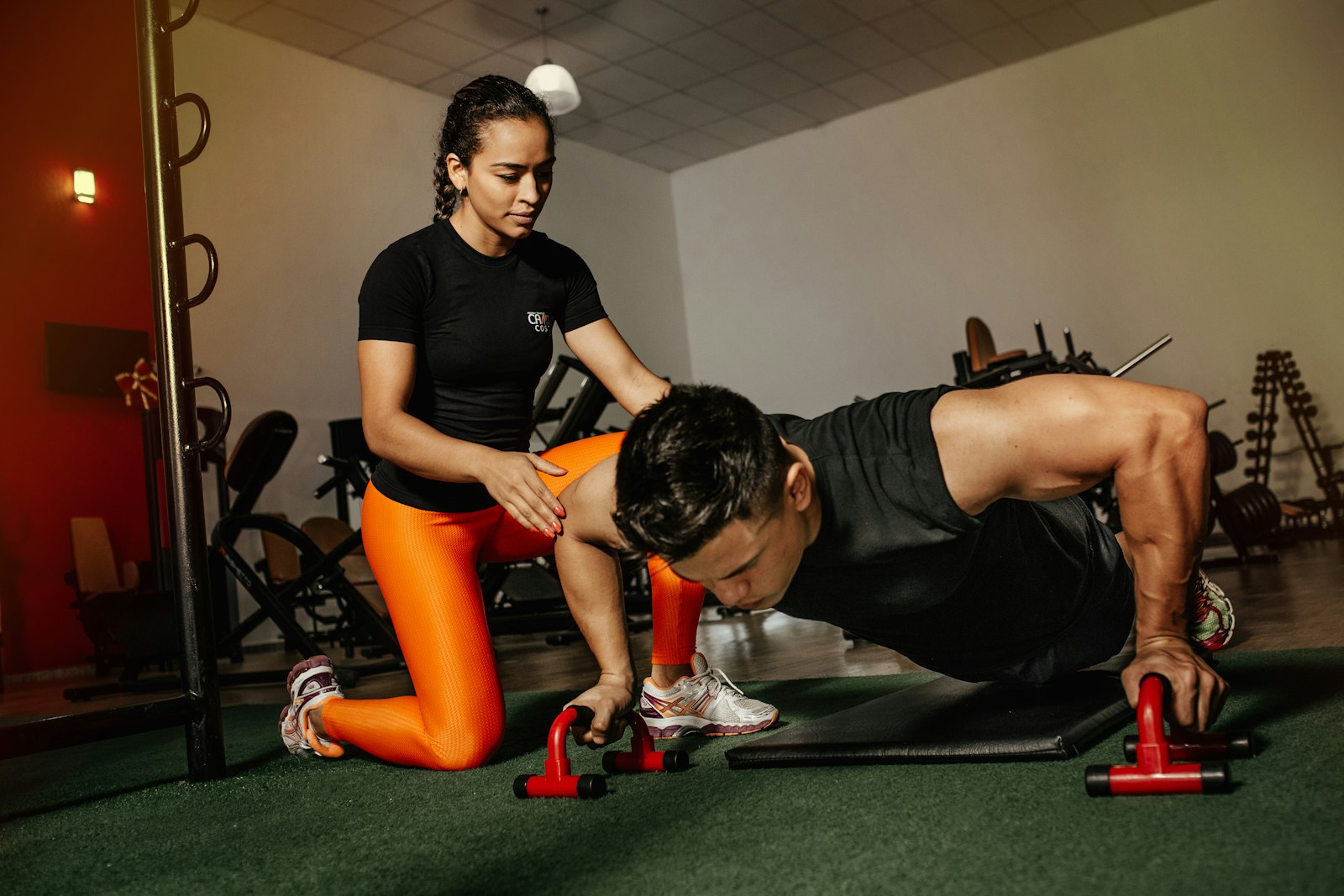
Foam rolling has transformed from a niche technique used only by elite athletes into a mainstream recovery essential for anyone serious about their fitness. In Dubai, where temperatures regularly exceed 45°C in summer and training intensity is consistently high, myofascial release becomes not just a performance tool but a necessity for injury prevention. Whether you train in a Fitness First gym in Dubai Marina, outdoor beach workout sessions in JBR, or home-based training, this comprehensive guide will teach you everything you need to know about foam rolling and myofascial release for optimal recovery. For broader context on injury prevention, read our complete injury prevention and recovery guide for Dubai athletes.
1. What is Foam Rolling and Myofascial Release?
Myofascial release is a recovery technique that targets the fascia, the dense connective tissue that surrounds every muscle, bone, nerve, and organ in your body. Unlike popular belief, the fascia is not simply "cling wrap" around your muscles. It is a complex, hydrated network that plays a crucial role in movement, stability, and recovery. When muscles are overused, dehydrated, or under stress, the fascia can develop adhesions (tight spots) and lose its natural glide, restricting movement and causing pain.
Foam rolling
is one method of applying myofascial release, using a cylindrical foam roller to apply sustained pressure to muscles and fascia. By slowly rolling the roller over different muscle groups, you use your body weight to create compression that helps release tension, improve mobility, and accelerate recovery. It is self-administered (unlike professional massage therapy) and takes just 10 to 20 minutes to cover all major muscle groups.
How it works
When you foam roll a muscle group, several processes occur simultaneously. First, the sustained pressure hydrates the fascia, restoring its natural glide and elasticity. Second, the mechanical pressure triggers the nervous system to relax the muscle, reducing tension. Third, foam rolling promotes blood flow and lymphatic drainage, bringing oxygen and nutrients to recovering tissue while removing metabolic waste. This is particularly important for Dubai athletes training in heat, where dehydration accelerates fascia degradation and muscle fatigue.
2. Benefits for Dubai Athletes: How Heat and High-Intensity Training Change the Recovery Equation
Dubai's training environment creates unique demands on recovery. The heat, combined with year-round high-intensity training, places extraordinary stress on muscle tissue and fascia. Here is why myofascial release matters more in Dubai than in temperate climates:
Accelerated muscle recovery in heat
Heat reduces the viscosity of fascia, making it stiffer and less mobile. Combined with the dehydration that inevitably occurs during summer training, fascia becomes compromised. Regular foam rolling restores hydration and elasticity, preventing the cascade of stiffness → reduced mobility → compensation injuries that commonly affects Dubai athletes during summer.
Injury prevention and movement quality
By maintaining fascial health through regular myofascial release, you preserve the quality of movement. Better movement quality means more effective training, fewer compensatory injuries, and reduced load on joints. This is critical for preventing the running injuries, shoulder problems, and knee pain that commonly affect gym-goers and athletes in Dubai.
Improved mobility and flexibility
While static stretching addresses muscle length, foam rolling addresses fascial restrictions that limit mobility just as much. Athletes who foam roll regularly report significantly improved range of motion, more effective warm-ups, and better performance during high-intensity training. This is especially relevant in Dubai where outdoor training during cooler months requires full mobility and joint health.
Reduced delayed-onset muscle soreness (DOMS)
DOMS is the muscle soreness that appears 24 to 72 hours after intense training. While minor DOMS is normal, excessive soreness slows recovery and limits training frequency. Research shows foam rolling after high-intensity exercise reduces DOMS severity by 20 to 30% when combined with proper sleep and hydration.
Faster recovery between intense sessions
For athletes doing 5 to 6 training sessions per week (common among Dubai's fitness enthusiasts), accelerated recovery is non-negotiable. Foam rolling dramatically shortens the passive recovery time needed, allowing more frequent high-quality training. This compounds into 20 to 30% faster overall progress compared to athletes who neglect recovery.
Summer training in Dubai (June September) creates a perfect storm for muscle and fascia stress: heat-induced dehydration, high training volumes, AC-induced thermal stress (switching between 45°C outdoor heat and 18°C gyms), and the physiological toll of training outside natural circadian rhythms. Athletes who don't prioritise myofascial release during this period see a 40 to 50% drop in performance consistency by August.
3. The Science Behind Myofascial Release
Understanding the science helps you use foam rolling more effectively. Fascia is not just structural, it contains mechanoreceptors (sensory nerve endings) and is directly connected to your nervous system. When you foam roll, you are not just mechanically releasing tension; you are also sending signals to your nervous system that calm muscle tone and improve proprioception (your body's sense of position and movement).
Research from the Journal of Applied Physiology shows that self-myofascial release significantly improves blood flow to the targeted area for up to 60 minutes post-rolling. This increase in circulation brings oxygen, glucose, and amino acids needed for tissue repair while removing metabolic waste (lactate, ammonia) that contributes to muscle soreness and fatigue. For high-intensity training common in Dubai's gym culture, this recovery mechanism is critical.
A 2021 meta-analysis in Sports Medicine found that foam rolling before and after resistance training improved range of motion, reduced perceived muscle soreness, and maintained performance on subsequent workouts, making it one of the few recovery interventions backed by strong evidence.
4. Foam Rolling Technique Guide: Step-by-Step for All Major Muscle Groups
Proper technique is essential. Poor form reduces effectiveness and can cause muscle bruising. Here is the complete technique guide:
General principles
- Slow and controlled: Roll at 1 inch per second, pausing on tender spots for 20 to 30 seconds
- Never roll directly over bone: Stay on muscle belly only. Avoid rolling knees, elbows, spine, or joints
- Manage intensity: Pressure should range from 4/10 (comfortable) to 7/10 (intense but manageable). Avoid 9/10 extreme pressure which can cause bruising
- Breathe: Never hold your breath. Continuous breathing helps your nervous system relax
Quadriceps (front thigh)
Position the foam roller on the front of your thigh just above the knee. Support yourself with arms behind you. Roll slowly from knee to hip, pausing on any tender spots. Spend 60 to 90 seconds per leg. Avoid rolling directly on the kneecap.
Hamstrings (back thigh)
Sit with the foam roller under your thighs, hands behind you supporting your upper body. Roll from below the glutes down toward the knee. If too intense, place one leg on top of the other to reduce pressure. 60 to 90 seconds per leg.
Calves
Sit with the roller under your calf, legs extended. Support with hands behind. Roll from ankle to just below the knee. This is sensitive tissue, use gentle pressure (4 to 5/10) and work slowly. 60 seconds per leg.
IT band (outer thigh)
The IT band is frequently tight in runners and cyclists. Lie on your side with the roller on the outside of your thigh. Keep your upper body elevated with your arm. Roll slowly from hip to knee, pausing on tender points. 90 to 120 seconds per side. This is more uncomfortable, use 5 to 6/10 pressure.
Glutes
Sit on the foam roller with it positioned on one glute. Cross one leg over the other for added pressure. Lean back on hands for support. Roll slowly, pausing on tight spots. 90 seconds per side.
Latissimus dorsi (lats, upper back)
Lie on your side with the roller under your armpit/upper side ribs (not the spine). Support yourself with legs, bottom leg bent for stability. Roll from armpit down to lower rib cage. 60 seconds per side.
Thoracic spine (mid back)
Lie face up with the roller perpendicular under your mid-back (between shoulder blades). Cradle your head with hands. Gently rock back and forth, rolling slowly from mid-back down toward lower back. Never roll directly on the spine itself. 90 to 120 seconds total. This is important for posture correction in desk workers.
5. When to Foam Roll: Pre-Workout vs Post-Workout Recovery
Timing matters. Foam rolling at different times has different effects:
Post-workout foam rolling (recommended)
This is the primary time to foam roll, ideally within 30 minutes to 2 hours after your training session. Post-workout rolling promotes blood flow, reduces DOMS, and aids fascial recovery when your body is primed for repair. Spend 15 to 20 minutes rolling all major muscle groups. This is the highest-impact recovery tool at your disposal.
Pre-workout foam rolling (light, optional)
Light foam rolling before workouts can improve mobility and warm-up quality, but aggressive rolling before intense training can actually reduce performance slightly by overly relaxing muscle tone when you need recruitment. If you do pre-workout rolling, keep it light (3 to 4 minutes, low pressure) and focus on mobility-restricted areas rather than deep tissue work.
Recovery day foam rolling
On complete rest days or low-intensity activity days, extended foam rolling sessions (20 to 30 minutes) can provide exceptional benefits. This is when you have no performance demand and can focus entirely on deep fascial release. Many Dubai athletes do full-body foam rolling on Sunday evening as part of weekly recovery protocol.
Best practice for Dubai athletes: Wait 30 to 45 minutes after workout completion to let core body temperature return toward baseline and your nervous system partially recover. Then perform 15 to 20 minutes of post-workout foam rolling in air-conditioned space. This combination optimises both cooling and recovery.
6. Best Foam Rollers and Equipment Available in Dubai (With Pricing)
Equipment quality matters, but you do not need premium products to see results. Here is the complete breakdown of what is available in Dubai and price ranges:
| Product Type | Features | Best For |
|---|---|---|
| Basic foam roller (36") | Smooth, EPE foam, standard density | Beginners, general use, all muscle groups |
| Textured/contoured foam roller | Raised patterns, better pressure distribution | Preferred option, improved recovery, best value |
| Vibrating foam roller | Electric motor, 20 to 50Hz vibration frequency | Serious athletes, post-heavy training sessions, reduced pain |
| Massage balls (lacrosse or trigger point) | Solid, portable, target-specific pressure | Office recovery, plantar fascia, foot, small muscle release |
| Trigger point massage stick | Hand-held, lever-based, flexible | Calves, forearms, portable travel tool, self-directed pressure |
| Compression sleeves + roller combo | Both compression and roller, extended recovery protocol | Comprehensive recovery program, injury prevention |
Recommendations for different athlete types
Beginners: Start with a textured foam roller. The texture provides better results than smooth foam, and the price is accessible. Skip expensive vibrating models until you have the technique dialled in.
High-volume trainers (4+ sessions/week): Invest in a vibrating foam roller plus massage balls. The vibration significantly accelerates recovery and is particularly valuable for Dubai's heat-stressed training environment. Think of it as equivalent to one professional massage per week.
Desk workers training in evenings: Prioritise trigger point sticks and massage balls for office recovery. These are portable and allow 2 to 3 minute micro-recovery sessions between meetings, critical for maintaining mobility in air-conditioned offices.
Where to buy in Dubai
Fitness First, GymNation, and NAS (National Academy of Sports) retail locations stock foam rollers in the range. For premium vibrating models and specialist equipment, check Noon.com and Amazon.ae, pricing is similar to retail. For authentic personal training guidance on foam rolling equipment, consult a physiotherapist at one of Dubai's specialist sports physiotherapy clinics.
7. Advanced Myofascial Release Techniques Beyond Basic Foam Rolling
Once you have mastered basic foam rolling, several advanced techniques can accelerate recovery further:
Yin foam rolling
Extended, low-pressure rolling (2 to 4 minutes per area) in a relaxed state. Rather than aggressive rolling with high pressure, you hold the roller on each muscle group with bodyweight creating gentle, sustained pressure. This is exceptionally effective for chronic tension and stress-related fascial restrictions. Perfect for evening recovery sessions.
Active release techniques (ART) combined with foam rolling
Foam roll a muscle, then perform active movement within that range of motion while rolling. For example, roll your quad, then perform knee bends while rolling. This combines fascial release with active mobility work, producing superior results to rolling alone. Learn proper technique from a sports massage therapist or physiotherapist before attempting complex ART combinations.
Dry needling and acupuncture combinations
Some Dubai physios combine dry needling with foam rolling for stubborn fascial restrictions. The needling triggers a healing response, which foam rolling then leverages. This is advanced and requires professional guidance.
Contrast therapy with foam rolling
Perform cold water immersion or ice bath (2 to 3 minutes at 10 to 15°C) followed immediately by foam rolling in warm conditions. The contrast creates a "pump" effect that drives circulation and accelerates waste clearance. This is particularly effective in Dubai where natural temperature contrast is abundant (heat outdoors, AC indoors).

8. Common Foam Rolling Mistakes to Avoid
Even well-intentioned athletes make mistakes that reduce effectiveness or cause harm. Here are the most common:
Rolling too fast
Speed kills effectiveness. Rolling at high speed (2+ inches per second) bypasses the nervous system benefits and reduces fascial hydration. Slow, controlled rolling at 1 inch per second is 3 to 4 times more effective.
Using too much pressure
The idea that foam rolling must be painful to work is false. Extreme pressure causes micro-bruising and triggers protective muscle guarding (your muscles tensing up to protect themselves). Aim for 5 to 6/10 intensity, uncomfortable but not painful.
Rolling directly over joints or spine
The knee, elbow, ankle, and spine are not designed to be rolled. Rolling joints can cause bruising and ligament damage. Always stay on muscle belly only.
Neglecting hydration around foam rolling
Foam rolling mobilises fluid and triggers circulation, but without adequate hydration, you are moving dehydrated tissue around. Always foam roll after rehydrating from your workout. In Dubai, this means drinking 500 to 750ml water before foam rolling.
Foam rolling too close to bedtime
Aggressive foam rolling stimulates your nervous system and increases circulation. Doing this 30 minutes before bed can interfere with sleep onset. Keep intense foam rolling to daytime or at least 2 hours before sleep. Light, relaxing foam rolling is fine as a sleep aid.
Expecting foam rolling alone to fix movement problems
Foam rolling addresses fascia, but it does not fix movement dysfunction or muscle imbalances. For chronic pain or movement restrictions, combine foam rolling with targeted exercises. Read more about this in our mobility and stretching guide.
Avoid foam rolling directly over: acute injuries (first 48 hours), fractures, open wounds, varicose veins, or severely bruised areas. For people with fibromyalgia or chronic pain conditions, consult a physiotherapist before starting foam rolling, light techniques may help, but aggressive rolling can backfire.
9. Complete Recovery Routine: Foam Rolling Plus Complementary Methods
Foam rolling is most effective as part of an integrated recovery protocol. Here is the optimal post-workout recovery routine for Dubai athletes:
Immediately post-workout (0 to 10 minutes)
- Light static stretching to cool down the nervous system (2 to 3 minutes)
- Rehydration: 500 to 750ml water or electrolyte drink
- Cool shower or spray to lower core temperature (1 to 2 minutes)
30 to 45 minutes post-workout
- Foam rolling session (15 to 20 minutes covering all major muscle groups)
- Focus on the muscles worked hardest that session
- Pair with controlled breathing to downregulate nervous system
- Combine with ice bath or cryotherapy if available (optional but effective)
1 to 2 hours post-workout
- Nutrient-dense meal with protein + carbohydrate
- Additional hydration (another 500ml minimum)
- Gentle mobility work if desired (yoga, walking, tai chi)
Evening (2 to 6 hours post-workout)
- Light foam rolling if soreness is developing (5 to 10 minutes)
- Magnesium supplementation to support muscle relaxation (optional)
- Early bedtime to prioritise sleep (the master recovery tool)
For complete recovery protocols, integrate
comprehensive recovery strategies including sleep, nutrition, and stress management. Periodised training design also matters, even perfect recovery cannot overcome poor training structure.
Accelerate Your Recovery in Dubai's Heat
Combine foam rolling with professional guidance. Dubai's physiotherapists specialise in heat-adapted recovery protocols that maximise your training potential.
10. Frequently Asked Questions About Foam Rolling
Should I foam roll every day?
Yes, light daily foam rolling (5 to 10 minutes) is safe and beneficial. Most athletes aim for 15 to 20 minute post-workout sessions 5 days per week, plus lighter 5 to 10 minute sessions on rest days. Never skip recovery just because you are resting, light foam rolling on off days accelerates adaptation.
Can I foam roll if I am injured or in pain?
Gentle, light foam rolling can actually accelerate recovery from minor muscle strains and soreness. However, avoid rolling directly over acute injuries, fractures, or inflamed areas in the first 48 hours. For significant pain, consult a physiotherapist who can guide your foam rolling protocol around the injury.
How long does it take to see results from foam rolling?
Many athletes report improved mobility and reduced soreness within 3 to 5 sessions (immediate effect). Deeper fascial changes and performance improvements typically appear after 4 to 6 weeks of consistent daily rolling. Long-term benefits (enhanced mobility, reduced injury rates) become obvious after 3 to 6 months.
Does foam rolling replace stretching?
No. Foam rolling addresses fascia; stretching addresses muscle length. Both are essential. A complete mobility routine includes foam rolling (10 minutes) + stretching (5 to 10 minutes). They work synergistically, foam rolling often allows deeper, more effective stretching because restrictions are released first.
Is vibrating foam rolling better than regular foam rolling?
Vibrating foam rollers are more effective than standard rollers, research shows 15 to 20% faster recovery improvements. However, a textured standard roller with perfect technique is nearly as effective as a vibrating model used poorly. Perfect technique with basic equipment beats sloppy technique with premium gear.
Can I make my own foam roller or use alternatives?
Improvised tools (tennis balls, PVC pipe, rolling pin) can work but are less effective and risk bruising. Proper foam rollers are inexpensive. Invest properly rather than risking injury with improvised tools.
How does foam rolling fit into a comprehensive personal training programme?
Foam rolling is the "second pillar" of training alongside the workout itself. Good personal trainers in Dubai always educate clients on recovery, clients who follow both the training programme and recovery protocols see 30 to 40% better results than those who only train. It is not optional for serious athletes.
- Foam rolling releases fascial restrictions and accelerates recovery by 20 to 30%
- Most effective post-workout, 30 minutes to 2 hours after training (15 to 20 minutes per session)
- Basic textured foam roller is the best starting point
- Roll slowly at 1 inch/second with 5 to 6/10 intensity pressure
- Combine with stretching, hydration, and sleep for optimal results
- Dubai heat makes myofascial release even more critical for injury prevention
- Advanced techniques (vibrating rollers, dry needling combinations) accelerate elite-level recovery
- Perfect recovery technique with basic equipment beats poor technique with premium gear
Ready to Optimise Your Recovery?
Get expert guidance on foam rolling, physiotherapy, and comprehensive recovery protocols from Dubai's top specialists.