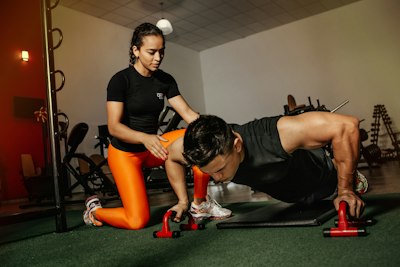
Injury prevention isn't just about avoiding pain it's about maximizing your fitness potential in Dubai's extreme environment. Whether you're training in the scorching heat of summer or working with a personal trainer year-round, understanding how to prevent injuries and recover properly is essential for long-term success.
Why Injury Prevention is Critical in Dubai
Dubai has become a magnet for fitness enthusiasts and athletes from around the world. The emirate's state-of-the-art gyms, vibrant wellness community, and 24/7 training culture create an environment unlike anywhere else. Yet this high-intensity, year-round training culture comes with a hidden cost: increased injury risk.
Here's what makes Dubai unique in terms of injury risk:
- Extreme heat and humidity: Summer temperatures regularly exceed 45°C (113°F), with humidity reaching 80%+. This puts extreme stress on your cardiovascular system and muscles.
- 24/7 gym accessibility: With gyms open around the clock and training available at any hour, it's easy to overtrain without proper deload weeks and recovery.
- Expat athlete population: Many international athletes push themselves harder than their bodies are conditioned for, especially when relocating to Dubai's climate.
- Year-round outdoor training: October through April offers perfect outdoor training weather, leading many to increase their training volume without adequate adaptation.
- High training intensity: Dubai's competitive fitness culture encourages constantly increasing intensity, which can outpace adaptation.
The good news? Injuries are highly preventable with the right knowledge and protocols. This complete guide covers everything you need to know about staying injury-free while maximizing your fitness gains in Dubai.
The Most Common Fitness Injuries in Dubai
Understanding which injuries are most prevalent helps you identify weak points in your training and lifestyle. The following injuries account for approximately 75% of all fitness-related injuries we see in Dubai's gyms and training facilities:
1. Lower Back Strain
Causes: Poor deadlift form, excessive sitting in air conditioning, insufficient core engagement during heavy lifts, and inadequate mobility work.
Symptoms: Dull ache in the lower back that worsens with bending or lifting, muscle stiffness in the morning, and pain radiating into the glutes.
Severity: Moderate to severe. Can become chronic if not addressed early, potentially requiring 4-12 weeks of modified training.
2. Rotator Cuff Injury (Shoulder)
Causes: Excessive pressing movements, improper bench press form, inadequate shoulder mobility, and insufficient rest between chest days.
Symptoms: Sharp pain in the front of the shoulder during pressing movements, weakness in arm raising, and clicking sensations.
Severity: Moderate. Can be managed with physical therapy but often requires 6-16 weeks of modified training.
3. Knee Ligament Sprain (ACL/MCL)
Causes: Sudden direction change during running or sports, inadequate quad and hamstring strength balance, weak glutes, and training on uneven surfaces.
Symptoms: Immediate sharp pain, swelling within hours, instability sensation, and difficulty bearing weight.
Severity: High. Can require 8-12 weeks minimum for minor sprains; severe cases may need surgical intervention.
4. Tennis Elbow (Lateral Epicondylitis)
Causes: Repetitive gripping and pulling motions, poor lat pulldown form, inadequate rest between arm training days.
Symptoms: Pain on the outside of the elbow, especially with gripping, and weakness in the forearm.
Severity: Moderate. Usually resolves in 4-8 weeks with proper treatment but can become chronic.
5. Hamstring Pull (Strain)
Causes: Insufficient warm-up before sprinting, inadequate flexibility, sudden acceleration, and muscle fatigue from overtraining.
Symptoms: Sharp pain in the back of the thigh, bruising, and difficulty bending the knee or walking.
Severity: Moderate to severe. Grade I strains require 2-4 weeks; Grade II requires 4-8 weeks; Grade III may require surgery.
6. Shin Splints
Causes: Rapidly increased running volume, training on hard surfaces, inadequate footwear, and weak calf muscles.
Symptoms: Dull to sharp pain along the shin, especially during running, and tenderness to touch.
Severity: Mild to moderate. Usually resolves in 2-6 weeks with reduced activity and proper treatment.
7. Wrist Sprain
Causes: Heavy compound movements without wrist support, improper bench press form, excessive kettlebell work without adaptation.
Symptoms: Pain and swelling on the wrist, reduced grip strength, and limited range of motion.
Severity: Mild to moderate. Usually resolves in 2-4 weeks but can become chronic with repetitive strain.
8. IT Band Syndrome
Causes: Excessive running volume, inadequate foam rolling, weak glute muscles, and training on cambered surfaces.
Symptoms: Sharp pain on the outside of the knee during running, pain that worsens over time, and clicking sensations.
Severity: Moderate. Can take 4-8 weeks to resolve if aggressively managed; can become chronic without intervention.
Injury Prevention Fundamentals
The best injury is the one that never happens. These four fundamental principles prevent the vast majority of fitness injuries:
1. Warm-Up Science
A proper warm-up isn't just touching your toes for 10 seconds. It's a systematic preparation of your nervous system, muscles, and joints for intense work.
Dynamic warm-up protocol (8-12 minutes):
- 2-3 minutes light cardio (treadmill, bike, rowing) at 50% intensity
- 6-8 dynamic stretches (arm circles, leg swings, torso rotations, 8-10 reps each)
- 2-3 activation exercises specific to your workout (glute bridges, band pull-aparts, scapular push-ups)
- 2-3 light sets of your main lift, progressively increasing load
This comprehensive approach increases muscle temperature, activates stabilizer muscles, and rehearses movement patterns your body will use during the workout.
2. Mobility Work
Restricted mobility forces your body to compensate during lifts, creating injury risk. Dedicate 10-15 minutes daily to mobility work:
- Hip mobility: Deep bodyweight squats (2 minutes), pigeon pose (90 seconds each side), 90/90 stretch
- Shoulder mobility: Band pull-aparts (3 sets of 15), shoulder dislocates with light band, thoracic rotations
- Ankle mobility: Calf stretches, ankle circles, banded ankle mobilizations
- Spinal mobility: Cat-cow stretches, quadruped thoracic rotations, child's pose holds
Consistent mobility work prevents many injuries before they start and should be non-negotiable in your training routine.
3. Progressive Overload Done Right
The most common mistake athletes make is increasing weight too quickly. Injuries often occur not during heavy lifts, but during the transition from moderate to heavy weight.
Progressive overload guidelines:
- Increase weight by 5-10% when you can complete all target reps with 1-2 reps in reserve
- Prioritize form over weight if form deteriorates, reduce weight immediately
- Increase volume before intensity: add reps or sets before adding weight
- Use autoregulation: perform RPE 7-8 (reps in reserve 2-3) on main lifts
- Periodize your training with 4-week blocks, deloading every 4-6 weeks
This measured approach ensures your connective tissues (tendons, ligaments) have time to adapt to increasing loads. Remember: tendons adapt much slower than muscles.
4. Deload Weeks
Deload weeks are not "wasted time." They're when adaptation happens and injuries are prevented. Every 4-6 weeks, reduce training volume by 40-50% and intensity by 20-30%.
What a deload week looks like:
- Reduce weights by 20-30%
- Cut sets and reps in half (e.g., 4 sets of 8 becomes 2 sets of 8)
- Focus on movement quality and mobility
- Maintain 3-4 training days but with higher recovery emphasis
- Increase sleep, foam rolling, and stretching time
Athletes who deload consistently experience fewer injuries and actually progress faster than those who try to maintain high intensity year-round. Your body needs this reset to prevent accumulated fatigue injuries.
Use deload weeks strategically: after a competition, before increasing training intensity, or when you notice early warning signs of injury (persistent soreness, decreased performance, sleep disturbance).
How Dubai's Heat Increases Injury Risk
Dubai's extreme heat doesn't just affect performance it fundamentally changes how your body responds to training and injury risk.
Heat Cramps
Heat cramps occur when intense sweating depletes electrolytes (sodium, potassium, magnesium) faster than your body can replace them. This causes involuntary muscle contractions, usually in the calves, quadriceps, or hamstrings.
Prevention: Drink electrolyte beverages containing 300-600mg sodium per liter. Start hydrating 2 hours before exercise, not just during.
Heat Exhaustion
When body temperature rises to 38-40°C and your sweating system can't keep up with heat production, heat exhaustion develops. Symptoms include dizziness, weakness, nausea, and loss of coordination.
Risk in Dubai: Summer training without proper timing and hydration can easily trigger heat exhaustion, forcing athletes to stop mid-workout or face dangerous consequences.
Muscle Fatigue Acceleration
Heat accelerates the depletion of muscle glycogen and increases muscle protein breakdown. This means your muscles fatigue faster, form deteriorates quicker, and injury risk rises exponentially.
In practical terms: A lift that feels manageable at 25°C becomes significantly harder at 45°C, even with the same weight. Many Dubai athletes push the same intensity regardless of temperature, dramatically increasing injury risk.
Cardiovascular Strain
Your heart must work harder in heat, pumping blood both to muscles and to the skin for cooling. This dual demand can exceed your cardiovascular capacity, leading to early fatigue, poor decision-making, and form breakdown during lifts.
Result: You fatigue before you should, form degrades, and injuries become more likely.
Reduced Recovery Quality
Heat disrupts sleep quality crucial for recovery. The combination of hot nights (25-30°C indoors in summer) and heat stress from training creates a recovery deficit that builds over weeks.
Solution: Use blackout curtains, air conditioning, and cooling protocols (cold shower within 1 hour of training) to manage heat stress.
Pre-Workout and Post-Workout Recovery Protocols
Recovery happens on both sides of the workout. Your pre-workout preparation and post-workout protocols are equally important as the workout itself.
Pre-Workout Protocol (Optimal Setup)
2-3 hours before training:
- Eat a balanced meal with carbs + protein (e.g., rice + chicken, oats + egg whites)
- Drink 400-600ml water with electrolytes
- Avoid high-fat foods which slow digestion
30-45 minutes before training:
- Light snack if needed: banana, energy bar, or 200ml sports drink
- Start hydrating with 200ml electrolyte water
5-10 minutes before training:
- Complete the warm-up protocol described earlier
- Final 100ml water intake
Post-Workout Recovery Protocol (Critical 24 Hours)
Immediately after (0-15 minutes):
- Cool-down: 5-10 minutes light cardio at 40-50% intensity (walk, easy bike)
- Static stretching: 30-second holds, 2 sets per major muscle group trained (8-10 minutes)
- Hydration: 200-300ml electrolyte water immediately post-workout
15-45 minutes post-workout:
- Foam rolling: 60-90 seconds per muscle group, 2-3 sets (focus on trained muscles)
- Cold therapy: Ice bath (10-15 minutes, 10-15°C) or cold shower (3 minutes) if available. In Dubai's heat, this is highly effective for reducing inflammation and accelerating recovery.
- Nutrition: Protein + carbs within 30 minutes (20-30g protein, 40-60g carbs). Example: protein shake with banana, rice cakes with turkey, Greek yogurt with granola.
2-4 hours post-workout:
- Continue hydrating consistently (200ml every 30 minutes until urine is clear/pale)
- Eat a full balanced meal
- Avoid additional training or intense activity
8-24 hours post-workout:
- Active recovery: Light walking, stretching, or yoga (20-30 minutes)
- Sleep: Aim for 7-9 hours. Use cooling methods in Dubai heat: AC set to 19-21°C, blackout curtains, cold water mattress pad if available
- Mobility work: 15 minutes focused on areas trained yesterday
- Nutrition: Balanced meals every 3-4 hours to maintain positive protein balance
Ice baths in Dubai are underutilized but extremely effective. Just 10-15 minutes in cold water post-workout can reduce inflammation markers by 30-50% and accelerate recovery. Consider investing in a cold plunge or visiting recovery facilities offering ice bath services.
Sports Physiotherapy in Dubai When to See a Physio
Knowing when to see a professional physiotherapist is critical. Early intervention prevents minor injuries from becoming chronic problems requiring months of recovery.
Red Flags See a Physio Immediately
- Pain that lasts 3+ days: If pain persists beyond normal post-workout soreness, see a physio within a week
- Sharp pain during exercise: Acute, shooting pain (not general soreness) indicates tissue damage
- Swelling within hours of training: Swelling indicates inflammation and possible structural damage
- Reduced range of motion: Can't move a joint through its normal range (e.g., can't fully straighten arm, can't squat to depth)
- Weakness: Sudden loss of strength in a limb or muscle group
- Instability: Feeling like a joint might "give out" or not provide proper support
- Pain affecting daily function: Can't walk properly, climb stairs, or perform basic movements
Sports Physio Costs in Dubai
| Service Type | Typical Duration | Notes |
|---|---|---|
| Clinic-based physio | 45-60 min | Community clinics, Aster, certain Mediclinic locations |
| Mid-range sports physio | 60 min | Physio+ at NAS, SportsCare, many independent practitioners |
| Premium sports physio | 60-75 min | Human Performance Institute, DISC, top independent specialists |
| Home physio service | 60 min | Travel premium, convenience factor included |
| Insurance-covered (with EMI) | 60 min | If your health insurance includes physio coverage |
What to Expect at Your First Appointment
Initial assessment (20-30 minutes):
- Detailed history: What happened, when, how the pain developed
- Training background: What sports/exercises do you do, training frequency
- Physical examination: Range of motion tests, strength tests, palpation
- Possible imaging: X-rays or ultrasound if needed (at additional cost)
Treatment planning (10-20 minutes):
- Diagnosis explanation: What's injured and why
- Recovery timeline: How long you're likely to need treatment
- Treatment plan: What will be done in sessions and how many sessions needed
- Home exercise prescription: Exercises to do between sessions
First treatment (20-30 minutes):
- Manual therapy: Massage, joint mobilization, trigger point release
- Specific exercises: Targeted movements for your injury
- Education: How to modify daily activities to avoid re-injury
Expect to see improvements within 2-3 sessions for minor injuries. More severe injuries may require 8-12 sessions over 6-12 weeks.
Recovery Technology in Dubai
Dubai's wellness industry has embraced cutting-edge recovery technology. While not essential, these tools can significantly accelerate recovery when used correctly.
Cryotherapy (Whole Body Cold Exposure)
What it is: A 2-3 minute exposure to -100°C to -140°C air in a specialized chamber.
Cost:. Many gyms and wellness centers in Dubai offer this.
Effectiveness: Reduces inflammation, accelerates muscle recovery, and decreases delayed onset muscle soreness (DOMS) by 30-50% when used post-workout. Best used 15-30 minutes after intense training.
Realistic benefit: Useful for high-level athletes but not necessary for general fitness. If budget is limited, prioritize ice baths (much cheaper) first.
Infrared Sauna
What it is: A sauna using infrared light to heat the body directly (versus traditional hot air saunas).
Cost: per 30-minute session. Available at many Dubai spas and wellness centers.
Effectiveness: Reduces muscle tension, improves circulation, and helps with recovery. Regular use (2-3x per week) shows benefits for muscle soreness and joint pain.
Realistic benefit: Excellent for recovery and relaxation, though not as effective as active recovery and proper sleep for serious athletes.
Compression Therapy
What it is: Sequential pneumatic compression using arm or leg sleeves to move fluid and improve circulation.
Cost: at specialized recovery centers. Some gyms have equipment available.
Effectiveness: Accelerates lactate clearance, reduces swelling, and can decrease DOMS. Most effective when used within 1-2 hours post-workout.
Realistic benefit: Effective supplement to other recovery methods but should not replace ice baths and proper nutrition.
Hyperbaric Oxygen Therapy (HBOT)
What it is: Breathing pure oxygen in a pressurized chamber to increase oxygen uptake in tissues.
Cost: per 60-minute session. Limited availability in Dubai; primarily used for serious injuries.
Effectiveness: Proven for acute injuries and wound healing. Some athletes use it to accelerate recovery from major injuries or surgery.
Realistic benefit: Most useful for serious injuries rather than regular recovery. Not recommended for routine recovery from training.
Massage and Soft Tissue Therapy
What it is: Manual manipulation of soft tissues by a massage therapist or physiotherapist.
Cost:. Available at countless locations across Dubai.
Effectiveness: Highly effective for releasing muscle tension, improving range of motion, and reducing soreness. Regular massage (1-2x per week) shows cumulative benefits.
Realistic benefit: One of the most cost-effective recovery tools available. Priority #1 after sleep and nutrition.
Ready to Prevent Injuries and Train Smart?
Find a qualified sports physiotherapist or injury prevention specialist in Dubai on GetFitDXB. Early professional guidance prevents small issues from becoming big problems.
Returning to Training After Injury
This is where many athletes make critical mistakes. Returning too fast to heavy training is a common reason for recurring injuries. Use these evidence-based criteria for safe return-to-sport.
Return-to-Sport Criteria
Before returning to full training after injury, you must meet ALL of these criteria:
- Pain-free: No pain during daily activities, walking, or light exercise. Minor discomfort is acceptable; sharp pain is not.
- Full range of motion: The injured joint/limb has returned to full, pain-free range of motion compared to the uninjured side.
- Strength restored: Strength testing shows 90%+ recovery compared to the uninjured side. A physiotherapist can test this.
- Sport-specific drills pain-free: You can perform sport-specific movements (cutting, jumping, throwing) without pain or apprehension.
- Psychological readiness: You feel confident and aren't afraid of re-injury. Fear-avoidance behavior actually slows recovery.
- Physio clearance: Your physiotherapist explicitly clears you for full training. Don't rush this.
Progressive Return-to-Training Protocol
This is a 4-6 week protocol to safely return to full training intensity after moderate injury (e.g., ankle sprain, knee strain):
Week 1: Mobility and Activation
- Light stretching and mobility work (15 minutes daily)
- Muscle activation drills for injured area (15 minutes daily)
- No resistance training; walking and swimming acceptable
- Focus: Restore full range of motion
Week 2: Light Resistance
- Bodyweight exercises only (e.g., wall squats, push-ups against wall)
- Very light resistance band work (lowest resistance level)
- 2-3 training sessions, 20-30 minutes each
- Focus: Restore strength at low intensity
Week 3: Moderate Resistance
- Light dumbbell work (25-50% of pre-injury weights)
- Controlled compound movements (goblet squats, dumbbell rows)
- 3 training sessions, 30-40 minutes each
- Focus: Build strength progressively
Week 4-5: Sport-Specific Training
- Sport-specific drills at 50-75% intensity
- Moderate weights (50-75% of pre-injury)
- 4 training sessions, 40-50 minutes
- Focus: Prepare for full training demands
Week 6: Return to Full Training
- Full intensity training if all criteria are met and no pain has reappeared
- Maintain slightly reduced volume first week (80-90% of pre-injury)
- Full training volume in weeks 7+
Rushing this protocol increases re-injury risk by 2-3x. Patient progression is what separates successful returns from repeated injuries.
The Mental Side of Recovery
Research shows that psychological readiness is as important as physical readiness for return-to-sport. Athletes who fear re-injury often adopt protective movement patterns that increase injury risk.
Mental recovery strategies:
- Work with your physiotherapist on reassurance understand that your injury is healing and current training is safe
- Start with very low intensity and progress gradually, building confidence with each successful session
- Use positive self-talk: "I'm stronger now" rather than "I might re-injure"
- Celebrate small wins: completing a pain-free week, hitting a progression milestone
- If fear is severe, consider working with a sports psychologist
Building an Injury-Resilient Body in Dubai
The best injury prevention strategy is building a body that's inherently resilient to injury. This comes from strategic strength training, mobility work, sleep, and nutrition.
Strength Training for Injury Prevention
Specific muscle groups protect you from common injuries. Focus on these areas:
Posterior chain strength (Back, Glutes, Hamstrings)
These muscles protect your lower back and knees. Prioritize:
- Deadlifts: 2-3x per week, 3-5 reps with heavy weight
- Hip thrusts: 2x per week, 8-12 reps
- Good mornings: 1x per week, 6-8 reps
- Nordic hamstring curls: 2x per week, 3-5 reps
Rotator cuff and shoulder stability
These prevent shoulder injuries during pressing and pulling:
- Band pull-aparts: 3 sets of 15, daily
- Face pulls: 2x per week, 10-15 reps
- External rotations: 2x per week, 12-15 reps each arm
- Prone I-Y-T raises: 2x per week, 8-10 reps
Core stability (Anterior, Posterior, and Anti-Rotation)
A strong core reduces back injuries by up to 50%:
- Planks: 3 sets of 60+ seconds, 3x per week
- Dead bugs: 3 sets of 10 per side, 3x per week
- Pallof press: 3 sets of 10 per side, 2x per week
- Hanging leg raises: 3 sets of 8-12, 2x per week
Ankle and foot stability
Strong ankles prevent ankle sprains, especially during jumping or lateral movements:
- Single-leg balance: 3 sets of 30 seconds each leg, 3x per week
- Calf raises: 2x per week, 10-15 reps
- Resistance band ankle work: 2 sets each direction, daily
Sleep: The Ultimate Injury Prevention Tool
Athletes who sleep less than 7 hours per night have injury rates 60% higher than those sleeping 8+ hours. In Dubai's heat, good sleep is challenging but essential.
Sleep optimization in Dubai heat:
- Temperature: Keep bedroom at 18-20°C (use AC, blackout curtains, thermal-regulating bedding)
- Darkness: Complete darkness (no lights, use blackout curtains)
- Timing: Aim for 10 PM - 6 AM or consistent schedule
- Pre-sleep routine: Cool shower 90 minutes before bed, avoid screens 1 hour before sleep
- Mattress quality: Invest in a good quality mattress; you spend 1/3 of life in bed
- Consistency: Same sleep/wake time even on weekends
Nutrition for Injury Prevention
Specific nutrients accelerate tissue repair and reduce inflammation:
Protein (target 1.6-2.2g per kg body weight): Critical for muscle and connective tissue repair. Spread across 4-5 meals: chicken, fish, eggs, Greek yogurt, protein powder.
Carbohydrates (4-7g per kg body weight): Fuel for training quality and recovery. Include: rice, oats, sweet potato, fruit.
Omega-3 fatty acids: Reduce inflammation and support joint health. Include: fatty fish (salmon), walnuts, ground flaxseed, chia seeds.
Micronutrients for tissue health:
- Vitamin C (citrus, berries, leafy greens): Collagen synthesis
- Zinc (oysters, beef, pumpkin seeds): Protein synthesis and immune function
- Magnesium (spinach, almonds, dark chocolate): Muscle relaxation and recovery
- Vitamin D (sun exposure, fatty fish, fortified milk): Bone health and immune function
Many Dubai-based athletes are deficient in Vitamin D despite intense sun exposure (due to sun avoidance and high SPF sunscreen). Consider getting your Vitamin D levels checked (normal: 30-100 ng/mL; athletes should target 40-60 ng/mL).
Build Your Injury Prevention Strategy Today
Work with a qualified personal trainer or strength coach in Dubai to create a customized injury prevention program. Small investments now prevent expensive physio bills later.
Frequently Asked Questions
How much does a sports physio cost in Dubai? Sports physiotherapy costs range depending on the clinic. Community clinics mid-range sports physios and premium specialists (Human Performance Institute, DISC) Home physio services due to travel.
Lower back strain is the most common, accounting for approximately 30% of all gym injuries. It's caused by poor lifting form, excessive sitting, weak core muscles, and insufficient mobility. The second most common is rotator cuff injury from improper pressing technique.
Dubai's extreme heat (45-50°C in summer) causes dehydration, heat cramps, accelerated muscle fatigue, and impaired recovery. Heat stress depletes electrolytes, reduces muscle flexibility, and forces earlier fatigue, leading to form breakdown and injury. Additionally, hot nights (25-30°C) impair sleep quality, which is critical for recovery and injury prevention.
See a physiotherapist if pain persists beyond 3 days, if there's sharp pain during exercise (not general soreness), if swelling develops within hours, if you lose range of motion or strength, or if pain affects daily activities like walking or climbing stairs. Early intervention (within 1 week of injury onset) significantly improves outcomes and reduces recovery time.
The complete post-workout protocol includes: 5-10 minute cool-down at 40-50% intensity, 10 minutes static stretching, foam rolling (60-90 seconds per muscle), ice bath or cold shower (10-15 minutes), protein + carb nutrition within 30 minutes (20-30g protein, 40-60g carbs), continued hydration for 2-4 hours post-workout, and 7-9 hours of quality sleep. In Dubai, prioritize cold water therapy given the heat.