
Testosterone is the hormone that drives muscle growth, performance, energy, and confidence in men. But beyond the gym, it's critical for bone density, cardiovascular health, mental clarity, and overall longevity. If you're a Dubai man serious about fitness, understanding how to naturally optimise testosterone through training, nutrition, sleep, and lifestyle is non-negotiable.
Why Testosterone Matters for Dubai Men's Fitness Goals
Testosterone is the primary male sex hormone, produced in the testes and in small amounts in the adrenal glands. It's responsible for developing male characteristics, but its role in fitness and health is far more nuanced.
For fitness enthusiasts, testosterone directly influences:
- Muscle protein synthesis, how efficiently your body builds muscle tissue after training
- Fat oxidation, the ability to burn stored body fat for energy
- Recovery rate, how quickly you bounce back between training sessions
- Training motivation, mental drive and competitive drive in the gym
- Bone density, critical for injury prevention and long-term skeletal health
Men with optimal testosterone levels (600 to 1,000 ng/dL) consistently outperform those with lower levels in strength gains, muscle retention, and training consistency. In Dubai, where many professionals are juggling demanding careers, high stress, and inconsistent sleep, testosterone often takes a hit, but you can reverse this.
How Exercise Affects Testosterone: What Science Says
Exercise is one of the most powerful testosterone drivers available. Not all training is equal, though. Research consistently shows that certain training modalities trigger much greater hormonal responses than others.
Compound Lifting vs. Isolation Work
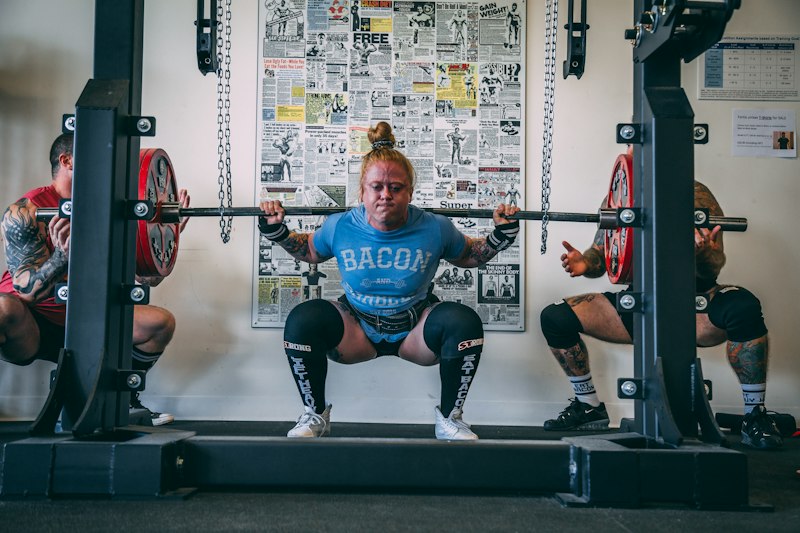
Heavy compound movements (squats, deadlifts, bench press) activate large muscle groups and trigger acute increases in testosterone during and after training. These exercises create metabolic stress and mechanical tension, the two primary drivers of hormonal response.
Isolation exercises (bicep curls, leg extensions) have minimal testosterone impact because they engage too few muscle fibers. If testosterone optimisation is your goal, 70% of your training should be compound movements.
Intensity and Volume Matter
Training at high intensity (heavy loads, low reps) produces stronger testosterone spikes than moderate-intensity, high-rep work. A study in the Journal of Applied Physiology found that lifting at 80% of 1RM or higher produced significant testosterone elevation, while lighter loads did not.
For optimal results, perform 3 to 5 sets of 3 to 6 reps on compound lifts, with 2 to 3 minute rest periods between sets. This combination maximises both mechanical tension and recovery between efforts.
Training volume (total reps × weight) also matters. Aim for 10 to 15 total reps per compound lift per session. More than this can suppress testosterone due to excessive cortisol elevation. Quality beats quantity.
Rest Periods and Recovery
Shorter rest periods (30 to 60 seconds) create metabolic stress but blunt testosterone response. Longer rest periods (2 to 3 minutes) allow full nervous system recovery and maximise strength output, which correlates with testosterone elevation.
If you're training for testosterone optimisation, prioritise compound strength work with adequate rest between sets. Save metabolic conditioning for a separate session if needed.
The Best Exercises for Naturally Boosting Testosterone
Not all exercises are created equal for testosterone. Here's the hierarchy of testosterone-boosting movements:
Tier 1: Maximum Impact
- Barbell Back Squat, engages the largest muscle mass in your body; triggers the strongest hormonal response
- Deadlift (Conventional or Sumo), full-body compound movement; exceptional neurological demand
- Bench Press, upper body compound; strong testosterone elevation with adequate volume
Tier 2: Strong Secondary Effects
- Weighted Pull-ups or Lat Pulldown, large muscle group activation; excellent for back development
- Overhead Press, vertical pressing compound; strong core and shoulder engagement
- Barbell Rows (Bent-over, T-bar, or Seal rows), posterior chain emphasis; critical for balanced development
Sample Testosterone-Optimising Weekly Split
A simple, effective approach for Dubai men is a 4-day training split focusing on compounds:
Day 1: Lower Power
Barbell Back Squat 4 × 4, Leg Press 3 × 5, Leg Curl 3 × 8
Day 2: Upper Power
Bench Press 4 × 4, Weighted Pull-ups 3 × 5, Dumbbell Row 3 × 6
Day 3: Rest or Mobility
Light stretching, yoga, or walking
Day 4: Lower Hypertrophy
Deadlift 3 × 5, Front Squat 3 × 6, Leg Press 3 × 8, Leg Curl 3 × 10
Day 5: Upper Hypertrophy
Overhead Press 3 × 6, Barbell Row 3 × 6, Bench Press 3 × 8, Chest Flye 3 × 12
📖 Related Guide: Men's Hormonal Health & Fitness Dubai 2026, Complete Guide, our comprehensive resource covering testosterone, andropause, fertility, and men's wellbeing in Dubai.
Find a Men's Strength Coach in Dubai
Not sure how to structure your testosterone-optimising programme? Work with a certified strength coach who understands periodisation and hormonal adaptation.
Nutrition for Testosterone Optimisation in Dubai
Exercise provides the stimulus, but nutrition builds the results. Testosterone synthesis requires specific nutrients, and deficiencies in these areas will tank your hormone levels regardless of training quality.
Protein for Muscle Growth and Hormonal Health
Protein is non-negotiable for testosterone optimisation. Aim for 1.6 to 2.2g of protein per kg of body weight daily, distributed across 3 to 4 meals. This supports muscle protein synthesis and maintains anabolic hormonal signalling.
High-quality protein sources available in Dubai include:
- Grass-fed beef (widely available at Carrefour and local meat markets)
- Fresh fish and seafood (salmon, mackerel, sea bass, excellent zinc and selenium sources)
- Whole eggs (especially yolks, which contain cholesterol needed for hormone synthesis)
- Chicken and turkey breast
- Greek yogurt and cottage cheese
Healthy Fats and Cholesterol
Testosterone is synthesised from cholesterol. Men who consume very low-fat diets (below 20% of calories) experience significant testosterone suppression. Aim for 25 to 35% of your daily calories from healthy fats.
Prioritise:
- Olive oil (drizzle over salads and cooked vegetables)
- Avocados (1 to 2 per day)
- Nuts and seeds (almonds, walnuts, pumpkin seeds)
- Fatty fish (salmon, mackerel contain omega-3s and promote cardiovascular health)
Micronutrients: The Often-Overlooked Foundation
Several micronutrients are critical for testosterone production:
- Zinc, directly involved in testosterone synthesis. Deficiency is linked to low T. Sources: oysters, beef, pumpkin seeds, cashews
- Vitamin D, acts as a hormone itself and strongly correlates with testosterone levels. Dubai's abundant sun helps, but supplementation (2,000 to 4,000 IU daily) ensures optimal levels
- Magnesium, involved in testosterone production and energy metabolism. Sources: leafy greens, almonds, pumpkin seeds, dark chocolate
- Selenium, supports thyroid function (which affects testosterone). Sources: Brazil nuts, fish, eggs
Caloric Intake and Body Composition
Extreme caloric restriction severely suppresses testosterone. If you're in a fat-loss phase, maintain only a moderate deficit (300 to 500 calories below maintenance). Combine this with strength training to preserve muscle and hormonal function.
For muscle-building phases, eat in a modest surplus (200 to 500 calories above maintenance) to support training recovery and anabolic hormone levels.
Sleep, Recovery and Testosterone
This is where Dubai professionals often slip up. Testosterone is produced primarily during sleep, particularly during REM stages. Poor sleep = poor testosterone.
The Testosterone-Sleep Connection
Studies show that men sleeping only 5 hours per night have testosterone levels 10 to 15% lower than those sleeping 8 hours. One week of sleep deprivation can drop testosterone by 20% or more.
Your goals:
- Aim for 7 to 9 hours of sleep per night
- Maintain a consistent sleep schedule (same bedtime and wake time, even weekends)
- Achieve 60 to 90 minutes of deep sleep (stages 3 to 4) per night
Sleep Quality in Dubai's Climate
Dubai's heat makes sleep challenging. Consider:
- Air conditioning set to 18 to 20°C (cooler rooms improve sleep quality)
- Blackout curtains to block the early Dubai sunrise
- Avoiding screens 60 minutes before bed (blue light suppresses melatonin)
- Limiting caffeine after 2 PM
- Magnesium supplementation (300 to 400mg before bed), helps sleep quality and supports testosterone
Consider a sleep-tracking device (Apple Watch, Oura Ring, or Whoop band) to monitor sleep cycles. Understanding your sleep architecture helps identify what's working and what needs adjustment.
Lifestyle Factors That Sabotage Testosterone
Even with perfect training and nutrition, certain lifestyle factors can suppress testosterone. Here's what to avoid or minimise:
Chronic Stress and Cortisol
High stress elevates cortisol, which directly suppresses testosterone synthesis. Dubai's fast-paced professional environment makes stress management essential.
Stress reduction strategies:
- Daily meditation (10 to 20 minutes)
- Strength training itself (paradoxically, acute training stress reduces chronic stress)
- Time in nature (walking along the beach or parks)
- Limiting work emails after 7 PM
- Maintaining strong social connections
Excessive Alcohol
Alcohol impairs testosterone production and recovery. Even moderate drinking (more than 2 units daily) can suppress testosterone. Heavy or frequent drinking causes significant hormonal disruption.
If you drink, limit to 1 to 2 units per week for optimal testosterone.
Body Fat and Aromatase Activity
Excess body fat, particularly visceral (belly) fat, increases aromatase enzyme activity. Aromatase converts testosterone to oestrogen, lowering your testosterone and raising oestrogen, a double negative.
Maintain 10 to 20% body fat to keep testosterone high. Combine strength training with adequate protein and a slight caloric deficit if needed.

Overtraining
More isn't always better. Training more than 5 days per week at high intensity, without adequate recovery, elevates cortisol and suppresses testosterone. Stick to 4 to 5 days of structured training with full rest days.
Signs Your Testosterone May Be Low
Even with good lifestyle habits, testosterone can decline with age (roughly 1% per year after 30). If you're experiencing several of these symptoms, testing is warranted.
Physical Signs
- Difficulty building or maintaining muscle despite consistent training
- Increased body fat, especially around the abdomen
- Loss of strength in compound lifts
- Slower recovery between sessions
- Reduced libido or erectile dysfunction
Mental and Emotional Signs
- Persistent fatigue or low energy
- Reduced motivation for training or competition
- Mood swings or depression
- Difficulty concentrating or "brain fog"
Getting Tested in Dubai
If you suspect low testosterone, several Dubai clinics and hospitals offer hormone panels:
- American Hospital Dubai, comprehensive hormone testing and endocrinology consultations
- Healthbase, mobile testing service (they come to you)
- NMC Specialty Hospital, hormone assessment and treatment options
Normal testosterone range for adult men: 300 to 1,000 ng/dL. Anything below 300 warrants consultation with an endocrinologist.
Get a Personalised Men's Fitness Plan
Stop guessing. Work with a coach who understands testosterone optimisation and can tailor training and nutrition to your specific needs.
Building a Testosterone-Optimising Training Programme in Dubai
Here's a complete framework you can start implementing immediately:
Training Structure (4 to 5 days per week)
Week 1 to 4: Strength Focus
Emphasis on heavy compound lifts (80%+ of 1RM), 3 to 6 reps, 2 to 3 minute rest periods.
Week 5 to 8: Hypertrophy Focus
Emphasis on 6 to 12 rep ranges with controlled tempo, 60 to 90 second rest periods.
Week 9 to 12: Deload
Reduce volume by 40 to 50%, focus on technique and recovery. This allows cortisol to normalise and hormones to stabilise.
Nutrition Protocol
- Total Calories: Maintenance (calculate as bodyweight in kg × 24 to 26 for sedentary baseline, then adjust)
- Protein: 2g per kg of body weight daily
- Fats: 25 to 35% of total calories (emphasise olive oil, avocado, fatty fish)
- Carbs: Fill remaining calories with whole grains, vegetables, fruits
- Micronutrients: Prioritise zinc, magnesium, selenium, Vitamin D
Recovery Protocol
- Sleep: 7 to 9 hours per night, consistent schedule
- Stress management: 15 to 20 minutes daily meditation or breathwork
- Active recovery: 1 to 2 days of light stretching, walking, or mobility work
- Supplementation (optional but evidence-based): Vitamin D (4,000 IU), Magnesium (400mg), Zinc (15 to 30mg)

Tracking Progress
Monitor these metrics weekly to assess whether your programme is working:
- Strength levels, are compound lift weights increasing?
- Body composition, is body fat decreasing while muscle is maintained?
- Recovery quality, are you getting quality sleep?
- Motivation and energy, do you feel driven in training?
- Libido, an excellent indicator of testosterone status
If progress stalls after 8 weeks, you may need to adjust calories, increase variety in exercises, or reassess sleep and stress levels. Consistency beats perfection, a solid programme followed for 12 weeks beats a perfect programme followed for 3 weeks.
Long-Term Testosterone Health
Testosterone optimisation isn't a 12-week project; it's a lifestyle. As you age, hormonal shifts are inevitable, but maintaining strength training, good nutrition, sleep, and stress management will keep testosterone as high as your genetics allow.
For Dubai men in their 40s, 50s, and beyond, this becomes even more critical. The good news: most men who apply these principles experience noticeable improvements in energy, strength, body composition, and confidence within 8 to 12 weeks.
Key Takeaways
- Testosterone is optimised through heavy compound training, not isolation work
- Adequate protein, healthy fats, and micronutrients (especially zinc and Vitamin D) are non-negotiable
- Sleep quality is where most Dubai men falter, prioritise 7 to 9 hours consistently
- Stress management and body fat control directly affect testosterone levels
- A simple, consistent approach (4 to 5 days of training, clean eating, good sleep) beats any complex system
- If you suspect low testosterone, get tested by a Dubai healthcare professional
Start today. Pick one thing, whether it's committing to 8 hours of sleep, adding a deadlift to your routine, or prioritising protein at every meal, and build from there. Testosterone optimisation is built on consistency and patience, not perfection.