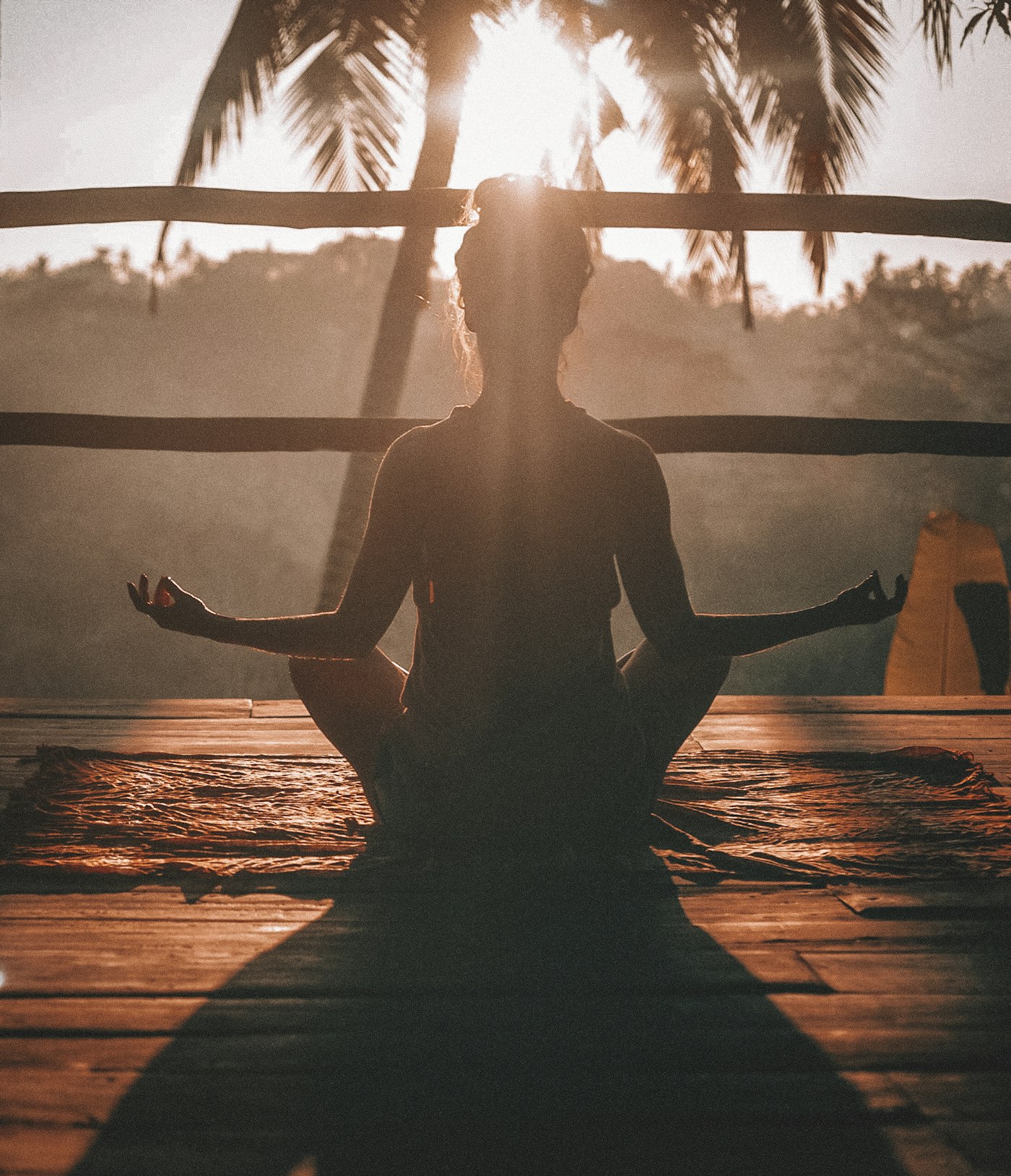
In a city that never seems to slow down, restorative yoga offers something genuinely precious: permission to stop. Not merely stretching, not gentle exercise — but a systematic practice of supported stillness designed to switch off the nervous system's stress response and allow deep physiological recovery. For Dubai's high-performing, perpetually connected professional population, restorative yoga may be one of the most important practices available.
This guide covers everything about restorative yoga in Dubai: what it is, how it works, what distinguishes it from other passive yoga styles, where to find classes, how to build a home practice, and who stands to benefit most from this quiet yet profoundly transformative discipline.
What Is Restorative Yoga?
Restorative yoga was developed by B.K.S. Iyengar and refined by his student Judith Hanson Lasater into a complete therapeutic system. The practice uses props — bolsters, blankets, blocks, sandbags, eye pillows, and straps — to support the body completely in passive poses held for 5–20 minutes each. The fundamental goal is the complete absence of muscular effort: every body part is supported so the muscles can fully release.
A typical restorative yoga class holds 5–8 poses in a 60–90 minute session. You do less than in almost any other physical practice — and that is precisely the point. The stillness and support are the medicine. The physiological response to being held safely in supported openness, for sustained periods, is a deep activation of the parasympathetic nervous system — the "rest and digest" state that most modern people access far too infrequently.
The Science of Restorative Yoga
The physiological mechanism behind restorative yoga's effectiveness is well-studied. When the body is fully supported and perceived as safe, and when a gentle back-bend or opening position is held for extended periods, the following occurs:
- Vagal tone increases: The vagus nerve, which governs the parasympathetic nervous system, activates. Heart rate variability improves — a direct biomarker of stress resilience and recovery.
- Cortisol decreases: Stress hormone levels measurably reduce during and following restorative practice. The effect persists for several hours post-practice.
- Fascia releases: Held at gentle stretch for 5+ minutes, the fascia (connective tissue sheaths around muscles) begins to hydrate and elongate — a different mechanism from dynamic stretching that produces longer-lasting structural change.
- Sleep architecture improves: Regular restorative yoga improves both sleep onset (time to fall asleep) and sleep depth by reducing the cortisol burden that disrupts healthy sleep cycles.
- Inflammatory markers reduce: Chronic low-grade inflammation — increasingly linked to almost every modern disease — decreases with consistent restorative yoga practice.
Why Restorative Yoga Is Particularly Relevant for Dubai
Dubai's lifestyle creates specific physiological burdens that restorative yoga directly addresses. The city's culture of ambition, long working hours, constant social stimulation, and the sensory intensity of urban Dubai creates chronic sympathetic nervous system activation in many residents. This "always on" state gradually depletes physical and mental reserves in ways that conventional exercise — which adds additional stress load, albeit productive stress — cannot remedy.
The heat itself is a physiological stressor. Dubai's summer creates significant heat stress even for residents acclimatised to the environment. Restorative yoga in a cool, dimly lit studio is a direct counter to this thermal burden — a genuine physical recovery tool, not merely a relaxation class.
For athletes and active exercisers training in Dubai, restorative yoga fills a gap that no other practice fills as effectively: the recovery session. Rather than resting passively (watching TV, scrolling), a 60-minute restorative session actively accelerates physiological recovery through its parasympathetic activation effects — allowing greater training frequency and intensity in subsequent sessions.
🔬 Restorative Yoga Research Evidence
- 8 weeks of restorative yoga: significant reduction in cortisol, anxiety, and inflammatory cytokines (Bower et al., UCLA)
- Restorative yoga improved sleep quality in breast cancer survivors by 34% vs control
- Regular practice associated with measurable improvements in heart rate variability
- 30 minutes restorative yoga equivalent to 2+ hours sleep for nervous system recovery (subjective measure)
- Reduces menopausal symptoms including hot flushes, insomnia, and anxiety
Core Restorative Yoga Poses
Supported Supta Baddha Konasana
Reclined bound angle pose with bolster supporting the spine, blocks under thighs, blanket over body. Opens chest and hips; deeply calming.
Hold: 10–20 minLegs Up the Wall (Viparita Karani)
Lying with legs extended up a wall, bolster under sacrum. Reverses blood flow from legs, reduces swelling, deeply relaxes the nervous system.
Hold: 5–15 minSupported Child's Pose
Forehead and torso supported by a long bolster, knees wide. Releases lower back and hips; deeply grounding and calming.
Hold: 5–10 minSupported Savasana
Lying flat with bolster under knees, blanket under head, eye pillow. The foundational restorative pose — conscious relaxation of the whole body.
Hold: 10–20 minSupported Forward Fold
Seated forward fold with torso and head resting on a bolster across the legs. Releases the entire back body; soothes the nervous system through passive inversion.
Hold: 5–10 minSupported Twist
Lying supine with knees rotated to one side, bolster between or below legs. Gently decompresses the spine and releases thoracic tension.
Hold: 5 min each sideRestorative Yoga vs Other Gentle Yoga Styles
| Style | Key Difference | Best For | Intensity |
|---|---|---|---|
| Restorative | Fully supported, no muscular effort, passive | Stress recovery, illness, burnout, nervous system | Zero |
| Yin Yoga | Long holds targeting connective tissue, mild sensation | Flexibility, joint health, mindfulness | Low |
| Yoga Nidra | Guided meditation in savasana, no movement | Deep sleep issues, trauma recovery, meditation | Zero |
| Gentle Hatha | Slow movement, basic poses, short holds | Beginners, seniors, mobility maintenance | Low-Medium |
| Slow Vinyasa | Flowing movement, breath focus, moderate exertion | Flexibility + light fitness, mind-body connection | Low-Medium |
Who Benefits Most from Restorative Yoga in Dubai?
Overtraining Athletes
Dubai's fitness culture can inadvertently celebrate overtraining — the mantra of "more is more" leading athletes to stack high-intensity sessions without adequate recovery. Restorative yoga is perhaps the most effective single tool for managing the nervous system fatigue that characterises overtraining. It provides a scheduled parasympathetic recovery session that counteracts the cumulative sympathetic load of intense training weeks. Many Dubai CrossFit, running, and gym athletes report dramatic improvements in subsequent training performance and injury frequency after adding weekly restorative sessions.
Corporate Professionals
Dubai's DIFC, Business Bay, and TECOM professional communities operate in chronically stressed environments. Long hours, high stakes, cultural adjustment pressures, and the pace of Dubai business create sustained cortisol elevation that restorative yoga directly mitigates. The corporate wellness sector in Dubai has begun incorporating restorative yoga into corporate wellness programmes as evidence for its ROI in reducing sick days and burnout rates accumulates.
Pregnant Women
Restorative yoga is one of the safest and most beneficial practices during pregnancy — particularly in the third trimester when more active practice becomes uncomfortable. The supported positions decompress the spine under the growing belly's weight, the breathing practices support labour preparation, and the parasympathetic activation benefits both mother and baby. Practitioners should inform teachers of their pregnancy for appropriate prop modifications. See also: pre and postnatal fitness in Dubai.
Chronic Stress and Anxiety
For Dubai residents experiencing anxiety, burnout, or adrenal fatigue, restorative yoga provides a uniquely safe and effective intervention. Unlike vigorous exercise (which can further activate the sympathetic nervous system) or passive rest (which provides limited neurological benefit), restorative yoga actively and measurably shifts neurological state. Many yoga therapists in Dubai incorporate restorative yoga as a core tool in therapeutic yoga programmes for mental health conditions.
Injury Recovery
After musculoskeletal injuries or surgery, restorative yoga offers a way to maintain body awareness, joint mobility, and mindfulness practice while respecting healing tissue limitations. The fully supported nature of the practice means it can typically be adapted for almost any injury state. Working with a yoga therapist to design an injury-appropriate restorative sequence is advisable for complex conditions.
Find Restorative Yoga Classes in Dubai
Browse certified yoga instructors offering restorative and therapeutic yoga classes across Dubai on GetFitDXB.
Browse Yoga ClassesBuilding a Home Restorative Yoga Practice
One of restorative yoga's great practical advantages is its accessibility at home. Unlike dynamic practices that benefit from studio mirrors and teacher feedback, restorative yoga's passive nature makes it ideal for home practice once you've learned the basic poses in a class setting.
Essential Home Props
- Bolster: A firm, round or rectangular yoga bolster is the most important restorative prop. Firm bedroom pillows can substitute initially but a proper bolster provides better support. AED 80–150 at Dubai yoga stores.
- Yoga blocks (×2): Foam or cork blocks serve multiple support functions. Widely available in Dubai. AED 20–40 each.
- Blankets (×3): Firm-woven blankets (Mexican yoga blankets are traditional) for folding under joints, as covers, and for propping. AED 40–80 each.
- Eye pillow: Weighted silk or cotton eye pillow that blocks light and activates the oculocardiac reflex (gentle eyeball pressure that slows heart rate). AED 30–60.
- Timer: A gentle chime timer (phone apps work well) so you don't need to check the clock during poses.
A Simple 45-Minute Home Restorative Sequence
- 5 minutes: Arrive in savasana — lie flat with bolster under knees, simply breathing and allowing the day to release
- 10 minutes: Supported supta baddha konasana — bolster along the spine, blocks under thighs
- 5 minutes each side: Supported lying twist — knees to one side on a bolster
- 10 minutes: Legs up the wall — bolster under sacrum, legs extended up the wall
- 10 minutes: Final savasana with eye pillow — complete stillness and conscious relaxation
Restorative Yoga and Yoga Nidra
Restorative yoga and yoga nidra ("sleep yoga") are closely related but distinct practices. Yoga nidra is a guided meditation technique practiced in savasana that systematically rotates awareness through the body. It does not use the prop-supported poses of restorative yoga, but it similarly produces profound parasympathetic activation — practitioners report 30–45 minutes of yoga nidra as equivalent to 2–4 hours of sleep for subjective restoration.
Many Dubai yoga teachers combine elements of both practices in longer classes — moving through 2–3 restorative poses before concluding with an extended yoga nidra. This combination produces the deepest nervous system recovery of any mainstream wellness practice and is particularly recommended for high-stress periods, pre/post travel, or during the demanding Dubai summer months.
Finding Restorative Yoga Teachers in Dubai
Not all yoga teachers have restorative training — it requires specific study in prop usage, contraindications, and therapeutic applications beyond standard yoga teacher training. When seeking restorative yoga instruction in Dubai:
- Look for teachers who have completed Judith Hanson Lasater's restorative training or similar specialist restorative yoga certifications
- Yoga therapists (C-IAYT certified) typically have deep restorative yoga training as part of their therapeutic scope
- Teachers with backgrounds in Iyengar yoga (the parent tradition of restorative yoga) have strong prop knowledge
- Private restorative yoga sessions allow personalised prop setup, sequence design, and focus on your specific physical or stress conditions
GetFitDXB's yoga category connects you with certified yoga teachers across Dubai who can guide your restorative practice. Browse profiles to find teachers whose credentials and class descriptions include restorative or therapeutic yoga specialisations.
Related reading: Yin Yoga Classes Dubai, Yoga Nidra Dubai, Meditation & Mindfulness Dubai, Sleep & Recovery Optimisation, and Power Yoga & Vinyasa Flow Dubai. Or download the complete yoga guide for everything you need to start your Dubai yoga practice.