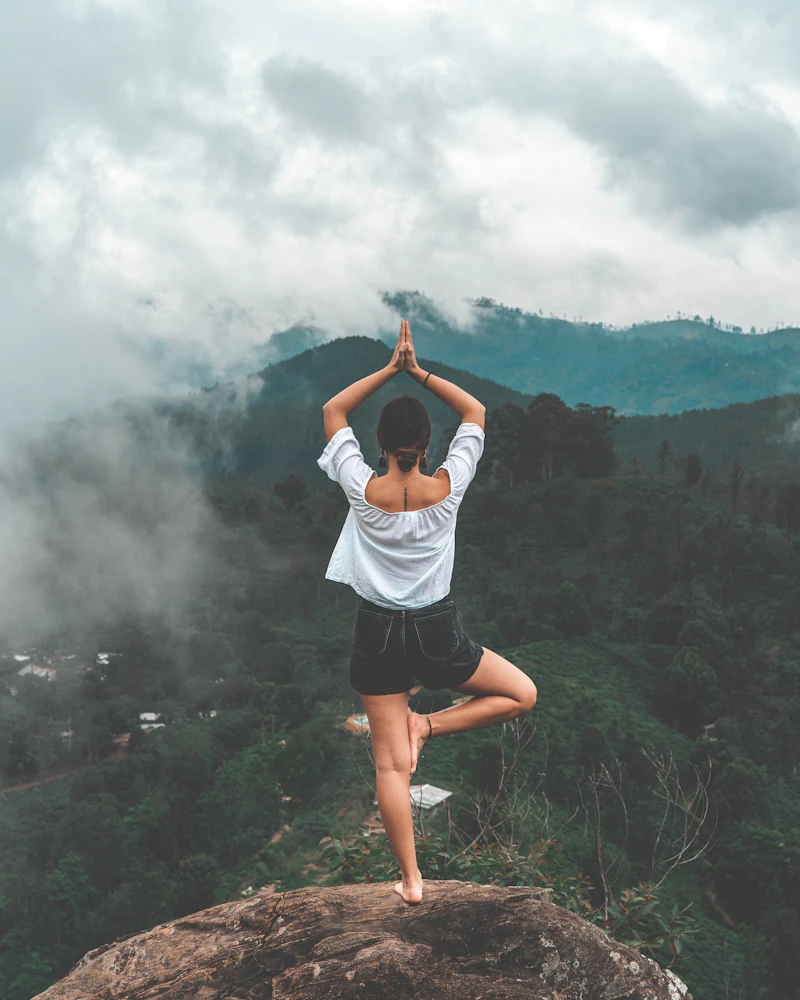
Power yoga and vinyasa flow are the most popular dynamic yoga styles practiced in Dubai's studios — and for good reason. They deliver a genuine workout while maintaining yoga's signature mind-body connection. Whether you're a gym-goer looking to add mobility and breathwork to your training, or a dedicated yogi seeking more physical challenge, these styles offer something most other fitness formats simply cannot match.
This guide unpacks everything about power yoga and vinyasa flow in Dubai: the differences between styles, what to expect in class, how to choose the right studio and teacher, how to progress from beginner to advanced practice, and how these styles complement every other fitness discipline you might be doing.
Understanding Vinyasa Flow and Power Yoga
The terms "vinyasa flow" and "power yoga" are often used interchangeably but carry distinct meanings. Vinyasa literally means "to place in a special way" and refers to the linking of poses through flowing movement synchronised with breath. Every inhale and exhale corresponds to a specific movement — creating a meditative momentum that distinguishes yoga from general stretching.
Vinyasa flow is a broad teaching style where the teacher creatively sequences poses into continuous flow patterns. No two classes are identical; the sequence changes each time based on the teacher's intention, the group's energy, or a seasonal theme. This variety keeps practitioners engaged and prevents the staleness that fixed sequences can create over time.
Power yoga is a more athletically demanding evolution of vinyasa. Originally derived from Ashtanga yoga by American teachers in the 1980s, power yoga emphasises building strength alongside flexibility, incorporates challenging arm balances and inversions, and typically moves at a faster pace with less time in restorative poses. Heart rate elevates significantly during power classes — it genuinely builds fitness as well as flexibility.
Vinyasa Flow
Creative sequences, meditative quality, moderate intensity, accessible to all levels. Great for stress, mobility, and mind-body connection.
Intensity: Medium
Power Yoga
Athletically challenging, strength and flexibility combined, faster pace, arm balances and inversions. Cardiovascular benefits alongside flexibility.
Intensity: High
Hot Vinyasa
Vinyasa or power yoga in a heated room (35–40°C). Increased flexibility from heat, higher sweat output, detoxification emphasis.
Intensity: Very High
Slow Vinyasa
Deliberate pace, longer holds, breath emphasis, accessible to beginners and those recovering from injury. Less cardiovascular demand.
Intensity: Low-Medium
Why Dubai's Fitness Culture Is Perfect for Power Yoga
Dubai's fitness community skews toward high-achievers who want results — and power yoga delivers results without the repetitiveness of conventional gym training. The city's high-stress professional environment makes power yoga's dual benefit (physical challenge plus stress reduction) particularly valuable. Unlike pure cardio or pure lifting, a well-taught power yoga class resets the nervous system while building a stronger, more flexible body.
The international nature of Dubai's population also means its yoga studios draw teachers from India, the UK, the US, Australia, and across Southeast Asia — creating a rich diversity of teaching styles and philosophical approaches within the broader vinyasa and power yoga family. You can experience everything from Sri Lankan Ashtanga-rooted power yoga to LA-style flow fitness classes all within a few kilometres of each other.
If you've previously explored hot yoga in Dubai or reformer Pilates studios, power yoga sits in a complementary space — it combines yoga's breathwork and mind-body depth with a genuine physical workout that rivals both in effectiveness.
Core Sequences and Poses in Power Vinyasa
Sun Salutations — The Foundational Flow
Sun salutations (Surya Namaskar A and B) are the backbone of nearly every vinyasa and power yoga class. These 10–17 pose sequences flow from standing to high plank, through chaturanga (a low push-up position), upward-facing dog, and downward-facing dog, before returning to standing. Performed repeatedly and at pace, sun salutations build heat, develop upper-body strength, and create the rhythmic breath pattern that characterises the practice.
For beginners, chaturanga is the most challenging component — it requires significant shoulder and tricep strength to lower with control. Until you've built that strength, lowering knees to the floor is the correct modification. Rushing chaturanga before you're ready is the most common cause of wrist and shoulder issues in new vinyasa practitioners.
Standing Power Sequences
Power yoga classes build through sequences of standing poses: warrior I, warrior II, triangle, extended side angle, and their variations. These sequences develop leg strength, hip mobility, and body awareness. In power yoga they're held for shorter durations than in slower styles, creating more of a flowing sequence than static holds. The intensity comes from the continuous movement rather than deep isometric holds.
Arm Balances and Inversions
What separates power yoga from basic vinyasa is the emphasis on arm balances and inversions: crow pose (bakasana), side crow, firefly, and for advanced practitioners — handstands, forearm stands, and eight-angle pose. These require wrist strength, core control, and the ability to shift your centre of mass forward with control. Progress in arm balances takes time and should not be rushed — consistent practice over months, not a single breakthrough session, is how these poses are attained.
Backbends and Heart Openers
Power yoga sequences typically culminate in backbending poses: camel, wheel, bridge, and locust. These counteract the forward-flexed posture most Dubai desk workers maintain for hours daily. Regular backbending practice significantly reduces upper-back tension, improves thoracic spine mobility, and can alleviate the shoulder and neck tightness that characterises sedentary work life.
Find a Yoga Teacher in Dubai
Connect with certified vinyasa and power yoga instructors across Dubai through GetFitDXB.
Browse Yoga ClassesPower Yoga vs Other Yoga Styles in Dubai
Dubai's yoga landscape is rich and diverse. Understanding how power yoga relates to other popular styles helps you choose what best serves your goals:
- Ashtanga yoga: The parent of power yoga. Fixed sequence practiced in the same order every time. Deeply transformative but demanding and structured. Popular among purists and those wanting a traditional practice.
- Hot yoga (Bikram-style): 26 poses in a 40°C room. Fixed sequence, heat-focused. Very different from vinyasa — no flowing movement, highly specific. Read more in our hot yoga guide.
- Yin yoga: Passive, long-held poses targeting deep connective tissue. The conceptual opposite of power yoga. Many Dubai practitioners combine power yoga and yin yoga for a complete practice.
- Hatha yoga: Traditional poses held statically without flow. Accessible, less cardiovascular, more alignment-focused. Good introduction before approaching vinyasa.
- Pilates: While not yoga, Pilates and power yoga share core-strength and body-awareness emphases. Many Dubai practitioners do both — yoga for mobility and breathwork, Pilates for precise core conditioning. See our Pilates in Dubai guide.
Health Benefits Backed by Research
Power yoga and vinyasa flow have accumulated significant research evidence supporting multiple health outcomes:
Strength and Functional Fitness
Regular power yoga practice builds demonstrable upper-body, core, and lower-body strength. A 2019 study in the Journal of Strength and Conditioning Research found 12 weeks of power yoga produced strength gains comparable to a moderate resistance training programme — particularly in push-up capacity, plank endurance, and lower-body functional strength tests.
Flexibility and Mobility
This is the most intuitive benefit: consistent vinyasa practice significantly improves hamstring, hip flexor, thoracic spine, and shoulder mobility. For Dubai's population of desk workers, this has profound quality-of-life implications — reducing chronic back pain, improving posture, and counteracting the effects of prolonged sitting.
Mental Health and Stress Reduction
The breathwork embedded in vinyasa practice activates the parasympathetic nervous system and reduces cortisol levels. Research consistently shows yoga practitioners report lower anxiety, improved mood, and better stress resilience compared to controls. For Dubai's high-pressure professional community, this may be power yoga's most important benefit.
Cardiovascular Health
Dynamic vinyasa and power yoga classes elevate heart rate to 60–80% of maximum — sufficient to produce cardiovascular training adaptations over time. A consistent power yoga practice can improve VO2 max, reduce resting heart rate, and lower blood pressure, though dedicated cardio training remains more efficient for pure cardiovascular development.
🔬 Power Yoga Research Highlights
- 12 weeks of power yoga: ≈ 20% improvement in handgrip and push-up strength
- 60 min vinyasa class: average 300–400 kcal expenditure
- Regular practice: cortisol reduction of 15–25% vs sedentary controls
- 8 weeks of vinyasa: significant improvements in hamstring flexibility (30–40°)
- Power yoga practitioners show reduced biological age markers vs non-practitioners
How to Choose a Power Yoga Class in Dubai
By Experience Level
Beginners: Look for "vinyasa flow all levels," "slow flow," or "beginner power yoga" classes. These include more instruction on individual poses and provide modifications throughout. Avoid classes labelled "advanced" or "power flow level 2/3" until you're comfortable with sun salutations and basic standing sequences.
Intermediate practitioners: Regular vinyasa flow or standard power yoga classes. You should be able to perform a full chaturanga, hold downward dog comfortably, and follow a teacher through a moderate pace sequence without constantly checking neighbors for pose cues.
Advanced practitioners: Advanced power yoga, inversions workshops, and arm balance masterclasses. If you're at this level, you likely know which teachers in Dubai deliver the intensity and technical depth you're seeking.
By Goal
- Stress relief + fitness: Regular 60-min vinyasa flow classes, 3× per week
- Athletic cross-training: Power yoga specifically, 2× per week alongside your primary training
- Flexibility focus: Slow vinyasa or combination slow/power schedule
- Weight management: Hot power yoga or regular power yoga 4–5× per week
- Back pain relief: Gentle vinyasa with an emphasis on backbending and hip opening
Teacher Credentials to Look For
The most important factor in yoga class quality is the teacher. Look for instructors who hold a Yoga Alliance RYT-200 or higher certification — this indicates 200+ hours of formal yoga teacher training. An RYT-500 certification indicates advanced training. Specialisations in anatomy, therapeutic yoga, or specific advanced practices add additional credibility.
Teacher personality and communication style matters enormously in yoga. A technically excellent teacher who doesn't connect with you personally will produce worse outcomes than a slightly less credentialed teacher you genuinely enjoy learning from. Most Dubai studios offer class drops or trial packs — use these to experience multiple teachers before committing to a membership or class pack.
Book a Private Yoga Session
Learn vinyasa flow or power yoga fundamentals one-to-one with a certified instructor. Faster progress, personalised guidance, injury-safe progression.
Find a Yoga TeacherPower Yoga for Athletes: Cross-Training Benefits
Some of Dubai's most engaged power yoga practitioners are athletes who train primarily in other disciplines. Power yoga has proven cross-training value for:
- Runners: Hip flexor mobility, hamstring flexibility, single-leg balance, and breathing control all directly transfer to running economy and injury prevention. See related: Mobility & Stretching for Runners.
- CrossFit athletes: Shoulder mobility for overhead movements, hip depth for squats, and thoracic spine extension for overhead pressing are all developed in power yoga practice.
- Cyclists: Hip flexor opening and thoracic spine rotation counteract the contracted, forward-flexed cycling position.
- Strength trainers: Wrist, elbow, and shoulder mobility; hamstring and hip flexibility; improved range of motion that allows better technique in compound lifts.
- Team sport athletes: Rotational core strength from twisting poses, multi-planar hip mobility, and breath control under exertion.
Building a Home Power Yoga Practice in Dubai
For days when studio attendance isn't possible — whether due to travel, scheduling, or Dubai's occasional chaos — a home practice keeps your yoga development consistent. The essentials:
A quality non-slip yoga mat is the most important investment. In Dubai's air-conditioned apartments, standard mats can be slippery for sweaty practice — a textured mat or a yoga mat towel solves this. Create a dedicated space with sufficient length (2m+) and width (1m+) to move through sun salutations freely.
Yoga blocks (2) and a strap are the most useful props for building a home practice safely. Blocks bring the floor closer when your flexibility doesn't yet allow full pose expressions; a strap extends your reach in hamstring and shoulder poses. These are available throughout Dubai's sports retail stores and online.
For guided home practice, international platforms offer excellent power yoga and vinyasa content. However, working with a live Dubai-based teacher for at least occasional sessions ensures your technique, alignment, and injury-prevention habits are properly established before relying primarily on video instruction.
Getting Started with Power Yoga in Dubai: Your First Week
- Day 1: Research studios near your home or work — most offer trial classes or intro packs
- Day 2–3: Attend your first vinyasa flow class; accept that you'll feel lost occasionally — that's completely normal
- Day 4: Rest or gentle stretching — your muscles will be working new movement patterns
- Day 5: Second class, same studio or a different teacher to find your preference
- Week 2+: Commit to 2–3 classes per week for 4–6 weeks before evaluating; yoga takes time to show its full benefits
Related reading: Complete Dubai Yoga Guide, Yoga for Men in Dubai, Flexibility & Mobility Training, and free Yoga Beginners Guide for Dubai newcomers to the practice.