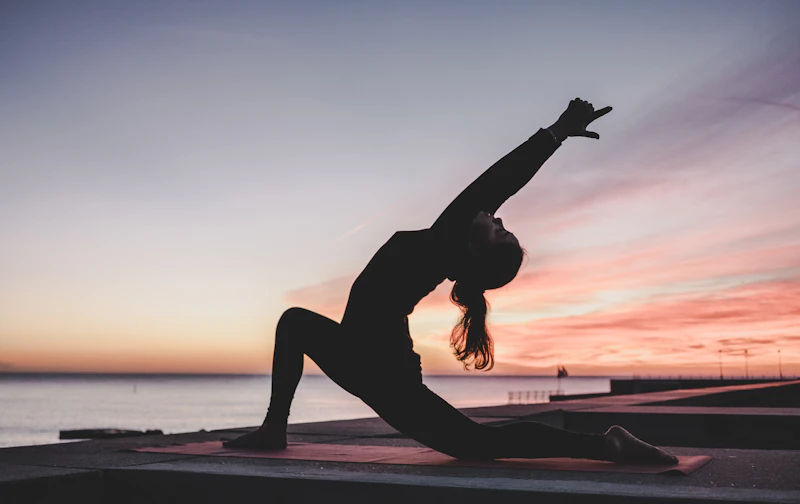
Tai chi, often described as "meditation in motion," has captured the hearts of thousands of fitness enthusiasts across Dubai. Whether you're seeking a low-impact workout, stress relief, or a deeper spiritual practice, tai chi offers something for everyone. This comprehensive guide will walk you through everything you need to know about finding, understanding, and starting tai chi classes in Dubai in 2026.
What Is Tai Chi?
Tai chi (also spelled taichi or t'ai chi) is a traditional Chinese martial art that has evolved over centuries into a graceful, flowing practice focused on health and wellness. Unlike aggressive martial arts, tai chi emphasizes slow, deliberate movements performed in a meditative state. Each sequence is designed to cultivate balance, flexibility, and inner peace.
The philosophy behind tai chi centers on the concept of qi (pronounced "chee"), the vital life force that flows through the body. Practitioners believe that by moving mindfully and maintaining proper alignment, you can optimize the flow of qi, leading to improved physical and mental health. The movements follow the principles of yin and yang—the balance of opposing but complementary forces.
What sets tai chi apart from other fitness practices is its accessibility. Movements are performed at a slow, controlled pace, making it suitable for people of all ages and fitness levels. Whether you're a complete beginner or an athlete looking for recovery, tai chi can be adapted to meet your needs. Many practitioners in Dubai find that tai chi complements their existing fitness routines, providing balance and mindfulness to otherwise high-intensity training.
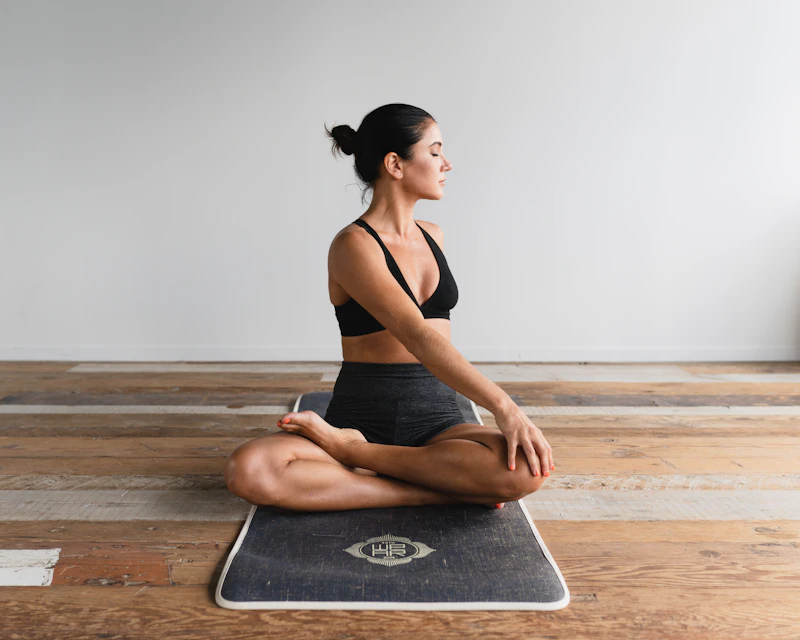
Health Benefits of Tai Chi
Scientific research has increasingly validated what practitioners have known for centuries: tai chi offers remarkable health benefits. Here's what the evidence shows:
Balance & Fall Prevention
Studies published in the Journal of the American Geriatrics Society demonstrate that regular tai chi practice significantly improves balance and reduces fall risk, particularly in seniors. The slow, weight-shifting movements train your proprioception—your body's awareness of its position in space.
Stress Reduction & Mental Health
Tai chi engages the parasympathetic nervous system, your body's "rest and digest" mode. Research shows that consistent practice reduces cortisol levels (the stress hormone) and alleviates anxiety and depression symptoms. Many Dubai professionals use tai chi as a meditation alternative or complement.
Joint Health & Arthritis Relief
The gentle, flowing movements lubricate joints without the impact of running or high-intensity exercise. Studies indicate that tai chi can reduce pain and stiffness associated with osteoarthritis and rheumatoid arthritis, making it ideal for anyone with joint concerns.
Blood Pressure & Cardiovascular Health
Multiple clinical trials show that tai chi practice reduces systolic and diastolic blood pressure, often as effectively as medication in mild cases. The combination of controlled movement, breathing, and relaxation improves overall cardiovascular function.
Cognitive Function & Brain Health
Research from Harvard Medical School suggests that tai chi improves memory, attention, and cognitive processing. The mindful nature of the practice, combined with the complexity of the movements, creates a powerful brain workout.
Additional benefits include improved sleep quality, enhanced immune function, better flexibility and posture, increased energy levels, and a greater sense of overall well-being. For many Dubai residents, tai chi becomes not just a fitness activity but a transformative lifestyle practice.
Tai Chi vs Yoga: Which Is Right for You in Dubai?
Both tai chi and yoga are popular wellness practices in Dubai, and many people wonder which is better for them. The truth is, they're different in approach but equally valuable. Here's how they compare:
| Aspect | Tai Chi | Yoga |
|---|---|---|
| Primary Origin | Chinese martial arts tradition | Indian philosophical tradition |
| Movement Style | Continuous, flowing, circular | Posture-based, static holds |
| Pace | Slow and meditative | Varies (gentle to vigorous) |
| Flexibility Gains | Moderate, gradual | High, particularly in hips and hamstrings |
| Strength Building | Core and leg stabilizers | Full-body, including arms |
| Cardiovascular Impact | Low to moderate | Low to high (style-dependent) |
| Mental Focus | Qi cultivation, energy flow | Pranayama (breathing), chakras |
| Best For | Balance, stress relief, aging, martial focus | Flexibility, strength, vigorous practice options |
Choose tai chi if you want: A low-impact practice that emphasizes balance and flow, something meditative and calming, or benefits specifically for aging and joint health. Choose yoga if you want: Greater flexibility gains, options for more vigorous practice, or a wider variety of styles and intensities.
Many Dubai practitioners do both! Yoga provides deep stretching and strength, while tai chi offers moving meditation and balance. Some studios in Dubai offer both practices, allowing you to experiment and find your preference.

Types of Tai Chi Styles Taught in Dubai
While tai chi is one practice, there are several traditional styles, each with distinct characteristics. Understanding these styles can help you choose the right class for your goals:
Yang Style
The most popular style worldwide and most commonly taught in Dubai, Yang style is characterized by large, open movements performed slowly and gracefully. It's incredibly accessible for beginners and seniors because it emphasizes clarity and simplicity. Most group classes in Dubai studios teach Yang style. The movements are expansive and relatively easy to follow, making it ideal if you're just starting out.
Chen Style
The oldest of the major styles, Chen style combines slow and fast movements, incorporating more explosive power. It's the original martial art form and is considered more challenging than Yang. If you're interested in the martial applications of tai chi or want a more dynamic practice, Chen style might appeal to you. Some advanced classes in Dubai teach this style.
Wu Style
Wu style is known for its smaller, more compact movements and a forward-leaning posture. It's gentle and internal-focused, emphasizing qi circulation. This style is excellent for people with limited space or those who prefer subtle, refined movements. It's less common in Dubai but available at specialized wellness centers.
Sun Style
One of the newer styles, Sun incorporates principles from other martial arts. It features higher stances and more deliberate, stepping movements, making it slightly more active than Yang style. Sun style is increasingly popular among fitness-focused practitioners in Dubai.
For beginners in Dubai, Yang style is the recommended starting point. It's the most widely available, most beginner-friendly, and provides all the health benefits without the complexity of other styles. You can always explore other styles later as your practice deepens.
Where to Find Tai Chi Classes in Dubai
Dubai offers numerous options for learning tai chi, from dedicated studios to outdoor park sessions. Here's where to find classes:
Wellness Studios & Yoga Centers
Most major yoga studios across Dubai offer tai chi classes alongside their yoga programs. Centers in Dubai Marina, JBR, Downtown Dubai, and Al Wasl typically have multiple weekly tai chi sessions. Studios like Mind & Body Wellness Centers often have experienced instructors certified in Yang style tai chi. Group classes usually accommodate 8-15 participants.
Outdoor Park Sessions
One of the most authentic Dubai experiences is practicing tai chi outdoors at sunrise. Zabeel Park, Al Safa Park, Mushrif National Park, and the beaches of JBR and Dubai Marina host informal tai chi groups, many of them free or donation-based. These morning sessions typically run from 6:00 AM to 7:00 AM and attract a mixed community of practitioners. You'll often find experienced practitioners happy to guide newcomers.
Hotels & Resorts
Premium hotels like the Four Seasons, Jumeirah, and Emirates Towers often offer tai chi classes as part of their wellness programs. These are sometimes complimentary for guests or available for a fee. The advantage is beautiful settings and often highly qualified instructors.
Private Instructors
If you prefer one-on-one instruction, many certified tai chi masters operate in Dubai, offering private lessons in your home, their studio, or outdoor locations. This allows for personalized attention and flexible scheduling.
Community Centers
Some community organizations and sports clubs in various Dubai neighborhoods host tai chi sessions, often at lower costs than commercial studios.
Ready to Find Tai Chi & Wellness Classes?
Explore hundreds of studios, trainers, and wellness classes available across Dubai right now. Filter by location, style, and price to find your perfect fit.
Browse Wellness ClassesTai Chi Class Costs in Dubai
Pricing for tai chi in Dubai varies depending on the class format, instructor credentials, and location. Here's a realistic breakdown for 2026:
| Class Type | Format | Typical Cost | Duration |
|---|---|---|---|
| Group Classes (Studio) | 8-15 participants, regular schedule | AED 80–150 per session | 60–90 mins |
| Drop-in Class | No commitment, whenever you want | AED 100–180 | 60 mins |
| Monthly Membership | Unlimited classes per month | AED 400–700 | Varies |
| Private Instruction (1:1) | Personalized lesson with master | AED 200–350 per session | 60 mins |
| Outdoor Park Sessions | Free or donation-based groups | Free–AED 50 (donation) | 45–60 mins |
| Intensive Workshops | Half-day or full-day seminars | AED 300–600 | 4–8 hours |
| Retreats (Weekend/Week) | Immersive learning experiences | AED 2,000–5,000+ | 2–7 days |
- Start with free outdoor park sessions to learn basics before committing to paid classes
- Look for studio intro packages: many offer first class free or heavily discounted
- Monthly memberships offer the best value if you attend 2+ times per week
- Some studios offer group discounts—bring friends and both save money
- Check whether your health insurance covers wellness activities (some do)
Premium studios in Marina and Downtown charge more, while community centers and parks are significantly cheaper. The key is finding a qualified instructor you trust—expertise matters more than location or cost.
Tai Chi for Seniors in Dubai
Tai chi has earned the nickname "the perfect exercise for aging" for good reason. Dubai's growing senior population—many of them active expats and UAE nationals—increasingly turn to tai chi for health maintenance and quality of life.
Why Tai Chi Is Ideal for Seniors Over 50
Low Impact on Joints: Unlike running or high-impact aerobics, tai chi's slow, controlled movements don't stress joints, making it safe for those with arthritis or previous injuries.
Fall Prevention: Falls are a leading cause of injury and disability in seniors. Research consistently shows tai chi reduces fall risk by improving balance, proprioception, and leg strength. Even one serious fall can significantly impact independence.
Mental Health & Cognitive Benefits: The mindful, meditative aspect of tai chi supports mental health, reducing depression and anxiety common in aging populations. The cognitive complexity helps maintain sharp mind function.
Social Connection: Group tai chi classes provide valuable social interaction, combating isolation—a major health risk factor for seniors. Many Dubai parks host lively senior tai chi communities.
Independence & Mobility: By maintaining and improving flexibility, balance, and strength, tai chi helps seniors remain independent longer, whether that's walking without assistance, playing with grandchildren, or traveling.
Specialized Senior Programs in Dubai
Many studios offer dedicated tai chi classes specifically for seniors, with modifications for different abilities and slower pacing. Classes typically run mornings (6–9 AM), which suits seniors' schedules. Instructors in these classes understand age-related concerns and adapt accordingly.
For seniors new to exercise, tai chi is gentler than gym workouts but more effective than simple walking for building functional strength and balance. Combined with regular health checkups, it's an excellent longevity practice.
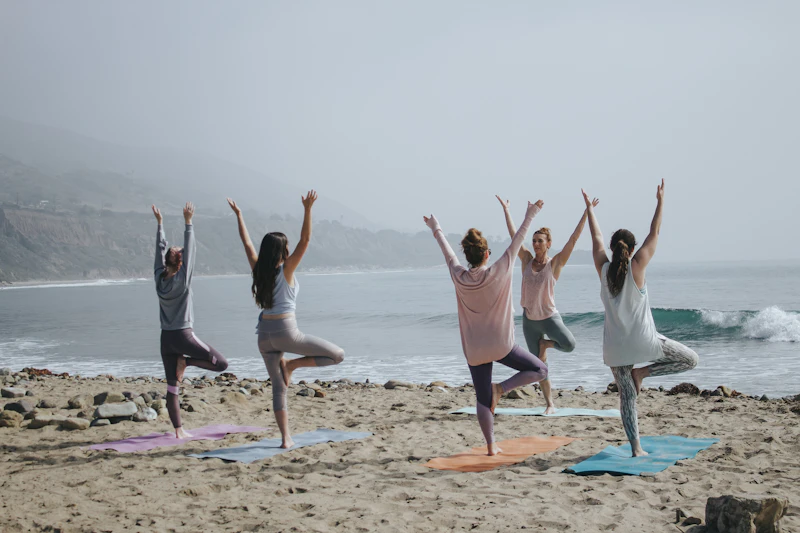
How to Start Tai Chi in Dubai as a Complete Beginner
Ready to begin your tai chi journey? Here's everything you need to know to get started confidently:
What to Wear
Tai chi requires no special equipment or expensive gear. Wear comfortable, loose-fitting clothing that allows free movement—think yoga pants, t-shirts, or traditional tai chi uniforms if you prefer. Soft, flexible shoes or go barefoot if the class is indoors. Avoid tight jeans or restrictive clothing. For outdoor park sessions in Dubai's heat, wear breathable, light-colored clothing and bring water.
Finding Your First Class
Start by exploring options: visit studio websites, read reviews on Google and social media, and ask about introductory classes. Most studios offer a free trial or heavily discounted first class specifically for beginners. Look for classes labeled "Beginner" or "Open to All Levels." An experienced instructor should welcome questions and modifications.
What to Expect in Your First Class
Class typically begins with centering and breathing exercises (5 minutes), followed by gentle warm-up movements (10 minutes). The main form practice takes up most of the class (40–50 minutes), where the instructor demonstrates movements step-by-step and you follow along. Don't worry about perfection; focus on moving slowly and mindfully. Classes usually end with cool-down stretches and meditation (5–10 minutes).
You'll learn basic stances like "horse stance" (legs slightly bent, weight centered) and fundamental hand movements. Most beginners can't perform a complete form in their first class—that's entirely normal and expected. It takes weeks or months to learn the full sequence, and that's part of the beautiful journey.
Setting Realistic Expectations
Weeks 1–2: You'll learn basic movements and feel somewhat awkward—everyone does. You might feel a bit sore as stabilizer muscles activate.
Weeks 3–4: Movements become smoother, you're less focused on your feet, and you start to feel the mental benefits.
Weeks 5–8: Noticeable improvements in balance, flexibility, and stress reduction. You're getting more comfortable with the form.
Months 3–6: Significant functional improvements—better posture, fewer aches, improved sleep, noticeable stress relief. You might be able to perform a short form start to finish.
Consistency matters far more than intensity. Practicing 2–3 times per week is more beneficial than intense weekly sessions. Many practitioners find that after 6 months of regular practice, tai chi becomes something they genuinely crave—it feels less like exercise and more like meditation.
Finding the Right Teacher
A good tai chi instructor should be:
- Patient and encouraging with beginners
- Able to explain the philosophy and benefits, not just demonstrate movements
- Willing to modify for different abilities and injuries
- Certified or trained under respected masters
- Creating a welcoming, non-judgmental environment
Don't stick with a teacher or class that doesn't feel right. It's worth trying multiple classes before committing. The instructor-student relationship is important in tai chi; you should feel supported and respected.
Are You a Tai Chi Instructor in Dubai?
Reach thousands of potential students looking for your classes. List your tai chi instruction services on GetFitDXB and grow your client base.
List Your Services Free