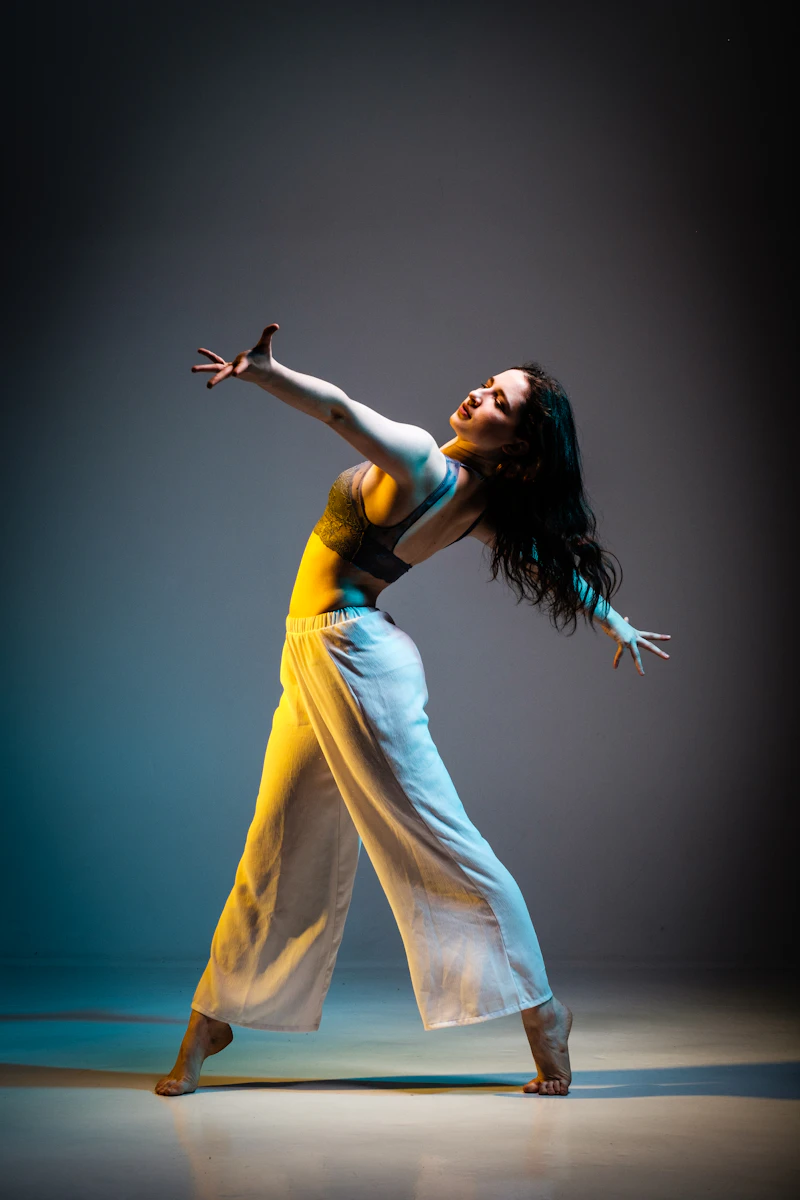
Capoeira is unlike any other martial art in the world. Developed by enslaved Africans in colonial Brazil as a covert system of combat disguised within dance and music, capoeira has evolved over four centuries into one of humanity's most beautiful and physically demanding movement practices. It combines martial technique, acrobatics, dance, music, philosophy, and community into a single holistic discipline — and Dubai's diverse, culturally curious population has embraced it with genuine enthusiasm.
If you have ever watched two capoeiristas flow around each other in the roda (the ritual circle), trading kicks, sweeps, and acrobatic dodges to the sound of the berimbau's hypnotic rhythms, you have seen something impossible to categorise. Capoeira practitioners describe it variously as a martial art, a dance, a game, a conversation, a philosophy — and all of these descriptions are simultaneously true. For Dubai residents looking for a fitness activity that transforms not just the body but also the mind and creative spirit, capoeira offers an unmatched path.
The Cultural and Historical Context
Capoeira emerged in Brazil during the 16th–19th centuries among African enslaved people who needed to develop and practise self-defence without their captors recognising it as a martial art. By disguising combat movements within music and dance, practitioners maintained a covert fighting tradition that would eventually become one of Brazil's most distinctive cultural exports. In 2014, UNESCO recognised capoeira as an Intangible Cultural Heritage of Humanity — an honour that reflects its extraordinary depth as both a martial system and a cultural practice.
Two primary styles developed over capoeira's history. Capoeira Angola, associated with Mestre Pastinha in the early 20th century, emphasises the traditional slow, deceptive style closer to capoeira's roots — low, grounded movement, deep strategies, and musical integrity. Capoeira Regional, developed by Mestre Bimba in the 1930s, incorporated elements from other martial arts to create a faster, more acrobatic style with structured sequences called sequências. Most contemporary academies teach some combination of both lineages, and the student ultimately absorbs the character of their professor's particular tradition.
The Exceptional Physical Benefits of Capoeira
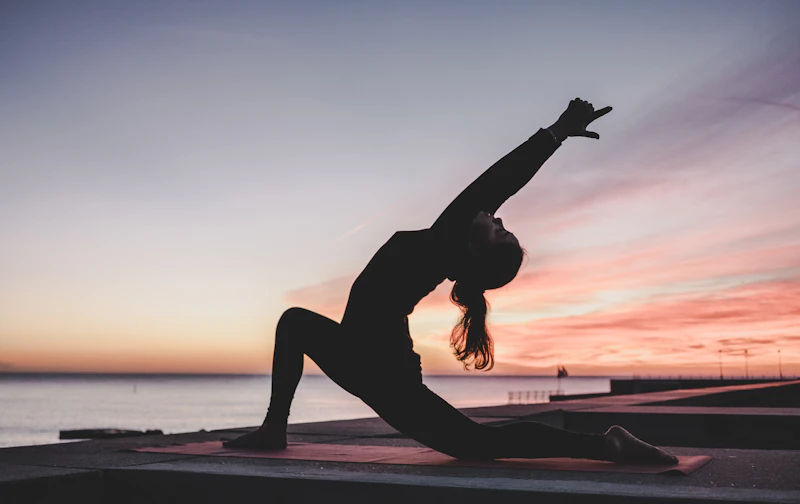
Capoeira develops physical qualities that very few other activities can match. Its unique combination of demands creates practitioners who are simultaneously strong, flexible, fast, and coordinated.
Full-Body Flexibility
Capoeira's movement vocabulary requires extraordinary flexibility — particularly in the hips, hamstrings, spine, and shoulders. The ginga (the constant rocking sway that is capoeira's fundamental movement) and the esquiva (evasive dodges) continuously mobilise the spine and hips. Consistent practitioners typically achieve deep range of motion improvements within months, with many adults achieving splits and advanced flexibility positions they never imagined possible. This flexibility development has profound benefits for posture, lower back health, and movement quality in everyday life.
Core Strength and Body Control
The au (cartwheel), ginga, and ground movements require significant core engagement for control and stability. Capoeira's movement quality demands — smooth, flowing, powerful — cultivate deep core activation that functional fitness practitioners and physiotherapists recognise as highly valuable. The ability to move with control through unstable, multidirectional positions distinguishes capoeira-trained bodies in their general movement quality.
Cardiovascular Conditioning
The jogo (game — the sparring exchange between two practitioners) is aerobically demanding. Maintaining the ginga throughout and exploding into kicks and dodges at full speed elevates heart rate significantly. Training sessions typically include multiple jogo rounds, drilling sequences at speed, and musical rounds that keep the cardiovascular system consistently challenged. A 60-minute capoeira class burns 400–600 calories.
Rhythm, Coordination, and Body Awareness
Capoeira demands that physical movement be integrated with musical rhythm — the berimbau's tempo sets the pace and character of the jogo. This integration of movement with music develops extraordinary rhythmic body awareness. Many capoeiristas report that their general coordination, body awareness, and rhythm improve dramatically after years of practice, with benefits that transfer to all other physical activities.
Explosive Power and Acrobatics
Advanced capoeira incorporates flips, aerial kicks (parafuso, armada dupla, au sem mão), and handstands that require genuine explosive power and spatial awareness. The path to these movements is gradual — students develop them over years of progressive physical preparation — but the process itself builds exceptional athletic qualities. Many intermediate capoeiristas are capable of acrobatic feats that surprise people unfamiliar with the art's physical demands.
Capoeira Training — Physical Benefits Summary
- Calories per 60-min class: 400–600 kcal
- Primary physical qualities: Flexibility, core strength, coordination, explosive power
- Unique benefit: Musical integration, body awareness, movement creativity
- Flexibility improvement: Exceptional — among the best of any physical discipline
- Suitable for: All fitness levels, ages 6–60+
The Capoeira Roda: The Heart of Practice
The roda is the ritual circle that forms the centre of capoeira practice. Players (capoeiristas) and musicians form a circle; two players enter and engage in the jogo (game) while others clap and sing. The berimbau (a single-string musical bow), atabaque (drum), pandeiro (tambourine), and agogô (cowbell) create the musical framework that determines the game's rhythm and character.
The jogo itself is not a fight in the conventional martial arts sense — it is more of a dialogue. Two players read each other's intentions, feint, attack, dodge, and flow in a continuous improvised exchange. The goal is not to defeat or hurt but to demonstrate technical mastery, creativity, and respect for the partner. This dialogic character makes capoeira unlike any other martial art: the quality of the game is judged by its beauty and mutual intelligence as much as by the effectiveness of individual techniques.
Capoeira's Musical Soul
The berimbau — a single-string musical bow played with a stone and coin — is capoeira's most iconic instrument and its symbolic heart. The berimbau's rhythm dictates the jogo's speed and character: a fast, provocative rhythm calls for aggressive, acrobatic play; a slow, deceptive rhythm invites Angola-style strategic engagement. Learning to play the berimbau is part of the capoeira curriculum, and the music is as integral to the practice as the movement. For students who love music, this dimension adds a uniquely enriching layer to what might otherwise be "just" a martial art.
Essential Capoeira Terminology
Find Martial Arts & Dance Fitness Classes in Dubai
Browse verified martial arts instructors, dance fitness classes, and unique movement disciplines across all Dubai areas on GetFitDXB.
Browse Martial Arts ClassesWhat to Expect in Your First Capoeira Class in Dubai
Walking into your first capoeira class can be disorienting in the best possible way. The environment is unlike any conventional gym or martial arts studio — music is usually playing, students are moving in unusual ways, and the energy is distinctly vibrant and communal.
A typical beginner class starts with the ginga — the fundamental swaying movement that is capoeira's starting position and constant state. You will spend considerable time learning to ginga with natural ease before adding other elements. Basic kicks follow: meia-lua de frente (half-moon kick), queixada (a swinging heel kick), and armada (a spinning kick). Basic dodges — the esquiva baixa (low dodge) and the ginga-esquiva combinations — are introduced to show how attack and defence flow together.
You will probably feel awkward in your first session. Capoeira's movement patterns are genuinely unlike anything in daily life or conventional fitness training. The ginga in particular feels unnatural to most beginners — but this awkwardness transforms into fluid grace with consistent practice, typically within 2–3 months for adults who train regularly.
Classes end with the roda. Even as a complete beginner, you will be invited to enter the roda and play a slow, gentle jogo with a more experienced student or the professor. This first jogo experience is something most practitioners remember vividly for years.
Capoeira and Complementary Fitness in Dubai
Capoeira pairs particularly well with other movement disciplines available in Dubai. Yoga and capoeira share an emphasis on breath awareness, body control, and flexibility development — many Dubai students train both. The dance fitness community in Dubai also has significant overlap with capoeira, particularly among practitioners of Afro-Brazilian dance styles like Axé and Samba.
For students interested in developing the acrobatic dimension of capoeira, gymnastics training, aerial arts, and handstand coaching in Dubai all develop directly applicable skills. The core strength and body awareness developed in capoeira also complements weight training, with many capoeiristas reporting improved gym performance from their movement practice.
Costs and Equipment for Capoeira in Dubai
- Monthly training: AED 200–500 for regular group classes
- Drop-in sessions: AED 80–130 where available
- Abadá (training trousers): AED 100–200 (usually purchased through your academy)
- Corda (belt) fees: Included in academy membership at most schools
- Batizado (graduation ceremony): AED 100–300 — covers ceremony and new corda
- Berimbau (instrument): AED 150–400 for a quality instrument once you advance
Compared to equipment-heavy martial arts like BJJ (gi costs) or Muay Thai (gloves, pads, headgear), capoeira has minimal equipment requirements — making it one of the more accessible martial arts to start in terms of initial investment. Most academies allow 1–2 free trial sessions before requiring any commitment.
Finding a Capoeira Academy in Dubai
Dubai's capoeira scene is smaller than the major martial arts like Muay Thai or BJJ but is vibrant and growing. Academies are typically affiliated with a specific Brazilian lineage — their professor's Mestre determines the style and curriculum. When evaluating an academy, ask about the professor's lineage and Mestre affiliation, as this provides context for the style you will learn.
Classes are typically found in studio spaces in Al Barsha, Al Quoz, and Dubai Marina. Some academies share space with dance studios or martial arts centres. Social media (Instagram, Facebook) is the most reliable way to find current class schedules, as capoeira academies tend to be community-run operations with less formal online presence than larger commercial gyms.
For Dubai's broader martial arts scene, GetFitDXB covers all major disciplines including Muay Thai, BJJ, taekwondo, and judo. You can also browse our martial arts and boxing category and dance fitness options for instructors who bridge these disciplines.
Are You a Capoeira Instructor or Martial Arts Coach in Dubai?
Reach hundreds of Dubai residents seeking unique martial arts and movement experiences. Create your GetFitDXB profile and start building your student community.
List Your Services