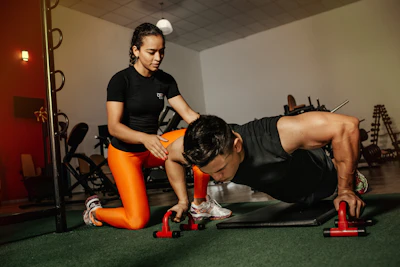
Dubai's fitness obsession is real. Walk into any premium gym — GymNation in Business Bay, Fitness First in Downtown, NAS Sports Club in Jumeirah — and you will see hundreds of people working toward the same goal: visible, functional abs. But here's what most people get wrong: they treat their core as just another muscle group to train, when in reality, the core is the foundation of every movement your body makes. In this comprehensive guide, we reveal the science, the best exercises, the training protocols that actually work, and how to get results faster in Dubai's unique fitness environment.
1. Abs vs Core: What's the Difference?
The question comes up constantly: "What's the difference between abs and core training?" The answer is surprisingly important, because conflating the two is one of the biggest reasons people fail to achieve their goals.
Your abs (or more technically, your rectus abdominis) are a single muscle on the front of your abdomen. When you see a six-pack, that is the rectus abdominis with a low enough body fat percentage that the muscle striations are visible. The rectus abdominis flexes the spine — it brings your ribcage towards your pelvis. That is literally its only job.
Your core, by contrast, is a complex system of deep and superficial muscles that stabilise your entire torso during movement. It includes the transverse abdominis (the deepest abdominal layer), the internal and external obliques (for rotation and lateral flexion), the multifidus, the quadratus lumborum, and the pelvic floor muscles. Your core's primary job is stability and force transfer — not flexion.
This distinction matters enormously. Someone with visible abs may have weak core stability. Someone with an incredibly strong core may not have visible abs if their body fat is too high. Ideally, you want both: functional core strength AND visible, defined abs.
Training only for visible abs while neglecting core stability leads to poor movement patterns, increased injury risk, lower back pain, and surprisingly, slower overall strength gains. In contrast, athletes and fitness professionals who prioritise core stability tend to build stronger, more aesthetic physiques overall and remain injury-free for years.
2. Anatomy of the Core Muscles
To train your core effectively, you need to understand what you are training. The core is not just your abs.
The Rectus Abdominis
The only muscle that appears as a "six-pack." It flexes the spine. Training it primarily involves spinal flexion exercises like crunches, sit-ups, and cable crunches. These are important, but they should not be your entire core routine.
The Transverse Abdominis
The deepest abdominal muscle, running horizontally across your abdomen. It acts like a corset, providing spinal stability and increasing intra-abdominal pressure during heavy lifts. Hollow holds, planks, and dead bugs train this muscle effectively.
The Obliques (Internal & External)
Located on the sides of your abdomen, the obliques handle rotation and lateral flexion. Pallof presses, landmine rotations, and weighted side planks all target the obliques. Training your obliques also helps create that valuable "V-shape" that makes abs look better.
The Multifidus & Spinal Stabilizers
These deep muscles run along the spine and are crucial for stability and preventing injury. Bird dogs, reverse sleds, and prone cobra exercises activate these muscles effectively. They are often neglected by people chasing visible abs, but they are critical for long-term health.
3. The 6 Best Core Exercises for Dubai Gyms
If you are training in a Dubai gym (and most people are — see browse gyms in Dubai), you have access to excellent equipment. Here are the six exercises that deliver the best results for both core strength and visible abs.
Exercise 1: Plank Hold Variations
The plank is non-negotiable. It is the single best anti-rotation, core-stability exercise you can perform. Hold a neutral spine position with your forearms on the ground, body in a straight line from head to heels. Three sets of 45–90 seconds is standard.
Progress by advancing to side planks (target obliques), plank-to-downward-dog transitions, or weighted planks with a plate on your back. In Dubai's boutique gyms and CrossFit boxes, you will see advanced variations like plank shoulder taps, archer planks, and RKC planks.
Exercise 2: Dead Bug
Lie on your back with your arms extended toward the ceiling and knees bent to 90 degrees. Slowly lower your opposite arm and leg toward the floor without letting your lower back arch. Return to start and repeat on the other side. Dead bugs teach you to move your limbs while maintaining spinal neutrality — a crucial real-world skill.
Perform 12–15 reps per side, and once it feels easy, progress to lying leg raises or ab wheel rollouts.
Exercise 3: Hollow Hold
Stand with arms overhead and squeeze your entire body as if making yourself as long and thin as possible. Your lower back should remain neutral (not hyperextended), and your core should feel locked. Hold for 30–60 seconds.
The hollow hold teaches your nervous system to maintain tension through your entire body, which directly transfers to better performance in other exercises. CrossFit gyms and high-level strength gyms in Dubai (like strength-focused spaces in Al Quoz) use hollow holds extensively.
Exercise 4: Pallof Press
Set a cable machine to shoulder height. Stand perpendicular to the machine with the cable on one side. Hold the handle at chest level and press straight out, resisting rotation. Your core must stay perfectly still while you press. This is pure anti-rotation training, and it is outstanding for functional core stability.
Three sets of 12–15 reps per side is perfect. Pallof presses are available in virtually every Dubai gym with cable equipment.
Exercise 5: Ab Wheel Rollout
Hold the ab wheel with arms extended, body in a high plank position. Roll forward, extending your body as far as you can while maintaining spinal neutrality, then drive through your feet and core to roll back to the start. This exercise is brutal but incredibly effective. Beginners should start with knee rollouts.
Three sets of 8–12 reps is challenging and appropriate. Progress by rolling to a full extension and holding for time.
Exercise 6: Cable Crunches (or Machine Crunches)
For visible abs, you need direct spinal flexion work. Cable crunches are superior to traditional crunches because you can load them progressively. Attach a rope to a cable machine set to high. Kneel below the cable, hold the rope at head level, and crunch downward using only spinal flexion — not your hip flexors.
Three sets of 12–15 reps with moderate to heavy weight. Do not rush this movement. Control the eccentric (lowering) portion for 2–3 seconds.
4. Common Core Training Mistakes Dubai Gym-Goers Make
In our work with hundreds of Dubai-based fitness professionals, we have noticed several patterns in how people approach core training — and most of them are counterproductive.
Mistake 1: Endless Crunches and Sit-Ups
Crunches feel productive because you feel the burn, but they only target one muscle (rectus abdominis) and neglect the critical stability muscles. High-volume crunching also increases spinal compression over time, which is why many chronic crunchers eventually develop lower back issues.
Solution: Mix spinal flexion work (cable crunches, weighted ab machine) with anti-rotation work (Pallof presses), anti-extension work (planks), and anti-lateral-flexion work (suitcase carries).
Mistake 2: Training Abs Every Day
Your core muscles are muscles like any other. They need recovery time to adapt and grow stronger. Training your abs daily means they never fully recover, which actually slows adaptation and muscle growth.
Solution: Train your core 3–4 times per week with at least one full rest day in between intense sessions. Most people already load their core substantially during compound lifts (squats, deadlifts, overhead pressing), so dedicated core work should be relatively brief — 10–15 minutes per session is often enough.
Mistake 3: Treating Core Stability as Optional
Many people chase visible abs without ever doing a single stability exercise. Pallof presses, dead bugs, and anti-rotation carries feel less "productive" than crunches, but they are absolutely critical for both injury prevention and athletic performance.
Solution: Dedicate 40% of your core training time to stability work and 60% to hypertrophy (muscle-building) and movement work.
Mistake 4: Ignoring the Obliques
The obliques are huge. Training them properly makes your waist look smaller (they pull in your midsection) and creates the visual "V-shape" that makes abs look dramatically better. But most people skip oblique work entirely.
Solution: Include at least one direct oblique exercise per core session. Weighted side planks, Pallof press variations, and Suitcase carries all work beautifully.
You cannot reduce fat from just your abs by training your abs. Spot reduction does not exist. To reveal your abs, you must lose overall body fat through a calorie deficit and regular strength and cardiovascular training. Your genetics determine where you lose fat first (often face, hands, chest before abs), so be patient and trust the process.
5. Core Training in Pilates & Yoga
Dubai has a thriving Pilates and yoga scene, with studios scattered across every major area — see Pilates classes in Dubai and yoga studios in Dubai.
Pilates is essentially core-focused movement. Classical Pilates on the Reformer (a spring-resistance apparatus) builds deep core stability and is particularly effective for people with previous lower back issues. Mat Pilates is more accessible and affordable, ranging from AED 80–150 per class, and using your own bodyweight, it remains incredibly challenging.
The Pilates philosophy of "powerhouse" activation — consciously engaging your deep abdominals throughout every movement — is brilliant for building lasting core strength. Many Dubai gyms now offer Pilates reformer classes alongside traditional strength training.
Yoga builds core stability through longer holds and endurance. Movements like plank, boat pose, and warrior variations all engage the core extensively. Power yoga and Vinyasa flow styles are particularly good for core conditioning because the transitions between poses require significant stability.
Many Dubai-based yogis recommend combining yoga (2–3x per week) with dedicated strength training and core work (2–3x per week) for best results. See our guide: Yoga for core strength Dubai.
6. Diet for Visible Abs in Dubai
You cannot see your abs unless your body fat is low enough. A 2024 study found that men typically need body fat around 10–12% to see clear ab definition, while women typically need 16–18% body fat. Genetics matter, but these are reasonable targets.
To achieve these levels, you need a calorie deficit. Here is the practical approach:
Step 1: Calculate Your Maintenance Calories
Your maintenance is approximately your bodyweight × 15–16 for lightly active people. A 70kg person who trains 4x per week would maintain around 1,050–1,120 kcal per day. (This is deliberately conservative; use tracking for 2 weeks to find your actual maintenance.)
Step 2: Create a 300–500 Calorie Deficit
Subtract 300–500 calories from your maintenance. This should produce about 0.5–1kg of weight loss per week. Faster deficits usually backfire due to muscle loss and adherence issues.
Step 3: Prioritise Protein
Aim for 0.8–1g of protein per pound of body weight (1.8–2.2g per kg). High protein intake preserves muscle during a deficit and keeps you fuller longer. In Dubai, excellent protein sources include:
- Local fish (hammour, sea bass) — AED 30–50 per kg at local markets
- Chicken — widely available and affordable, AED 15–25 per kg
- Greek yogurt — available at Carrefour and Spinneys, AED 8–15 per tub
- Eggs — incredibly cheap and convenient, AED 1.50–2 per egg
- Protein powder — Optimum Nutrition and MyProtein available locally, AED 150–250 per container
Step 4: Include Whole Grains and Vegetables
Brown rice, sweet potato, oats, quinoa, and whole-wheat bread are your staples. They are calorie-controlled, nutrient-dense, and keep energy levels stable during training. Vegetables are calorie-sparse and micronutrient-rich — eat them freely.
Step 5: Stay Hydrated Year-Round
Dubai's heat means you need significantly more hydration than people in other regions. Aim for 3–4 liters of water daily, and more on training days. Proper hydration improves digestion, boosts metabolism, and prevents the energy crashes that derail diets.
Consider working with a Dubai-based sports nutritionist if you have specific goals or food sensitivities. Many trainers also offer basic nutrition coaching — ask when you browse trainers on GetFitDXB.
Ready to Build Your Core with a Pro?
Finding a personal trainer who specialises in core training can accelerate your results by months. GetFitDXB connects you with 100+ certified PTs across Dubai who specialise in strength, core conditioning, and body composition transformation.
7. Training Frequency & Programming
How often should you train your core, and what should those sessions look like?
The Frequency Question
Most research suggests 3–4 dedicated core sessions per week is optimal for advanced lifters. However, if you are strength training (squats, deadlifts, overhead pressing) 3–4x per week, your core is already getting substantial work. In this case, 2–3 brief dedicated core sessions might be all you need.
A practical rule: if your core feels fresh and strong at the start of every session, you are recovering adequately. If you feel fatigued, reduce frequency and ensure you are eating enough.
A Sample Core Training Week
Here is a practical template for someone training 4 days per week:
- Monday (Compound Lower Body): Squats, lunges, planks (3×60 sec), Pallof press (3×12), suitcase carries (3×40 steps/side)
- Tuesday (Upper Body): Bench press, rows, ab wheel rollouts (3×10), dead bugs (3×12/side)
- Wednesday: Rest or light yoga/mobility
- Thursday (Deadlift & Posterior Chain): Deadlifts, GHD sit-ups or cable crunches (3×12), hollow holds (3×45 sec), weighted side planks (3×30 sec/side)
- Friday (Upper Body & Power): Power cleans, bench press variations, side-plank rotations (3×8/side), ab wheel rollouts (3×10)
This template assumes each compound lower/upper day includes "incidental" core work from the big lifts. The dedicated core exercises add 8–10 minutes per session.
8. Working with a Personal Trainer
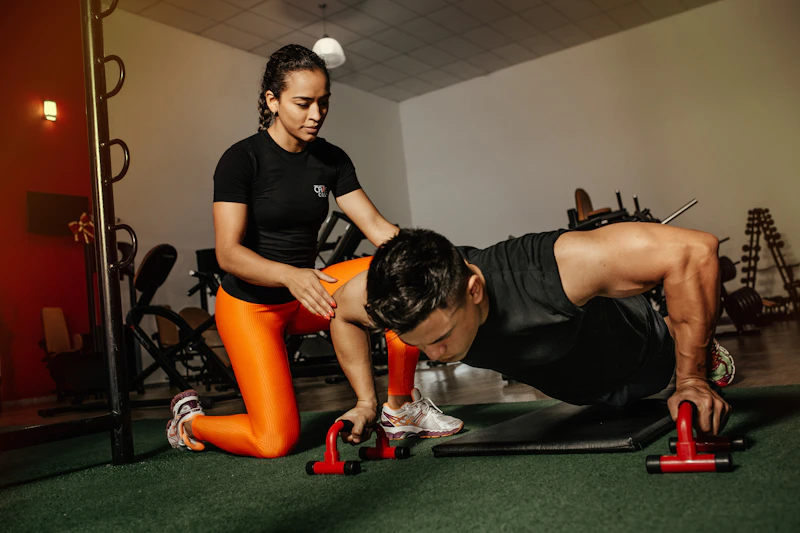
A qualified personal trainer can be transformative for core development because they can correct your form in real-time, ensure you are actually using your core (many people perform exercises wrong), and build a progressive programme that gets harder as you improve.
What to Look For in a Trainer
When browsing trainers in Dubai (or using GetFitDXB's trainer marketplace), look for someone who:
- Has a qualification from a recognised body (NASM-CPT, ACE, ISSA, REPS)
- Has specific experience with core training or strength conditioning
- Can demonstrate exercises correctly themselves
- Takes time for a thorough assessment before writing your programme
- Understands periodisation (varying stimulus over weeks and months)
- Communicates clearly about what they are doing and why
Personal Trainer Costs
In Dubai, personal trainers range from AED 150–600+ per session depending on experience and specialisation. Core-focused specialists at top gyms (GymNation, Fitness First, NAS) typically charge AED 350–500 per session. Most trainers offer package discounts — expect to pay AED 1,500–3,000 per month for 8 sessions (2x per week), which is the most popular package.
See our full guide: How Much Does a Personal Trainer Cost in Dubai?
9. Getting Beach Ready: Dubai Summer Goals
For many people in Dubai, the beach season (October to April, when the weather is actually pleasant) is the motivation driver. Here is a realistic timeline for getting visible abs if you are starting from a moderate body fat level.
Timeline: 12 Weeks to Visible Abs
Weeks 1–4: Foundation Phase Build core stability and strength baseline. Three 15-minute core sessions per week. Combine with 3–4x strength training. Eat in a modest 300-calorie deficit. Expect 2–3kg weight loss (mostly water initially).
Weeks 5–8: Hypertrophy & Definition Phase Increase core volume (more sets and reps). Add 2–3x weekly cardiovascular work (20–30 min moderate intensity). Maintain the 300–500 calorie deficit. Expect 1–2kg per week weight loss. Abs should start becoming visible in very good lighting.
Weeks 9–12: Refinement Phase Reduce overall volume slightly to prevent overuse. Maintain strength with heavy compound lifts. Continue moderate deficit and cardio. Final 2–3kg weight loss. Abs should be clearly visible and defined.
This timeline assumes you are starting from roughly 15–18% body fat. If you are starting higher, add 4–6 weeks to the process. If you are leaner, you can achieve results faster.
Gyms with Best Ab Equipment in Dubai
Not all gyms are created equal. Here are Dubai's top facilities for ab and core training:
| Gym | Core Equipment | Monthly Cost (approx) |
|---|---|---|
| GymNation (Business Bay, Deira) | Cable machines, ab wheel equipment, ab machine, weights | AED 99–149 |
| Fitness First (Downtown, Marina, Deira) | Full cable setup, advanced ab machines, weights | AED 350–500 |
| NAS Sports Club (Jumeirah, Deira) | Complete strength facility, cable machines, specialised ab equipment | AED 400–600 |
| CrossFit Boxes (Al Quoz, Business Bay) | Ab wheel, parallettes, rowing machine, weights | AED 400–550 |
See also: Browse all gyms in Dubai and Personal training in Dubai.
10. Frequently Asked Questions
How often should I do cardio for visible abs?
Most people benefit from 150–250 minutes of moderate cardio per week (or 75–125 minutes of vigorous cardio) combined with 2–4x strength training. In Dubai's heat, early morning or late evening cardio is most sustainable. Many people do 20–30 min moderate intensity (treadmill, elliptical, bike) after their strength session, 3–4x per week. This combination creates the deficit you need without excessive volume.
Should I do sit-ups or crunches?
Traditional sit-ups involve significant hip flexor activation and can strain your lower back if performed with poor form. They are not superior to modern alternatives. Cable crunches, ab wheel rollouts, and weighted machines are safer and more effective. If you like the feeling of sit-ups, perform them on an ab decline bench with controlled tempo and moderate reps (10–12 per set).
Can women build visible abs easily?
Yes, absolutely. Women typically need to reach 16–20% body fat for visible abs (compared to 10–12% for men), which is a very healthy, sustainable level. The training approach is identical — core strength work combined with a modest calorie deficit and regular strength training. Many of Dubai's top female fitness figures have visible abs while remaining lean and athletic.
How long does it take to see core strength improvements?
You can feel improvements in stability within 2–3 weeks (exercises feel easier, planks feel stronger). Visible strength adaptations typically emerge after 4–6 weeks of consistent training. Visible aesthetic changes (six-pack definition) require both strength improvements AND body fat reduction, so expect 8–12 weeks for complete results.
Is core training necessary if I strength train?
Compound strength training (squats, deadlifts, presses) provides substantial incidental core work, but dedicated core training still offers benefits. Specifically targeting stability weaknesses, addressing imbalances, and building the obliques typically requires dedicated work. Most people benefit from 2–3 brief dedicated core sessions per week in addition to their strength training.