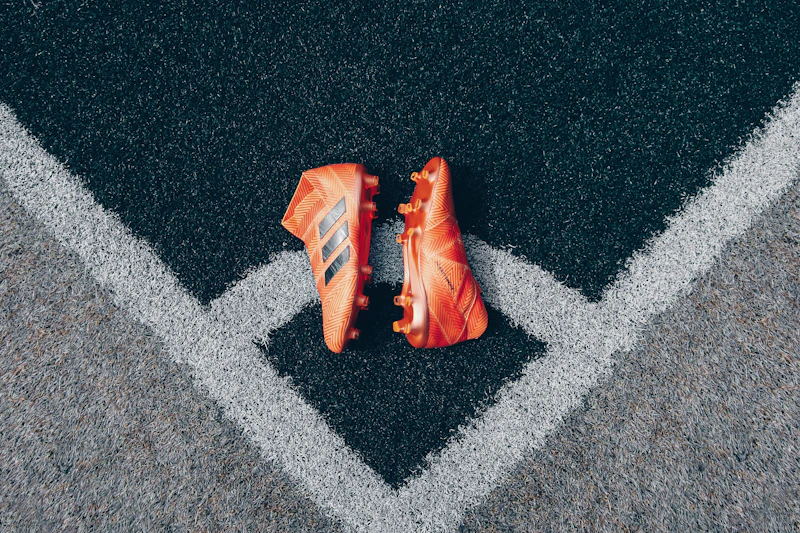
Dubai's year-round heat makes outdoor football a seasonal challenge, but the city's thriving futsal and indoor football scene means you can keep playing, competing and improving your fitness 365 days a year. From air-conditioned five-a-side pitches to professional futsal academies, this is everything you need to know about playing indoor football in Dubai in 2026.
What Is Futsal and How Does It Differ from Football?
Futsal is a variant of association football played on a hard court indoors, typically 40×20 metres, with smaller goals and a heavier, low-bounce ball. FIFA officially recognises futsal as the indoor form of football, and it has its own World Cup. The sport demands quick thinking, precise technique and rapid changes of direction — skills that directly translate into improved outdoor football performance.
Unlike regular five-a-side football played on artificial turf, futsal uses a specialist ball and specific rules around kick-ins instead of throw-ins. The no-side-walls rule and limited-time restarts create a fast, end-to-end game that's as much a mental workout as a physical one. Dubai hosts both futsal-specific courts and general five-a-side turf pitches, giving players a range of formats to choose from.
Key Differences at a Glance
- Court surface: Futsal uses hard court (wood, rubber or sports vinyl); five-a-side uses artificial turf or sand
- Ball: Futsal ball is size 4, heavier, with 30% less bounce for better close control
- Team size: Five players per side including goalkeeper
- Game length: Two halves of 20 minutes stop-clock time
- Goalkeeper: Cannot be scored on directly from kick-ins; specific GK rules apply
- Fouls: Accumulated fouls lead to penalty kicks from the second spot
The Fitness Benefits of Playing Futsal
Futsal is one of the most complete aerobic and anaerobic workouts available — and because it's a game, you're often pushing harder than you would in a gym session without even noticing. Research published in the Journal of Sports Sciences found that futsal players cover between 6 and 9 kilometres per game, with heart rates consistently above 80% of maximum for extended periods.
Cardiovascular Conditioning
The stop-start nature of futsal — sprinting to press, recovering in position, sprinting again — mirrors high-intensity interval training (HIIT) perfectly. You're repeatedly driving your heart rate into the 85–95% zone and allowing partial recovery between efforts. Over time this builds both aerobic capacity (VO2 max) and the ability to sustain high-intensity efforts. See our guide to HIIT training in Dubai for more on this training methodology.
Technical Skill Development
The smaller court and heavier ball in futsal force players to develop exceptional close control, first touch and quick decision-making. Studies by the Brazilian Football Confederation found that many of Brazil's greatest players — Ronaldo, Ronaldinho, Neymar — all played futsal extensively in childhood, crediting it with their technical excellence. Even adult recreational players see measurable improvements in their outdoor game after consistent futsal training.
Agility and Change of Direction
Futsal's tight spaces require constant rapid directional changes, pivots, and feints. This places significant demand on the fast-twitch muscle fibres and improves reactive agility — the ability to respond to a moving stimulus. Combine futsal with dedicated speed and agility training in Dubai and your on-the-ball movement will improve dramatically within weeks.
Lower Body Strength and Power
Shooting, blocking, defending and explosive sprinting all challenge the quads, hamstrings, glutes and calves under load. Over a season, regular futsal players typically show measurable improvements in vertical jump height, single-leg squat stability and sprint times — without ever setting foot in a weights room.
Coordination and Spatial Awareness
Reading the game in a small space, knowing where your teammates and opponents are without looking, and executing technically under pressure all challenge the cerebellum and improve overall coordination. These benefits extend well beyond football into everyday athleticism.
Looking for Sports Fitness Coaching in Dubai?
Connect with certified sports conditioning coaches who can help you train for peak football performance.
Find a Coach Personal TrainingBest Futsal & Indoor Football Venues in Dubai
Dubai has an impressive range of indoor football facilities scattered across its key residential and commercial districts. Here's a breakdown of the main areas and what to expect.
Dubai Marina & JBR
The Marina area has several well-maintained five-a-side facilities in compounds and leisure centres. The proximity to a large expat population means these pitches are among the busiest in the city, with regular bookings from Thursday evening through the weekend. Expect air-conditioned indoor courts as well as rooftop turf pitches with partial cooling. Our Dubai Marina fitness guide covers the full range of sports facilities in the area.
Business Bay & Downtown
The central business districts host numerous indoor sports complexes catering to the corporate crowd. Midweek evening slots are popular with office teams, while weekend mornings suit families and recreational players. Several venues in Business Bay offer full futsal courts with hardwood or rubber flooring specifically designed for the sport. Visit our Business Bay area guide for venue details.
Al Quoz & Nad Al Sheba
Industrial Al Quoz has become a hub for sports facilities due to its large warehouse spaces and relatively affordable rents. Several large complexes here offer multiple pitches under one roof, making them popular with leagues and tournaments. The facilities tend to be more basic but the courts are generally well-maintained and priced competitively.
Jumeirah Lake Towers (JLT) & DIFC
Premium indoor sports complexes in the tower districts cater primarily to finance and tech professionals. These venues typically offer the cleanest facilities, best air conditioning and most reliable booking systems. Corporate packages and monthly membership options are common. See our JLT fitness guide for recommendations.
Dubai Sports City
The dedicated sports district has purpose-built futsal courts operated by professional organisations. These facilities host regulated leagues with proper referee systems, and some venues run coach-led technical development sessions. This is the best area in Dubai for anyone serious about improving their futsal skills rather than just enjoying a kickaround. See our Dubai Sports City guide for the full picture.
| Venue Type | Per Session Cost | Court Type | Best For |
|---|---|---|---|
| Hotel sports centre | AED 400–700/hr | Hardwood/vinyl | Premium experience |
| Dedicated sports complex | AED 250–450/hr | Rubber/turf | Regular leagues |
| Community centre | AED 150–300/hr | Turf or hard | Casual games |
| Academy session | AED 80–150/person | Futsal court | Skill development |
| League registration | AED 500–1,500/team/season | Varies | Competitive play |
Organised Futsal Leagues in Dubai
Dubai's organised indoor football league scene is one of the most active in the Middle East. Whether you're looking for a competitive league with referees and standings, or a more relaxed social league with post-game drinks, you'll find an option that suits.
Corporate Leagues
Several operators run dedicated corporate futsal leagues throughout the week. Teams of five to eight players register by company, compete over an 8–12 week season, and play finals events. These leagues are enormously popular for team-building — Dubai's large corporate population has fuelled dozens of operators catering specifically to office teams. Registration typically costs AED 1,000–2,500 per team per season and includes referees, league tables and sometimes end-of-season awards.
Recreational Open Leagues
Open to all skill levels, recreational leagues welcome mixed-ability teams and prioritise fun over competition. Many operators offer individual registration for players who want to participate without forming a team, placing solo entrants into balanced squads. This is a great way to meet new people and build a social network around sport in Dubai.
Competitive & Elite Leagues
For experienced players, Dubai's elite futsal leagues feature former semi-professionals, national youth players and highly technical teams. These competitions use full futsal rules with qualified referees and sometimes attract scouts from amateur football clubs. The standard is high — if you've played at university or club level, these leagues will offer genuine challenge.
Women's Leagues
Women's indoor football has grown substantially in Dubai over the past five years. Several venues now operate dedicated women's leagues on weekday evenings, providing a safe and welcoming environment. Teams are typically mixed in terms of nationality and background, and skill levels range from complete beginners to experienced players. This ties directly to the growth of women's sports participation in Dubai more broadly.
- Most leagues require team registration 2–4 weeks before the season starts
- Individual player registration is available at many venues — organisers form balanced teams
- Emirates ID or passport copy required for registration at most facilities
- Boot type: Futsal requires flat-soled shoes (no studs or blades) — rubber-soled trainers are fine for casual play
- Many leagues offer free trial sessions before commitment
Futsal Training and Coaching in Dubai
Beyond pickup games and leagues, Dubai has a growing number of futsal-specific coaching programmes designed to improve individual and team technical ability. These range from children's academies affiliated with European clubs to adult development sessions run by UEFA-qualified coaches.
Youth Futsal Academies
Multiple European football clubs have officially licensed academies in Dubai that use futsal as a core development tool. The Spanish, Brazilian and Portuguese football philosophies all place huge emphasis on futsal for youth player development. Children aged four to sixteen can enrol in structured programmes that progress from basic ball mastery through to tactical understanding. Session costs typically run AED 250–400 per month for weekly sessions.
Adult Technical Development Sessions
Coaches offer adult group sessions focused specifically on futsal technique — first touch on the hard court, pivot turns, the 'sole roll' ball control technique, shooting with the instep on a lower-bounce ball, and reading the game in tight spaces. These sessions suit players who are competent but want to raise their level before joining a competitive league.
Goalkeeper Coaching
Futsal goalkeeping is a specialist skill quite different from field goalkeeping. The GK distributes quickly and accurately, acts as an additional outfield player during attack, and must react to shots from close range. Several coaches in Dubai offer futsal GK-specific training — a rare niche that's worth seeking out if you play in goal.
One-to-One Coaching
Personal training for football encompasses more than fitness — a qualified sports coach can analyse your movement patterns, identify technical weaknesses, and design a development programme that combines court sessions with gym work. See personal training options in Dubai to connect with coaches who offer football-specific programming.
Train Smarter for Football in Dubai
Work with certified sports conditioning specialists to build speed, power and endurance for the pitch.
Join GetFitDXB Free List Your CoachingNutrition and Recovery for Futsal Players
The intense intermittent nature of futsal places specific demands on energy systems and recovery. Getting your nutrition and recovery right will help you maintain performance throughout a match, recover faster between sessions, and reduce injury risk.
Pre-Game Nutrition
Futsal is glycolytic — it burns through carbohydrate stores rapidly during intense efforts. A carbohydrate-focused meal two to three hours before playing helps top up muscle glycogen and sustain energy through a match. Good pre-game options include rice with chicken, oats with fruit, or whole-grain pasta with a light sauce. Avoid high-fat meals immediately before playing as they slow gastric emptying and can cause discomfort during dynamic movement.
Hydration in Dubai's Climate
Even in an air-conditioned futsal hall, you'll sweat significantly during a fast-paced game. Start well-hydrated before you arrive, sip water during any breaks, and consider electrolyte drinks for matches lasting more than 60 minutes. Read our comprehensive electrolytes and Dubai heat guide for specific protocols for training in this climate.
Post-Game Recovery
The repeated sprinting and directional changes in futsal create micro-trauma in the fast-twitch muscle fibres of the legs. Post-game recovery nutrition should combine protein (to support muscle repair) with carbohydrates (to replenish glycogen) within 45 minutes of finishing. A protein shake with a banana, or chicken and rice, are ideal options. For deeper recovery protocols see our sports massage and recovery guide.
Common Futsal Injuries and Prevention
The hard court surface and explosive movements in futsal create specific injury risks that differ from grass football. Understanding these risks and taking preventive action will keep you playing consistently.
Ankle Sprains
The most common futsal injury. Rapid directional changes on a hard surface place significant rotational load on the ankle joint. Wearing properly fitted futsal shoes with lateral ankle support, performing single-leg balance exercises, and taping the ankle prophylactically all reduce risk. Proprioceptive training — balance board work, single-leg squats — is highly effective prevention.
Knee Injuries
ACL and meniscus injuries are a concern in any pivoting sport. Prevention focuses on strengthening the muscles around the knee — particularly the hamstrings and glutes — through exercises like Romanian deadlifts, Nordic curls and single-leg squats. Proper warm-up including dynamic mobility and activation work reduces injury risk significantly. See our ACL injury and recovery guide for more detail.
Shin Splints and Stress Reactions
Players transitioning from soft turf to hard futsal courts sometimes develop shin splints as the lower leg adapts to different ground reaction forces. Gradually increasing court time, wearing appropriate footwear with good cushioning, and ensuring adequate calcium and vitamin D intake all help prevent this.
A good futsal warm-up takes 10–12 minutes: 3 minutes light jog or rondo passing, 3 minutes dynamic stretching (leg swings, hip circles, ankle rotations), 3 minutes activation (glute bridges, lateral band walks), 2 minutes explosive priming (short sprints, change of direction drills). Never go straight into full-speed play cold — the hard surface dramatically increases injury risk on cold muscles.
Futsal Equipment: What You Need to Play
Futsal is one of the more accessible sports in terms of equipment costs. Here's what you actually need versus what's nice to have.
Futsal Shoes
The most important purchase. Futsal shoes have a flat rubber sole with minimal heel-to-toe drop, designed for hard court surfaces. Major brands including Nike, Adidas, New Balance and Puma all produce dedicated futsal ranges. Key features to look for: lateral stability (important for directional changes), a thin sole for court feel, and a secure heel counter. Expect to pay AED 250–650 for quality futsal shoes. Avoid regular trainers — they lack the sole pattern and lateral support needed for hard court play.
Shin Guards
Slim-profile shin guards that fit under socks are standard in futsal. They protect against the inevitable direct contact on hard courts, which is more unforgiving than grass. Lightweight models from Adidas or Nike cost AED 50–150 and are well worth the investment.
The Futsal Ball
If you're booking a court, balls are usually provided. However, if you're running your own sessions, invest in a proper futsal ball (size 4, reduced bounce). Jabulani, Adidas Sala or Nike Maestro are popular choices available in Dubai at AED 80–200. Using a regular football on a hard court is technically possible but dramatically changes the game dynamics.
Goalkeeper Gloves
Futsal GK gloves have more padding on the palm than regular field gloves to cope with the harder, faster shots on hard court. Reusch, Uhlsport and Sells all make dedicated futsal models. Optional for recreational play, but strongly recommended if you're playing competitively.
Playing Futsal During Ramadan in Dubai
Indoor football during Ramadan requires some adjustments to both scheduling and intensity. Courts are often available at unusual hours during the holy month, with many venues offering late-night sessions after Tarawih prayers — sometimes starting at 11pm and running until 2am. Fasting players typically prefer lower intensity, technique-focused sessions during the day, saving competitive games for after Iftar when energy levels are restored. See our comprehensive Ramadan fitness guide for full protocols including nutrition timing and workout intensity adjustments.
Growing Your Game: From Casual to Competitive
The pathway from casual recreational futsal to competitive league play is well-defined in Dubai. Most players begin with casual bookings or open sessions, progress to joining a recreational league, and then move into more competitive formats as their skills develop. Here's a suggested development pathway:
Phase 1: Get the Basics (Months 1–3)
Focus on court familiarity — the surface, the ball, the pace of play. Book casual sessions with friends or join open pickup sessions. Watch YouTube futsal tutorials focusing on the sole roll, chest trap on hard court, and quick passing combinations. Don't worry about tactics yet; just enjoy the game and start developing a feel for the futsal ball.
Phase 2: Join a Recreational League (Months 4–6)
Once you have basic court confidence, register for a recreational league. The organised structure forces you to concentrate during games, and the regular competitive element accelerates improvement dramatically compared to casual sessions. You'll face better players and learn from the experience.
Phase 3: Add Coaching and Conditioning (Months 7–12)
If you're enjoying the competitive element, this is the time to invest in coaching and sports conditioning. Work with a coach on technical fundamentals, and add gym sessions targeting the physical demands of futsal — strength work for the lower body, speed and agility training, and cardiovascular conditioning. See our strength training programme guide for a starting framework.
Ready to Start Playing Futsal in Dubai?
GetFitDXB connects you with sports coaches, fitness professionals and community sport groups across Dubai. Join free and start your football fitness journey today.
Join Free Today Get in TouchRelated Guides and Resources
Looking to complement your futsal with broader fitness training? Explore these related resources from GetFitDXB:
- Speed & Agility Training in Dubai — improve your court movement and reaction time
- Strength Training Programme Dubai — build the power base your game needs
- Sports Nutrition Timing Guide Dubai — fuel and recover optimally for performance
- Flexibility & Mobility Training Dubai — stay injury-free with dedicated mobility work
- Martial Arts & Boxing in Dubai — another great cardiovascular sport for Dubai players
- Dubai Sports City Guide — the best area for serious sports facilities