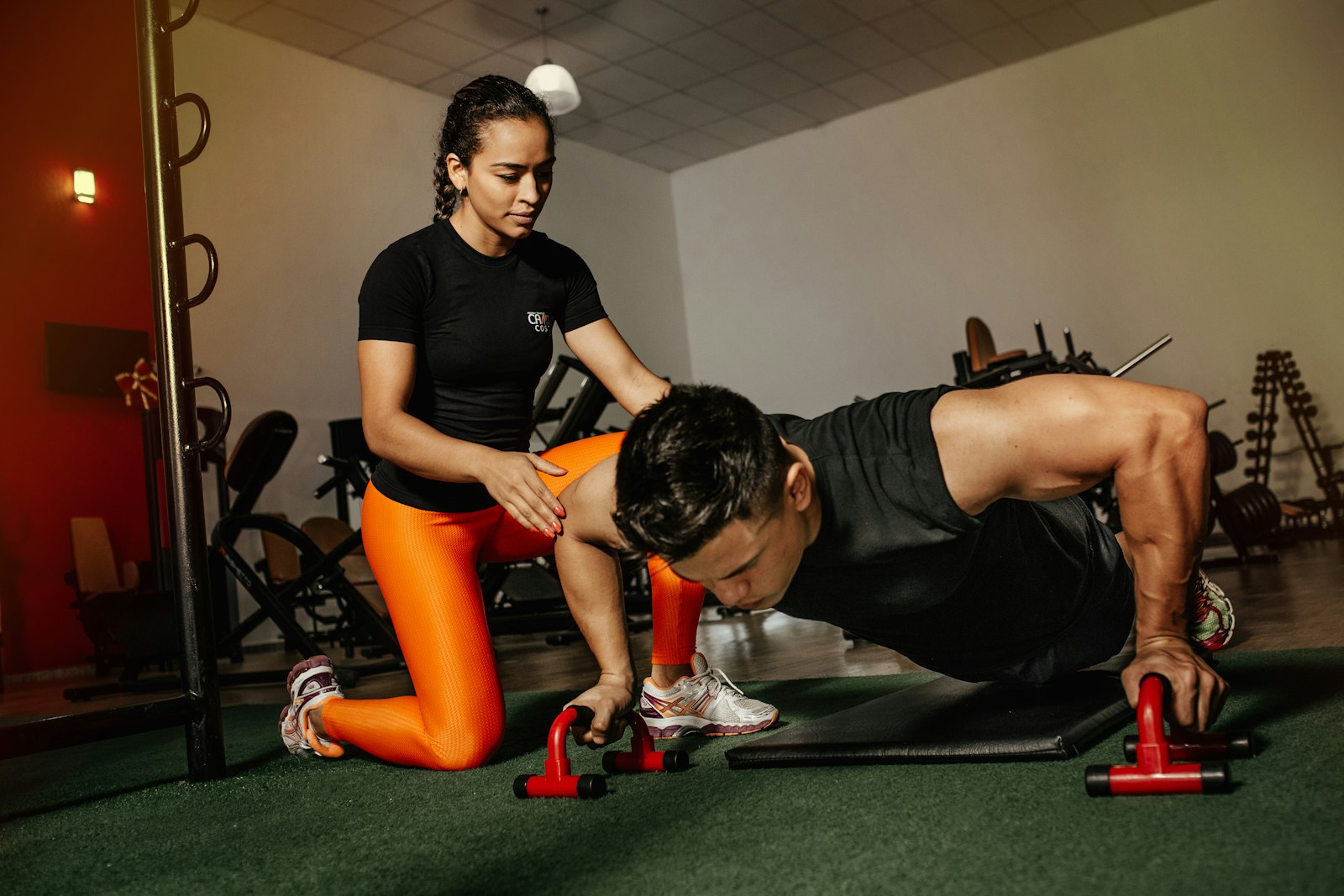
What is Krav Maga?
Krav Maga, which means "contact combat" in Hebrew, is a self-defence system developed by the Israeli Defence Forces (IDF) in the late 1940s. Created by Imi Lichtenfeld, a Hungarian-Israeli martial artist and boxer, Krav Maga was designed as a practical, efficient system for training soldiers in hand-to-hand combat and real-world self-defence scenarios. Unlike traditional martial arts that emphasize sport competition or philosophical discipline, Krav Maga focuses exclusively on practical self-defence principles: neutralizing threats quickly, escaping danger, and protecting yourself and others using whatever tools are available.
The fundamental philosophy of Krav Maga is simple and direct. The system assumes that in a real self-defence situation, your goal is survival, not victory in a sporting competition. This means Krav Maga combines techniques from boxing, wrestling, judo, and other martial arts, then strips away the ceremonial aspects and competition rules to create practical, no-nonsense self-defence methods. You'll learn to defend against multiple attackers, escape from holds, counter against armed threats, and use everyday objects as defensive tools.
In Dubai, Krav Maga has gained significant popularity among fitness enthusiasts, security professionals, and individuals seeking practical self-defence skills. The fitness benefits are substantial: intense cardiovascular conditioning, full-body strength development, improved coordination, and significant stress relief through impact-based training. Whether you're training for personal security, functional fitness, or pure adrenaline, Krav Maga delivers results that go far beyond typical fitness routines.
Krav Maga vs Other Martial Arts
Understanding how Krav Maga compares to other martial arts helps you choose the right training path. Each system has distinct advantages depending on your goals.
Krav Maga vs Brazilian Jiu-Jitsu (BJJ)
Brazilian Jiu-Jitsu emphasizes grappling and ground fighting with extensive positional strategy and submission techniques. BJJ offers excellent cardiovascular conditioning and develops impressive functional strength through resistance training. However, BJJ assumes both fighters stay engaged on the ground, which isn't realistic in street self-defence scenarios. Krav Maga teaches you to escape from ground positions quickly and avoid extended grappling entirely. If your priority is stand-up self-defence and staying mobile, Krav Maga wins. If you enjoy technical grappling and sport competition, BJJ excels. Many Dubai athletes train both for complementary skill sets.
Krav Maga vs Muay Thai
Muay Thai is a striking art focused on punches, kicks, elbows, and knee strikes within a sport competition framework. Muay Thai develops exceptional leg strength, explosive power, and cardiovascular endurance through brutal conditioning. The training is intense and produces lean, powerful athletes. However, Muay Thai operates under sport rules: no strikes to the back, head, or groin, and no attacks on a downed opponent. Krav Maga teaches practical strikes without restriction and includes multiple aggressor scenarios. Muay Thai is superior for building striking power and conditioning; Krav Maga is superior for real-world threat neutralization. Many self-defence professionals in Dubai train Muay Thai for striking proficiency, then layer on Krav Maga tactics.
Krav Maga vs Boxing
Boxing develops exceptional hand speed, footwork, head movement, and cardiovascular conditioning through dedicated hand striking and defensive slips. Boxing athletes are remarkably fit and skilled with their hands. However, boxing doesn't train leg defense, kicks, ground fighting, or multiple aggressor scenarios. Krav Maga incorporates kicks, clinch work, ground escapes, and multi-threat tactics. For pure hand striking and ring fitness, boxing is unmatched. For comprehensive self-defence, Krav Maga is more practical. A common Dubai training combination is boxing for cardio and hand skills, Krav Maga for complete threat management.
Fitness Benefits of Krav Maga Training
Beyond self-defence skills, Krav Maga is a brutal and effective fitness system that produces measurable results across all physical domains.
Cardiovascular Conditioning
Krav Maga classes involve continuous, high-intensity movement interspersed with explosive striking combinations and aggressive footwork. Your heart rate stays elevated throughout the session, delivering the cardiovascular benefits of HIIT training. Regular classes improve VO2 max, increase aerobic capacity, and build genuine functional fitness that translates to real-world endurance.
Full-Body Strength Development
Krav Maga builds functional strength through compound movements: punches and kicks require core activation, leg power, and shoulder stability. Ground fighting develops grip strength, chest strength, and posterior chain power. Clinch work builds core strength and upper body conditioning. Unlike isolated weight training, Krav Maga develops balanced, practical strength that enhances athletic performance and injury resistance.
Coordination and Proprioception
Learning to execute complex strike combinations while moving, defending, and reacting to an opponent sharpens hand-eye coordination, footwork precision, and body awareness. Your nervous system adapts to coordinate complex multi-limb movements under stress, improving overall athletic control and balance.
Stress Relief and Mental Resilience
Controlled aggression in Krav Maga provides a powerful outlet for stress relief. Hitting heavy bags, pads, and focus mitts while executing combinations delivers cathartic release. The progressive challenge of learning and executing techniques builds confidence and mental resilience. Many practitioners report improved mood, reduced anxiety, and enhanced mental toughness from regular training.
Where to Train Krav Maga in Dubai
Dubai has several established Krav Maga facilities offering certified instruction and professional training environments.
KMG Dubai (Krav Maga Global)
KMG Dubai is the official Krav Maga Global affiliated facility in Dubai, offering certified Krav Maga training under the international KMG curriculum. They offer classes for beginners through advanced levels, women's self-defence specialization, and kids programs. Located in multiple areas across Dubai, KMG provides professional instruction, structured progression, and certification opportunities aligned with international Krav Maga standards.
AKA Dubai (American Kickboxing Academy)
While primarily known for kickboxing and MMA, AKA Dubai offers integrated Krav Maga and self-defence classes. Their instructors bring kickboxing expertise into practical self-defence scenarios, creating hybrid training that emphasizes striking and stand-up proficiency.
Dubai Marina and Jumeirah Self-Defence Clubs
Several independent self-defence studios in Dubai Marina and Jumeirah offer Krav Maga and practical self-defence training. These facilities often cater to affluent residents prioritizing personal security training. Check local fitness directories and community boards for current offerings.
JLT Fitness Facilities
Jumeirah Lake Towers (JLT) has several gyms and fitness clubs offering Krav Maga classes as part of their group fitness programs. These facilities typically offer drop-in classes for members and introductory classes for first-timers.
What to Expect in Your First Krav Maga Class
Your first Krav Maga class will be intense, challenging, and eye-opening. Here's what a typical session involves.
Warm-Up and Movement Preparation (10-15 minutes)
Classes typically begin with dynamic stretching, joint mobility work, and footwork drills. You'll learn the basic Krav Maga stance: slightly wider than shoulder-width, hands up defensively, weight balanced for quick movement in any direction. The warm-up prepares your body for explosive movement while introducing fundamental positioning.
Technique Introduction (15-20 minutes)
The instructor demonstrates a specific self-defence scenario or striking combination, breaking it down into component movements. You'll practice with a partner at controlled intensity, focusing on proper form and mechanics. Common first-class scenarios include defending against basic punches, learning fundamental strikes, or executing simple escape techniques.
Pad Work and Combinations (20-30 minutes)
Once you understand the mechanics, you'll work with pads or a heavy bag, executing combinations with increasing intensity. This is where cardiovascular demands spike. You'll hit focus mitts held by a partner or instructor-held pads, practicing combinations like jab-cross-kick or hook-uppercut-knee strike. Pad work develops timing, power transfer, and conditioning simultaneously.
Sparring or Realistic Scenarios (10-15 minutes)
Controlled partner practice or scenario-based training follows pad work. Sparring is typically light contact to moderate intensity, never full power, with emphasis on defense and practical application rather than knockout power. You'll practice against a non-compliant partner who actively defends and responds realistically.
Cool-Down and Stretching (5-10 minutes)
Classes conclude with stretching and breathing work to bring your heart rate down gradually. This isn't passive stretching; instructors often review key concepts while you cool down.
Expect to leave your first class drenched in sweat, muscles pumped, and endorphins elevated. You'll feel challenged and accomplished.
Krav Maga Curriculum & Levels
The official KMG curriculum uses a structured progression system designed to develop practical self-defence skills systematically.
Practitioner Levels (P1-P5)
P1 (Practitioner 1): Fundamentals. You learn basic stance, footwork, fundamental punches and kicks, basic defense against common attacks, and escape techniques. P1 emphasizes safety and proper mechanics over intensity.
P2 (Practitioner 2): Intermediate techniques. You progress to more complex scenarios, multiple attacker situations, and integrated defense strategies. P2 introduces greater intensity and faster decision-making.
P3 (Practitioner 3): Advanced techniques. Complex multi-attack scenarios, tactical awareness, and situational self-defence scenarios. P3 develops tactical thinking and real-world problem-solving.
P4 (Practitioner 4): Advanced competency. High-stress scenarios, multiple attackers, improvised weapons defense, and environmental awareness training.
P5 (Practitioner 5): Expert level. Mastery of all techniques, teaching capability, and specialized training (security, law enforcement applications).
Graduate Levels (G1-G5)
After P5, experienced practitioners can achieve Graduate certification by demonstrating teaching ability and continued development. Graduate levels represent mastery and instructor capability.
Testing and Advancement
Advancement through levels requires both demonstrated technical proficiency and practical knowledge. Some facilities conduct formal testing; others use continuous evaluation. Expect to spend 3-6 months per level with regular training (2-3 classes weekly).
Krav Maga for Women: Self-Defence & Fitness
Women-specific Krav Maga training has become increasingly popular in Dubai, addressing real safety concerns while providing intense fitness benefits.
Women-Specific Self-Defence Scenarios
Women's classes emphasize scenarios women realistically face: escaping from grab holds, defending against larger attackers, situational awareness, and using physical advantages (core strength, speed, strategic positioning) against strength disadvantages. Training doesn't assume equal size or strength; instead, it teaches tactical solutions to realistic threats.
Empowerment Through Confidence
Beyond practical skills, Krav Maga builds genuine confidence. Learning to effectively defend yourself, hit pads with power, and execute complex techniques under stress creates psychological resilience that extends far beyond self-defence. Many women report increased assertiveness, better boundary-setting, and improved mental health from consistent training.
Female Instructors and Supportive Community
Most established Krav Maga facilities in Dubai offer women-led classes with female instructors. Training in supportive, women-centered environments removes intimidation factors and creates space for focused, judgment-free learning. The community aspect—training alongside other women—provides ongoing encouragement and accountability.
Krav Maga Fitness Drills at Home
You can enhance your conditioning and reinforce technique between classes with solo training.
Shadow Striking Combinations
Execute combinations against an imaginary opponent for 30-45 seconds, then rest 15 seconds. Repeat 8-10 rounds. Combinations: jab-cross-hook, jab-cross-low kick, jab-cross-knee strike, uppercut-backfist. Focus on proper form, footwork, and breathing. This builds explosive power and reinforces muscle memory.
Heavy Bag Work
If you have access to a bag, practice 30-45 second work intervals at high intensity, 15 second rest. Execute learned combinations with power. Heavy bag work develops explosive power and cardiovascular conditioning dramatically.
Sprawl-and-Strike Drills
From standing, drop into a sprawl (hands forward, legs extended back, similar to plank position), explode back to standing, execute a knee strike or kick, return to sprawl. Perform 8-10 repetitions. This builds explosive power, core strength, and hip mobility.
Escape Drills
Practice escaping from imaginary holds: if grabbed from behind around the torso, execute elbow strikes while rotating hips to escape. If grabbed at the wrists, practice breaking grip and defensive hand positioning. Solo drill work reinforces escape mechanics without a partner.
Combining Krav Maga with Other Training
Krav Maga integrates effectively with complementary training modalities.
Strength Training
Combine Krav Maga (2-3x weekly) with strength training (2x weekly) for comprehensive fitness. Strength training addresses areas Krav Maga emphasizes less: isolated muscle building, max strength development, and injury prevention through balanced strength. Deadlifts, squats, bench press, and rows complement Krav Maga's functional demands.
Flexibility and Mobility Work
Krav Maga kicks demand hip mobility. Dedicate 15-20 minutes 3-4x weekly to dedicated stretching and mobility work: deep lunges, pigeon pose, hip flexor stretches, and shoulder mobility. Better flexibility improves kick height and power while reducing injury risk.
Sport-Specific Conditioning
If training for an upcoming competition or assessment, add Zone 2 cardio (2-3x weekly) to build aerobic base without interfering with Krav Maga intensity. Easy running, cycling, or rowing at conversational pace for 45-60 minutes builds aerobic capacity without additional systemic stress.
Krav Maga for Kids & Teenagers in Dubai
Youth Krav Maga training has expanded significantly in Dubai, offering age-appropriate self-defence, confidence building, and fitness benefits.
Kids Programs (Age 6-12)
Kids' classes emphasize fundamentals, discipline, and age-appropriate self-defence (defending against bullying, escaping from dangerous situations). Classes use games, progressive challenges, and positive reinforcement. The focus is confidence-building and practical safety rather than intense sparring.
Teen Programs (Age 13-17)
Teen classes introduce more intense training while maintaining appropriate intensity levels. Teenagers learn advanced techniques, controlled partner work, and tactical awareness. Many discover genuine passion for Krav Maga during teen years and continue into adulthood.
Confidence and Bullying Prevention
Beyond physical skills, youth Krav Maga develops confidence, assertiveness, and awareness that prevents bullying situations before they escalate. Learning to defend yourself and express confidence through body language creates safer, more aware young people.
Competition vs Real-World Krav Maga
Krav Maga traditionally emphasizes real-world application over sport competition, though competition formats have emerged.
No-Competition Philosophy
Classic Krav Maga explicitly rejects sport competition. The reasoning: competition introduces rules, refs, point systems, and victory conditions that don't exist in real self-defence scenarios. Why practice winning according to sport rules if real threats don't follow those rules? Many purists maintain this philosophy, arguing sport training creates false habits irrelevant to true self-defence.
Modern Krav Maga Competition
Some facilities now offer Krav Maga competitions emphasizing controlled fighting under rules. While different from traditional philosophy, these competitions provide measurable athletic challenges, tournament structure, and community events. They're valuable for competitive athletes seeking measurable goals, though they compromise the no-rules emphasis of classic Krav Maga.
Scenario-Based Training
The preferred competition alternative is scenario-based training: realistic self-defence situations where you must apply techniques, make tactical decisions, and achieve "success" through practical threat neutralization. These assessments challenge decision-making under stress without compromising real-world application principles.
Finding a Certified Krav Maga Instructor in Dubai
Instruction quality dramatically impacts your learning and safety. Choose certified instructors carefully.
KMG Certification
The highest credential is Krav Maga Global (KMG) certification. Instructors with KMG credentials have completed rigorous training, testing, and ongoing education within the official international curriculum. KMG facilities maintain standards across locations.
Other Legitimate Credentials
Other recognized organizations like Krav Maga Federation, USA Krav Maga, and various Israeli-based organizations offer legitimate credentials. Check instructors' background, years of experience, and willingness to discuss their training.
Red Flags
Avoid instructors with minimal training, exaggerated claims about abilities, or unwillingness to discuss credentials. Legitimate instructors can articulate their training lineage, discuss multiple perspectives, and acknowledge what they don't know. Avoid instructors who claim Krav Maga alone prepares you for all physical challenges; complementary training is always valuable.
Ready to Start Your Krav Maga Journey?
Find certified instructors, compare facilities, and book your first self-defence session in Dubai today. Whether you're seeking practical skills or intense fitness, professional guidance accelerates your progress and ensures safe, effective training.
Book a Session NowGetting Started with Krav Maga in Dubai
Krav Maga offers a unique combination of practical self-defence skills, intense fitness benefits, and confidence-building that few training methods match. Whether you're motivated by personal security, fitness challenges, or the appeal of learning legitimate self-defence, Krav Maga training in Dubai provides professional instruction, established facilities, and supportive communities.
Start with a trial class at an established facility. Most welcome beginners and encourage first-timers to observe or participate at their own pace. Come prepared to work hard, stay humble, and embrace the learning process. Within weeks, you'll notice improved fitness, increased confidence, and practical skills that genuinely enhance your safety awareness and physical capability.
The key is consistency. Commit to 2-3 classes weekly for at least 8-12 weeks. You'll progress through fundamentals, experience tangible skill development, and discover whether Krav Maga resonates with you as a long-term training commitment. For many Dubai residents, Krav Maga becomes far more than fitness—it becomes a lifestyle, community, and source of genuine confidence and capability.