If you are seeking a sustainable, enjoyable way to improve your fitness and burn fat without destroying your joints or burning out your nervous system, LISS cardio is one of the most underrated tools in modern fitness. LISS — Low Intensity Steady State cardio — is the antidote to the relentless high-intensity culture that dominates social media. Done correctly, it builds aerobic capacity, accelerates fat loss, and feels genuinely enjoyable rather than punishing. In Dubai's year-round heat, LISS becomes even more strategic: it is the perfect tool for building fitness during cooler months and maintaining progress during summer.
1. What is LISS Cardio?
LISS stands for Low Intensity Steady State cardio. Imagine holding a consistent, easy-to-moderate pace for an extended period — 30 to 60 minutes — where you can hold a full conversation without gasping for breath. That is LISS.
More precisely, LISS occurs at approximately 50 to 65 percent of your maximum heart rate — the "fat-burning zone" where your body preferentially oxidises fat for fuel rather than relying on carbohydrate and stored glycogen. The key word is steady: your pace remains consistent throughout, with no sprints, surges, or intensity changes.
The LISS Sweet Spot
The perfect LISS session follows these parameters:
- Duration: 30–60 minutes (sustainable and most effective for fat loss)
- Intensity: 50–65% of maximum heart rate, or RPE 3–5 on a scale of 0–10
- Pace: Conversational — you can speak full sentences but cannot sing
- Frequency: 3–5 sessions per week for fitness and fat loss
- Activity: Any low-impact aerobic activity (walking, running, cycling, swimming, elliptical, rowing)
The beauty of LISS is its simplicity. There is no need for complicated periodisation, advanced metrics, or expensive equipment. You simply move steadily for 45 minutes and get profound benefits.
2. LISS vs HIIT vs Zone 2 Training — Key Differences Explained
In today's fitness landscape, cardio approaches are frequently polarised: either you do HIIT (High Intensity Interval Training) or you do nothing. This false choice has left many people confused about which approach serves their goals. Let us clarify the key differences.
LISS (Low Intensity Steady State)
- 50–65% max heart rate
- 30–60 min duration
- Minimal recovery needed
- Fat oxidation preferred
- Sustainable long-term
- Does not interfere with strength training recovery
- Builds aerobic base
HIIT (High Intensity Interval Training)
- 85–95% max heart rate (intervals)
- 15–30 min total duration
- Significant recovery time needed
- Maximises calorie burn
- Time-efficient
- Can impair strength training recovery
- Builds anaerobic capacity
Then there is Zone 2 training, which sits between LISS and traditional steady-state. Zone 2 occurs at approximately 60–70 percent of max heart rate, slightly harder than LISS but still fully conversational. Athletes and longevity researchers increasingly recommend Zone 2 as the "sweet spot" for building aerobic fitness. For detailed information, see our guide: Zone 2 Cardio Training Dubai.
The verdict: For beginners, sustainability, and fat loss without overtraining, LISS wins. For time-efficient calorie burn and athletic performance, HIIT has its place. Ideally, you combine both. Read more: HIIT Training Guide Dubai.
3. The Science of LISS for Fat Loss
Why does LISS work so effectively for fat loss? The mechanism is straightforward physiology.
Fat Oxidation at Low Intensity
At low intensities (50–65% max HR), your aerobic energy systems dominate. Your body has sufficient oxygen to fully metabolise fat through oxidative pathways. This is the literal definition of "fat burning" — your muscles are using stored fat triglycerides as their primary fuel source.
By contrast, at higher intensities, your body cannot oxidise fat quickly enough to meet energy demands, so it defaults to carbohydrate (glycogen). This is why "fat-burning zone" is not just a marketing phrase — it is real physiology.
Sustainable Caloric Deficit
Here is the unglamorous truth about fat loss: it requires a caloric deficit (burning more than you consume). LISS creates this deficit sustainably. A 45-minute LISS session burns 300–500 calories depending on your body weight and activity — not dramatically high, but accumulated over 4–5 sessions per week, it creates substantial weekly deficit (1,200–2,500 calories) without the extreme hunger and metabolic adaptation that aggressive HIIT or caloric restriction can trigger.
Preserves Muscle Mass
Unlike extreme caloric deficits, LISS preserves muscle tissue because it does not trigger excessive cortisol responses or inhibit muscle protein synthesis. This is crucial: you want to lose fat, not muscle. LISS combined with strength training achieves this perfectly.
For comprehensive fat-loss strategy, see: How to Lose Weight in Dubai — Complete Plan.
4. Best LISS Activities in Dubai
LISS is beautifully flexible — almost any activity can be done at LISS intensity. Here are Dubai's best options:
Walking
The most accessible LISS activity. Walking along JBR Beach or Dubai Marina provides stunning scenery, minimal impact, and perfect LISS intensity for most people. The Corniche is particularly popular for early-morning or evening walks. A moderate pace (4–5 km/h) keeps you in the LISS zone.
Running (Easy Pace)
Running at conversational pace (typically 8–10 km/h for most people) is excellent LISS. The key is restraint — run slow enough that you could hold a conversation. Many runners train too hard; easy running is an underrated tool. See: Best Running Routes in Dubai 2026.
Cycling
Stationary or outdoor cycling allows precise intensity control and is lower impact on knees than running. Dubai's cooler months (October–April) are perfect for outdoor cycling on flat routes through Marina or Business Bay. Indoor cycling in air-conditioned studios keeps you cool during summer heat. See: Cycling in Dubai — Routes & Groups Guide.
Swimming
Perhaps the most joint-friendly LISS activity. Swimming in Dubai's many pools or the sea (in cooler months) provides full-body LISS work with zero impact. A steady-paced swim for 30–45 minutes achieves perfect LISS conditions. See: Swimming in Dubai — Lessons & Pools Guide.
Elliptical & Treadmill
Gym-based options ideal for Dubai's brutal summer heat. Lower intensity on an elliptical (level 4–6, moderate pace) or treadmill (5–6 km/h) delivers true LISS in climate-controlled comfort. Most commercial gyms have excellent equipment. See: Gym Membership Buying Guide Dubai.
Rowing Machine
An outstanding full-body LISS option that builds aerobic fitness while engaging back, core, and legs. Steady-state rowing at moderate resistance (levels 4–5) for 35–50 minutes is intensely effective. See: Rowing Machine Workouts Dubai.
Start Your LISS Training Journey in Dubai
Ready to build sustainable fitness and shed fat without the intensity burn-out? Join our community or connect with a certified cardio coach who specialises in progressive conditioning.
5. LISS Training in Dubai's Heat — Timing, Hydration & Location Tips
Dubai's climate is the single biggest factor affecting LISS strategy. During summer (June–September), outdoor temperatures regularly exceed 45°C with high humidity. This makes outdoor LISS dangerous if you do not plan carefully.
Summer Strategy (June–September): Go Indoors
During summer, shift LISS activity indoors to air-conditioned gyms. Treadmills, ellipticals, stationary bikes, rowing machines, and pools are your tools. The sustained moderate intensity means you will recover from the heat far better than HIIT would allow. You lose none of the training benefit by moving indoors — you simply gain safety and consistency.
Early Morning Training (5–7am)
If you insist on outdoor LISS during summer, train in early morning (5–7am) when temperatures are still under 35°C and humidity is lowest. Many Dubai runners and cyclists favour this window. JBR Beach and Jumeirah Corniche are particularly popular at dawn.
Evening Sessions (6–8pm)
Late evening (after 6pm in summer, when heat is finally breaking) is your second-best option. Temperatures drop to tolerable ranges and the sun is lower. Many outdoor trainers schedule beach sessions for 6:30–7:30pm summer timing.
Winter Training (October–April): Embrace Outdoors
October through April is LISS paradise in Dubai. Temperatures hover between 20–28°C — perfect for extended outdoor sessions. This is when you maximise outdoor running, cycling, and beach training. Build your fitness base during these months.
Hydration Protocol
LISS in Dubai requires more hydration than most people expect. For a 45-minute LISS session in heat:
- Before: 400–600ml water 2 hours prior
- During: 150–250ml every 15 minutes (7–8oz sips, not guzzles)
- After: 150% of fluid lost in sweat over 4 hours
Use a hydration backpack or bottle for outdoor sessions. Consider electrolyte supplements (sodium, potassium) for sessions over 60 minutes — plain water alone can cause hyponatremia in extreme heat.
6. How to Structure Your LISS Training Week
LISS is sustainable enough to do frequently, but structure matters for combining it with strength training and other activities.
Recommended Weekly Frequency
For fat loss: 4–5 LISS sessions per week, 45–60 minutes each = 180–300 minutes weekly (aligning with WHO cardio guidelines).
For fitness maintenance: 3 LISS sessions per week, 45 minutes each = 135 minutes weekly.
For athletes: 2–3 LISS sessions per week combined with Zone 2 intervals.
Sample Weekly Structure
- Monday: 50 min LISS (treadmill/elliptical)
- Tuesday: Strength training + 20 min easy cardio
- Wednesday: 45 min LISS (outdoor cycling or beach walk)
- Thursday: Strength training
- Friday: 50 min LISS (swimming or rowing)
- Saturday: Long LISS session (60–90 min) or outdoor adventure
- Sunday: Rest or light mobility work
Key principle: Place LISS on days you are not doing heavy lower-body strength work. LISS recovers quickly; HIIT does not.
7. Gym Membership Pricing for LISS Training
If you choose to do indoor LISS (especially during summer), here is what Dubai gym membership costs look like:
| Gym Chain | Monthly Cost | Best For LISS |
|---|---|---|
| GymNation | AED 99–149 | Budget-friendly, good equipment, multiple locations |
| Fitness First | AED 350–500 | Premium facilities, excellent cardio equipment, pools |
| NAS (Nad Al Sheba) | AED 400–600 | Olympic-standard facilities, top-tier equipment, multiple pools |
| Virgin Active | AED 300–450 | Premium classes, swimming pools, good vibe |
| Hotel Gym Memberships | AED 200–400 | Convenient if near your home or work |
Outdoor LISS is free. Beach, parks, and public spaces cost nothing. This is one of LISS's greatest advantages — you do not need expensive gym membership to succeed.
8. LISS for Beginners in Dubai — Getting Started
If you are new to consistent cardio training, LISS is the perfect entry point. It is forgiving, injury-resistant, and builds confidence.
Week 1–2: Establish Baseline
Start with 25–30 minute sessions, 3 times per week. Choose one activity (walking is easiest). Go slowly. This is about building habit, not maximising intensity.
Week 3–4: Build Duration
Extend sessions to 35–40 minutes, maintaining 3 per week. You should feel slightly breathless but capable of speaking sentences. Heart rate should be steady.
Week 5–8: Increase Frequency
Add a fourth session, keeping duration at 40–45 minutes. Your body begins adapting; you will feel less fatigued at the same pace. This is aerobic adaptation happening.
Beginner's Checklist
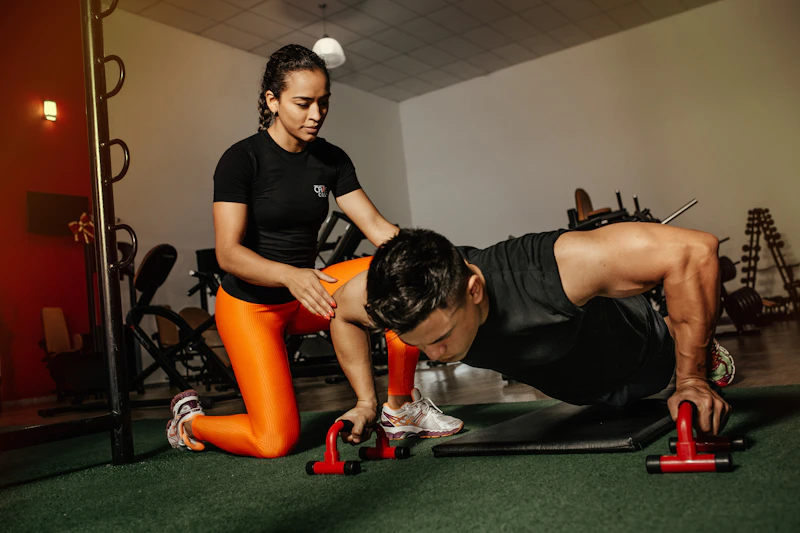
Start with a personal trainer if you need form coaching. A certified coach can ensure you are in true LISS zone and help you avoid common mistakes.
9. Common LISS Mistakes to Avoid
Going Too Hard (Too Intense)
This is the biggest LISS mistake. People think "cardio = suffering" and do LISS at Zone 3–4 intensity. This is no longer LISS; it is moderate-intensity steady state, and it does not deliver the same fat-loss and recovery benefits. Keep intensity truly easy — pass the conversational test.
Insufficient Duration
20-minute LISS sessions accomplish little. LISS requires 40–60 minutes for fat oxidation and cardiovascular adaptation to fully kick in. Shorter sessions lack efficiency. If short on time, do HIIT instead.
Ignoring Nutrition
LISS alone does not create fat loss without caloric discipline. You cannot out-cardio a bad diet. Combine LISS with sensible nutrition for results. See: Sports Nutrition & Meal Timing Dubai.
Neglecting Strength Training
LISS builds aerobic fitness and burns calories, but you need strength training to preserve muscle and build definition. Combine both for optimal results.
Training in Extreme Heat Without Modification
Outdoor LISS in 45°C Dubai summer is dangerous. Shift indoors during June–September. This is not weakness; it is intelligent training.
10. LISS Cardio vs Walking — Is Walking Enough?
This is a common question. Walking and LISS are related but not identical.
Walking at casual pace (2–3 km/h) is excellent for general health and movement, but may not elevate heart rate sufficiently for cardiovascular training or significant fat loss for sedentary individuals. It is almost always below LISS intensity.
Brisk walking (4–5 km/h) enters true LISS zone for most people, raising heart rate to 50–65% maximum. This is legitimate LISS training and highly accessible.
The verdict: If you are completely sedentary, casual walking is a great start. But to genuinely transform fitness and body composition, you need the elevated heart rate and sustained effort of true LISS — which can be brisk walking, but often requires running, cycling, swimming, or gym equipment to reliably achieve.
Find a Personal Trainer for Cardio Programming
Want a customised LISS programme designed for your goals and Dubai's climate? A certified coach can structure progressive cardio training and integrate it with strength work.
Frequently Asked Questions
How do I know if I am in the LISS zone?
The conversational test is most reliable: you should be able to speak full sentences without gasping, but not sing. Alternatively, wear a heart rate monitor and aim for 50–65% of your max HR. (Rough max HR = 220 minus your age.)
Can I lose weight with LISS alone, without strength training?
LISS can drive fat loss if combined with proper nutrition. However, adding strength training (2–3 times weekly) dramatically improves results by preserving muscle, increasing metabolic rate, and improving body composition. The combination is ideal.
Is LISS cardio boring?
Many people find LISS meditative and enjoy the mental space. To keep it engaging: vary locations (beach one day, gym the next), listen to podcasts or music, train with friends, or explore new running routes. It does not have to be monotonous.
How quickly will I see fat loss results from LISS?
With consistent 4–5 weekly LISS sessions plus proper nutrition, most people see visible body composition changes in 6–8 weeks. Metabolic changes (better sleep, improved digestion, higher energy) often happen within 2–3 weeks.
Can I do LISS every day?
You can do very easy LISS (Zone 1–2) daily as active recovery. Traditional LISS (Zone 2–3) is best done 4–5 times weekly with rest days or lighter activity on other days. Listen to your body; persistent fatigue signals overtraining.