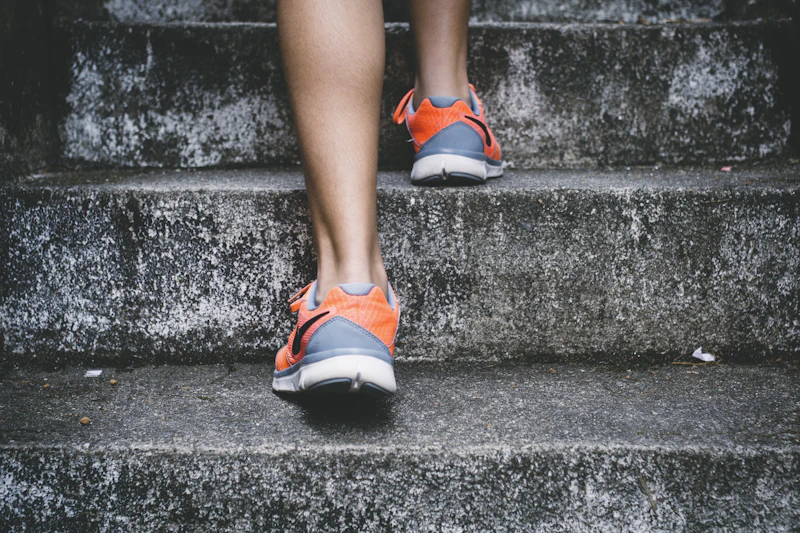
Walking is Dubai's most underrated fitness tool. While the city obsesses over high-intensity training and expensive equipment, the science is clear: consistent daily walking transforms fitness, body composition, and longevity—often with zero risk of injury. This guide shows you exactly how to use walking for real results in Dubai's heat. For more, browse our personal trainer directory with verified Dubai coaches and pricing.
In this guide
The Walking Revolution: Why Walking is Dubai's Most Underrated Workout
Walking isn't "not exercise"—it's one of the most potent longevity and metabolic tools available. A 2023 study in JAMA Network Open found that adults who walked at a brisk pace had mortality benefits comparable to running, with zero joint impact. In Dubai's premium fitness culture, walking often gets dismissed. But the data tells a different story:
- Daily walking reduces cardiovascular disease risk by 31–35%
- Consistent walkers maintain muscle mass, bone density, and metabolic health better than sedentary high-intensity trainers
- Walking improves mental health, creativity, and cognitive function more reliably than many workout formats
- Walking builds a sustainable habit—90% adherence vs. 40% for high-intensity programmes
The best workout is the one you actually do every day. For most people, that's walking.
The 10,000 Steps Myth: What the Science Actually Says
The 10,000-step target came from a 1960s Japanese marketing campaign—not rigorous science. Modern research reveals a more nuanced truth:
7,000–8,000 steps daily: Significantly reduces mortality risk across all age groups. This is the minimum effective dose for health benefits.
10,000+ steps: Provides incremental additional benefits (slightly lower cardiovascular disease risk) but with diminishing returns.
13,000–15,000 steps: Maximum longevity benefit observed in research; further increases show no additional benefit.
Bottom line: Aim for consistency over arbitrary numbers. 7,500 steps daily is better than 15,000 steps once per week. Find your sustainable target—7,000 to 12,000 steps—and maintain it year-round.
Health Benefits of Daily Walking
Cardiovascular Health
Walking strengthens the heart, improves blood pressure, and enhances circulation without the repetitive impact of running. Brisk walking (3.5–4 mph) elevates heart rate to Zone 2 (see below), building aerobic capacity over time.
Weight Management
A 150-pound person burns approximately 240–280 calories per hour of steady walking at 3.5 mph. Over 12 weeks, daily 10,000-step walks create a 3,500-calorie weekly deficit (sufficient for 0.5 lbs weekly weight loss) without the calorie restriction and muscle loss associated with aggressive dieting.
Blood Sugar & Metabolic Health
Post-meal walks (especially after high-carb meals) reduce blood glucose spikes by 15–30%. Walking improves insulin sensitivity, reducing Type 2 diabetes risk. Research shows just 3 minutes of walking after meals produces measurable glucose control benefits.
Mental Health & Cognitive Function
Walking in outdoor settings reduces cortisol (stress hormone), improves mood, and enhances creativity. Studies show walkers report 23% lower depression and anxiety symptoms compared to sedentary controls.
Longevity & Disease Prevention
Consistent walkers show reduced cancer risk, better cognitive aging, stronger bones, and improved immune function. Walking is one of the few interventions proven to slow biological aging.
Best Outdoor Walking Routes in Dubai
Bluewaters Promenade to JBR (2.5 km, flat, scenic)
Iconic waterfront route ideal for beginners. Start at Bluewaters Island, walk along the new promenade toward Jumeirah Beach Residence. Flat, paved, shaded areas available. Perfect for morning or evening walking. Parking abundant at Bluewaters.
Kite Beach to Jumeirah Mosque (5 km, moderate difficulty)
Longer route combining beach walking with urban trails. Start at Kite Beach, head south toward Jumeirah Mosque, return via 2nd December Street. Scenic, varied terrain, some shade. Best Oct–April.
Safa Park Inner Loop (2 km, beginner-friendly)
Beautiful enclosed park with paved walking path. Flat, landscaped, safe. Great for families and those avoiding street traffic. AED 5 entry. Open 8 AM–11 PM. Early morning (6–8 AM) is least crowded.
Dubai Creek Heritage Walk (3 km, cultural, flat)
Walk along historic Dubai Creek, passing Al Fahidi Fort, the Spice Souk, and Gold Souk areas. Paved, mostly shaded by buildings and overhangs. Best 7–9 AM or 6–8 PM. Immersive cultural experience.
Al Barsha Pond Park (3 km, scenic, beginner)
Purpose-built walking park with water features, landscaping, and shade structures. Flat, safe, family-friendly. Well-lit for evening walks. AED 5 entry.
Dubai Hills Park (4–6 km, incline challenge)
Mix of flat and hilly terrain. Panoramic views of Dubai. Multiple loop options (2 km, 4 km, 6 km). Shaded areas. Great for progressing to incline walking. Best early morning.
Ras Al Khor Wetland Area (2–3 km, nature walk)
Designated nature reserve with birdwatching opportunities. Paved trails, shaded boardwalks. Educational, peaceful. Less crowded than beach routes. AED 10 entry.
Indoor Walking in Dubai (Summer Alternative)
June–August temperatures exceed 40°C, making outdoor walking unsafe. Dubai's shopping malls offer air-conditioned alternatives:
Dubai Mall (4 km circuit)
Vast, flat, air-conditioned. Walk upper mall levels for full circuits. Less crowded early morning (9–11 AM weekdays). Parking easy.
Mall of the Emirates (3.5 km circuit)
Multiple floors, varied terrain. Good walking pace variation. Popular for mall walkers.
Ibn Battuta Mall (3.2 km, themed sections)
Less crowded than Dubai/MOE. Interesting themed architecture. Good pacing variety.
City Walk (outdoor, shaded)
Pedestrian-only outdoor district with shaded walkways, minimal traffic. Retail and dining. Pleasant in evening.
The Beach at JBR (2.5 km promenade)
Dedicated pedestrian promenade with shops and restaurants. Shaded sections. Evening walking ideal.
Walking for Weight Loss in Dubai
Calorie Math
A 150 lb (68 kg) person burns roughly:
- 3.0 mph (leisurely): 200 cal/hour
- 3.5 mph (brisk): 250 cal/hour
- 4.0 mph (very brisk): 300 cal/hour
Daily 10,000 steps (approximately 5 km at 3.5 mph, 90 minutes) = 375 calories burned. Combined with modest nutrition changes (-250 cal/day deficit), this produces 1.25 lbs weekly weight loss over 12 weeks, totaling 15 lbs without hunger or muscle loss.
Pace Matters More Than Distance
Faster walking at 4.0 mph burns 50% more calories than leisurely 2.5 mph walking over the same distance. Focus on increasing pace over distance. Use a fitness tracker to ensure elevated heart rate (120–130 bpm for most people).
Incline Walking Accelerates Results
Walking uphill burns 30–50% more calories than flat ground. Dubai Hills Park's slopes or mall staircases provide incline work. Add 1–2 incline sessions weekly.
Fasted Morning Walks (Optional Accelerant)
Walking on an empty stomach (upon waking) before breakfast may enhance fat mobilisation. Not required but potentially effective. Stay hydrated and limit to 45–60 minutes to preserve muscle.
Zone 2 Walking: The Science of Fat-Burning Pace
Zone 2 training is sustained aerobic activity at 60–70% max heart rate—the sweet spot for fat oxidation, metabolic health, and sustainable endurance. Walking is the perfect Zone 2 vehicle.
Finding Your Zone 2 Range
Subtract your age from 220, multiply by 0.6 and 0.7:
- Age 30: Zone 2 = 114–133 bpm
- Age 40: Zone 2 = 108–126 bpm
- Age 50: Zone 2 = 102–119 bpm
The Talk Test
Zone 2 is the pace where you can speak in complete sentences but feel slightly breathless. Too easy = below Zone 2. Too hard = above Zone 2.
Weekly Zone 2 Walking Protocol
- 3–4 days: 45–90 minutes Zone 2 walking
- Build to 200+ minutes weekly for metabolic adaptation and fat-loss acceleration
- One longer walk (60–90 min) weekly
- Combine with incline walking 1–2x weekly for variety
Walking Challenges in Dubai's Climate
The Heat Window: 5–7 AM is Ideal
Temperatures peak 2–4 PM. Early morning walking (5–7 AM) offers 25–35°C conditions. Evening (6–8 PM) is second-best, still 35–38°C in summer. June–August midday walking is dangerous (40–47°C).
Heat Management Strategies
- Hydration: Drink 500 ml water 2 hours before walking. Carry 750 ml water bottle. Drink 200–250 ml every 15–20 minutes during walking
- Light clothing: Moisture-wicking white/light-coloured fabric. Wide-brimmed hat. Sunglasses for eye protection
- Sunscreen: SPF 50+ applied 15 min before walking. Reapply every 2 hours
- Electrolytes: Add electrolyte powder to water for walks longer than 60 minutes (sodium, potassium, magnesium)
- Timing strategy: May–September prioritise early morning (5–6:30 AM) or mall walking. November–March enjoy full outdoor freedom
Dust & Air Quality
Dubai dust peaks April–June. Use N95 masks during high-dust days. Check air quality index (AQI) before walking. Avoid walking during dust storms (visibility <1 km).
Tracking Your Steps in Dubai
Google Fit (Android, Free)
Integrates with most Android phones and wearables. Automatic step counting, heart rate integration with compatible devices. No account required (but Sign-in available).
Apple Health (iPhone, Free)
Built-in iPhone app. Automatic step counting with M-motion chip. Integrates all health data. Ecosystem with Apple Watch and AirPods.
Strava (iOS/Android, Free + Premium)
Designed for runners/walkers. GPS-based route tracking, social features, segment leaderboards. Premium: AED 40/month for detailed analytics.
Fitbit (iOS/Android, Devices AED 300–800)
Dedicated fitness trackers. Excellent step counting, heart rate, sleep. Integration with Google Fit and Apple Health. Reliable for Dubai heat.
Nike Run Club (iOS/Android, Free)
Excellent for walkers progressing to running. GPS tracking, audio coaching, social sharing. Free version covers most needs.
From Walking to Running: The Progression
Many Dubai walkers eventually want to transition to running. Use a structured run/walk approach—it builds aerobic fitness while protecting joints.
Couch to 5K Protocol for Walkers
- Week 1–2: Walk 5 min warmup. Alternate 1 min jogging + 2 min walking x 8 rounds. Walk 5 min cool-down. 3x weekly
- Week 3–4: Increase to 1.5 min jogging + 2 min walking x 6 rounds
- Week 5–6: Increase to 2 min jogging + 2 min walking x 5 rounds
- Week 7–8: Increase to 3 min jogging + 2 min walking x 4 rounds
- Week 9–10: Run 15–20 continuous minutes with 2–3 min walk breaks if needed
Beginner Running Routes in Dubai
Use the same outdoor routes listed above. Start with JBR Promenade or Safa Park. Progress to longer routes (Kite Beach, Dubai Hills) as aerobic capacity builds.
Ready to Transform Your Walking Routine?
Get guidance from Dubai-based running and fitness coaches who specialise in heat adaptation and outdoor training. Build consistency, avoid injury, and achieve sustainable results.
Beginner Walking Equipment & Costs
| Item | Cost Range (AED) | Notes |
|---|---|---|
| Walking Shoes (Quality) | 250–600 | Nike, Adidas, Brooks, Salomon. Supportive, breathable. Replace every 800 km |
| Fitness Tracker | 300–1,200 | Fitbit Inspire, Apple Watch, Garmin. Essential for pace, heart rate, motivation |
| Wireless Earbuds | 150–400 | For podcasts, music, entertainment during longer walks |
| Water Bottle | 40–100 | Insulated, 750 ml–1L capacity. Critical for Dubai heat |
| Backpack | 80–250 | Lightweight, ventilated for water bottle and phone |
| Sun Hat + Sunscreen | 50–150 | Wide-brimmed hat (AED 50–80), SPF 50 sunscreen (AED 40–70) |
FAQ
How much weight can I lose with daily walking?
Assuming 10,000 daily steps + modest nutrition adjustments (-250 cal/day deficit), expect 0.5 lbs weekly weight loss = 26 lbs over a year. More sustainable and preserves muscle than aggressive dieting.
Is walking alone enough for fitness, or do I need running/strength?
Walking alone builds cardiovascular health and longevity but doesn't develop strength or significant muscle gain. For complete fitness, combine walking (3–4x weekly) with strength training (2x weekly). Walking + strength training is optimal.
Why am I not seeing step count increases?
Check tracker accuracy (compare iPhone steps vs physical count). Walk at consistent pace. Older smartwatches may undercount. Fitbit and Apple Watch are generally reliable in Dubai.
Is it safe to walk alone in Dubai?
Dubai is extremely safe. Walk during populated times (early morning 5–7 AM, evening 6–8 PM). Stick to designated routes (promenades, parks). Inform someone of your route. Trust your intuition.
What's the best time to walk for weight loss?
Walking timing (morning vs evening) doesn't significantly affect weight loss—consistency matters most. Morning walking may provide mild advantages (higher NEAT, better meal timing), but evening walking works just as well if you're consistent.